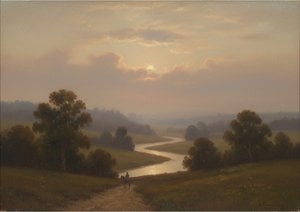
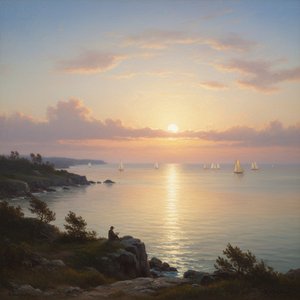
Škotska duša u kalifornijskom krajolagu
William Keith, rođen 1838. godine u Oldmeldrumu, u škotskom Aberdeenshireu, bio je umjetnik čiji je život postao neraskidivo povezan s dramatičnom ljepotom američkog Zapada. Njegova je priča priča o migraciji, umjetnoj evoluciji i dubokoj duhovnoj povezanosti s prirodnim svijetom. Obiteljsko preseljenje u New York 1850., nakon smrti njegovog oca, označilo je početak novog poglavlja, u kojem se mladi William prvo školovao kao drvorezac – vještina koja je izoštrila njegove sposobnosti promatranja te razumijevanje linije i forme. Ovo zanimanje u časopisu Harper’s Magazine pružilo mu je dragocjeno iskustvo, no upravo je kratko boravište u Škotskoj i Engleskoj 1858., tijekom rada za London Daily News, u njemu probudilo čežnju za umjetničkim izražavanjem izvan okvira komercijalne umjetnosti. Privlačnost zapada ispostavila se neodoljivom, vodeći ga u San Francisco 1859. godine; iako je prvotno tražio posao u graviranju, brzo je prepoznao da je njegov pravi poziv bilježenje neukroćenih krajolaga koji su se pred njim razvijali. Njegovo rano školovanje kod Samuela Marsdena Brookesa i Elizabeth Emerson – s kojom će se kasnije vjenčati 1864. – pružilo je temeljno razumijevanje tehnika slikanja, posebno akvarela, postavljajući scenu za njegova buduća istraživanja uljem na platnu.Europska rafiniranost i rađanje vizije
Keithovo umjetničko putovanje odvelo ga je preko Atlantika 1869. godine, ovog puta u Düsseldorf u Njemačkoj, gdje je studirao pod Albertom Flammom i susreo utjecaj Andreas Achenbacha. Ipak, upravo je vrijeme provedeno u Parizu bilo ono koje će ga iz temelja promijeniti. Prožet atmosferom škole Barbizon, Keith je upio njihov naglasak na izravno promatran još prirode, tonalne vrijednosti te poetično prikazivanje svjetlosti i raspoloženja. Ovo iskustvo suštinski je promijenilo njegov pristup slikanju krajolaga, udaljavajući ga od pedantnog detalja prema stilu koji je bio sugestivniji i emocionalno rezonantan. Kratko razdoblje dijeljenja ateliera s Williamom Hahnom u Bostonu tijekom 1871. i 1872. godine dodatno je učvrstilo te utjecaje prije nego što se vratio u Kaliforniju, zauvijek promijenjen svojim europskim boravkom. Po povratku, dolina Yosemite postala je središte njegovog rada, mjesto koje je duboko odjeknulo s njegovim duhovnim osjećajima i pružilo beskrajnu inspiraciju. Upravo je ovdje, usred granitnih litica i kaskadnih vodopada, Keith počeacije oblikovati svoj jedinstveni umjetnički glas – onaj koji karakterizira duboki osjećaj atmosfere i gotovo mistična povezanost s zemljom. Njegov ambiciozni poduhvat stvaranja velikih panorama tijekom 1870-ih — masivnih platna dimenzija šest do deset stopa — pokazao je i njegovu tehničku vještinu i želju da gledatelje potpuno uroni u veličanstvenost kalifornijskog krajolaga.Tonalizam, spiritualnost i trajno naslijeđe
Keithov umjetnički stil sve više se usklađivao s tonalizmom i američkom školom Barbizon, pokretima koji su prioritizirali raspoloženje, atmosferu i subjektivno iskustvo nad strogim realizmom. Ovaj pomak dodatno je produbljen njegovim prijateljstvom s Johnom Muirom, poznatim prirodnjakom i zaštitnikom prirode. Njihovo zajedničko škotsko podrijetlo i poštovanje prema kalifornijskim planinama potaknuli su duboku povezanost; Muir je poticao Keitha da prikazuje prirodu autentično, dok je Keith nastojao izraziti njezinu duhovnu bit kroz svoju umjetnost. Utjecaj švedenborijanskog ministra Josepha Worcestera, nakon smrti njegove prve žene Elizabeth, također je odigrao značajnu ulogu, vodeći Keitha da svojim krajolazima unese osjećaj transcendentalne ljepote i duhovnog kontempliranja. Njegova kasnija suradnja s kolegom tonalistom Georgem Innessom 1890-ih dodatno je usavršila njegovu tehniku, naglašavajući suptilne tonalne varijacije i atmosferske efekte. Keith je vjerovao da sama tehnička vještina nije dovoljna; prava umjetnost zahtijeva prenošenje emocija i duhovnih senzacija. Tijekom svoje plodne karijere — stvorio je preko 4.000 uljanih slika — Keith je dosljedno nastojao uhvatiti ne samo ono što je *vidio*, već i ono što je *osjećao* dok je bio uronjen u prirodni svijet. Uživao je u pokroviteljstvu arhitekta Daniela Burnhama, koji je prepoznao snagu i ljepotu njegovog rada. Putovanje na Alasku 1886. godine pružilo je ilustracije za Muirjevo djelo „Picturesque California“, pokazujući Keithovu svestranost i sposobnost prizivanja raznolikih krajolaga.Priznanje i trajni utjecaj
William Keith stekao je široko priznanje tijekom svog života, izlažući intenzivno od 1870-ih nadalje, uključujući sudjelovanje na međunarodnim izložbama. Posthumna čast u vidu cijele dvorane posvećene njegovom radu na Međunarodnoj panamsko-pacifičkoj izložbi 1915. godine stoji kao svjedočanstvo njegovog značajnog doprinosa američkoj umjetnosti. Danas Muzej umjetnosti Saint Mary’s College u Moragi, Kalifornija, čuva preko 170 djela povezanih s njim, osiguravajući da buduće generacije mogu doživjeti ljepotu i dubinu njegove vizije. Keithova povijesna važnost leži ne samo u njegovoj pionirskoj ulozi u uspostavljanju kalifornijskog slikanja krajolaga kao zasebnog žanra, već i u njegovoj sposobnosti da premosti europske umjetničke tradicije s američkom tematikom i osjećajnostima. Bio je majstor atmosfere, sposoban izazvati osjećaj mira, strahopoštovanja i duhovne povezanosti kroz suptilnu upotrebu boje i svjetla. Njegov tonalistički stil duboko je utjecao na sljedeće generacije umjetnika, ostavljajući neizbrisiv trag u razvoju slikanja krajolaga u Americi. Pružio je neprocjenjive vizualne zapise prirodne ljepote Kalifornije tijekom razdoblja brzih promjena i razvoja, uhvativši prolazni trenutak prije nego što je krajolik nepovratno promijenila ljudska intervencija. Keithovo naslijeđe opstaje kao podsjetnik na moć umjetnosti da nas poveže s prirodom, nadahne kontemplaciju i otkrije duhovne dimenzije svijeta koji nas okružuje.Pitanja i odgovori
Kako mogu pratiti radove umjetnika William Keith godinu po godinu?
Djela umjetnika William Keith mogu se vidjeti kronološkim redoslijedom na stranici Kronologija umjetnina umjetnika.
Gdje je i kada je rođen/a William Keith?
William Keith je rođen/a u gradu Oldmeldrum 1838. godine.
Gdje se mogu pronaći djela umjetnika William Keith kategorizirana prema temama?
Stranica Atlas tema prikazuje umjetnička djela autora William Keith prema tematici.
Mogu li posjetiti virtualni muzej djela umjetnika William Keith?
Moguća je i virtualna posjeta: stranica 3D muzej umjetnika William Keith predstavlja umjetnikova djela u trodimenzionalnoj galeriji.
Odakle dolazi William Keith?
William Keith je rođen/a u Ujedinjeno Kraljevstvo.
Mogu li istražiti djela umjetnika William Keith prema ključnim riječima?
Djela umjetnika William Keith možete istražiti putem ključnih riječi na umjetnikovoj stranici Prema ključnim riječima. Svaka ključna riječ grupirala bi pripadajuća djela.
U kojem je gradu i državi rođen/a William Keith?
William Keith rođen/a je u gradu Oldmeldrum, u državi Ujedinjeno Kraljevstvo.