Rani život, obitelj i umjetničko obrazovanje
Rođen 12. srpnja 1824. godine u havarnskom gradu Honfleur u Normandiji, Francuska, Eugène Louis Boudin bio je dijete mora. Njegov otac radio je kao lučki pilot, profesija koja je život obitelji držala neraskidivo vezanim uz plime, potoke i kretanje brodova. S deset godina, dječak je već radio na parobrodu koji je plovio vodama između Le Havrea i Honfleur-a. Upravo je tijekom tih ranih godina na vodi počeo promatrati promjenjivu svjetlost koja se prelijeva preko valova, navika koja će na kraju definirati cijelu njegovu karijeru.
Godine 1835. obitelj se preselila u Le Havre, gdje je njegov otac otvorio trgovinu koja je prodavala papir, pisala i okvire za slike. Ta je trgovina postala središnji dio njegovog mladunosti, dok je on radio među alatima zanata i raznim umjetničkim djelima koja su prolazila kroz ta vrata. Bliskost s tim predmetima i rasprave koje su se vodile unutar trgovine pružile su mu tiho, neprestano uranjanje u svijet vizualne umjetnosti. On nije bio samo sin trgovca; bio je mladić koji odrasta u pejzažu boje i trgovine.
Njegov službeni put prema slikarstvu postao je jasan kada je 1850. godine dobio stipendiju koja mu je omogućila odlazak iz Normandije u Pariz. Taj je potez izveo u samo srce francuskog umjetničkog svijeta, gdje se upisao kao student u atelier Eugène Isabey. Kako bi se uzdržavao dok je usavršavao svoj dar, preuzeo je posao kopirista u Louvru. Tamo, usred velikih djela prošlosti, naučio je disciplinu promatranja i tehničke temelje koji će podupirati njegova kasnija istraživanja prirodnog svijeta.
Razvoj jedinstvene tehnike i stila
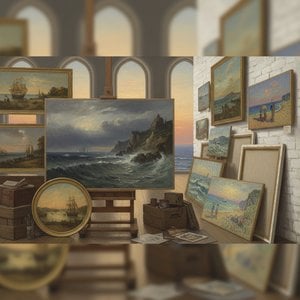
Eugène Louis Boudin pronašao je svoj pravi poziv u slanom zraku i promjenjivim plimo-odlivnim ciklusima, uspostavivši se kao pomorski slikar s dubokim umećem u prikazivanju mora i njegovih krševitih obala. Bio je među prvim francuskim pejzažnim slikarima koji su napustili sigurnost ateljeja kako bi radili na otvorenom. Prigrlivši praksu en plein air, nastojao je uhvatiti svijet izravno iz promatranja, progonivši prolaznu svjetlost dok je plesala po površini vode. Ta predanost trenutku zahtijevala je određenu odvažnost u njegovom načinu nanošenja pigmenta.
Njegova metoda bila je istovremeno promišljena i strastvena. Često je svoje platna započinjao nanošenjem bijele pigmentne tvari, svjetloplave ohere, preko cijele površine. Kada bi se ta podloga usidrila, koristio bi čvrste kistove s prirodnom dlakom kako bi prenio slojeve boja, nakupljajući boju i stvarajući područja intenzivnog sjaja. Ta tehnika omogućovala mu je da oponaša način na koji sunčana svjetlost udara u vrh vala ili probija kroz teške oblake. Njegine pastelne skice bile su podjednako upečatljive, definirane sažetim i ekonomičnim potezima kista koji su naglašavali samu esenciju scene radije nego nepotrebne detalje.
Ovaj tehnički pristup omogućio mu je da senzorno iskustvo normandijskog pogorja prenese na platno. Nije se nastojao samo prikazati lokaciju, već zabilježiti samu dinamiku atmosfere. Kroz slojevito nanošenje boje i prednost koju je pridavao izravnom promatranju, razvio je način gledanja koji je favorizirao prolazno nadajviše od onog što je trajno.
Utjecaj nizozemskih majstora
Put njegovog kistova duboko su oblikovale sjene i svjetlo nizozemskih majstora 17. stoljeća. U njihovoj pedantnoj posvećenosti detaljima i sposobnosti korištenja atmosferske perspektive kako bi se stvorio osjećaj dubine, Eugène Louis Boudin pronašao je duboki odjek. Ta poveznica sa sjeverom nije bila puka akademska studija; ona je bila temeljni dio njegovog načina doživljaja svijeta. Težio je uhvatiti samu esenciju scene kroz pažljivo proučavanje interakcije svjetlosti s elementima prirode, u potrazi koja je odražavala osjećajnost onih davno pokojnih majstora.
Značajna promjena u njegovom umjetničkom smjeru dogodila se kada je upoznao nizozemskog slikara Johana Jongkinda. Taj susret pokazao se kao prekretnica za njegovu razvojnu viziju. Jongkind ga je poticao da napusti okvire studija i prihvati praksu slikanja na otvorenom, metodu poznatu kao en plein air. Taj savjet omogućio mu je da svjedoči trenutne, promjenjive raspoloženja obalnog okruženja. Postao je opsjednut načinom na koji se nebo i more mogu promijeniti u jednom trenutku, nastojeći te prolazne impresije svjetla i vode prenijeti na svoje platno.
Njegov rad postao je studija tih prolaznih kvaliteta. Fokusirao se na suptilne nijanse neba, često ga tretirajući kao centralnog lika u svojim pejzažima. Promatranjem načina na koji se svjetlost kreće preko valova i kroz oblake, naučio je prikazivati atmosferu s novom vrstom neposrednosti. Ta predanost prirodnom svijetu, potaknuta susretima s Jongkindom i utjecajem nizozemske tradicije, omogućila mu je da s iznimnom senzibilnošću portretira obale prekrivene solju i svjetlucave tide Normandije.
Mentorstvo i impresionistički krug
Boudin se kretao kroz društveni krajolik u kojem su granice tradicionalne umjetnosti bile pod محاضره novim idejama. Našao se u društvu utjecajnih figura, razmjenjujući ideje s umjetnikom Gustave Courbet i sudjelujući u oštrim perspektivama najpromenjenijeg pjesnika i kritičara tog doba. Njegovo prisustvo u umjetničkim krugovima tog vremena učvršćeno je njegovim povezivanjem s umjetnicima kao što su Constant Troyon, Jean-François Millet i Jean-Baptiste Isabey, ljudima koji su pomogli oblikovati okruženje u kojem je on usavršavao svoj zanat.
Možda je njegov najdublji utjecaj bio osjetan u razvoju mladog Claude Monet. Njih dvojica dijelili su poveznica koja je išla izvan običnog prijateljstva; Eugène Louis Boudin djelovao je kao vodič, usmjeravajući mlađeg čovjeka od jednostavnih karikatura prema ozbiljnom proučavanju pejzaža. Monet se kasnije s dubokom zahvalnošću osvrtao na to vodstvo, tvrdeći da je Eugène Louis Boudin skinuo veo s njegovih očiju i otkrio pravi potencijal slikanja prirodnog svijeta. Ovo mentorstvo pomoglo je potaknuć novi način gledanja koji će na kraju promijeniti smjer povijesti umjetnosti.
Iako su njegove vlastite metode ostale donekle tradicionalnije od onih avangarde, Eugène Louis Boudin bio je prisutan na samom početku jedne revolucije. Sudjelovao je na prvoj impresionističkoj izložbi 1874. godine, stojeći uz umjetnike koji će ubrzo redefinirati taj pokret. Zauzeo je jedinstven prostor, djelujući kao most između utvrđenih tradicija prošlosti i radikalnih, svjetlom ispunjenih eksperimenata budućnosti.
Glavna djela i umjetničke teme
Njegov je kist neprestano privlačen slanim rubovima svijeta, pronalazeći najdublji izraz u obalnim pejzažima Normandije. Posebno ga je fasciniralo ponašanje svjetlosti na vodi i promjenjivi raspoloženja neba, često usmjeravajući svu svoju pažnju na obale Normandije i Bretanje. U tim scenama nastojao je uhvatiti samu esenciju pomorskog okruženja, nadilazeći puku prikazivost kako bi zabilježio prolaznu atmosferu mora i njegovih obala.
Ta predanost obali proširila se i na njegova intimnija istraživanja života na kopnu. Godine 1867. naslikao je Honfleur, trg Saint Catherine, djelo koje dočarava živost seoske scene. Kasnije, oko 1889. godine, okrenuo je pažnju djelu Mart u Honfleuru, nastavljajući svoj dugi dijalog sa svjetlošću tog specifičnog regiona. Čak i u njegovim tišim trenucima, more je ostavalo prisutno; njegova Stil u sivoj boji s jastogom na bijeloj stolnjaku, koji se danas nalazi u High Museum of Art u Atlanti, demonstrira fokus na teksture i boje morskih darova.
Kasne godine i smrt
Kako su godine prolazile, nemirni duh koji je nekada poticao malog dječaka da crta u margini knjiga vodio je umjetnika preko mnogih granica. Tražio je promjenjivu svjetlost obale u Belgiji i Nizozemskoj, a kasnije je svoj pogled okrenuo prema toplini južne Francuske. Njegova putovanja nisu bila samo izraz hedonizma, već bila su pokretana dubokom potrebom da svjedoči atmosferu u svim njezinim stanjima. Osjetio je privlačenje prema Veneciji, gdje je jedinstvena kvaliteta svjetlosti na vodi nudila nove misterije koje je trebalo razotkriti na platnu.
Njegova posvećenost prirodi i nepokolebljiva prisutnost na francuskoj umjetničkoj sceni nisu ostale neprimećene od strane države. Godine 1892. odamljen je u red viteza Légion d’honneur, što je bilo priznanje života provedenog u potrazi za prolaznim i efemernim. Čak i kada je njegova fizička snaga možda slabila, njezina povezanost s morjem ostala je stalna nit u njegovom postojanju.
Kraj je došao u Deauvilleu u Francuskoj, mjestu gdje su slani zrak i plime dugo bili njegovi suputnici. Preminuo je 8. kolovoza 1898., gledajući prema Engleskom kanalu. Za sobom je ostavio opus koji je dokučio samu srž vjetra i valova koje je volio još od djetinjstva u Honfleuru.
Trajno nasljeđe i priznanje
Priznanje njegovom talentu postojano je raslo dok se on kretao kroz natjecateljske krugove francuskog umjetničkog establishmenta. Godine 1881. osvojio je medalju treće mjesto na Parizanskom salonu, što je bilo priznanje koje je signaliziralo njegov rastući ugled. Njegova sposobnost da uhvati promjenjivu svjetlost obale napokon je dovela do još većih počasti, uključujući zlatnu medalju na Svjetskoj izložbi (Exposition Universelle) 1889. godine. Ovi su od_{,niacija odražavale karijeru provedenu u promatranju prirodnog svijeta s iskrenošću koja je duboko odjekivala kod njegovih suvremenika.
Njegov utjecaj protezao se daleko izvan platna koja je stvarao, ostavljajući neizbrisiv trag na sam način na koji će buduće generacije pristupati pejzažu. Taj trajni utjecaj slavi se kroz Nagradu Eugène Louis Boudin, priznanje koje dodjeljuje Nacionalno društvo pięknih umjetnosti (Société Nationale des Beaux-Arts) za umjetnička postignuća. To je prikladna počast čovjeku koji je cijeli svoj život proveo u poteri za prolaznim raspoloženjima mora i neba.
Danas se njegova prisutnost osjeća u brojnim velikim kolekcijama, dok se njegova djela slave u muzejima diljem svijeta. Kolecionari i povjesničari neprestano proučavaju njegovu sposobnost da atmosferu normandijskih i bretonskih obala prenese na jednostavnu ploču ili platno. Njegine slike ostaju dio stalnog dijaloga povijesti umjetnosti, pohranjene u raznim institucijama širom svijeta.
Gdje danas možete vidjeti njegova djela
Kako biste svjedočili svjetlosti koja je nekada plesala po normandijskoj obali, potrebno je otploviti prema velikim čuvarima francuske umjetnosti. U Parizu, Musée d’Orsay čuva nekoliko njegovih platana, omogućujući posjetiteljima da stanu pred iste poteze četkice koji su nekada inspirirali čitavu generaciju slikara. Njegova prisutnost u glavnom gradu osigurava da njegova proučavanja neba ostanu dostupna svima onima koji traže korijene novog načina promatranja prirodnog svijeta.
Pomorski duh njegove domovine održava se živim u Le Havru, gdje Musée d'art Moderne André Malraux čuva njegova djela. Ova kolekcija vraća promatrača na obale i luke koje su definirale njegov život i njegovu viziju. Izvan granica Francuske, njegov utjecaj putuje preko oceana. U Sjedinjenim Američkim Državama, Nelson-Atkins Museum of Art u Kansas Cityju čuva djela koja govore o njegovoj sposobnosti da uhvati prolazno kretanje tide.
Njegov domet se proteže još dalje u Europu, gdje Regionalna galerija u Liberecu, Liberice, čuva njegove pokušaje da atmosferu obale prenese na platno.
- Honfleur, trg Saint Catherine (1867)
- Ožujak u Honfleuru (1889)
- Stil u sivoj boji s jastogom na bijeloj stolnjaku
Pitanja i odgovori
Postoji li pregled svih tema koje je Eugène Louis Boudin naslikao/la?
Atlas tema za Eugène Louis Boudin stranica je koja prikazuje umjetnička djela umjetnika prema njihovim motivima.
Odakle dolazi Eugène Louis Boudin?
Eugène Louis Boudin rođen/a je u Francuska.
Mogu li sortirati djela umjetnika Eugène Louis Boudin prema boji?
Spektar boja umjetnika Eugène Louis Boudin stranica je koja organizira njegova djela prema bojama.