


 Pregledaj u stvarnoj veličini
 Podijeli
 Podijeli
 Detalji
 Vodič
Vodič

 Preuzmi datoteku
 Slični predmeti
 Rentgenska snimka
 Slide show
 Statistika
Composition I
 Painting
- Geometric Abstraction
 1961
1961- Modern
 50.0 x 35.0 cm
 The Museum of Katowice History
 Pročitajte više
Djelo prikazano na ovoj stranici zaštićeno je autorskim pravima, što znači da zakonski ne možemo izraditi niti prodati identičnu reprodukciju. Ova se zaštita provodi u skladu s međunarodnim sporazumima kao što su Bernska konvencija i nacionalnim zakonima, uključujući i one koji su utvrđeni u Američki zakon o autorskom pravu – Title 17.
Ova metoda u potpunosti je usklađena s autorskim pravima jer ne uključuje kopiranje ili dupliciranje zaštićenih umjetničkih djela. Umjesto toga, riječ je o kreativnoj reinterpretaciji – novoj slici koja je dobila utjecaj na izvornik, ali nije identična njemu.
Giclée / Umjetnički otisak
Giclée tisak muzejske kvalitete ili otisak na platnu uz brzu proizvodnju i fleksibilne opcije završne obrade. ( Naručite ručno oslikano reprodukciju Prebacite na digitalnu prodaju slika)




































Odaberite jednu od naših unaprijed definiranih veličina koje odgovaraju izvornim proporcijama umjetničkog djela.

Unesite širinu i visinu koja vam je potrebna, kako bi odgovarali vašem okviru ili zidu. Print se može samo izrezati, nikada ne može biti veći od slike, stoga veličina s drugačijim oblikom gubi dio slike. Šaljemo vam digitalni prikaz (mockup) na odobrenje prije bilo kakve štampe. Slika prikazana na ovoj stranici ne prikazuje stvarni rez — to čini samo digitalni prikaz.
Dostava širom svijeta () u roku od 2 tjedna umjesto standardnih 4/5 tjedana. (20 Listopad)

Besplatna ekspresna dostava širom svijeta

Visokokvalitetno laneno platno

Potpuno osiguranje transporta

Jamstvo povrata carine i uvoznih poreza

Jamstvo vjernosti boja

Politika povrata u roku od 100 dana (samo u slučaju nedostataka)

Jamstvo povrata 100% novca

Popust na više proizvoda
 Opcija stakla dostupna je samo za dimenzije manje od 110 cm

Composition I
Giclée / Umjetnički otisak
Veličina reprodukcije
-


Ukupna cijena
€ 54
A Dance of Form and Shadow: Rediscovering Composition I
In the quiet, evocative realm of mid-century Polish abstraction, few works capture the tension between human presence and geometric movement as poignantly as Zdzisław Stanek’s Composition I. Created in 1961, this masterpiece serves as a profound window into a period of intense artistic experimentation. At first glance, the viewer is drawn into a complex choreography of figures that seem to emerge from and dissolve into the canvas. A central figure, anchored on the left, bears the weight of a bird with outstretched wings—a motif that immediately invites contemplation of freedom, burden, and the delicate balance between the earthly and the ethereal. The composition is not merely a collection of shapes but a rhythmic arrangement where bodies are positioned in a deliberate, almost musical, sequence across the frame.
The technique employed by Stanek reflects his deep-seated connection to the theories of Wład::adysław Strzemiński, particularly the revolutionary concept of light as an active, transformative force. In Composition I, light does not simply illuminate the subjects; it sculpts them. Through a masterful use of contrast and tonal depth, Stanek creates a sense of three-dimensional movement within a flattened plane. The figures—ranging from those standing sentinel on the right to the more enigmatic presence in the upper corner—are woven together by a shared atmospheric energy. This interplay of light and shadow gives the artwork a breathing quality, making the stillness of the 1961 canvas feel vibrantly alive with an unspoken narrative.
For the discerning collector or interior designer, this piece offers much more than visual interest; it provides a sophisticated emotional anchor for any curated space. The monochromatic essence of the work lends it a timeless, sculptural elegance that complements both minimalist modern interiors and more classical, textured environments. There is a haunting beauty in the way the bird’s wingspan breaks the stillness, suggesting a moment of transition or a sudden burst of inspiration. Owning a high-quality reproduction of this work means bringing into one's home a piece of history—a fragment of the Polish avant-garde that continues to challenge the eye and stir the soul with its profound exploration of form, light, and the human condition.
Pitanja i odgovori
Koje raspoloženje izražava "Composition I" autora Zdzisław Stanek unutar pokreta Geometric Abstraction?
Unutar pokreta Geometric Abstraction, "Composition I" je zabilježeno s Mysterious tonom.
Kako je izgrađena koloristička kompozicija djela "Composition I" autora Zdzisław Stanek?
U djelu "Composition I", Gentle kontrast uparuje se s Strong Color Unity harmonijom.
Gdje bi se trebala visiti reprodukcija djela "Composition I" autora Zdzisław Stanek?
Format Portrait djela "Composition I" autora Zdzisław Stanek preporučuje se za Office. Format i prostor zajedno usmjeravaju postavljanje reprodukcije.
Srodna umjetnička djela


Biografija umjetnika
The Luminous Legacy of Zdzisław Stanek
In the storied landscape of mid-20th-century Polish art, few names resonate with the same quiet intensity as Zdzisław Stanek. Born in 1925 in the industrial heart of Łódź, Stanek emerged not merely as a painter, but as a profound investigator of the very mechanics of sight. His life’s work was a continuous dialogue between the tangible and the ethereal, a pursuit driven by an almost scientific curiosity regarding how light interacts with form to shape human perception. To encounter a Stanek canvas is to step into a world where the boundaries between matter and radiance begin to dissolve, leaving the viewer suspended in a state of luminous contemplation.
The foundation of Stanek’s artistic identity was deeply rooted in the revolutionary theoretical frameworks established by Władmentsław Strzemiński. From his earliest years, Stanek was captivated by Strzemiński’s radical notion that light should not be treated as a mere external source of illumination, but as an active, transformative force capable of sculpting space and evoking deep psychological resonance. This intellectual lineage became the heartbeat of his practice. He embraced the idea that light could breathe life into geometric structures, turning static shapes into dynamic participants in a cosmic dance of color and shadow.
A Synthesis of Geometry and Light
As his career progressed, Stanek’s aesthetic language underwent a fascinating evolution, characterized by a refusal to be tethered to any single passing trend. While he drew significant inspiration from the structural rigor of Cubism, he infused these geometric foundations with an experimental spirit that bordered on the futuristic. His compositions frequently utilized the stark, clean lines of cubes and spheres, yet these were never cold or clinical. Instead, through a masterful application of vibrant pigments and layered textures, he achieved a sense of depth and dimensionality that felt almost organic.
His later explorations into Cyber Art and more abstract geometric forms demonstrated his ability to bridge the gap between classical painterly traditions and the burgeoning technological consciousness of the era. In these works, the interplay of form and color becomes a complex puzzle of light:
- The Role of Form: The use of spheres and cubes serves as an anchor for the eye, providing a structural stability that allows the more fluid elements of the painting to roam freely.
- Chromatic Vibrancy: Stanek utilized color not just for decoration, but as a tool to generate heat, coolness, and movement within the frame.
- Atmospheric Depth: Through subtle gradations, he created an illusion of infinite space, where light seems to emerge from deep within the canvas itself.
Historical Significance and Artistic Spirit
The historical importance of Zdzisław Stanek lies in his role as a bridge between the avant-garde traditions of early 20th-century Poland and the experimental movements that followed. In an era often defined by political and social upheaval, Stanek remained steadfast in his commitment to pure visual experimentation. He resisted the pressure to conform to more literal or propagandistic styles, choosing instead to focus on the universal language of light and geometry. This dedication ensured that his work remained timeless, transcending the specific historical moment of its creation.
Today, Stanek is remembered as a pioneer who dared to treat the canvas as a laboratory for perception. His ability to synthesize the rigid logic of geometric abstraction with the emotive power of light continues to inspire those who seek beauty in the intersection of science and art. His legacy remains etched in the luminous glow of his masterpieces, reminding us that even the most structured forms can be imbued with an eternal, breathing soul.

Zdzisław Stanek
1925 - 1996 , Poland
Brzi pregled
- Full Name: zdzisław stanek
- Nationality: Polish
- Date Of Birth: 1925
- Date Of Death: 1996
- Place Of Birth: Poland
- Notable Artworks:
- Still life with leeks bunch,
- Apples and cheese
- Lightnude II
- Artistic Movement Or Style: Cubism, Cyber art, Surrealism
- Artists Who Influenced This Artist: ['Władysław Strzemiński']
- Artists Or Movements Influenced By This Artist: ['Cyber art']
Povezani članci

Beyond Form & Color: Geometric Abstraction's Evolution in 20th/21st Century Art
Explore the evolution of geometric abstraction from Cubism to contemporary art. Discover key artists like Malevich & Mondrian, investment insights, and expert collecting advice at ArtsDot.

Beyond Form & Color: Geometric Abstraction's Enduring Legacy in Art History
Explore the captivating world of geometric abstraction! Discover its origins, key artists like Malevich & Mondrian, and why this movement remains highly valued by art collectors today. Expert insights at ArtsDot.

Kandinsky's Masterpieces: 25 Paintings That Define Abstract Art | ArtsDot
Journey through Wassily Kandinsky's 25 most iconic abstract paintings. Explore his revolutionary use of color, form & spiritual expressionism. Find museum-quality Kandinsky reproductions and elevate your home decor with ArtsDot.com. Discover all masterpieces on ArtsDot.com!

Geometrijska Apstrakcija: 10 Remek-djela Koja Su Promijenila Umjetnost | ArtsDot
Istražite 10 remek-djela geometrijske apstrakcije! Otkrijte priče Kandinskog, Mondriana i drugih majstora. Inspirirajte se za svoj interijer s vrhunskim reprodukcijama slika na ArtsDot.com
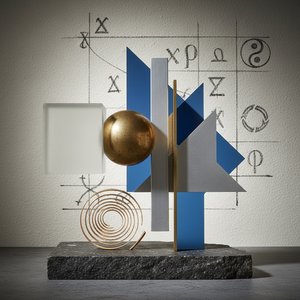
Beyond Form: Exploring the Philosophical Foundations of Geometric Abstraction
Explore the philosophical roots & artistic evolution of geometric abstraction with ArtsDot. Discover Mondrian, Malevich, De Stijl & more. Expert insights for collectors and art enthusiasts.