

- 159.0 x 250.0 cm


Slika prati vaše izbore: , .
Opis kolekcionarskog predmeta
Wassily Kandinsky’s monumental Composition IV explodes with vibrant blues, yellows, reds, and whites—a cornerstone of abstract expressionism—capturing a turbulent yet harmonious spirit amidst geometric shapes and an evocative umbrella symbol. Explore this iconic masterpiece and bring Kandinsky's visionary art into your home.
 Prikaži više
Biografija umjetnika
Otkrijte svijet apstraktne umjetnosti s Kandinskyjevom "Kompozicija VII" i drugim velikanskim djelima koja su promijenila povijest umjetnosti!
Ručno rađena uljana reprodukcija
Ručno oslikano uljanim bojama na platnu u dimenzijama i okviru po vašem izboru, izrađeno po narudžbi od strane naših umjetnika. ( Prebacite na printove Prebacite na digitalnu sliku)
Više o ovoj slici
 Pregledaj u realnoj veličini
 Pošalji
 Podijeli
 Detalji o umjetničkom djelu
 Vodič
Vodič

 Preuzmi umjetničko djelo
 Slični predmeti
 Rentgenska snimka
 Slide show
 Pitanja i odgovori
 Statistika
Naručite svoju sliku u četiri jednostavna koraka
Nemojte žuriti. Svoje odgovore možete promijeniti u bilo kojem trenutku; cijena u vašoj košarici ažurira se prema svakom odabiru.
1 Prvi od četiri koraka
Koju veličinu želite?
Ove dimenzije zadržavaju proporcije izvornog slikopisa. Crtež prikazuje vaš odabir na zidu, iznad dvometarskog kauča.
Ili unesite vlastite dimenzije
Odaberite jednu od naših unaprijed definiranih veličina koje odgovaraju izvornim proporcijama umjetničkog djela.

Unesite potrebnu širinu i visinu kako bi dimenzije odgovarale vašem okviru ili zidu. Budući da je riječ o ručno oslikanom djelu, umjetnik može malo proširiti rubove slike ili ih skratiti kako bi postigao drugačiji oblik — izbor je vaš. Prije početka slikanja poslat ćemo vam digitalni prikaz (mockup) radi potvrde. Slika prikazana na ovoj stranici ne predstavlja stvarni rezultat — samo digitalni prikaz to čini.
2 Drugi od četiri koraka
Kako želite da bude pripremljeno: u roli, na platnu ili u okviru?
Cijene u nastavku odnose se na dimenziju koju ste odabrali u prvom koraku.
Odaberite rubove platna
Odaberite svoj okvir

Bijela rubna traka €1

Zamućeni rubovi €1

Prošireno €1

P118B €10

P118H €10

P118W €10

P438Z €10

P508JH €12

P508YH €12

P805H €10

P805Z €10

P919BZ €10

P919G €10

P919XJ €10

P959ZH €10

P968JZ €12

W106C €8

W218G €10

W218JH €8

W218Y €10

W307PJ €10

W316G €10

W316PJ €8

W316Y €10

W398PJ €8

W4111J €10

W500HY €15

W500JH €15

W692G €12

W849H €8

W940BG €15

W953PJ €8

H24-GOLD €30

H24-SILVER €30

H36-GOLD €45

H36-SILVER €45
Uokvireno
Profil: . Ukupna veličina s okvirom: .
3 Treći od četiri koraka
Želite li nešto promijeniti na slici?
Većina ljudi odgovara s ne. Budući da je svaka slika ručni rad, naš umjetnik je može i prilagoditi vašim željama.
Nakon narudžbe, tim ArtsDot.com kontaktirat će klijenta putem e-pošte radi uputa te dostaviti pregledni prikaz (mockup)
4 Četvrti od četiri koraka
Nekoliko završnih opcija
Sve su opcije neobvezne. Odgovori koji su već odabrani ne podrazumijevaju dodatni trošak.
Tko je autor?
Isporuka širom svijeta () u roku od 3-4 tjedna umjesto standardnih 5 tjedana. (3 Studeni). Bez kompromisa u kvaliteti.
Pločica s natpisom, kao u muzeju?
Detalji gravirane brončane pločice
This elegant plaque features the artist's name and the title of the artwork, finely engraved for a timeless presentation.
It is made from bronze with a refined, elegant finish. The text is precisely laser-engraved for a sharp and permanent result. Measuring 9x2 cm, the plaque is compact yet easy to read. It's built to be durable and scratch-resistant, offering a professional, museum-quality look. Mounting is simple thanks to the included adhesive backing.
Detalji prozirne akrilne pločice
The plaque includes essential engraved details such as the artist's name, the title of the artwork, the date it was created, the type of media used-like oil on canvas or watercolor-a brief description of the piece, and a QR code that links to the complete artwork information.
It is crafted from clear acrylic, offering a sleek, modern appearance. The text is UV-engraved in black to ensure strong visual contrast. With a size of 10x15 cm, it ensures optimal readability. It comes equipped with two metal hooks for secure wall mounting. The plaque is designed to be weather-resistant, making it suitable for various environments, and it includes interactive features that work seamlessly with smartphone scanning.
Detalji crne akrilne pločice
This elegant plaque includes engraved information such as the artist's name, the title of the artwork, the date it was created, the type of media used (like oil on canvas or watercolor), a short description of the artwork, and a QR code for quick access to more information.
The plaque itself is made from refined black acrylic with a premium finish. The text is laser-engraved in white for high contrast and readability. Its size is 10x15 cm, designed to be easy to read. It comes with two metal hooks for professional mounting. The design is sleek and fits any interior style. It is also weather-resistant and durable, with built-in digital integration for mobile compatibility.
Zaštitni lak?
Kada vam je potrebno?
✓ Provjerite i naručite
Vaša slika, prema vašoj narudžbi

Composition IV
Tehnika reprodukcije
Veličina reprodukcije
-

Odabrani vrhunski umjetnik
Više detalja, profinjenosti i dodatnog vremena za izradu
-

Okvir za reprodukciju
-
-
Za umjetnička djela ili reprodukcije veće od 105 cm (približno 41 inč) na bilo kojoj strani, okvir će biti isporučen u obliku rastavljenog seta za montažu. Ovaj način osigurava sigurnu dostavu i sprječava oštećenja tijekom transporta.
Potrebna je profesionalna montaža – ovo nije proizvod za samostalnu izradu.
Set mora sastaviti i platno zategnuti iskusni profesionalni uokvirivač, koristeći drvno ljepilo (nije uključeno u set), kljeste za zatezanje platna i stege kako bi se održao pravilan kut letvica dok se ljepilo suši. Nepravilna montaža ili neravnomjerno zategnuto platno mogu trajno oštetiti umjetničko djelo, a takva oštećenja nisu pokrivena našim jamstvom.
 Za umjetnička djela ili reprodukcije veće od 105 cm (približno 41 inč) na bilo kojoj strani, okvir će biti isporučen u obliku rastavljenog seta za montažu. Ovaj način osigurava sigurnu dostavu i sprječava oštećenja tijekom transporta.
Sve letvice od punog drveta su uključene, precizno izrezane po mjeri.
Montira se pomoću priloženih vijaka, uz dodatak ljepila za drvo za spojeve u kutovima, koje nije uključeno u set i koje vaš okviraš mora vlastito nabaviti.
Potrebni su profesionalni alati koji nisu uključeni: škripc za zatezanje platna (zatezač) i stezaljke za održavanje pravokonačnosti letvica tijekom sušenja ljepila.
Važno:
Za spojeve u kutovima potrebno je ljepilo za drvo, letvice se moraju pričvrstiti stezgama dok se ljepilo potpuno ne osuši, a za zatezanje platna na sastavljenom okviru potreban je alat za zatezanje platna. Nijedan od ovih alata nije uključen u set. Molimo vas da prije narudžbe ove veličine osigurate uslugu iskusnog profesionalnog uokvirivača.

Natpisna pločica
-
-

Zaštitni lak
Sjajni lak (pojačava intenzitet boja, štiti od svjetlosti i vlage)
-

Prilagodite svoje umjetničko djelo
Primjeri mogućnosti prilagodbe: Zamijenite lice fotografijom kupca; Dodajte ljubimca (npr. zamijenite mačku psom); Uključite skrivenu poruku u pozadinu; Promijenite pejzaž ili elemente pozadine.
-

Hitna dostava
Globalna dostava () u roku od 3-4 tjedna umjesto standardnih 5 tjedana. (3 Studeni). Bez kompromisa u kvaliteti.
-
Brza dostava
Dostava širom svijeta () u roku od 5 tjedana. (10 Studeni).
Uključeno u cijenu
Ukupna cijena
€ 235
Opcija stakla dostupna je samo za dimenzije manje od 110 cm
Uključeno uz svaku narudžbu
- Besplatna ekspresna dostava širom svijeta
- Visokokvalitetno laneno platno
- Potpuno osiguranje dostave
- Jamstvo povrata carine i uvoznih poreza
- Jamstvo vjernosti boja
- Politika povrata u roku od 100 dana (samo u slučaju nedostataka)
- Jamstvo povrata 100% novca
- Popust na više proizvoda


A Symphony of Color and Emotion: Exploring Wassily Kandinsky’s Composition IV
- Subject Matter & Context Composition IV isn't concerned with depicting recognizable objects or landscapes; instead, it presents a purely abstract visual experience. Painted in 1911 during the burgeoning Expressionist movement, this monumental canvas embodies the spirit of its time—a rejection of representational art in favor of conveying inner feelings and spiritual ideas. Kandinsky’s aim was to liberate painting from the constraints of illusionism, striving for a connection between color and sound, mirroring the musical compositions he himself admired.
- Style & Technique Kandinsky's signature style is undeniably abstract expressionism. He employed a technique known as “automatism,” allowing subconscious impulses to guide his brushstrokes. This method involved preparing a canvas with gesso, applying layers of colored pigment—primarily blues, yellows, reds, and whites—and then letting the paint flow freely across the surface without premeditated planning. The resulting textures are palpable, conveying a sense of spontaneity and dynamism.
- Symbolism & Composition The painting’s visual elements resonate with profound symbolism. Dominating the composition is an umbrella, positioned centrally, which serves as a powerful emblem of protection and stability amidst swirling shapes and colors. These shapes—circles, triangles, squares—are arranged in concentric bands, creating a harmonious yet restless interplay between order and chaos. Kandinsky believed that color itself possessed inherent expressive qualities, capable of evoking emotions and conveying spiritual truths.
- Historical Significance Composition IV stands as a cornerstone of modern art history. It represents a decisive break from academic tradition and foreshadows the radical innovations of subsequent artists. Its influence extends far beyond painting, inspiring movements like Surrealism and impacting artistic sensibilities globally. Kandinsky’s unwavering conviction in the transformative power of abstraction cemented his legacy as one of the most visionary figures of the 20th century.
- Emotional Impact Viewing Composition IV is akin to embarking on a sensory journey—a contemplation of color, form, and texture that transcends literal representation. The painting’s vibrant hues evoke feelings of optimism and serenity alongside hints of anxiety and uncertainty. It invites viewers to engage in an introspective dialogue with their own emotions, prompting reflection on the relationship between inner experience and artistic expression.
Pitanja i odgovori
Koji umjetnik i koji stil stoje iza "Composition IV"?
"Composition IV" stvorio/la je Vasily Wassilyevich Kandinsky u stilu Expressionist Abstraction. Umjetnik i umjetnički pravac definiraju tradiciju ovog djela.
Koji su datum nastanka i stil djela "Composition IV" autora Vasily Wassilyevich Kandinsky?
"Composition IV" nastalo je 1911. godine kao djelo Expressionist Abstraction pokreta. Datum i umjetnički pravac čine temelj ovog djela u povijesti umjetnosti.
Je li "Composition IV" autora Vasily Wassilyevich Kandinsky svijetlo ili tamno umjetničko djelo?
U pogledu percepcije svjetline, "Composition IV" autora Vasily Wassilyevich Kandinsky je brilliant.
Srodna umjetnička djela


Vasily Wassilyevich Kandinsky
1866 - 1944, Rusija
Biografija umjetnika
A Life Immersed in Color and Spirit
Wassily Wassilyevich Kandinsky, born December 4, 1866, in Moscow, Russia, was a revolutionary figure who irrevocably altered the course of modern art. His journey wasn’t one of immediate artistic calling; initially destined for a career in law and economics at the University of Moscow, it was a profound encounter with Impressionist painting – specifically Claude Monet's “Haystacks” – and a deeply moving experience witnessing Wagner’s opera "Lohengrin" that ignited within him an irrepressible desire to pursue art. This pivotal moment, occurring around age thirty, marked not merely a career change but a complete transformation of perspective, setting him on a path toward pioneering abstraction. He soon relocated to Munich, enrolling at the prestigious Academy of Fine Arts and studying under Franz von Stuck, though even within formal training, Kandinsky’s spirit yearned for exploration beyond conventional boundaries. Early influences included Russian folk art, gleaned from an ethnographic expedition to the Vologda region in 1889, which instilled a fascination with vibrant color palettes and symbolic imagery. This foundation would prove crucial as he began to develop his unique artistic language. These early explorations weren’t simply about aesthetic preference; they were rooted in a deep cultural connection and a burgeoning understanding of how art could communicate beyond the literal. He experimented with landscapes and portraits, demonstrating considerable skill but always feeling constrained by representational limitations.The Dawn of Abstraction: From Expressionism to Inner Necessity
Kandinsky’s early works reveal a strong expressionistic bent, characterized by bold colors and emotional intensity – pieces like “Papeln (Poplars)” from 1902 exemplify this period. However, he wasn't content with merely representing the external world; he sought to express inner realities, spiritual truths that transcended mere visual depiction. This quest led him gradually away from representational art and toward a revolutionary exploration of color, form, and their emotional resonance. He believed that colors possessed inherent psychological effects, capable of evoking specific feelings and sensations in the viewer. This conviction was deeply intertwined with his burgeoning interest in Theosophy, a spiritual movement emphasizing esoteric knowledge and universal brotherhood. As he delved deeper into these ideas, Kandinsky’s paintings became increasingly non-objective, shedding recognizable forms in favor of abstract compositions driven by an “inner necessity.” This wasn't simply about abandoning representation; it was about discovering a new visual language capable of expressing the intangible realms of emotion and spirituality. He sought to create a visual equivalent of music, where color and form harmonized to evoke profound emotional responses.- Notable Early Works: “Papeln (Poplars),” “Fruitful Tree,” “Moscow Landscape”
- Influences: Impressionism (Monet), Russian Folk Art
Geometric Harmony and Spiritual Resonance
The period following his involvement with the influential artist group Der Blaue Reiter (The Blue Rider), which he co-founded in Munich in 1911, saw a further evolution in Kandinsky’s style. While earlier works often featured fluid, organic shapes, he began to explore geometric abstraction, focusing on the interplay of circles, triangles, and squares. “Several Circles” (140 x 140 cm) stands as a prime example of this phase – a dynamic composition where color and form interact in a harmonious yet energetic dance. He theorized extensively about the relationship between art and spirituality, arguing that abstract forms could convey spiritual truths more effectively than figurative representations.- Theoretical Writings: “Concerning the Spiritual in Art” (1911)
- The Blaue Reiter Group: Collaboration with Franz Marc and Alexei von Jawlensky
Bauhaus Influence and Lasting Legacy
The outbreak of World War I forced Kandinsky's return to Russia in 1914, but following the Russian Revolution, he found himself increasingly at odds with the prevailing artistic climate. In 1920, he accepted a teaching position at the Bauhaus school in Germany, where he profoundly influenced generations of artists with his theories on color, form, and abstraction. The Bauhaus provided an ideal environment for Kandinsky to further develop his ideas and explore new creative avenues. He continued to experiment with geometric forms and vibrant colors, often incorporating layered impasto techniques to create textured surfaces that added depth and complexity to his compositions – as seen in later works like “An Intimate Party” (1942). After the closure of the Bauhaus by the Nazi regime in 1933, Kandinsky moved to France, where he remained for the rest of his life. His impact on modern art is immeasurable; he is widely recognized as a pioneer of abstract expressionism and a key figure in the development of non-representational painting. His works are held in major museums worldwide, including the Tretyakov Gallery in Moscow, which houses his monumental “Composition VII,” a testament to his artistic vision and enduring legacy. He died December 13, 1944, in Neuilly-sur-Seine, France.- Major Achievements: Bauhaus Teaching Position, Development of Geometric Abstraction
- Notable Later Works: “Composition VII,” “Landscape with Figures”


Srodni članci
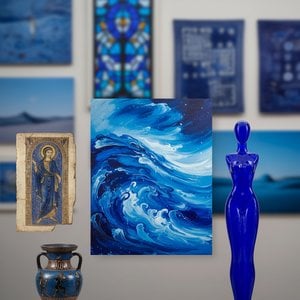
The Allure of Azure: Exploring the Symbolic & Aesthetic Depths of Blue in Art History
Explore the rich history of blue in art! Discover its symbolism, from ancient pigments to modern masterpieces by Kandinsky & Seurat. Uncover the psychological impact and cultural meanings behind this captivating hue.

Geometrijska Apstrakcija: 10 Remek-djela Koja Su Promijenila Umjetnost | ArtsDot
Istražite 10 remek-djela geometrijske apstrakcije! Otkrijte priče Kandinskog, Mondriana i drugih majstora. Inspirirajte se za svoj interijer s vrhunskim reprodukcijama slika na ArtsDot.com

Desetak Remek-djela koja su Definirala Apstraktni Ekspresionizam: Uljane Slike i Moderna Dekoracija
Otkrijte 10 remek-djela koja su definirala apstraktni ekspresionizam! Jackson Pollock, Mark Rothko i drugi majstori uljane umjetnosti. Ispričajte priču svojim zidovima uz ArtsDot - vrhunske reprodukcije za vaš dom.