
- Početna stranica

- Reprodukcija uljane slike
- Tomislav Kole
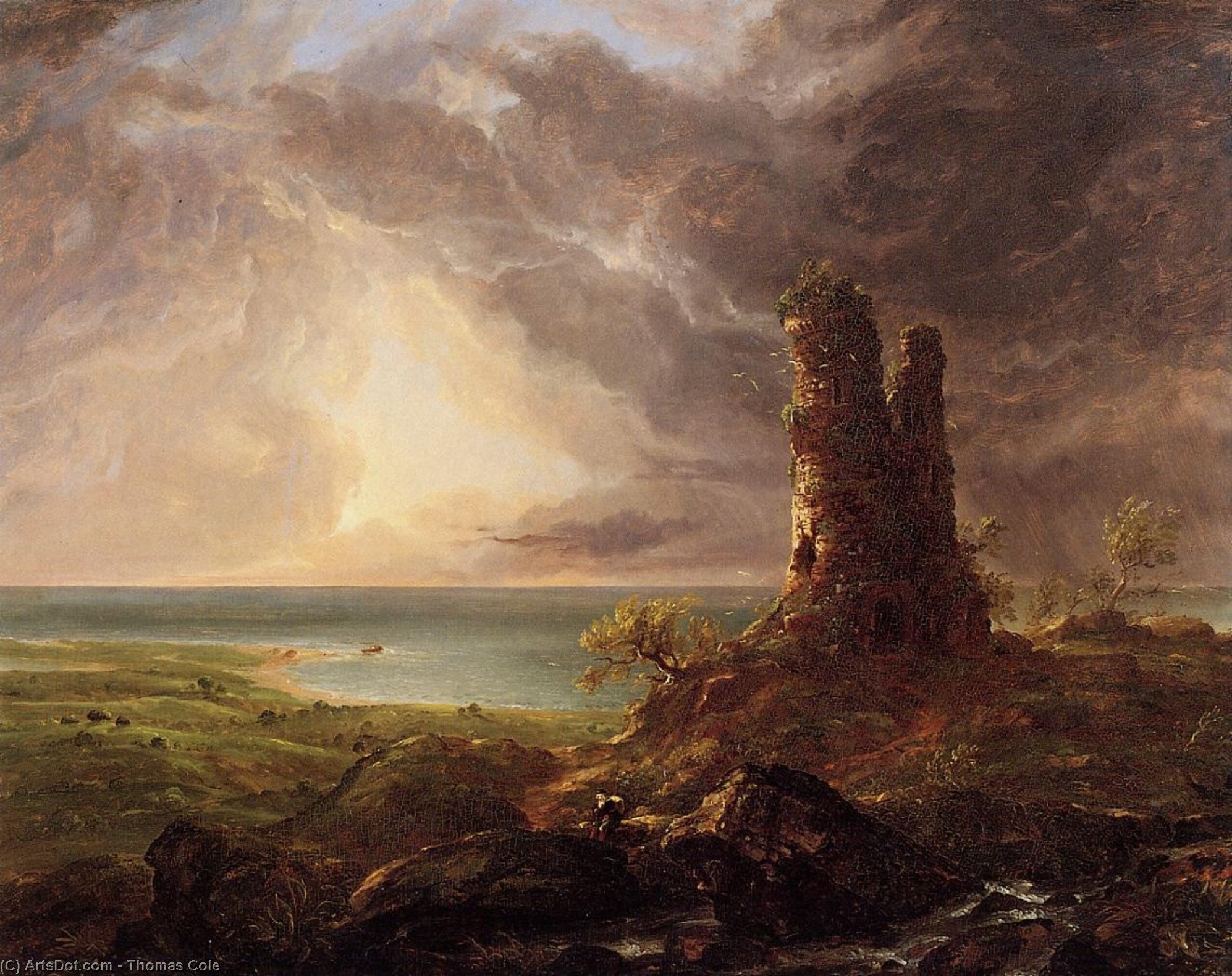
- Romantic Landscape with Ruined Tower
 Kupi otisak Kupi digitalnu sliku
 Pošalji
 Podijeli
 Details
 Dodaj u omiljene

 Preuzmi
 Slični predmeti
 X-Ray
X-Ray
 Automatska prezentacija
Romantic Landscape with Ruined Tower


Ručno rađena uljana reprodukcija
Ručno oslikano uljanim bojama na platnu u dimenzijama i okviru po vašem izboru, izrađeno po narudžbi od strane naših umjetnika.




P118B $10

P118H $10

P118W $10

P438Z $10

P508JH $12

P508YH $12

P805H $10

P805Z $10

P919BZ $10

P919G $10

P919XJ $10

P959ZH $10

P968JZ $12

W106C $8

W218G $10

W218JH $8

W218Y $10

W307PJ $10

W316G $10

W316PJ $8

W316Y $10

W398PJ $8

W4111J $10

W500HY $15

W500JH $15

W692G $12

W849H $8

W940BG $15

W953PJ $8




 Pročitajte više
Odaberite jednu od naših unaprijed definiranih veličina koje odgovaraju izvornim proporcijama umjetničkog djela.

Možete unijeti vlastite dimenzije kako bi odgovarale određenom okviru ili prostoru. Ako odabrana veličina ne odgovara proporcijama izvorne slike, izrezat ćemo umjetničko djelo ili proširiti sliku dodatnim ručno oslikanim elementima. Digitalni nacrt bit će vam poslan na odobrenje prije početka proizvodnje.
Imajte na umu da pregled na ekranu ne prikazuje stvarno izrezivanje ili proširivanje. Samo će nacrt točno prikazati konačni sastav.
Iako su dostupne prilagođene veličine, preporučujemo odabir dimenzije s preddefiniranog popisa kako bismo očuvali izvorne proporcije.
Nakon narudžbe, tim ArtsDot.com kontaktirat će klijenta putem e-pošte radi dobivanja uputa te dostaviti probni prikaz (mockup).
Isporuka širom svijeta () u roku od 3-4 tjedna umjesto standardnih 5 tjedana. (1 Srpanj). Bez kompromisa u kvaliteti.

Besplatna ekspresna dostava širom svijeta

Visokokvalitetno laneno platno

Potpuno osiguranje dostave

Jamstvo povrata carine i uvoznih poreza

Garancija vjernog podudaranja boja

Politika povrata u roku od 60 dana (samo u slučaju nedostataka)

Jamstvo povrata 100% novca

Popust na više proizvoda
 Opcija stakla dostupna je samo za dimenzije manje od 110 cm

Romantic Landscape with Ruined Tower
Tehnika reprodukcije
Veličina reprodukcije
-


Ukupna cijena
-
Opis umjetničkog djela
Romantic Landscape with Ruined Tower: A Vision of American Identity
- Thomas Cole’s “Romantic Landscape with Ruined Tower,” painted in 1836, is more than just a depiction of a serene vista; it's a foundational statement of American artistic identity. Created during the height of the Hudson River School movement, this oil painting embodies the Romantic sensibility – a profound connection to nature and an exploration of human experience within its grandeur. Cole, considered the founder of this influential school, sought not merely to record the beauty of the American wilderness but to imbue it with spiritual significance, reflecting the nation’s burgeoning sense of self.
- The scene itself is powerfully evocative. A crumbling tower, a poignant symbol of decay and lost grandeur, dominates the center, while a vast field stretches towards a body of water under a dramatically stormy sky. The inclusion of figures – engaged in quiet contemplation or simply absorbing the landscape’s majesty – adds a layer of human scale to this monumental scene, inviting the viewer to consider their own place within nature's order.
Masterful Technique and Atmospheric Depth
- Cole’s technical skill is immediately apparent in his masterful use of light and color. The stormy sky isn't simply a backdrop; it’s a dynamic force, casting dramatic shadows across the landscape and creating a palpable sense of atmosphere. His brushstrokes are loose yet confident, skillfully layering colors to achieve remarkable depth and realism – a hallmark of the Hudson River School’s approach.
- The artist’s attention to detail is equally impressive. From the textures of the weathered stone in the ruined tower to the subtle reflections on the water's surface, every element contributes to the painting’s immersive quality. This meticulous rendering wasn’t about photographic accuracy; it was about capturing the *feeling* of a place – its power, its beauty, and its inherent mystery.
Symbolism and Historical Context
- “Romantic Landscape with Ruined Tower” is rich in symbolism. The ruined tower itself represents the decline of empires and the transience of human ambition, a theme frequently explored by Romantic artists. The vastness of the landscape speaks to America’s boundless potential, while the figures suggest humanity's relationship with nature – a blend of awe, respect, and perhaps even vulnerability.
- Painted in 1836, this work reflects a pivotal moment in American history. The nation was grappling with questions of identity, expansion, and its place in the world. Cole’s landscapes offered a powerful visual narrative, reinforcing the idea that America's strength lay not in European traditions but in its own unique wilderness – a source of spiritual renewal and national pride.
Owning a Piece of American Art History
- Handmade oil painting reproductions of “Romantic Landscape with Ruined Tower” offer art enthusiasts the opportunity to bring this iconic work into their homes or offices. Each reproduction is meticulously crafted using traditional techniques, ensuring that it captures the essence and emotional impact of Cole’s original masterpiece.
- More than just a decorative object, this reproduction represents a connection to American artistic heritage – a testament to Thomas Cole's vision and his enduring legacy as the founder of the Hudson River School. It is an investment in beauty, history, and the power of art to inspire awe and wonder.
Srodna umjetnička djela


Biografija umjetnika
A Pioneer of American Landscape Painting
Thomas Cole, a name synonymous with the birth of distinctly American art, stands as a pivotal figure in 19th-century painting. Born in Bolton le Moors, Lancashire, England, in 1801, his early life offered little indication of the profound impact he would have on the artistic landscape. Emigrating to the United States with his family in 1818 and settling in Ohio, Cole’s journey was one of self-discovery and artistic awakening. Initially working as an itinerant portrait painter—a common trade at the time—he soon found himself captivated by the untamed beauty of the American wilderness. This shift wasn't merely a change in subject matter; it represented a fundamental divergence from European artistic traditions, which often prioritized historical or mythological narratives. Cole’s landscapes weren’t simply depictions of scenery; they were imbued with a spiritual and allegorical depth that resonated deeply with a nation forging its own identity. His move to Catskill, New York, in 1825 proved transformative, providing him with both inspiration and a permanent base from which to explore the surrounding Hudson River Valley—a region destined to become inextricably linked with his artistic legacy.The Hudson River School and Romantic Ideals
Cole is rightfully regarded as the founder of the Hudson River School, an art movement characterized by its romantic portrayal of the American landscape. However, labeling him solely a “landscape painter” feels inadequate. His work transcended mere representation; it was profoundly philosophical, frequently delving into themes of humanity’s relationship with nature, the passage of time, and the rise and fall of civilizations. Influenced by European Romanticism—particularly the works of Claude Lorrain and J.M.W. Turner—Cole adapted these sensibilities to an American context. Where European Romantics often depicted dramatic, sublime landscapes as reflections of inner turmoil, Cole’s paintings frequently conveyed a sense of optimism and divine presence within the natural world. He perceived in the vastness of the American wilderness a symbol of national potential and spiritual renewal. The Oxbow (1836), arguably his most iconic work, exemplifies this perfectly—a sweeping vista that contrasts the wild, untamed river valley with the cultivated farmlands, representing both the promise and the challenges of westward expansion. The painting’s meticulous detail and masterful composition captured the essence of Romantic idealism, demonstrating Cole's ability to translate European artistic conventions into a uniquely American idiom.Allegory and The Course of Empire
Beyond his realistic depictions of nature, Cole possessed an ambitious artistic vision that extended far beyond mere landscape representation. He frequently employed allegory to convey complex moral and philosophical ideas—a technique honed by his meticulous study of classical art and literature. This is most powerfully demonstrated in his monumental series The Course of Empire, initiated between 1833 and 1836. Comprising five canvases—"Savage State," "Pastoral State," "Arcadian State," "Consummation," and “Destruction”—the series chronicles the cyclical history of a civilization from its primordial origins to its inevitable decline. The paintings aren’t merely historical narratives; they serve as cautionary tales about the perils of unchecked ambition and the fragility of human achievement. Cole's masterful use of color, light, and composition—drawing inspiration from Turner’s dramatic landscapes—created an immersive experience for viewers that mirrored the grandeur and terror of history itself. The series cemented Cole’s reputation as a visionary artist capable of addressing profound societal concerns through his art.Notable Works and Artistic Technique
Cole's oeuvre encompasses numerous celebrated paintings, each reflecting his distinctive artistic style and intellectual engagement. Among his most enduring masterpieces are The Oxbow—a breathtaking panorama capturing the Hudson River Valley’s contrasting landscapes—and A View from Mount Etna—a dramatic depiction of volcanic eruption imbued with symbolic significance. His meticulous observation of nature—combined with a profound understanding of artistic principles—characterized his technique. Cole employed atmospheric perspective to convey depth and realism, skillfully blending color palettes to evoke mood and emotion. He meticulously rendered textures and surfaces, demonstrating an unparalleled level of technical virtuosity that established him as one of the foremost landscape artists of his era.Legacy and Enduring Influence
Thomas Cole’s untimely death in 1848 at the age of 47 marked a significant loss for the American art world. However, his influence persisted throughout subsequent generations of artists—most notably Frederic Edwin Church, whom he mentored and who would become one of the leading figures of the second generation of Hudson River School painters. Cole’s unwavering commitment to capturing the sublime beauty of America—coupled with his philosophical exploration of human existence—laid the groundwork for a distinctly American artistic tradition that continues to inspire artists today. His paintings remain treasured symbols of national identity and spiritual aspiration, prompting viewers to contemplate their own connection to the natural world and the enduring questions about humanity’s role in shaping history. Cole's legacy extends beyond painting; he championed the importance of scientific observation alongside artistic creativity—a conviction that solidified his position as a pioneer of American art and culture.
Tomislav Kole
1801 - 1848 , Ujedinjeno Kraljevstvo
Osnovne informacije
- Artistic Movement Or Style: Hudson River School
- Artists Who Influenced This Artist:
- Frederic Church
- Asher Durand
- Date Of Birth: Feb 1, 1801
- Date Of Death: Feb 11, 1848
- Full Name: Thomas Cole
- Nationality: Američki
- Notable Artworks:
- The Oxbow
- Course of Empire
- Voyage of Life
- Place Of Birth: Bolton, UK
Srodni članci

The Sublime Landscape: Exploring the Hudson River School Movement
Explore the captivating world of the Hudson River School! Discover the history, artists, and defining characteristics of this iconic American art movement. Learn about Romanticism's influence & find inspiration for your collection.

David Johnson: A Luminist Master of the Hudson River School & Beyond
Explore the captivating landscapes of David Johnson, a key figure in the Hudson River School & Luminism movement. Discover his artistic evolution, legacy, and how to collect his works with ArtsDot.

The Sublime and the Picturesque: Exploring Emotion & Nature in Romantic Landscape Painting
Explore the emotional power of Romantic landscape painting! Discover the sublime & picturesque traditions, key artists like Friedrich & Cole, and find your perfect artwork at ArtsDot.

Desetak Remek-djela Koja Su Definirala Pokret Hudson River School
Otkrijte 10 remek-djela Hudson River škole – Thomas Cole, Frederic Church i više! Uronite u američku pejzažnu umjetnost 19. stoljeća. Inspirirajte se klasičnim slikama i pronađite savršenu reprodukciju za svoj dom na ArtsDot.com!

Evoking Emotion & Transcendence: Romantic Landscape Painting (18th-19th Century)
Explore the emotional depth of Romantic landscape painting (18th-19th century). Discover key artists like Friedrich & Cole, and the concepts of the sublime. Expert insights for art lovers & collectors.



