

 Pregledaj u realnoj veličini
 Pošalji
 Podijeli
 Detalji o umjetničkom djelu
 Vodič
Vodič

 Preuzmi umjetničko djelo
 Slični predmeti
 Rentgenska snimka
 Slide show
 Pitanja i odgovori
 Statistika
Prometheus Bound

- 243.0 x 162.0 cm


 Prikaži više
Giclée / Umjetnički otisak
Giclée tisak muzejske kvalitete ili otisak na platnu uz brzu izradu i raznolike opcije završne obrade. ( Kupi ručno oslikano djelo Prebacite na digitalnu sliku)




P118B €10

P118H €10

P118W €10

P438Z €10

P508JH €12

P508YH €12

P805H €10

P805Z €10

P919BZ €10

P919G €10

P919XJ €10

P959ZH €10

P968JZ €12

W106C €8

W218G €10

W218JH €8

W218Y €10

W307PJ €10

W316G €10

W316PJ €8

W316Y €10

W398PJ €8

W4111J €10

W500HY €15

W500JH €15

W692G €12

W849H €8

W940BG €15

W953PJ €8




Odaberite jednu od naših unaprijed definiranih veličina koje odgovaraju izvornim proporcijama umjetničkog djela.

Unesite potrebnu širinu i visinu kako bi odgovarali vašem okviru ili zidu. Print se može samo izrezati, nikada ne može biti veći od slike, stoga format s drugačijim omjerom stranica uzrokuje gubitak dijela slike. Prije bilo kakve štampe šaljemo vam digitalni prikaz (mockup) na odobrenje. Slika prikazana na ovoj stranici ne prikazuje stvarni rez — to prikazuje isključivo digitalni prikaz.
Dostava širom svijeta () u roku od 2 tjedna umjesto standardnih 4/5 tjedana. (19 Studeni)

Besplatna ekspresna dostava širom svijeta

Visokokvalitetno laneno platno

Potpuno osiguranje dostave

Jamstvo povrata carine i uvoznih poreza

Jamstvo vjernosti boja

Politika povrata u roku od 100 dana (samo u slučaju nedostataka)

Jamstvo povrata 100% novca

Popust na više proizvoda
 Opcija stakla dostupna je samo za dimenzije manje od 110 cm

Prometheus Bound
Giclée / Umjetnički otisak
Veličina reprodukcije
-


Ukupna cijena
€ 56
The Weight of Myth: Thomas Cole’s “Prometheus Bound”
Thomas Cole's "Prometheus Bound," painted in 1847, isn’t merely a landscape; it’s a profound meditation on defiance, punishment, and the enduring human spirit. This monumental canvas, now residing within the Fine Arts Museums of San Francisco, transcends its subject matter to become a powerful allegory for the struggles inherent in challenging authority and forging one's own destiny. Cole, a pivotal figure in the Hudson River School movement, masterfully blends Romanticism with an underlying moral urgency, creating an image that continues to resonate deeply with viewers today.
The scene depicts Prometheus, chained to a towering rock formation amidst a desolate, snow-laden mountainscape. The composition is strikingly dramatic – a vast expanse of jagged peaks dominates the background, dwarfing the solitary figure of the Titan and emphasizing his isolation and vulnerability. A vulture circles overhead, a constant reminder of Zeus’s relentless retribution, while a subtle hint of Jupiter, the Roman equivalent of Zeus, watches from above, embodying the cold indifference of divine power. Cole's use of light is particularly masterful; a diffused, almost ethereal glow illuminates the scene, casting long shadows and creating an atmosphere of both grandeur and despair. The color palette—primarily cool blues, grays, and whites—reinforces this sense of bleakness, punctuated by the fiery red underpaint used to render the snow-covered mountains – a deliberate choice that subtly hints at Prometheus’s stolen fire.
A Myth Made Manifest: Exploring the Narrative
The painting draws directly from Aeschylus's Greek tragedy, “Prometheus Bound,” a story of rebellion against the gods. Prometheus, in this narrative, is not simply a titan but a symbol of humanity’s relentless pursuit of knowledge and progress. He steals fire from Mount Olympus, gifting it to mankind – an act of defiance that ultimately earns him eternal torment at the hands of Zeus. Cole doesn't shy away from the brutality of the punishment; the stark depiction of Prometheus’s chains and the looming threat of the vulture vividly convey the weight of his transgression. However, within this scene of suffering, there is also a palpable sense of resilience. Prometheus’s gaze, fixed upon the viewer, exudes an almost defiant serenity—a refusal to succumb to despair.
The inclusion of the chorus, comprised of figures emerging from the depths of the mountains, adds another layer of complexity to the narrative. They represent the forces of nature, witnesses to Prometheus's plight, and perhaps even a subtle acknowledgment of his heroic struggle. Their hesitant approach, marked by curiosity and apprehension, suggests that even those seemingly untouched by divine wrath recognize the significance of Prometheus’s actions.
The Hudson River School: A New American Vision
“Prometheus Bound” is a quintessential example of the Hudson River School's artistic philosophy. Unlike earlier European landscape paintings that often focused on idyllic pastoral scenes, Cole sought to capture the raw power and sublime beauty of the American wilderness. He employed a technique known as “atmospheric perspective,” subtly blurring distant elements to create a sense of depth and vastness. This approach wasn’t simply about replicating reality; it was about conveying an emotional response—a feeling of awe and reverence for nature's grandeur.
Cole’s work also reflects the burgeoning American identity of the mid-19th century, grappling with themes of independence, self-reliance, and the relationship between humanity and the natural world. The painting can be interpreted as a metaphor for America’s own struggle to assert its sovereignty against established powers – a sentiment particularly relevant in the context of westward expansion and the nation's growing tensions with European empires.
A Timeless Masterpiece: Reproduction & Beyond
Reproductions of “Prometheus Bound” offer an exceptional opportunity to bring this powerful image into any setting. The meticulous detail, evocative atmosphere, and profound symbolism ensure that a high-quality reproduction will serve as both a beautiful work of art and a compelling conversation piece. Consider framing the artwork in a manner that complements its dramatic scale and reinforces its thematic resonance – perhaps within a contemporary interior space to juxtapose the ancient myth with modern life.
For those seeking an authentic experience, exploring the original painting at the Fine Arts Museums of San Francisco is highly recommended. It’s a truly immersive encounter with one of America's most significant artistic achievements—a testament to Thomas Cole’s genius and a timeless exploration of human courage in the face of overwhelming adversity.
Pitanja i odgovori
Gdje mogu preuzeti "Prometheus Bound" autora Thomas Cole?
Preuzimanje je dostupno za "Prometheus Bound": na stranici Preuzimanje digitalne slike ovog umjetninog djela možete pronaći preuzimanje digitalne slike visoke rezolucije.
Koliko je godina Thomas Cole imao/la kada je stvorio/la "Prometheus Bound"?
Kada je "Prometheus Bound" nastalo 1847. godine, Thomas Cole – rođen/a 1801. – imao/la je 46 godina.
Koja je tehnika i dimenzija originalnog djela "Prometheus Bound" autora Thomas Cole?
"Prometheus Bound" je izvedeno u tehnici Oil i u svom izvornom obliku ima dimenzije 243 x 162 cm.
Srodna umjetnička djela


Biografija umjetnika
Život i umjetnost Thomasa Colea
Rođen 1. veljače 1801. godine u Bolton le Moorsu, u Lancashireu, Engleska, Thomas Cole započeo je svoj život daleko od onih pejzaža koji će mu kasnije donijeti vječnu slavu. Njegova obitelj emigrirala je u Sjedinjene Amerike 1818. godine, tražeći novi početak u zemlji prostranih, neistraženih teritorija. U tim ranim godinama, bio je čovjek mnogih zanimanja; radio je kao gravir, a kasnije, od 1822. godine, pronašao je stabilan posao kao slikar portreta. Bio je prilično samouki umjetnik, razvijajući svoje oko kroz neprestano promatranje i proučavanje knjiga, umjesto kroz formalno akademsko obrazovanje. Ta mu je neovisnost duha omogućila da američku divljinu promatra kroz potpuno vlastiti, jedinstveni prizmu.
Njegov se fokus s vremenom pomaknuo s lica pojedinaca na veličanstvenu razinu prirodnog svijeta. Osnivanjem škole Hudson River School, pružio je vizualni jezik naciji koja je još uvijek tražila svoj identitet. Njegovo djelo često je nastojalo pronaći duhovni odjek unutar neukroćenih šuma i planina, udaljavajući se od strukturiranih europskih tradicija. Živio je život ispunjen neprestanim promatranjem, pronalazeći duboko značenje u igri svjetlosti i sjene koja se prelijeva preko dolina Novog svijeta. Ta predanost pejzažu trajala je sve do njegove smrti 11. veljače 1848. godine u Catskillu, New York.
Boravak u Catskillu i New Yorku
Nakon razdoblja života u Philadelphiji, Thomas Cole preselio se u Catskill, New York, 1825. godine. To je preseljenje postalo ključno okruženje koje će definirati njegov život i kreativni izlaz. Do 1827. godine uspostavio je trajno studijo u Cedar Groveu, farmi u Catskillu koja služila kao mjesto boravka i radni prostor. Upravo je unutar tog pejzaža on prešao iz svoje rane fazbe portretista u usredotočeno proučavanje američke divljine.
Njegov privatni život u Catskillu obilježila je značajna zajednica 1836. godine, kada se oženio Mariom Bartow. To razdoblje stabilnosti podudaralo se s njegovim najproduktivnijim godinama, dok je iz svog studija pokušavao prenijeti okolnu topografiju na svoja velika platna. Okruženje doline rijeke Hudson nije bilo samo pozadina njegovim motivima, već stalno prisustvo u njegovoj svakodnevnoj egzistenciji.
Kraj njegovog života došao je jednako naglo kao i sezonske promjene koje je tako često slikao. Thomas Cole preminuo je u Catskillu 11. veljače 1848., nakon borbe s pleuralgijom. Za sobom je ostavio djelo duboko ukorijenjeno u zemlji i svjetlu regije u kojoj je proveo svoje najformativnije desetljeće.
Tehnika i umjetnički stil
Thomas Cole je primarno stvarao uljanim bojama na platnu, medijem koji mu je omogućio da stekne ugled i kao slikar romantičnih pejzaža i kao autor povijesnih slika. Njegov pristup često je uključivao postavljanje malih figura ili usamljenih objekata unutar nastrojenih, prostranih prirodnih krajolika. Te kompozicije rijetko su bile puke prikaze scenery; često su bile alegorijske, koristeći fizički svijet kako bi sugerirale dublja moralna ili duhovna značenja. Posjedovao je iznimnu sposobnost izražavanja tekstura američke divljine, često koristeći igru svjetla i sjene kako bi stvorio snažan osjećaj atmosfere i dubine.
Njegova estetika često je doživljavala kao konzervativna, odražavajući određeni otpor brzim promjenama njegovog doba. Kroz svoje poteze četicom, nudio je tihu kritiku suvremenih trendova industrializma, urbanizma i neumoljivog širenja prema zapadu. Radije je prikazivao Novi svijet kao netaknut, prirodni eden, što je bilo oštro suprotstavljeno dimovima ispunjenim gradskim pejzažima Britanije doba industrijske revolucije u kojoj je odrastao. Ta preferencija prema neukroćenom prirodi u usporedbi s izgrađenim okruženjem dala je njegovim djelima prepoznatljiv, često eskapistički karakter.
- The Oxbow (oko 1836.)
- The Voyage of Life: Childhood (1842.)
- The Voyage of Life: Manhood (1842.)
- The Voyage of Life: Old Age (1842.)
- Prometheus Bound (1847.)
Ključna djela i značajni ciklusi
Coleovo rano stvaralaštvo otkrilo je rastuću fascinaciju sirovom snagom američkog krajolika. Godine 1826. proizveo je Kaaterskill Falls, djelo koje je uhvatilo vertikalnu energiju divljine. Kako su se njegove ambicije širile, on je prešao prema složenijim kompozicijama. Oko 1833. godine naslikao je The Titan's Goblet, a do 1836. godine dovršio je The Oxbow, sliku koja je suprotstavila neukroćenu riječnu dolinu napadajućem prisustvu obrađivane poljoprivredne zemlje. Ta napetost između divljine i civiliziranog prostora postala je ponavljajući motiv u njegovom vizualnom jeziku.
Njegov najambiciozniji poduhvat bio je peterosni ciklus The Course of Empire, dovršen 1836. godine. Kroz ta platna, on je pratio ciklični uspon i pad civilizacija, od netaknutog stanja do neizbježne destrukcije. To interesiranje za prolaznost vremena i ljudsku sudbinu nastavilo se i u njegovim kasnijim godinama. Godine 1842. naslikao je The Voyage of Life, alegorijski niz koji prikazuje faze ljudskog postojanja. Njegove posljednje godine obilježila je promjena prema još dubljim, često religioznim ili mitološkim temama. To je jasno vidljivo u djelu The Architect's Dream, naslikanom oko 1840., te u djelu Prometheus Bound iz 1847., monumentalnom radu temeljnom na grčkoj tragediji. Čak je i njegovo djelo iz 1845. godine, The Hunter, odražavalo tu sposobnost postavljanja ljudskih figura unutar prostrane, suncem okupane doline.
- Kaaterskill Falls (1826)
- The Oxbow (1836)
- The Course of Empire (1836)
- The Voyage of Life (1842)
- The Hunter (1845)
- Prometheus Bound (1847)
Krug, rivali i učenici
Coleov život bio je usidren u mreži bliskih veza koje su se protezale od njegove neposredne obitelji do najobećavajnijih talenata svog doba. Njegova sestra, Sarah Cole, dijelila je njegovu sklonost prema pejzažu, uspjevši se iz себя izdvojiti kao umjetica koja je ostavila vlastiti trag. Unutar njegovog vlastitog doma, umjetnički impuls bio je zajednički jezik; njegova kći, Emily Cole, krenula je različitim, ali srodnim putem, radeći kao botanička umjetica akvarelima i primjenjujući svoje vještine na osjetljivo medijum porculana.
Njegov profesionalni utjecaj najizravnije se osjetio kroz mentorstvo Frederica Edwina Churcha. Vođevši Churcha, Cole je osigurao da će se principi Hudson River škole pronaći svog moćnog nasljednika. Ta je linija neprestano bila stvar ne samo tehnike, već i prenošenja specifičnog načina gledanja na američku divljinu. Osim svojih formalnih učenika, Cole je održavao duboko i trajno prijateljstvo s Danielom Wadsworthom, što je bila poveznica koja je pružala stabilnu prisutnost usred njegovog plodnog stvaralačkog rada.
Naslijeđe i trajni utjecaj
Odlazak Thomasa Colea 1848. godine ostavio je prazninu u američkom pejzažu koju su mnogi pokušavali popuniti desetljećima. Kao osnivač Hudson River škole, on je pružio prvi značajni vizualni rječnik naciji koja je nastojala definirati sebe kroz vlastito tlo i nebo. Njegovo djelo previdjelo je puku dokumentaciju krajolika, uspostavivši vizualni jezik koji je sljedećim generacijama slikara omogućio istraživanje duhovnih i moralnih dimenzija divljine. Taj je pomak pomogao transformirati američku umjetnost iz provincijskog oponašanja europskih tradicija u izrazitu i moćnu silu.
Njegov utjecaj protezao se daleko izvan neposrednog kruga njegovih suvremenika. Poučavajući važnosti izravnog promatranja uparenog s dubokim filozofskim istraživanjem, oblikovao je smjer američkog pejzažnog slikarstva tijekom većeg dijela devetnaestog stoljeća. Njegova sposobnost tkanja alegorije u prirodni svijet osigurala je da se njegov utjecaj osjeti ne samo u estetici poteza četkicom, već i u samom načinu na koji je javnost doživljavala američku divljinu. On ostaje temelj američkog umjetničkog postignuća, figura čija se prisutnost osjeća u kontinuiranoj proučivanju odnosa između čovječanstva i neukroćenog okruženja.
- The Voyage of Life (1842)
- The Course of Empire (završeno 1836.)
- The Oxbow (oko 1836.)
- Prometheus Bound (1847.)
Gdje danas vidjeti njegova djela
Kako biste susreli fizičke tragove njegove vizije, potrebno je otputovati u glavna čvorišta američke umjetnosti. Metropolitan Museum of Art u New Yorku čuva značajna djela njegovog opusa, uključujući njegovu studiju za "San o Arkadiji". U Washingtonu D.C., National Gallery of Art čuva nekoliko njegovih važnih platana, kao što su "Putovanje života: Djetinjstvo", "Putovanje života: Zrelost" i "Putovanje života: Starost". Ova djela omogućuju izravno proučavanje njegovog pristupa ljudskom iskustvu kroz prizmu prirodnog pejzaža.
Museum of Fine Arts u Bostonu također održava kolekciju njegovih slika, nudeći dodatni uvid u njegov umjetnički razvoj. Za one koji traže poveznica s njegovim osobnim okruženjem, Nacionalno povijesno mjesto Thomasa Colea u Catskillu, New York, čuva stvarni dom i studio u kojem je živio i stvaralao. Ovo mjesto, poznato kao Cedar Grove, pruža rijedak uvid u kućne i kreativne prostore koji su oblikovali njegov život i njegova promatranja doline rijeke Hudson.
- The Titan's Goblet (1833)
- The Architect (1840)
- The Hunter (1845)
- Prometheus Bound (1847)

Thomas Cole
1801 - 1848 , Ujedinjeno Kraljevstvo
Osnovne informacije
- Artistic Movement Or Style: Hudson River škola
- Artists Or Movements Influenced By This Artist:
- Frederic Edwin Church
- Hudson River škola
- Artists Who Influenced This Artist:
- Claude Lorrain
- J.M.W. Turner
- Date Of Birth: 1801
- Date Of Death: 1848
- Full Name: Thomas Cole
- Nationality: Anglo-američka
- Notable Artworks:
- The Oxbow
- The Course of Empire
- The Voyage of Life
- Prometheus Bound
- Place Of Birth: Bolton, United Kingdom
Srodni članci

Echoes of Olympus: Mythological Narratives in Western Art Through the Ages
Explore the captivating history of mythological narratives in Western art! From ancient Greece to modern masterpieces, discover iconic artworks & symbolism. Expert analysis and high-quality reproductions at ArtsDot.

Embodying the Polis: Civic Virtue as Subject & Symbol in Western Art
Explore the fascinating history of civic virtue in Western art! From ancient Greece to the French Revolution, discover how artists depicted ideals of citizenship, duty & republicanism. Expert analysis at ArtsDot.
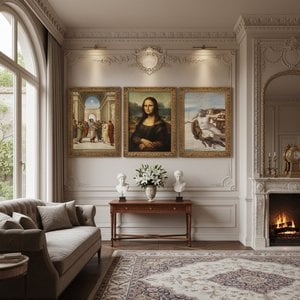
Deset Remek-djela Visoke Renesanse: Umijeće i Ukras za Vaš Dom
Otkrijte 10 remek-djela Visoke Renesanse! Leonardo, Michelangelo, Rafael i drugi majstori oblikovali su umjetnost. Istražite priče iza ikoničnih slika i inspirirajte svoj dom. Kvalitetne reprodukcije na ArtsDot.com – otkrijte cijelu kolekciju online!

Wilderness and Wonder: An Exploration of the Sublime in American Romantic Landscape Painting
Explore the power of the sublime through Thomas Cole and the Hudson River School. Discover the majesty of American Romantic landscapes now.

Beyond Imitation: The Cultural Resonance of Fine Art Reproduction & Discerning Collectors
Explore the cultural significance of fine art reproduction & its appeal to discerning collectors. Discover how reproductions enhance aesthetics, build collections, and signal status. Expert insights & museum-quality artistry.


