

 Pregledaj u realnoj veličini
 Pošalji
 Podijeli
 Detalji o umjetničkom djelu
 Vodič
Vodič

 Preuzmi umjetničko djelo
 Slični predmeti
 Rentgenska snimka
 Slide show
 Pitanja i odgovori
 Statistika
Cane

 Prikaži više
Djelo prikazano na ovoj stranici zaštićeno je autorskim pravima, što znači da zakonski ne možemo izraditi niti prodati identičnu reprodukciju. Ova se zaštita provodi u skladu s međunarodnim sporazumima kao što su Bernska konvencija i nacionalnim zakonima, uključujući i one koji su utvrđeni u Američki zakon o autorskom pravu – Title 17.
Ova metoda u potpunosti je usklađena s autorskim pravima jer ne uključuje kopiranje ili dupliciranje zaštićenih umjetničkih djela. Umjesto toga, riječ je o kreativnoj reinterpretaciji – novoj slici koja je dobila utjecaj na izvornik, ali nije identična njemu.
Giclée / Umjetnički otisak
Giclée tisak muzejske kvalitete ili otisak na platnu uz brzu izradu i raznolike opcije završne obrade. ( Kupi ručno oslikano djelo Prebacite na digitalnu sliku)




































Odaberite jednu od naših unaprijed definiranih veličina koje odgovaraju izvornim proporcijama umjetničkog djela.

Unesite potrebnu širinu i visinu kako bi odgovarali vašem okviru ili zidu. Print se može samo izrezati, nikada ne može biti veći od slike, stoga format s drugačijim omjerom stranica uzrokuje gubitak dijela slike. Prije bilo kakve štampe šaljemo vam digitalni prikaz (mockup) na odobrenje. Slika prikazana na ovoj stranici ne prikazuje stvarni rez — to prikazuje isključivo digitalni prikaz.
Dostava širom svijeta () u roku od 2 tjedna umjesto standardnih 4/5 tjedana. (9 Studeni)

Besplatna ekspresna dostava širom svijeta

Visokokvalitetno laneno platno

Potpuno osiguranje dostave

Jamstvo povrata carine i uvoznih poreza

Jamstvo vjernosti boja

Politika povrata u roku od 100 dana (samo u slučaju nedostataka)

Jamstvo povrata 100% novca

Popust na više proizvoda
 Opcija stakla dostupna je samo za dimenzije manje od 110 cm

Cane
Giclée / Umjetnički otisak
Veličina reprodukcije
-


Ukupna cijena
€ 56
Srodna umjetnička djela


Biografija umjetnika
The Tang Dynasty: A Crucible of Artistic Innovation
The Tang dynasty (618–907) stands as an unparalleled epoch in Chinese history and artistic achievement, a period characterized by political stability, economic prosperity, and a fervent embrace of cosmopolitan culture. Emerging from the fragmented aftermath of the Sui dynasty’s collapse—a testament to resilience amidst turmoil—the Tang emperors ushered in an era that profoundly shaped the trajectory of Chinese art, literature, and philosophy for centuries to come. This golden age witnessed unprecedented artistic experimentation, fueled by royal patronage and facilitated by burgeoning trade routes connecting China with Persia, India, and Central Asia, resulting in a breathtaking synthesis of styles and techniques.- Political Landscape: The reign of Emperor Taizong (626–649) marked the dynasty’s formative years, consolidating power through military conquest and establishing centralized administrative structures that prioritized meritocracy—a revolutionary concept for its time—over hereditary privilege. This commitment to capable governance underpinned subsequent imperial policies aimed at fostering economic growth and promoting cultural flourishing.
- Economic Boom: Silk production soared during the Tang period, driven by expanding trade networks and fueled by innovations in weaving technology. Agricultural productivity increased thanks to advancements in irrigation and fertilization methods, bolstering the nation’s food supply and supporting a burgeoning urban population. The prosperity of this era extended beyond mere material wealth; it fostered a vibrant intellectual environment where scholars debated philosophical ideas and artists pursued new creative horizons.
- Cultural Synthesis: Chang'an—the Tang capital—became a magnet for intellectuals, artisans, and envoys from across Eurasia, transforming into one of the world’s most cosmopolitan cities. Buddhist monasteries flourished, commissioning monumental sculptures and paintings that reflected Eastern Orthodox iconography. Nestorian Christianity gained adherents, establishing churches in major urban centers. Zoroastrianism also found converts among Tang elites, demonstrating the dynasty's openness to diverse religious traditions.
The Art of Landscape Painting: Capturing Sublime Beauty
Landscape painting reached its zenith during the Tang dynasty, achieving a level of sophistication and expressive power unmatched in preceding centuries. Artists sought to depict not merely scenic vistas but also profound spiritual truths—a reflection of Confucian ideals emphasizing harmony with nature and reverence for the cosmos. The stylistic innovations championed by masters like Wang Wei (699–759) revolutionized artistic practice. He pioneered a “mountain spirit” style, characterized by subtle tonal gradations and atmospheric perspective that conveyed an illusion of depth and luminosity. This technique—influenced by Buddhist cosmology—captured the grandeur of mountainous landscapes with breathtaking accuracy and imbued them with symbolic resonance.- Technique: Artists employed meticulous brushwork to render textures and contours, utilizing mineral pigments mixed with silk or paper glue to achieve remarkable color fidelity. The use of aerial perspective—a technique pioneered by Wang Wei—created a hazy atmosphere that softened outlines and enhanced the sense of distance.
- Symbolism: Landscape paintings conveyed complex philosophical ideas rooted in Confucianism and Buddhism. Mountains represented stability, permanence, and moral virtue; pine trees symbolized resilience and longevity; rocks embodied steadfastness and endurance. These motifs resonated deeply with viewers, conveying messages about spiritual enlightenment and ethical conduct.
- Notable Works: Wang Wei’s *Dwelling Among the Pines* exemplifies the mountain spirit style, capturing the serene beauty of a pine grove bathed in moonlight—a masterpiece that continues to inspire admiration for its masterful execution and profound symbolic significance.
Silk Painting: A Legacy of Elegance and Refinement
Silk painting emerged as another dominant artistic genre during the Tang dynasty, distinguished by its exquisite delicacy and luminous colors. Artists skillfully applied pigment onto silk fabric—a material imported from Central Asia—creating images that celebrated imperial grandeur and idealized beauty. The technique involved layering translucent glazes over opaque pigments to achieve a shimmering effect—a hallmark of Tang art that captivated audiences both domestically and abroad.- Materials: Silk fabric served as the substrate for paintings, providing an ideal surface for capturing subtle tonal variations and luminous colors. Pigments derived from minerals and plants were meticulously blended with silk glue to produce vibrant hues—often incorporating gold leaf—that enhanced the visual impact of the artwork.
- Style: Tang silk painters favored a refined aesthetic characterized by graceful compositions and meticulous detail. They employed techniques such as “wet-on-wet” painting—allowing pigments to blend seamlessly together—to create soft, diffused effects that conveyed an ethereal quality.
- Iconography: Silk paintings depicted mythological figures, floral motifs, and landscapes—often imbued with symbolic meaning—reflecting the prevailing cultural values of the Tang dynasty. Floral imagery—particularly peonies—represented prosperity and good fortune—a motif frequently employed in imperial portraits and ceremonial decorations.
Influence and Legacy
The artistic achievements of the Tang dynasty exerted a profound influence on subsequent Chinese art history, establishing standards for stylistic innovation and aesthetic excellence that endured for centuries. Landscape painting continued to inspire artists throughout the Song dynasty (960–1279), while silk painting retained its prestige as a medium for imperial commissions—a testament to its enduring beauty and artistic sophistication. Moreover, Tang artistic ideals—such as harmony with nature and reverence for tradition—shaped the broader cultural landscape of China—leaving an indelible mark on its intellectual heritage and artistic sensibilities. The legacy of Tang art persists today, serving as a source of inspiration for artists worldwide and reminding us of the transformative power of creativity and cultural exchange.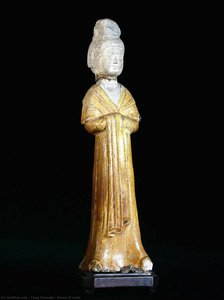
Tang Dynasty
China
Osnovne informacije
- Full Name: Tang Dynasty
- Nationality: Chinese
- Place Of Birth: China
- Notable Artworks: ['Crane Pine Rock Art']
- Artistic Movement Or Style: Landscape Painting