

 Pregledaj u realnoj veličini
 Pošalji
 Podijeli
 Detalji o umjetničkom djelu
 Vodič
Vodič

 Preuzmi umjetničko djelo
 Slični predmeti
 Rentgenska snimka
 Slide show
 Pitanja i odgovori
 Statistika
Chimneys

- 76.0 x 66.0 cm


 Prikaži više
Djelo prikazano na ovoj stranici zaštićeno je autorskim pravima, što znači da zakonski ne možemo izraditi niti prodati identičnu reprodukciju. Ova se zaštita provodi u skladu s međunarodnim sporazumima kao što su Bernska konvencija i nacionalnim zakonima, uključujući i one koji su utvrđeni u Američki zakon o autorskom pravu – Title 17.
Ova metoda u potpunosti je usklađena s autorskim pravima jer ne uključuje kopiranje ili dupliciranje zaštićenih umjetničkih djela. Umjesto toga, riječ je o kreativnoj reinterpretaciji – novoj slici koja je dobila utjecaj na izvornik, ali nije identična njemu.
Giclée / Umjetnički otisak
Giclée tisak muzejske kvalitete ili otisak na platnu uz brzu izradu i raznolike opcije završne obrade. ( Kupi ručno oslikano djelo Prebacite na digitalnu sliku)




P118B €10

P118H €10

P118W €10

P438Z €10

P508JH €12

P508YH €12

P805H €10

P805Z €10

P919BZ €10

P919G €10

P919XJ €10

P959ZH €10

P968JZ €12

W106C €8

W218G €10

W218JH €8

W218Y €10

W307PJ €10

W316G €10

W316PJ €8

W316Y €10

W398PJ €8

W4111J €10

W500HY €15

W500JH €15

W692G €12

W849H €8

W940BG €15

W953PJ €8




Odaberite jednu od naših unaprijed definiranih veličina koje odgovaraju izvornim proporcijama umjetničkog djela.

Unesite potrebnu širinu i visinu kako bi odgovarali vašem okviru ili zidu. Print se može samo izrezati, nikada ne može biti veći od slike, stoga format s drugačijim omjerom stranica uzrokuje gubitak dijela slike. Prije bilo kakve štampe šaljemo vam digitalni prikaz (mockup) na odobrenje. Slika prikazana na ovoj stranici ne prikazuje stvarni rez — to prikazuje isključivo digitalni prikaz.
Dostava širom svijeta () u roku od 2 tjedna umjesto standardnih 4/5 tjedana. (4 Studeni)

Besplatna ekspresna dostava širom svijeta

Visokokvalitetno laneno platno

Potpuno osiguranje dostave

Jamstvo povrata carine i uvoznih poreza

Jamstvo vjernosti boja

Politika povrata u roku od 100 dana (samo u slučaju nedostataka)

Jamstvo povrata 100% novca

Popust na više proizvoda
 Opcija stakla dostupna je samo za dimenzije manje od 110 cm

Chimneys
Giclée / Umjetnički otisak
Veličina reprodukcije
-


Ukupna cijena
€ 56
An Industrial Symphony in Ochre and Crimson
In the evocative landscape of mid-century German art, few works capture the raw, pulsing energy of the industrial era quite like Reinhold Rossig’s "Chimneys." Created in 1950, this striking piece serves as a window into a transformative period of history, where the smoke of progress and the grit of labor defined the social fabric. The painting presents a compelling scene of three figures positioned before the towering silhouettes of factory smokestacks, their presence grounding the vast, industrial architecture with a sense of human scale. As they gaze toward the looming structures, there is an undeniable tension between the monumental permanence of the industry and the transient nature of the people who inhabit its shadow.
Rossig utilizes a masterful palette dominated by warm, vibrant tones of yellow and red, which breathe a surprising vitality into what could otherwise be a somber subject. This choice of color transforms the industrial landscape from a mere depiction of soot and steel into a glowing, almost rhythmic composition. The warmth of the light suggests a sunset or perhaps the fiery glow of a furnace, casting an amber hue over the entire canvas. Through this technique, the artist elevates the factory from a cold machine of production to a living, breathing entity, inviting the viewer to find beauty within the mechanical heart of the city.
Technique and the Texture of Progress
The technical execution of "Chimneys" showcases Rossig’s profound command over tempera and oil on canvas. By blending these mediums, he achieves a rich, layered texture that allows for both sharp, detailed architectural lines and softer, more atmospheric transitions. The intricate design of the smokestacks is rendered with meticulous care, capturing the structural complexity of the era's engineering. This precision is balanced by a broader, more expressive brushwork in the surrounding environment, creating a sense of depth and movement that draws the eye through the composition.
For the discerning collector or interior designer, this artwork offers a sophisticated interplay of form and color. The piece possesses a unique ability to anchor a room, providing a focal point that is both intellectually stimulating and aesthetically pleasing. Its heavy emphasis on warm tones makes it an ideal selection for spaces designed with a sense of warmth and historical depth, such as a study, a library, or a contemporary living area seeking a touch of mid-century soul. The painting does not merely decorate a wall; it narrates a story of human endeavor and the enduring spirit of the industrial age.
A Poignant Reflection on Social Landscapes
Beyond its visual splendor, "Chimneys" carries a profound emotional weight. As an artist whose work often touched upon the social realities of East Germany, Rossig imbues this scene with a sense of quiet contemplation. The figures in the painting are not merely spectators; they represent the collective identity of a generation shaped by labor and reconstruction. There is a certain dignity in their stance, a silent dialogue between the worker and the work. This layer of symbolism—the intersection of human life and industrial might—makes the piece an enduring masterpiece for those who appreciate art that explores the complex relationship between humanity and its environment.
Pitanja i odgovori
Koristi li "Chimneys" autora Reinhold Rossig snažne kontraste ili meke harmonije?
Analiza boja djela "Chimneys" autora Reinhold Rossig bilježi Bold kontrast i Discordant Palette harmoniju.
Kolika je zasićenost i intenzitet boja u djelu "Chimneys" autora Reinhold Rossig?
"Chimneys" autora Reinhold Rossig prikazano je uz Clear Color Presence zasićenost i Vivid intenzitet.
Koje su stvarne dimenzije djela "Chimneys" autora Reinhold Rossig?
Dimenzije izvornog djela "Chimneys" autora Reinhold Rossig su 76 x 66 cm.
Srodna umjetnička djela


Biografija umjetnika
The Visionary Lines of Reinhold Rossig
To encounter the work of Reinhold Rossig is to step into a world where the boundaries between graphic precision and emotional abstraction dissolve. Though his name may not be as widely whispered in mainstream galleries as some of his contemporaries, his artistic legacy offers a profound window into the shifting soul of twentieth-century Germany. Born in 1903, Rossig’s life spanned one of the most turbulent eras in human history, and his art serves as a silent witness to the transition from the experimental fervor of the Weimar Republic to the heavy, ideologically charged atmosphere of the German Democratic Republic (GDR).
Rossig’s early development was marked by an extraordinary versatility that allowed him to navigate multiple artistic languages. His formative years were deeply intertwined with the avant-garde movements of his time; notably, his work reflects the rigorous pedagogical influences of the Bauhaus era. One can see traces of this discipline in his 1929 watercolor, a color wheel exercise derived from the lessons of Wassily Kandinsky. This period of his life was characterized by an exploration of pure form, typography, and the mathematical beauty of color, establishing him as a master of graphic design long before he became a chronicler of social landscapes.
From Graphic Precision to Social Narrative
As the political landscape of Germany shifted, so too did the focus of Rossig’s brush and pencil. While his early career was defined by the sharp, minimalist compositions of modern graphic design—such as his striking posters for The Threepenny Opera—his later works began to pulse with a more visceral, human energy. He moved beyond the purely aesthetic to engage with the weight of existence. In his oil paintings and graphite drawings, there is an unmistakable tension between the structured world of industrial progress and the psychological fragility of the individual.
His ability to capture the essence of German life is perhaps most evident in his depictions of the post-war era. Whether rendering the nostalgic, sun-drenched street scenes of Dresden-Gruna or the imposing, soot-stained industrial landscapes of factory smokestacks, Rossig possessed a unique talent for finding beauty within the mundane and the monumental alike. His work often oscillates between two poles:
- The Observational: Meticulous graphite drawings that document the textures of urban life and the quiet dignity of everyday architecture.
- The Expressive: Surreal, abstract expressionist pieces like Threatening or 10 Years of GDR, where vibrant colors and chaotic interiors reflect the underlying anxieties of a society living under intense political scrutiny.
A Legacy of Complexity and Contrast
The historical significance of Reinhold Rossig lies in his refusal to be confined by a single movement. He was an artist who could master the rigid geometry of a typographical exercise one moment and evoke the haunting, claustrophobic atmosphere of political repression the next. His work Police Terror (1933) stands as a chilling testament to the era's darkness, utilizing oil on canvas to confront the viewer with the visceral reality of state violence.
Ultimately, Rossig’s oeuvre is a tapestry of contradictions: light and shadow, order and chaos, individual and state. He remains a vital figure for collectors and historians alike, offering a nuanced perspective on the German experience through a lens that is both deeply personal and broadly historical. Through his mastery of graphite, watercolor, and oil, he ensured that the fleeting emotions and enduring structures of his era would be preserved in a permanent, evocative artistic record.

Reinhold Rossig
Germany
Osnovne informacije
- Full Name: Reinhold Rossig
- Nationality: German
- Place Of Birth: Germany
- Notable Artworks:
- Threatening
- The Threepenny Opera in the Komödienhaus
- Original 1931 graphite drawing
- Artistic Movement Or Style: Graphite Pencil
Srodni članci

Industrial Revolution on Canvas: 10 Artworks That Define a Modern Aesthetic
Explore 10 iconic artworks capturing the Industrial Revolution’s grit & beauty. From Monet to Manet, discover realism, impressionism & powerful scenes of urban life. Find museum-quality reproductions for your home at ArtsDot.com.

Earthy Hues & Masterpieces: Top 10 Paintings with 'Mushroom' Tones |
Explore 10 iconic paintings with captivating 'mushroom' tones! Discover Van Gogh, Monet & Rembrandt’s masterpieces—earthy palettes, rich history & artistic techniques. Find museum-quality art reproductions and curated decor ideas at
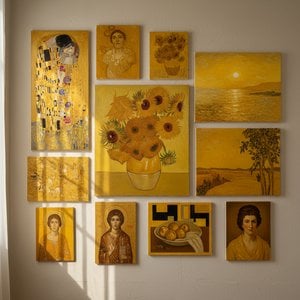
Golden Hues: Top 10 Paintings Dominated by Yellow Ochre |
Explore 10 iconic paintings bathed in golden yellow ochre! From Van Gogh's sunflowers to Monet’s haystacks, discover the stories behind these masterpieces. Find museum-quality art reproductions & elevate your home decor on .

Crimson Threads of Narrative: Exploring Symbolism & Representation in Artworks Featuring the Red Dress
Explore the rich symbolism of the red dress in art history! From ancient power displays to iconic portraits like Cézanne’s 'Madame Cezanne', discover the cultural and artistic significance behind this captivating color. Expert analysis & insights.

Sandstone & Sunlight: 10 Masterpieces of Earth-Toned Art |
Journey through 10 iconic paintings bathed in 'sand' tones – from Van Gogh to Monet. Explore the stories, techniques & warm palettes of these timeless masterpieces. Find museum-quality art reproductions at and bring classic beauty home.