


 Pregledaj u stvarnoj veličini
 Podijeli
 Podijeli
 Detalji
 Vodič
Vodič

 Preuzmi datoteku
 Slični predmeti
 Rentgenska snimka
 Slide show
 Statistika
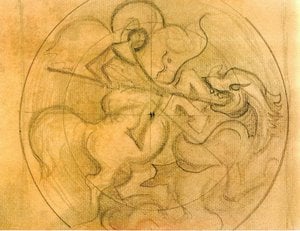
Untitled
 126.0 x 100.0 cm
 Pročitajte više
Giclée / Umjetnički otisak
Giclée tisak muzejske kvalitete ili otisak na platnu uz brzu proizvodnju i fleksibilne opcije završne obrade. ( Naručite ručno oslikano reprodukciju Prebacite na digitalnu prodaju slika)




































Odaberite jednu od naših unaprijed definiranih veličina koje odgovaraju izvornim proporcijama umjetničkog djela.

Možete unijeti vlastite dimenzije kako biste umjetničko djelo prilagodili specifičnom okviru ili prostoru. Ako odabrana veličina ne odgovara proporcijama izvornog rada, izrezat ćemo dio slike ili je proširiti pomoću ogledalnog efekta ili jednobojne rubne površine. Digitalni prikaz (mockup) bit će vam poslan na odobrenje prije početka proizvodnje.
Imajte na umu da pregled na zaslonu ne odražava stvarno izrezivanje ili proširivanje. Samo će mockup točno prikazati konačnu kompoziciju.
Iako su dostupne prilagođene veličine, preporučujemo odabir dimenzije iz unaprijed definirane liste kako biste očuvali izvorne proporcije.
Dostava širom svijeta () u roku od 2 tjedna umjesto standardnih 4/5 tjedana. (22 Rujan)

Besplatna ekspresna dostava širom svijeta

Visokokvalitetno laneno platno

Potpuno osiguranje transporta

Jamstvo povrata carine i uvoznih poreza

Jamstvo vjernosti boja

Politika povrata u roku od 100 dana (samo u slučaju nedostataka)

Jamstvo povrata 100% novca

Popust na više proizvoda
 Opcija stakla dostupna je samo za dimenzije manje od 110 cm

Untitled
Giclée / Umjetnički otisak
Veličina reprodukcije
-


Ukupna cijena
$ 62
Srodna umjetnička djela



Biografija umjetnika
The Melancholic Soul of Mexican Figurative Art
Rafael Coronel, a master whose brushstrokes whispered of ancient secrets and profound stillness, occupied a singular space in the landscape of 20th-century Mexican art. Born on October 24, 1931, Coronel did not merely paint figures; he conjured spirits. His work is characterized by a haunting, melancholic sobriety, where faces from the past emerge through a diffuse, ethereal haze, as if surfacing from the depths of a collective memory. Unlike the vibrant, often politically charged muralism that defined much of his era, Coronel’s oeuvre leaned toward the introspective and the mysterious. He possessed an uncanny ability to capture the psychological weight of his subjects, creating portraits that feel both timeless and deeply personal, imbued with a quiet dignity that avoids flamboyant spectacle in favor of emotional resonance.
The seeds of his artistic vocation were sown long before he ever touched a canvas. Raised in a family steeped in visual tradition, Coronel was profoundly influenced by the legacy of his grandfather, a church decorator who adorned sacred spaces with vibrant frescoes. This early exposure to the art of storytelling through imagery instilled in him a lifelong fascination with craftsmanship and the spiritual power of the image. Though he initially harbored ambitions far removed from the studio—even dreaming of a career as a professional soccer player for the legendary Club América—the pull of the aesthetic was inescapable. His journey was one of beautiful contradictions, marked by a tension between the practical realities of life and the irresistible call of the creative spirit.
A Journey Through Shadow and Light
Coronel’s formal development was shaped by the rigorous yet transformative environment of the Escuela Nacional de Pintura, Escultura y Grabado "La Esmeralda." It was here that his unique artistic vocabulary began to coalesce. A pivotal moment in his early career arrived in 1952 when he won a prestigious painting contest with a piece titled “Mujer de Jerez.” Remarkably, this victory was achieved using only crayons—a testament to his resourcefulness and raw talent during a period when financial constraints limited his access to traditional oils. This triumph secured him a scholarship that allowed him to pursue his passion more deeply, even as he navigated the complexities of defying familial expectations in favor of an uncertain artistic path.
As his technique matured, Coronel’s work became increasingly sophisticated in its use of atmosphere and symbolism. He drew deep inspiration from the masters of the past, particularly the Venetian Renaissance artist Titian. This admiration is evident in works such as “Tiziano y su mujer,” where he pays homage to the legendary painter through a lens of profound empathy and historical continuity. His compositions often feature religious figures, monks, and characters that seem to inhabit fantastic, dreamlike worlds. By utilizing simple or even empty backgrounds, Coronel forced the viewer’s gaze onto the subjects themselves, emphasizing their presence and the psychological depth of their expressions. His use of color was equally deliberate; he often employed large, cold areas of gray and blue contrasted against sudden, sharp bursts of red or pink to evoke a sense of dramatic tension.
Legacy and the Museum of Masks
Beyond his canvases, Rafael Coronel’s contribution to Mexican culture is inextricably linked to his passion for collecting. He was an avid collector of masks, objects that frequently found their way into his paintings as symbols of identity, transformation, and the hidden facets of the human psyche. This fascination with the mask—the boundary between the seen and the unseen—became a recurring motif in his work, mirroring the way his painted figures often seem to emerge from or retreat into a veil of mist.
The true monument to his life’s work stands in Zacatecas, within the historic 16th-century convent of San Francisco de Almoloyan y de Asís. The Museo Rafael Coronel serves as both a sanctuary for his vast collection of masks and a gallery for his evocative paintings. Through this institution, his legacy continues to breathe, offering contemporary audiences a chance to encounter the quiet, powerful echoes of his Baroque-inspired vision. Though he passed away on May 7, 2019, Coronel remains a vital figure in the history of figurative art, reminding us that there is immense strength to be found in stillness and profound truth to be discovered in the shadows.

Brzi pregled
- Artistic Movement Or Style: Representational Painting; Baroque Portraiture
- Artists Or Movements Influenced By This Artist: ['Baroque']
- Artists Who Influenced This Artist: ['Diego Rivera']
- Date Of Birth: (Unknown)
- Date Of Death: Living
- Full Name: Rafael Coronel
- Nationality: Mexican
- Notable Artworks:
- Tulyehualco, La Carbonera
- Tiziano y su mujer
- Beatificación
- Place Of Birth: Mexico