


 Pošalji
 Podijeli
 Detalji o umjetničkom djelu

 Preuzmi
 Slični predmeti
 Automatska prezentacija
Perseus and Andromeda


 Prikaži više
Giclée / Umjetnički otisak
Giclée tisak muzejske kvalitete ili otisak na platnu uz brzu proizvodnju i fleksibilne opcije završne obrade. ( Kupi ručno naslikanu sliku Kupi digitalnu sliku)




































Odaberite jednu od naših unaprijed definiranih veličina koje odgovaraju izvornim proporcijama umjetničkog djela.

Možete unijeti vlastite dimenzije kako biste umjetničko djelo prilagodili specifičnom okviru ili prostoru. Ako odabrana veličina ne odgovara proporcijama izvornog rada, izrezat ćemo dio slike ili je proširiti pomoću ogledalnog efekta ili jednobojne rubne površine. Digitalni prikaz (mockup) bit će vam poslan na odobrenje prije početka proizvodnje.
Imajte na umu da pregled na zaslonu ne odražava stvarno izrezivanje ili proširivanje. Samo će mockup točno prikazati konačnu kompoziciju.
Iako su dostupne prilagođene veličine, preporučujemo odabir dimenzije iz unaprijed definirane liste kako biste očuvali izvorne proporcije.
Dostava širom svijeta () u roku od 2 tjedna umjesto standardnih 4/5 tjedana. (1 Rujan)

Besplatna ekspresna dostava širom svijeta

Visokokvalitetno laneno platno

Potpuno osiguranje dostave

Jamstvo povrata carine i uvoznih poreza

Garancija vjernog podudaranja boja

Politika povrata u roku od 60 dana (samo u slučaju nedostataka)

Jamstvo povrata 100% novca

Popust na više proizvoda
 Opcija stakla dostupna je samo za dimenzije manje od 110 cm

Perseus and Andromeda
Giclée / Umjetnički otisak
Veličina reprodukcije
-


Ukupna cijena
$ 62
A Symphony in Marble: The Dramatic Vision of Pierre Puget
In the hallowed halls of the Louvre Museum, there exists a moment where stone breathes and marble weeps. Pierre Puget’s 1678 masterpiece, Perseus and Andromeda, is not merely a sculpture; it is a theatrical performance frozen in time. As a cornerstone of French Baroque art, this monumental work captures the very essence of an era defined by movement, tension, and profound emotional release. To behold this piece is to witness the intersection of mythic heroism and anatomical perfection, where the cold rigidity of stone is transformed into the fluid grace of a legendary rescue.
The narrative etched into the marble draws from the deep well of Greek mythology, presenting a scene of high stakes and visceral emotion. We find Perseus, the triumphant hero, descending upon a rocky outcrop to save Andromeda from the clutches of Cetus, the monstrous sea serpent. The sculpture captures the precise heartbeat of the drama: the transition from terror to salvation. Andromeda, bound to her stone prison as a sacrifice for her father’s transgressions, reaches out with arms that convey both palpable vulnerability and an unyielding hope. In Perseus, we see the embodiment of strength, his posture commanding the space as he holds aloft the severed head of Medusa, a grim yet necessary trophy of his quest.
The Mastery of Baroque Technique and Form
What distinguishes Puget from the more restrained, academic sculptors of the Louis XIV style is his unbridled passion for pathos. His technique demonstrates an unparalleled command over the medium, utilizing the principle of contrapposto to instill a sense of restless energy into the figures. By manipulating weight distribution, Puget creates a dynamic asymmetry; Perseus’s powerful, active stance contrasts sharply with Andromeda’s more static, yet emotionally charged, presence. This deliberate tension guides the viewer's eye in a sweeping motion across the composition, mirroring the turbulent seas from which the characters emerge.
The sculptor’s ability to manipulate light and shadow—the chiaroscuro of three-dimensional form—is nothing short of miraculous. Every meticulously carved detail, from the intricate folds of Andromeda's flowing drapery to the rugged, textured surfaces of the rocky landscape, serves to catch the light in ways that suggest depth and life. The subtle nuances of muscle fiber and the smooth, polished skin of the figures create a sensory experience that transcends the material. For the discerning collector or interior designer, this level of detail offers a profound sense of luxury and classical sophistication, making it an ideal centerpiece for spaces that demand a narrative of grandeur and timelessness.
A Timeless Legacy for the Modern Collector
Beyond its technical brilliance, Perseus and Andromeda serves as a powerful allegory for the human condition—the eternal struggle between fear and courage, between the monstrous unknown and the light of heroism. This enduring symbolism ensures that the work remains relevant, offering more than just aesthetic beauty; it provides a focal point for contemplation and intellectual engagement. Whether placed in a grand library, a formal salon, or a curated gallery space, a high-quality reproduction of this masterpiece brings with it the prestige of the French Baroque tradition.
For those seeking to infuse their surroundings with the spirit of the masters, this work offers an unparalleled opportunity. It is an invitation to surround oneself with art that does not merely decorate a room but tells a story, evokes an era, and commands the very atmosphere of the home. In the hands of a skilled artisan, the essence of Puget’s vision can be captured in a reproduction that honors the dramatic intensity and breathtaking realism of the original, allowing the legend of Perseus and Andromeda to live on in the modern era.
Srodna umjetnička djela


Biografija umjetnika
Pierre Puget: Život u umjetnosti i inženjerstvu
- Rođen: Marseille, Francuska (1620.)
- Preminuo: 1694.
Rano djetinjstvo i talijanske utjecaji
- Učenik: Puget je svoju karijeru započeo već s četrnaest godina, urezujući ukrase za galije građene u Marseilleu. Ovo rano izlaganje zanatskom radu postavilo je temelje za njegove kasnije umjetničke težnje.
- Putovanje u Italiju (1640.): Tražeći nove prilike, otputovao je u Italiju, prvo u Livorno, a zatim u Firencu, gdje je usavršavao svoje vještine kao drvorezac i slikar. ud
- Rim i Pietro da Cortona: Ključni trenutak dogodio se u Rimu kada ga je Pietro da Cortona uzeo pod svoje okrilje. Puget je sudjelovao u slikanju raskošnih stropova u Palazzo Barberini i Palazzo Pitti, upijajući dinamiku i veličanstvenost rimskog baroknog umjetničkog izričaja.
- Povratak u Marseille (1643.): Nakon tri godine provedene u Italiji, vratio se u Marseille, noseći sa sobom profinjenu umjetničku senzibilitet oblikovan talijanskim majstorima.
Velja djela i umjetnički razvoj
- Rani nalozi: Po povratku, Puget je primao narudžbe za slike i oltare, demonstrirajući evoluirajući stil pod utjecajem Annibalea Carracija i Rubensa.
- Skulpturalni proboji: Sve se više usredotočivao na kiparstvo, stvarajući djela poput medaljona za krmenaze francuskih ratnih brodova, pokazujući rastuće vladanje formom i detaljem.
- Vaux-le-Vicomte (1660.): Nicolas Fouquet angažirao je Pugeta da izheltira Herakla za svoj château u Vaux-le-Vicomte, što je označilo značajan trenutak u njegovoj karijeri i pokazalo moć pokroviteljstva snažnih figura tog vremena.
- Genovska razdoblja: Nakon Fouquetova pada, Puget se preselio u Genovu, gdje je stvorio značajna djela poput „Hercule Gaulois“ (Louvre) te skulpture za crkve poput Santa Maria di Carignano.
- Nalozi za Versailles: Colbert je vratio Pugeta u Francusku, što je dovelo do narudžbi za Versailles, uključujući slavne grupe „Milo od Krotona“ i „Persej i Andromeda“. Ova djela karakterizira dramatični intenzitet i ekspresivni realizam.
Stil i utjecaji
- Barokna drama: Pugetov stil čvrsto je ukorijenjen u baroknoj tradicije, naglašavajući pokret, emociju i teatralnost.
- Klasična inspiracija: Iako je prihajao baroknom dinamizmu, njegovo djelo također otkriva duboko poštovanje prema klasičnim formama i idealima.
- Michelangelo i Bernini: Njegove skulpture pokazuju utjecaje Michelangelovih snažnih figura i Berninijevih dinamičnih kompozicija.
- Jedinstveni izraz: Unatoč ovim utjecajima, Puget je razvio prepoznatljiv stil obilježen sirovom energijom i ekspresivnim intenzitetom, što ga je izdvojilo od konvencionalnijih baroknih umjetnika.
Naslijeđe i povijesna važnost
- Most između umjetnosti i inženjerstva: Pugetova sposobnost besprijekornog spajanja umjetničkog talenta s inženjerskim vještinama bila je jedinstvena. Njegov rad na pomorskoj arhitekturi i utvrđanjima pokazuje praktičnu domišljatost uz njegova umjetnička postignuća.
- Mučeni genije: Théophile Gautier ga je slavno opisao kao „melankoličnog cara osuđenika“, što odražava intenzitet, a možda i borbe skrivene u njegovom kreativnom procesu.
- Trajni utjecaj: Pugetove skulpture, posebno „Milo od Krotona“ i „Persej i Andromeda“, ostaju ikonični primjeri francuskog baroknog kiparstva, divljeni zbog svoje izražajne snage i tehničke virtuoznosti.
- Prepoznavanje danas: Njegovo djelo slavi se u muzejima diljem svijeta, uključujući Louvre i Musée des Beaux-Arts de Marseille, učvršćujući njegovo mjesto kao značajne figure u povijesti umjetnosti.

Pierre Puget
1620 - 1694 , Francuska
Osnovne informacije
- Artistic Movement Or Style: Barok
- Artists Who Influenced This Artist:
- Annibale Carracci
- Rubens
- Michelangelo
- Bernini
- Date Of Birth: 1620.
- Date Of Death: 1694.
- Full Name: Pierre Puget
- Nationality: Francuski
- Notable Artworks:
- Hercules at Rest
- Terakota faun
- Vrata Hôtel de Ville
- Kamenovanje svetog Petra
- Fregata na moru
- Place Of Birth: Marseille, Francuska
Srodni članci

Bronze Sculptures That Defined Art History | ArtsDot
Journey through art history with our Top 10 bronze sculptures! Explore masterpieces by Rodin, Michelangelo & more. Discover stories behind iconic statues and find museum-quality reproductions for your home decor at ArtsDot.com.
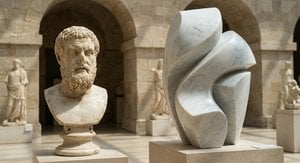
The Enduring Allure of Marble in Art History: From Classical Sculpture to Modern Abstraction
Explore the captivating history of marble sculpture from ancient Greece to modern art. Discover renowned artists like Canova & Michelangelo, carving techniques, and investment insights at ArtsDot.

The Enduring Form: Exploring Themes & Techniques in Sculpture Across Historical Periods
Explore the rich history of sculpture from ancient masterpieces to contemporary innovations. Discover key techniques, influential artists & investment potential for discerning art collectors.

The Enduring Form: Sculpture Across History, Technique & Emotional Resonance
Explore the rich history of sculpture with ArtsDot. Discover key techniques, influential artists & investment potential for discerning collectors. Expert insights into valuing and collecting timeless masterpieces.

Bronze Age to Modern Masters: 10 Sculptures That Redefined Art | ArtsDot
Journey through art history with 10 legendary bronze sculptures – from Michelangelo's David to Rodin’s Thinker. Explore the stories, techniques & timeless beauty of these masterpieces. Find museum-quality reproductions & elevate your home decor on ArtsDot.com.


