


 Pregledaj u stvarnoj veličini
 Podijeli
 Podijeli
 Detalji
 Vodič
Vodič

 Preuzmi datoteku
 Slični predmeti
 Rentgenska snimka
 Slide show
 Statistika
From series
 Oil On Canvas
- WallArt
- Contemporary Realism
 Contemporary
 157.0 x 196.0 cm
 MO Museum / MO muziejus
 Pročitajte više
Giclée / Umjetnički otisak
Giclée tisak muzejske kvalitete ili otisak na platnu uz brzu proizvodnju i fleksibilne opcije završne obrade. ( Naručite ručno oslikano reprodukciju Prebacite na digitalnu prodaju slika)




P118B $10

P118H $10

P118W $10

P438Z $10

P508JH $12

P508YH $12

P805H $10

P805Z $10

P919BZ $10

P919G $10

P919XJ $10

P959ZH $10

P968JZ $12

W106C $8

W218G $10

W218JH $8

W218Y $10

W307PJ $10

W316G $10

W316PJ $8

W316Y $10

W398PJ $8

W4111J $10

W500HY $15

W500JH $15

W692G $12

W849H $8

W940BG $15

W953PJ $8




Odaberite jednu od naših unaprijed definiranih veličina koje odgovaraju izvornim proporcijama umjetničkog djela.

Možete unijeti vlastite dimenzije kako biste umjetničko djelo prilagodili specifičnom okviru ili prostoru. Ako odabrana veličina ne odgovara proporcijama izvornog rada, izrezat ćemo dio slike ili je proširiti pomoću ogledalnog efekta ili jednobojne rubne površine. Digitalni prikaz (mockup) bit će vam poslan na odobrenje prije početka proizvodnje.
Imajte na umu da pregled na zaslonu ne odražava stvarno izrezivanje ili proširivanje. Samo će mockup točno prikazati konačnu kompoziciju.
Iako su dostupne prilagođene veličine, preporučujemo odabir dimenzije iz unaprijed definirane liste kako biste očuvali izvorne proporcije.
Dostava širom svijeta () u roku od 2 tjedna umjesto standardnih 4/5 tjedana. (21 Rujan)

Besplatna ekspresna dostava širom svijeta

Visokokvalitetno laneno platno

Potpuno osiguranje transporta

Jamstvo povrata carine i uvoznih poreza

Jamstvo vjernosti boja

Politika povrata u roku od 100 dana (samo u slučaju nedostataka)

Jamstvo povrata 100% novca

Popust na više proizvoda
 Opcija stakla dostupna je samo za dimenzije manje od 110 cm

From series
Giclée / Umjetnički otisak
Veličina reprodukcije
-


Ukupna cijena
$ 62
Srodna umjetnička djela


Biografija umjetnika
Robert Rauschenberg: A Life in Flux and Fusion
Born Milton Ernest Rauschenberg in Port Arthur, Texas, on October 22, 1925, Robert Rauschenberg’s artistic journey was one of constant experimentation and a deliberate blurring of boundaries. His early life, shaped by a fundamentalist Christian upbringing and the influence of his artist mother, provided a grounding that would later inform his unconventional approach to art-making. Rauschenberg's initial studies at the University of Texas at Austin were interrupted by World War II service as an aviation mechanic, an experience that instilled in him a deep appreciation for the materiality of objects and the realities of everyday life – themes he would repeatedly revisit throughout his career.
Early influences included the work of Marcel Duchamp, whose “readymades” challenged traditional notions of art and authorship. Rauschenberg’s own breakthrough came with the emergence of Assemblage in the late 1950s. Rejecting the purely abstract tendencies of Abstract Expressionism, he began incorporating found objects – scraps of fabric, photographs, newspaper clippings, even discarded toys – directly into his paintings. These “Combines,” as they became known, were not simply collages; they were complex, layered constructions that questioned the very definition of painting and sculpture. Works like *Monogram* (1955), a painting featuring a tire and a dictionary page, demonstrated this radical shift, presenting an object within a painted context while simultaneously acknowledging its inherent materiality.
The Rise of the Combine
Rauschenberg’s Combines represent a pivotal moment in 20th-century art. He moved beyond simply juxtaposing objects; he actively engaged with their histories and meanings, often incorporating photographs that documented the origins of these found materials. This process of indexing – tracing the provenance of an object – became a defining characteristic of his work. The series demonstrated a fascination with the intersection of high and low culture, challenging the established hierarchies within the art world. The 1960s saw Rauschenberg pushing this concept further, creating works that incorporated elements of performance and chance, exemplified by *Canyon* (1959), a painting based on a photograph of James Canyon in Zion National Park. This piece highlighted the artist’s interest in capturing fleeting moments and the inherent unpredictability of the natural world.
Autobiography: A Monumental Reflection
In 1968, Rauschenberg created *Autobiography*, a monumental print that stands as perhaps his most ambitious work. Commissioned by Marion Javits, wife of Senator Jacob Javits, it was intended to be a comprehensive overview of the artist’s life and career. Printed on three sheets of paper using a billboard press – an industrial printing method typically used for advertising – *Autobiography* is a complex montage of images, text, and found objects. The print incorporates photographs of Rauschenberg himself, alongside references to his personal history, places of significance, and recurring motifs like umbrellas and wheels. The sheer scale of the work—over sixteen feet tall—and its unconventional composition demanded attention, forcing viewers to confront the totality of the artist’s creative output.
Beyond the Combine: Printmaking and Late Works
While the Combines remain Rauschenberg's most iconic contribution to art history, his artistic practice extended far beyond this singular approach. He became a prolific printmaker, experimenting with various techniques including lithography, screen printing, and woodcut. His prints often retained the same conceptual concerns as his paintings – exploring themes of identity, memory, and the relationship between image and reality. In his later years, Rauschenberg continued to innovate, working in tapestry and incorporating elements of architecture into his installations. He remained committed to pushing the boundaries of art-making until his death on May 12, 2008, at the age of 82, leaving behind a vast and influential body of work that continues to challenge and inspire artists today.
Legacy and Influence
Robert Rauschenberg’s impact on contemporary art is undeniable. He liberated painting from its traditional confines, embracing the possibilities of collage, assemblage, and found objects. His willingness to experiment with materials and processes paved the way for subsequent generations of artists who sought to blur the boundaries between disciplines. His emphasis on conceptual thinking—the idea behind the artwork often being as important as its physical form—influenced a wide range of artistic practices. Rauschenberg’s legacy extends beyond his individual works; it resides in his spirit of experimentation, his commitment to challenging conventions, and his profound belief in the transformative power of art.

patricija jurkšaitytė
1968 - , Lithuania
Brzi pregled
- Artistic Movement Or Style:
- Assemblage
- Pop Art
- Neo-Dada
- Artists Or Movements Influenced By This Artist:
- Andy Warhol
- Conceptual Art
- Artists Who Influenced This Artist:
- Picasso
- Pollock
- Jasper Johns
- Date Of Birth: October 22, 1925
- Date Of Death: May 12, 2008
- Full Name: Robert Rauschenberg
- Nationality: American
- Notable Artworks:
- Monogram
- Canyon
- Autobiography
- Place Of Birth: Port Arthur, Texas
Povezani članci

Transformacija Prostora kroz Umjetnost: Integracija Vizualnog Identiteta i Gostoljubivosti u Dizajnu Hotela
Otkrijte kako integracija umjetnosti transformira dizajn hotela i jača vizualni identitet. Stručni savjeti, primjeri uspješnih projekata i konzultacije za stvaranje nezaboravnog gostoljubivog prostora. ArtsDot – Vaš partner u dizajnu!

Uzvišena baština renesanse i impresionizma: Kako klasika oblikuje suvremene interijere hotela
Otkrijte kako renesansna elegancija i impresionistička ljepota oblikuju luksuzne hotelske interijere. Stručni savjeti, inspiracija & rješenja za vrhunski dizajn hotela. ArtsDot.

Sidrišta u Dizajnu Interijera Hotela: Sveobuhvatni Priručnik za Kreativno Korištenje Zidnih Murala
Sveobuhvatni priručnik za kreativno korištenje zidnih murala u hotelima! Ekskluzivni savjeti dizajnera, trendovi, tehnike i inspiracija. Transformirajte interijer hotela s ArtsDot.com.
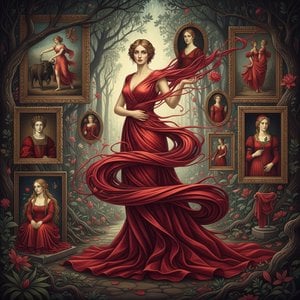
Crimson Threads of Narrative: Exploring Symbolism & Representation in Artworks Featuring the Red Dress
Explore the rich symbolism of the red dress in art history! From ancient power displays to iconic portraits like Cézanne’s 'Madame Cezanne', discover the cultural and artistic significance behind this captivating color. Expert analysis & insights.

Ulaganje u ambijent: Umjetnička djela muzejske kvalitete za luksuzne hotele i nezaboravno iskustvo gostiju
Otkrijte kako umjetnička djela muzejske kvalitete transformiraju hotele u nezaboravna iskustva. Vodič za odabir, nabavu i integraciju umjetnosti s ciljem povećanja luksuza i privlačnosti vašeg hotela.