

 Pregledaj u realnoj veličini
 Pošalji
 Podijeli
 Detalji o umjetničkom djelu
 Vodič
Vodič

 Preuzmi umjetničko djelo
 Slični predmeti
 Rentgenska snimka
 Slide show
 Pitanja i odgovori
 Statistika
The cyclops


 Prikaži više
Giclée / Umjetnički otisak
Giclée tisak muzejske kvalitete ili otisak na platnu uz brzu izradu i raznolike opcije završne obrade. ( Kupi ručno oslikano djelo Prebacite na digitalnu sliku)




P118B €10

P118H €10

P118W €10

P438Z €10

P508JH €12

P508YH €12

P805H €10

P805Z €10

P919BZ €10

P919G €10

P919XJ €10

P959ZH €10

P968JZ €12

W106C €8

W218G €10

W218JH €8

W218Y €10

W307PJ €10

W316G €10

W316PJ €8

W316Y €10

W398PJ €8

W4111J €10

W500HY €15

W500JH €15

W692G €12

W849H €8

W940BG €15

W953PJ €8




Odaberite jednu od naših unaprijed definiranih veličina koje odgovaraju izvornim proporcijama umjetničkog djela.

Unesite potrebnu širinu i visinu kako bi odgovarali vašem okviru ili zidu. Print se može samo izrezati, nikada ne može biti veći od slike, stoga format s drugačijim omjerom stranica uzrokuje gubitak dijela slike. Prije bilo kakve štampe šaljemo vam digitalni prikaz (mockup) na odobrenje. Slika prikazana na ovoj stranici ne prikazuje stvarni rez — to prikazuje isključivo digitalni prikaz.
Dostava širom svijeta () u roku od 2 tjedna umjesto standardnih 4/5 tjedana. (18 Studeni)

Besplatna ekspresna dostava širom svijeta

Visokokvalitetno laneno platno

Potpuno osiguranje dostave

Jamstvo povrata carine i uvoznih poreza

Jamstvo vjernosti boja

Politika povrata u roku od 100 dana (samo u slučaju nedostataka)

Jamstvo povrata 100% novca

Popust na više proizvoda
 Opcija stakla dostupna je samo za dimenzije manje od 110 cm

The cyclops
Giclée / Umjetnički otisak
Veličina reprodukcije
-


Ukupna cijena
€ 56
A Dreamscape of Giants: Odilon Redon’s “The Cyclops”
Odilon Redon's "The Cyclops," painted around 1914, isn’t merely a depiction of the Greek myth; it’s an immersion into a profoundly personal and unsettling dream world. This arresting work, now housed in the Kröller-Müller Museum in Otterlo, Netherlands, transcends simple illustration, offering instead a glimpse into the artist's subconscious – a realm populated by shadowy figures, potent symbols, and a palpable sense of yearning.
At first glance, the painting presents a deceptively tranquil scene. A slumbering Nereid, Galatea, lies nestled amongst a vibrant hillside, her naked form blending seamlessly with the flowery landscape. Yet, dominating the composition is the Cyclops himself – Polyphemus – a towering figure shrouded in shadow, his immense eye fixed upon her from behind a formidable mountain ridge. The scene immediately evokes a sense of unease, a feeling that something unseen and potentially menacing lurks beneath the surface of this idyllic tableau.
The Language of Symbolism
Redon’s signature style—often referred to as “noirs”—is powerfully evident here. He employs a restricted palette of deep blues, browns, and ochres, punctuated by startlingly bright highlights that amplify the painting's unsettling atmosphere. The use of oil on board, then mounted on wood, lends a tactile quality to the work, emphasizing its physicality and grounding it in a tangible reality. The eye itself—the Cyclops’s single, enormous orb—becomes the focal point, radiating an unnerving intensity. Redon masterfully utilizes this element as more than just a visual detail; it represents the human soul, a watchful, often controlling force that observes and judges from the shadows.
A Fragment of Myth, A Window to the Psyche
The myth of Polyphemus and Galatea provides a framework for interpretation, but Redon’s painting goes far beyond a straightforward retelling. The story of unrequited love and monstrous rejection resonates deeply within the artwork's emotional core. Polyphemus isn’t portrayed as a purely malevolent giant; rather, he appears hesitant, almost shy, his gaze filled with a quiet longing. This subtle nuance transforms the Cyclops from a terrifying brute into a figure of poignant vulnerability—a lonely soul trapped within a monstrous form.
The Influence of Japanese Art and the Dreamscape
Redon’s artistic journey was profoundly shaped by his encounter with Japanese art, particularly the intricate patterns and layered perspectives of *byōbu* screens. This influence is subtly reflected in “The Cyclops,” creating a sense of depth and spatial ambiguity that draws the viewer into the painting's dreamlike atmosphere. Furthermore, Redon’s exploration of Hindu and Buddhist themes—particularly the figure of Buddha—contributed to his fascination with the unseen realms of consciousness. "The Cyclops" can be viewed as an extension of this interest, a visual representation of the hidden depths of the human psyche.
A Timeless Masterpiece
“The Cyclops” is more than just a beautiful painting; it’s a profound meditation on loneliness, longing, and the power of the subconscious. Redon's masterful use of symbolism, combined with his distinctive style, creates an artwork that continues to captivate and unsettle viewers over a century after its creation. It remains a testament to the artist’s extraordinary ability to transform myth into a deeply personal and emotionally resonant experience—a dreamscape brought vividly to life on canvas.
Pitanja i odgovori
Gdje mogu vidjeti originalno djelo "The cyclops" autora Odilon Redon?
Originalno djelo "The cyclops" autora Odilon Redon čuva se u muzeju Kröller-Müller Museum, Otterlo, Netherlands. Reprodukcija omogućuje prikazivanje ovog djela u vašem domu.
Gdje i za što se preporučuje "The cyclops"?
"The cyclops" se preporučuje za Statement, a idealan prostor za nju je Living Room.
Kolika je luminancija djela "The cyclops" autora Odilon Redon?
Zabilježena luminancija za "The cyclops" autora Odilon Redon iznosi Soft Shadow.
Srodna umjetnička djela


Biografija umjetnika
Rani život, obitelj i školovanje
Rođen kao Bertrand-Jean Redon 20. travnja 1840. u Bordeauxu, u regiji Akvitanija u Francuskoj, dječak koji će kasnije postati poznat kao Odilon Redon ušao je u svijet oblikovan porodičnim korijenima. Njegova majka, Marie Guérin, bila je francuski kreol s otoka Île Bourbon, i upravo iz njezina imena on će na kraju dobiti svoj odabrani pseudonim. Još u djetinjstvu bila je vidljiva određena vizualna potvrtnost; s deset godina osvojio je školsku nagradu za crtež, mali trijumf koji je nagovijestio senzibilitet koji će kasnije posvetiti svom umjetničkom radu.
Put prema umjetničkom životu nije bio jednostavan niti izravan. Iako je sa šesnaest godina započeo formalno školovanje crtanja, očeva želje prvobitno su ga vukle prema strukturiranom svijetu arhitekture. To ga je vodilo u Pariz, gdje je 1864. godine nakratko studirao slikarstvo pod vodstvom Jean-Léon Gérôme. Međutim, kruta zahtjevnost arhitektonskog školovanja nije odgovarala njegovom temperamentu. Nakon što nije položio upisni ispit za École des Beaux-Arts, vratio se u rodni Bordeaux kako bi tražio drugačiji način gledanja na svijet.
U tišini svog rodnog kraja, njegove su ruke pronašle nove teksture. Počeo je se baviti kiparstvom i polako ovladavati zamračnim, složenim umjetnostima bakropisa i litografije. Upravo pod vodstvom Rodolphe Bresdin te su tehničke vještine pustile korijen, pružajući mu alate za istraživanje mračnijih i ambiguitetnijih područja ljudske psihe. Te rane godine eksperimentiranja s linijom i kamenom postavile su temelj za sve što je uslijedilo.
Period monokromatskih "Noirs"
Tijek Redonova života poprimio je neočekivani obrat 1870. godine kada ga je francusko-pruski rat pozvao u vojnu službu. To razdoblje vojničkog dužnika prekinulo je njegov razvojni umjetnički put, no nije moglo ugasiti vizije koje su se mijele u njemu. Po povratku, usredotočio se na sjene, radeći gotovo isključivo u crno-bijeloj tehnici sve do svoje pedesete godine. Te je vizionarske radove počeo nazivati svojim noirs, što je termin koji je savršeno dočarao intenzivnu, mračnu prirodu njegovih istraživanja. Kroz te monokromatske studije, nastojao je dati oblik nevidljivom, udaljavajući se od doslovnog svijeta kako bi pronašao jezik čiste svjetlosti i tame.
Njegova metoda bila je raznolika poput stvorenja koja je prizivao. Savladao je umjetnost litografije i koristio crtež ugljenom za izgradnju svojih kompozicija, često slojevito primjenjujući različite materijale kako bi postigao specifičnu dubinu. Kombinirao je vin i uljeni ugljen s dodacima komprimiranog ugljena i crne šljire kako bi stvorio svoje specifične efekte. Ti su mu alati omogućili prikazivanje noćnih scena i čudnih, fantastičnih bića koja su se činila kao da izranjaju iz vrtljave magle. Njegove su ruke radile s promišljenom intenzitetom, koristeći tvrdoću crnog krede za ocrtavanje oblika nasuprot mekšim, atmosferskim dijelovima ugljena. Rezultati nisu bili obični crteži, već prozori u privatno, sjenovito kraljevstvo.
- Guardian Spirit of the Waters, oko 1878.
- The Crying Spider, 1881
Evolucija u boju i simbolizam
Kako su se 1890-e približavale, nova svjetlost počela je prodirati u Redonov atelier. Teške, monokromatske sjene njegovih ranih godina ustupile su mjesto iznenadnom zagrljaju boje. Okrenuo se pastelama i uljanim bojama, pronalazivši u tim medijima način za izražavanje promjenjivih raspoloženja duše. To nije bio samo običan tehnički pomak, već duboko širenje njegove vizije. Odošao je od strogoće svojih studija ugljenom prema sanjivoj apstrakciji, u kojoj su se oblici činili kao da se rastapaju u svjetlosti i nijansi. Ova tranzicija označila je njegovo mjesto u samom srcu simbolističkog pokreta, dok je nastojao dati oblik neopipljivom kroz jezik boje.
Ova novopronađena luminoznost bila je duboko pod utjecajem dolaska japanske umjetnosti u Francusku. Redon se pronašao privlačen estetikom japanskih printova, otkrivajući mnogo toga čemu se mogao diviti u njihovoj plosatoj perspektivi i odvažnosti njihovih boja. Ta fascinacija omogućila mu je da odemo još dalje u carstvo sugestije, umjesto doslovnog prikazivanja. Njegove kompozicije počele su odražavati ovaj istočnjački utjecaj, miješajući osjećaj misterije s dekorativnijom, eteričnom kvalitetom. Svijet koji je slikao više nije bio mjesto čvrstih objekata, već prostor duhovnog i emocionalnog odjeka.
- Smrt Budhe (1899)
- Zeleni jahač (oko 1904.)
- Žuto jedro (oko 1905.)
- Rodođenje Venere (oko 1910.)
Ključna djela i značajni narudžbe
Kako se Odilon Redon udaljavao od sjena svojih ranih godina, njegov je kist pronašao novu svrhu zahvaljujući pokroviteljstvu onih koji su dijelili njegovu fascinaciju nevidljivim. Baron Robert de Domecy postao je značajna figura u tom razdoblju, naručujući umjetniku da zapiše likove svoje obitelji. Ti portreti barunice i njezine kćeri, Jeanne, omogućili su umjetniku da svoje evoluirajuće osjećaj za svjetlost primijeni na ljudski oblik, nastojeći otkriti unutarnji život koji se skriva ispod površine kože.
Njegova je mašta često skretala prema drevnim mitovima, ponovno ih zamišljajući kroz prizmu sanjlive apstrakcije. U jednom od značajnih uljanih slika, prikazao je mit o Polifemu i nimfi Galateji, poznat kao Sidov. Ovo djelo hvata giganta kako on svojim jednim okom gleda prema uspavanoj djevici, u kompoziciji koja odražava njegovu sposobnost spajanja klasične teme s osjećajem psihološke misterije. Slično tome, njegovo pastelno djelo iz 1900. godine, Portret Marie Botkine, poziva na dublji pogled u tihe, introspektivne dubine subjekta, prikazane mekim, svjetlucavim potezom koji definira njegov kasniji stil.
U svojim posljednjim godinama, utjecaj estetike Istoka postao je još izraženiji, što je dovelo do djela koja su prihvatila dekorativniju i ravniju perspektivu. Pred kraj života, oko 1916. godine, stvorio je Veliki buket u japanskoj vazi, djelo koje pokazuje kako su se načela japanske umjetnosti duboko utkanula u njegov vizualni jezik. Ovo kasno djelo prikazuje umjetnika koji je u potpunosti prihvaćio moć boje kako bi izrazio neopipljivo.
Tehnika i umjetnički stil
Odilon Redon koračao je kroz svijet umjetnosti kao crtač, litograf, pa i slikar, uvijek nastojeći staviti logiku vidljivog u službu onog nevidljivog. U svojim ranim godinama pronašao je duboki, snažan jezik u sjeni, radeći prvenstveno u crno-bijeloj tehnici. Savršeno je ovladao umjetnošću litografije, koristeći taj medij za postizanje suptilnih tonalnih gradacija koje su omogućavale svjetlosti da izroni iz duboke tame. Kako bi postigao veću preciznost, često je koristio crni krede za ocrtavanje specifičnih kompozicijskih elemenata preko širokih, mekih područja izrađenih ugljenom. Ta djela često su opisivana kao sinteza noćnih marea i snova, u kojima su se granice između fizičkog i zamišljenog počele zamagliti.
Kako je njegova ruka postajala sigurnija, njegov pristup teksturi i svjetlosti počeo se mijenjati. Od težinskih, monokromatskih dubina svojih ranih studija ugljenom, odmaknuo se prema upotrebi pastelâ i uljanih boja. Ta je tranzicija omogućila istraživanje drugačije vrste svjetiljosti, iako nikada nije izgubio svoju opsesiju podsviješću. Čak i kada je radio s bojom, njegove su kompozicije često zadržavale osjećaj misterije, kao da se motivi izranjaju iz sna, a ne iz fizičkog krajolika. Njegova sposobnost manipulacije različitim medijima omogućila mu je da najeludivije dijelove ljudske psihe pretvori u opipljive oblike.
- The Cyclops, oko 1914.
- Portrait of Marie Botkine, 1900.
- The Death of Ophelia, 1905
Naslijeđe i utjecaj na modernu umjetnost
Valovi Redonove vizije dosegnuli su daleko izvan tihšina simbolističkih krugova, dotičući same temelje nadolazećeg stoljeća. Okrenuvši svoj pogled prema unutrašnjosti kako bi mapirao čudna, iracionalna prostranstva podsvijesti, on je pripremio tlo za nadrealiste. Njegova sposobnost da oblikuje logiku snova pružila je nacrt kasnijim umjetnicima poput Marcela Duchampa i Maxa Ernsta, koji su težili osloboditi um od okova razuma. On nije samo slikao scene; on je vizualizirao nevidljive struje ljudskih misli, stvarajući most između vidljivog svijeta i unutarnjeg psihološkog bića.
Ova opsjednutost subjektivnim iskustvom i emocionalnom težinom nevidljivog također je pronašla duboki odjek kod ekspresionističkih slikarja. Njegovo djelo sugeriralo je da prava esencija subjekta leži u tome kako se on osjeća, a ne u tome kako ga oko mjeri. Izvan njegovih platnena slika i pastelnih radova, njegova grafička umjetnost ostaje duboko postignuće. Njegove litografije i crteži ugljenom, te sjene istraživanja mraka i misterija, smatraju se jednim od najinovativnijih postignuća u litografiji i grafici devetnaestog stoljeća. Savršeno je ovladao suptilnim gradacijama tonova kako bi sugerirao svjetove koji su djelovali istovremeno drevno i potpuno novi.
- Kiklop, oko 1914.
- Smrt Ofelije, 1905.
- Rođenje Venere, 1910.
Gdje danas možete vidjeti njegova djela
Kako biste susreli tragove njegove neizmjjerne mašte, potrebno je otploviti prema velikim spremištima europske umjetnosti. U Parizu, Musée d'Orsay čuva nekoliko njegovih djela, nudeći nam uvid u evoluciju njegove vizije i transformaciju duha. Oni koji traže njegove kasnije, svjetlija i bogatija istraživanja, možda će pronaći put do New Yorka, gdje Museum of Modern Art čuva djela koja odražavaju njegov prelazak prema svjetlucavoj, gotovo eteričnoj estetici.
Doseg njegovog utjecaja proteže se preko svih granica, nalazeći svoj dom u raznolikim kolekcijama širom svijeta. U Nizozemskoj, Kröller-Müller Museum u Otterluu hrani Kiklopove, remek-djelo koje savršeno hvata mitološke i sanjive kvalitete njegovog središnjeg i kasnijeg perioda stvaralaštva. Istovremeno, preko Atlantika, J. Paul Getty Museum u Los Angelesu čuva portret Baronice de Domecy, djelo koje tiho svjedoči o osobnim vezama i narudžbama koje su oblikovale njegov životni put.
- Kiklopovi, Kröller-Müller Museum, Otterlo
- Portret Baronice de Domecy, J. Paul Getty Museum, Los Angeles

Odilon Redon
1840 - 1916 , Francuska
Osnovne informacije
- Artistic Movement Or Style: Simbolizam
- Artists Or Movements Influenced By This Artist:
- Surrealizm
- Marcel Duchamp
- Artists Who Influenced This Artist:
- Jean-Léon Gérôme
- Rodolphe Bresdin
- Date Of Birth: 1840
- Full Name: Odilon Redon
- Nationality: Francuski
- Notable Artworks:
- Centaurs
- Onnes
- Portrait of Ari Redon
- Place Of Death: Paris
Srodni članci

Gustave Moreau: Symbolism's Enigmatic Visionary & Precursors of Modern Fantasy Art
Explore the captivating world of Gustave Moreau, the leading Symbolist painter. Discover his iconic masterpieces, influences, and lasting legacy. Expert analysis for collectors & art enthusiasts.

Emotional Transmutation in Visual Art: A Study of Affective Representation Through Color, Form, and Texture
Explore the fascinating intersection of art & emotion! Discover how color, form, and texture convey feelings in masterpieces. Expert analysis for collectors & enthusiasts.

Evocations of Place: A Historical Journey Through Landscape Art
Explore the rich history of landscape art with ArtsDot. Discover renowned artists, movements like Impressionism & tonalism, and expert guidance for collecting timeless pieces. Find your perfect serene escape today!

Jean-Baptiste-Camille Corot: A Poetic Realism – Bridging the Barbizon School and Early Impressionism
Explore the life & art of Camille Corot, a pivotal figure bridging the Barbizon School & Impressionism. Discover his poetic realism, signature style, and lasting influence on landscape painting. Learn more at ArtsDot.
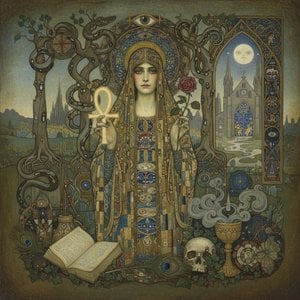
The Evocative Realm of Symbolism: Exploring Meaning & Mysticism in Late 19th-Century Art
Explore the captivating world of Symbolism art! Discover key artists, defining themes & its lasting influence on modern movements. A deep dive into late 19th-century masterpieces.
