
- Početna stranica

- Otisak na platnu
- michelangelo morlaiter
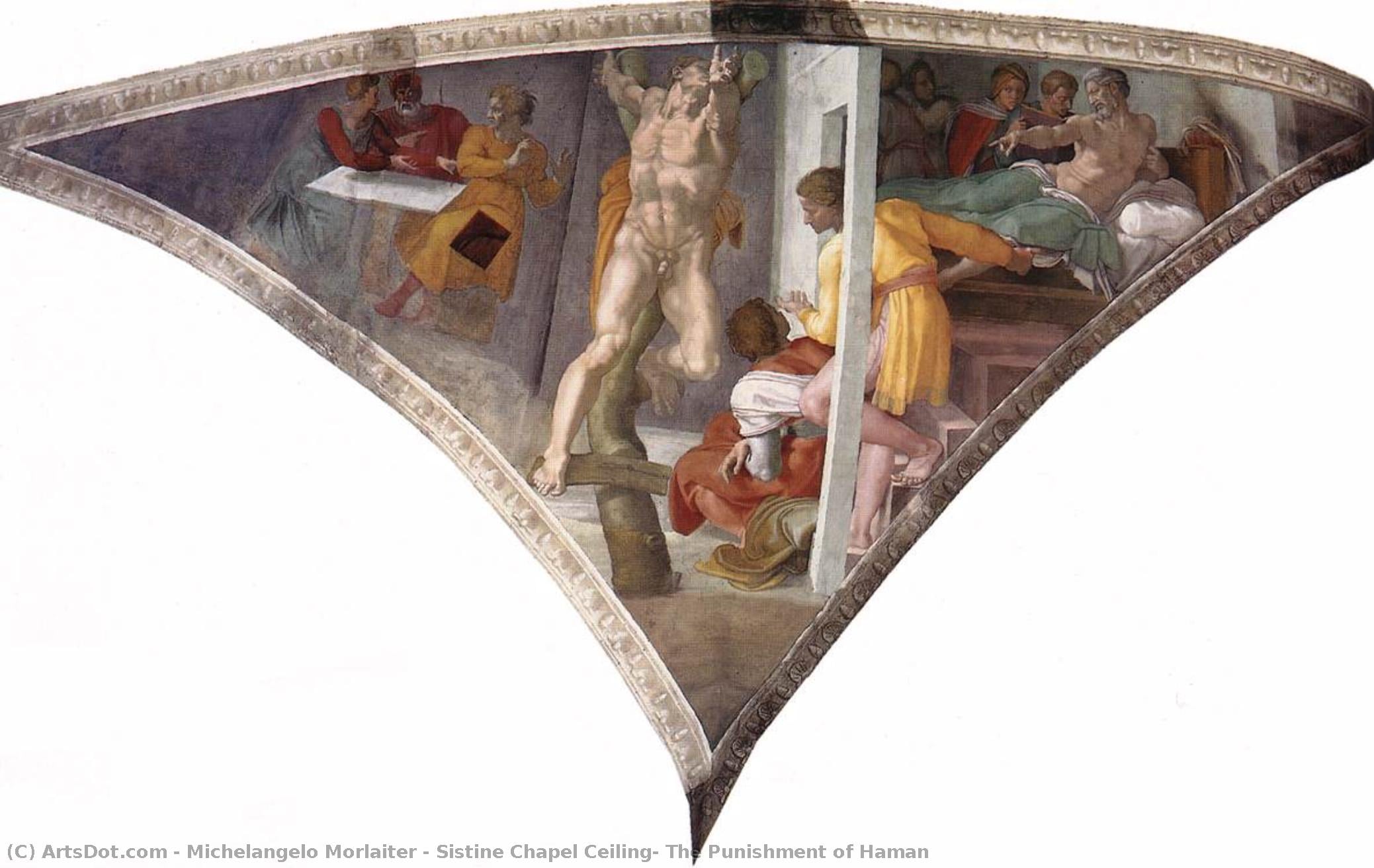
- Sistine Chapel Ceiling: The Punishment of Haman
 Naručite reprodukciju Kupi digitalnu sliku
 Pošalji
 Podijeli
 Details
 Dodaj u omiljene

 Preuzmi
 Slični predmeti
 X-Ray
X-Ray
 Automatska prezentacija
Sistine Chapel Ceiling: The Punishment of Haman
 Renaissance
 1512
1512 585.0 x 985.0 cm
Giclée / Umjetnički otisak
Giclée tisak muzejske kvalitete ili otisak na platnu uz brzu proizvodnju i fleksibilne opcije završne obrade.
 Pročitajte više



































Odaberite jednu od naših unaprijed definiranih veličina koje odgovaraju izvornim proporcijama umjetničkog djela.

Možete unijeti vlastite dimenzije kako biste umjetničko djelo prilagodili specifičnom okviru ili prostoru. Ako odabrana veličina ne odgovara proporcijama izvornog rada, izrezat ćemo dio slike ili je proširiti pomoću ogledalnog efekta ili jednobojne rubne površine. Digitalni prikaz (mockup) bit će vam poslan na odobrenje prije početka proizvodnje.
Imajte na umu da pregled na zaslonu ne odražava stvarno izrezivanje ili proširivanje. Samo će mockup točno prikazati konačnu kompoziciju.
Iako su dostupne prilagođene veličine, preporučujemo odabir dimenzije iz unaprijed definirane liste kako biste očuvali izvorne proporcije.
Dostava širom svijeta () u roku od 2 tjedna umjesto standardnih 4/5 tjedana. (1 Srpanj)

Besplatna ekspresna dostava širom svijeta

Visokokvalitetno laneno platno

Potpuno osiguranje dostave

Jamstvo povrata carine i uvoznih poreza

Garancija vjernog podudaranja boja

Politika povrata u roku od 60 dana (samo u slučaju nedostataka)

Jamstvo povrata 100% novca

Popust na više proizvoda
 Opcija stakla dostupna je samo za dimenzije manje od 110 cm

Sistine Chapel Ceiling: The Punishment of Haman
Giclée / Umjetnički otisak
Veličina reprodukcije
-


Ukupna cijena
-
Srodna umjetnička djela


Biografija umjetnika
Michelangelo Morlaiter: Venetian Sculptor and Fresco Artist
Michelangelo Morlaiter (1766 – Present) stands as a testament to the enduring legacy of Venetian artistic tradition, particularly within the School of Athens. Born into a family steeped in sculpture—his father, Giovanni Maria Morlaiter, was himself a celebrated sculptor—Michelangelo inherited not only talent but also an unwavering dedication to mastering the craft of disegno, the foundational principles of Renaissance art. His formative years were spent absorbing the artistic atmosphere of Venice, a city renowned for its patronage of the arts and its commitment to preserving classical ideals.- Early Life & Training: Giovanni Maria Morlaiter’s influence was paramount in shaping Michelangelo's early artistic sensibilities. He honed his skills under Giovanni Battista Falconetti, a master sculptor known for his meticulous attention to detail and anatomical accuracy. This rigorous training instilled in Morlaiter a profound understanding of sculptural technique—a skill he would later translate into breathtaking frescoes that adorn prominent Venetian churches.
The Accademia di Scoltura, Pittura, ed Architettura Civile: A Crucible of Artistic Innovation
Michelangelo Morlaiter’s contribution to Venetian art extends far beyond individual masterpieces. He was a founding member and professor at the Accademia di Scoltura, Pittura, ed Architettura Civile in Venice (established 1766), an institution dedicated to reviving classical artistic ideals and fostering excellence in sculpture, painting, and architecture. This academy served as a vital hub for disseminating knowledge and nurturing talent—producing generations of artists who would shape the visual landscape of Venice and beyond. Morlaiter’s role as educator ensured that Venetian artistic traditions continued to flourish into the 19th century.- Notable Commissions & Artistic Style: Morlaiter gained renown for his monumental sculptures, notably ‘Ignudo,’ a stunning nude study reflecting the influence of Michelangelo Buonarroti and embodying the humanist spirit of the Renaissance. His frescoes within Chiesa dell'Angelo Raffaele—particularly “The Study of Adam”—demonstrate masterful fresco technique, characterized by layering pigments onto wet plaster to achieve luminous colors and unparalleled textural depth. These works exemplify Venetian Rococo art’s elegance and grace.
Influences & Artistic Legacy
Morlaiter's artistic vision was deeply rooted in the humanist ideals of the Renaissance, mirroring the broader cultural movement that championed reason, observation, and human dignity. He drew inspiration from Michelangelo Buonarroti’s sculptural achievements—particularly his David—and embraced the stylistic conventions of Venetian Rococo art, prioritizing decorative splendor and emotional expression alongside technical virtuosity. His enduring legacy resides in his contribution to Venetian artistic heritage and his role as a pivotal figure in shaping the aesthetic sensibilities of his time.- Major Achievements: Morlaiter’s sculptures are celebrated for their anatomical precision and expressive dynamism, capturing the human form with remarkable realism. His frescoes—particularly “The Study of Adam”—are considered masterpieces of Venetian fresco painting, showcasing unparalleled color palettes and textural nuances. He cemented his place in art history as a champion of classical ideals and a pivotal voice within Venice’s artistic community.
Historical Significance
Michelangelo Morlaiter's work represents more than just aesthetic beauty; it embodies the spirit of Venetian Renaissance culture—a commitment to reviving classical art forms and upholding humanist values. His influence extended beyond his immediate circle, shaping artistic trends throughout Venice and contributing to the preservation of Venetian artistic traditions for centuries to come. He stands as a symbol of Venetian artistic excellence and a testament to the enduring power of disegno.
Osnovne informacije
- Artistic Movement Or Style: Rococo Art
- Artists Or Movements Influenced By This Artist: ['Renaissance Venice']
- Artists Who Influenced This Artist: ['Giovanni Morlaiter']
- Date Of Death: Living
- Full Name: Michelangelo Morlaiter
- Nationality: Italian
- Notable Artworks:
- Ignudo
- Studies for a double tomb wall
- The Study of Adam
- Place Of Birth: Venice
Srodni članci

The Patron's Gaze: Art Collectors in Western Painting – A Renaissance to Modern History
Explore the fascinating history of art collectors in Western painting, from Renaissance patrons to modern museum founders. Discover how portraits revealed status, shaped artistic movements & built lasting legacies. Expert insights at ArtsDot.


Genijalci Rana Renesanse: Top 10 Remekdjela za Vaš Dom
Otkrijte 10 remekdjela koje su definirala ranu renesansu! Leonardo, Michelangelo i Botticelli – istražite priče iza ovih genijalnih djela. Inspirirajte svoj dom umjetnošću. Kupujte reprodukcije na ArtsDot.com!

Remek-djela Rafaela: 25 umjetničkih bisera za vaš dom | ArtsDot
Uronite u svijet Rafaela! Otkrijte 25 remek-djela renesansnog genija – od Madona do Sikstinske kapele. Povijest umjetnosti, tehnike slikanja i inspiracija za vaš dom. Kvalitetne reprodukcije na ArtsDot.com!
Fresco's Finest: 10 Masterpieces That Define Art History | ArtsDot
Journey through art history with our Top 10 Fresco Masterpieces! Explore Michelangelo, Raphael & Giotto's iconic works. Find museum-quality reproductions and elevate your home decor at ArtsDot.com.

Piero della Francesca: Renaissance Perspective, Divine Proportion & the Pursuit of Ideal Form
Explore the revolutionary art of Piero della Francesca – master of perspective, divine proportion & Renaissance humanism. Discover his iconic paintings & lasting influence on art history.



