- Početna stranica

- Reprodukcija uljane slike
- Max Ernst
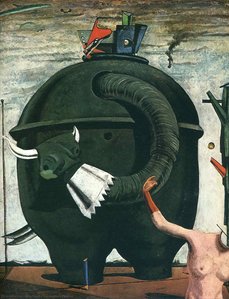
- La conversion du feu

 Kupi otisak Kupi digitalnu sliku
 Pošalji
 Podijeli
 Detalji o umjetničkom djelu
 Dodaj u omiljene

 Preuzmi
 Slični predmeti
 Rentgenska snimka
 Automatska prezentacija
La conversion du feu


 Prikaži više
Ručno rađena uljana reprodukcija
Ručno oslikano uljanim bojama na platnu u dimenzijama i okviru po vašem izboru, izrađeno po narudžbi od strane naših umjetnika.




P118B $10

P118H $10

P118W $10

P438Z $10

P508JH $12

P508YH $12

P805H $10

P805Z $10

P919BZ $10

P919G $10

P919XJ $10

P959ZH $10

P968JZ $12

W106C $8

W218G $10

W218JH $8

W218Y $10

W307PJ $10

W316G $10

W316PJ $8

W316Y $10

W398PJ $8

W4111J $10

W500HY $15

W500JH $15

W692G $12

W849H $8

W940BG $15

W953PJ $8




Odaberite jednu od naših unaprijed definiranih veličina koje odgovaraju izvornim proporcijama umjetničkog djela.

Možete unijeti vlastite dimenzije kako bi odgovarale određenom okviru ili prostoru. Ako odabrana veličina ne odgovara proporcijama izvorne slike, izrezat ćemo umjetničko djelo ili proširiti sliku dodatnim ručno oslikanim elementima. Digitalni nacrt bit će vam poslan na odobrenje prije početka proizvodnje.
Imajte na umu da pregled na ekranu ne prikazuje stvarno izrezivanje ili proširivanje. Samo će nacrt točno prikazati konačni sastav.
Iako su dostupne prilagođene veličine, preporučujemo odabir dimenzije s preddefiniranog popisa kako bismo očuvali izvorne proporcije.
Nakon narudžbe, tim ArtsDot.com kontaktirat će klijenta putem e-pošte radi dobivanja uputa te dostaviti probni prikaz (mockup).
Isporuka širom svijeta () u roku od 3-4 tjedna umjesto standardnih 5 tjedana. (17 Srpanj). Bez kompromisa u kvaliteti.

Besplatna ekspresna dostava širom svijeta

Visokokvalitetno laneno platno

Potpuno osiguranje dostave

Jamstvo povrata carine i uvoznih poreza

Garancija vjernog podudaranja boja

Politika povrata u roku od 60 dana (samo u slučaju nedostataka)

Jamstvo povrata 100% novca

Popust na više proizvoda
 Opcija stakla dostupna je samo za dimenzije manje od 110 cm

La conversion du feu
Tehnika reprodukcije
Veličina reprodukcije
-


Ukupna cijena
-
Opis umjetničkog djela
La conversion du feu: A Surrealist Encounter with Destruction
Max Ernst’s “La conversion du feu” (The Fire's Conversion), painted in 1937, stands as a haunting testament to the anxieties of its time – namely, the escalating horrors of the Spanish Civil War. More than just a visually arresting image, it embodies Ernst’s profound engagement with psychological exploration and his masterful manipulation of Surrealist techniques, cementing its place as one of his most significant achievements.
- Subject Matter: The painting depicts a solitary man holding aloft a bird, positioned beside a tree. Scattered figures and birds populate the scene, creating an atmosphere of unsettling juxtaposition and hinting at interconnected narratives. Notably, an umbrella dominates the right side of the composition, adding to the overall sense of disorientation.
- Style & Technique: Ernst employed *grattage*, a technique he had honed throughout the 1930s, characterized by scraping away layers of paint to reveal underlying textures and forms. This method, combined with decalcomania – pressing painted surfaces together – resulted in an expressive surface riddled with cracks and fissures that amplify the painting’s emotional intensity.
- Historical Context: Created amidst the turbulent backdrop of the Spanish Civil War, “La conversion du feu” reflects Ernst's preoccupation with existential dread and his conviction that art should confront uncomfortable truths. The image captures a palpable fear of impending catastrophe—a sentiment echoed in Ernst’s own writings about the looming shadow of Fascism across Europe.
- Symbolism: The central figure represents humanity grappling with overwhelming forces, symbolized by the bird held aloft – perhaps representing hope amidst despair or vulnerability against destructive power. The tree serves as a grounding element, yet its presence is overshadowed by the pervasive darkness and chaos of the surrounding environment. The umbrella signifies protection but also confinement, highlighting the limitations of human agency in confronting existential threats.
- Emotional Impact: “La conversion du feu” evokes a visceral response from the viewer—a feeling of unease and apprehension born from Ernst’s masterful depiction of psychological turmoil. It's a painting that compels contemplation on themes of vulnerability, resistance, and the inescapable confrontation with mortality. The fractured surface contributes to this emotional resonance, mirroring the shattered psyche of the individual facing overwhelming circumstances.
Georges de la Tour: A Parallel Vision
Interestingly, Ernst’s artistic sensibilities align closely with those of Georges de La Tour (1593-1652), a French Baroque master renowned for his dramatic chiaroscuro and tenebrism. Like Ernst, De La Tour sought to convey profound spiritual truths through meticulously crafted compositions that exploit the interplay between light and darkness—a stylistic approach that anticipates Ernst’s own exploration of psychological depth.
The Influence of Surrealist Thought
Ernst's intellectual foundation – encompassing philosophy, art history, literature, psychology, and psychiatry – profoundly shaped his artistic vision. He wasn’t merely interested in replicating visual reality; he was delving into the subconscious mind—a preoccupation that finds its expression in the dreamlike atmosphere of “La conversion du feu” and aligns seamlessly with the core tenets of Surrealist philosophy.
A Legacy of Texture and Emotion
“La conversion du feu” remains a powerful emblem of Ernst’s artistic legacy—a testament to his unwavering commitment to confronting existential anxieties through innovative techniques and evocative imagery. Its fractured surface, born from *grattage*, serves as a conduit for conveying profound emotional resonance—a reminder that art can illuminate the darkest recesses of human experience.
Srodna umjetnička djela


Biografija umjetnika
Max Ernst: Izbjeglica Snova i Pionir Neobičnog
Max Ernst, rođen Maximilian Maria Ernst 1. travnja 1891. u Brühlu, blizu Kölna, bio je njemački slikar i kipar čiji se život i djelo isprepliću s turbulentnim događajima dvadesetog stoljeća. Njegova priča nije bila put konvencionalnog umjetničkog obrazovanja; to je bilo samostalno istraživanje potaknuto filozofskim promišljanjima, psihološkom fascinacijom i dubokim razočarenjem društvenim normama. Otac, učitelj za gluhe i amaterski slikar, u njemu je probudio osjetljivost prema svijetu i buntovnički duh koji će obilježiti njegov umjetnički put.
Studiji na Sveučilištu u Bonnu – obuhvaćajući filozofiju, povijest umjetnosti, književnost, psihologiju i psihijatriju – nisu bili samo prekretnice već temeljni elementi koji su prožimali njegovo kasnije stvaralaštvo. Ernst nije bio zainteresiran samo za to *kako* slikati; bavio se pitanjem *zašto*. Ta intelektualna znatiželja dovela ga je do otkrića djela Picassa, Van Gogha i Gauguina na izložbi Sonderbund u Kölnu 1912., trenutka koji je zauvijek promijenio njegov umjetnički smjer. Sjetve modernizma bile su poslane.
Od Dadaizma do Nadrealističkih Vizija: Potraga za Novim Izrazom
Prvi svjetski rat bio je prekretnica u Ernstovom životu. Iskustva kao vojnik na istočnim i zapadnim bojištima ostavila su ga duboko potresenog, njegujući duboku skepsu prema uspostavljenom poretku i želju za novim oblicima izražavanja. Ta razočarana osjetljivost pronašla je plodno tlo u razvijajućem pokretu Dada, kojeg je on s oduševljenjem prihvatio po povratku u Köln 1918. Zajedno s Hansom Arpom – prijateljem i suradnikom tijekom cijelog života – Ernst je postao središnja figura u kolinjskoj Dada skupini, odbacujući tradicionalne umjetničke konvencije i prihvaćajući apsurdnost, slučajnost i antiratonalnost. Međutim, Dada je bio samo trampolin.
U ranim 1920-ima Ernst se preselio u Pariz i pridružio redovima nadrealista pod vodstvom Andréa Bretona. To je označilo pomak prema istraživanju područja snova, nesvjesnog uma i iracionalnog. Pod utjecajem psihoanalitičkih teorija Sigmunda Freuda, Ernst je nastojao otkriti skrivene dubine ljudskog iskustva kroz svoju umjetnost. Nije bio zainteresiran za prikazivanje stvarnosti onakve kakvu se pojavljuje, već za otkrivanje podložnih psiholoških sila koje su je oblikovale.
Inovativne Tehnike: Frottage, Grattage i Kolaž
Ernstova umjetnička inovacija protezala se izvan teme; bio je neumorni eksperimentator s tehnikama. Nije samo usvajao postojeće metode – izumio je nove. Možda je njegov najpoznatiji doprinos frottage, proces trganja olovkom ili ugljenom preko teksturiranih površina kako bi se stvorile neočekivane i evocativne slike. Ta tehnika, rođena od trenutka dosade dok je promatrao strukturu drva, omogućila mu je da se poveže s nesvjesnim i generira oblike koji su izbjegavali svjesnu kontrolu. Blisko povezana bila je grattage, gdje se boja grebe preko platna otkrivajući slojeve ispod.
Također je majstorski koristio kolož, sastavljajući različite elemente – slike iz časopisa, znanstvene ilustracije, fotografije – u nadrealne kompozicije koje su izazvale konvencionalna shvaćanja reprezentacije. Ove tehnike nisu bila samo stilski izbori; bile su integralni dio njegovog istraživanja nesvjesnog i njegove želje da poremeti tradicionalne umjetničke granice. Njegove slike često sadrže ponavljajuću simboličku sliku: ptice (posebno njegova alter ego Loplop), puste krajolike, neugodna spajanja i sveprisutan osjećaj misterija.
Ostavština Inovacije i Utjecaja
Izbijeganje Drugog svjetskog rata prisililo je Ernsta da napusti Europu, tražeći utočište u Sjedinjenim Državama. Nastavio je slikati i eksperimentirati s novim tehnikama tijekom egzila, a nakon rata se vratio u Francusku gdje je ostao aktivan do svoje smrti 1. travnja 1976. godine u Parizu. Njegov utjecaj na sljedeće generacije umjetnika neprocjenjiv je.
Max Ernstovi doprinosi Dadaizmu i nadrealizmu bili su revolucionarni. Izazvao je umjetničke norme, uronio u dubine nesvjesnog uma i izumio inovativne tehnike koje i danas inspiriraju umjetnike. Nije bio samo slikar; bio je istraživač, provokator i vizionar koji je proširio granice same umjetnosti. Njegovo djelo ostaje svjedočanstvo moći mašte, privlačnosti iracionalnog i trajne potrage za razumijevanjem složenosti ljudske pshe.
- Glavna djela: Cijeli grad, Euclides, Of This Men Shall Know Nothing, Šuma i golub
- Utjecaji: Pablo Picasso, Vincent van Gogh, Paul Gauguin, Sigmund Freud, Giorgio de Chirico
- Pokreti: Dada, Nadrealizam

Max Ernst
1891 - 1976 , Njemačka
Osnovne informacije
- Datum Rođenja: 1. travnja 1891.
- Državljanstvo: Njemačko-američko, Francusko
- Mjesto Rođenja: Brühl, Njemačka
- Pokreti/Umjetnici Pod Utjecajem:
- Nadrealizam
- Dada
- Puno Ime: Max Ernst
- Umjetnički Pokret: Dada, Nadrealizam
- Utjecajni Umjetnici:
- Pablo Picasso
- Vincent van Gogh
- Paul Gauguin
- Sigmund Freud
- Giorgio de Chirico
- Značajna Djela:
- Cijeli grad
- Euclides
- Of This Men Shall Know Nothing
- Šuma i golub
Srodni članci
Max Ernst: 25 Remek-djela Surrealizma za Uljepšavanje Vašeg Prostora | ArtsDot
Uronite u svijet nadrealizma s 25 remek-djela Maxa Ernsta! Otkrijte priče iza ikonskih slika, tehnike i inspiraciju ovog umjetnika. Reprodukcije vrhunske kvalitete za vaš dom na ArtsDot.com.

Surrealizam: 10 Remek-djela koja su definirala umjetnički pokret
Otkrijte 10 remek-djela koja su definirala surrealizam! Uronite u svijet Salvadora Dalija, René Magritta i drugih. Istaknute umjetničke slike, simbolizam i snovi čekaju vas. Istražite inspirativne ideje za dekoraciju interijera na ArtsDot.com!

Deset Genijalnih Remeka-djela Surrealizma: Uronite u Svijet Fantazije i Snoviđenja | ArtsDot
Otkrijte 10 remek-djela koja su definirala surrealizam! Uronite u svijet Dalija, Magritta i drugih genijalaca. Istražite priče iza slika, pronađite inspiraciju za svoj interijer te kupujte vrhunske reprodukcije na ArtsDot.com!

Surrealist Painting Masterpieces: 10 Artworks That Redefined Reality | ArtsDot
Journey into the dreamlike world of Surrealism! Explore 10 masterpieces by Dali, Magritte & Miró that redefined art. Discover their stories & find museum-quality reproductions to elevate your home decor on ArtsDot.com.

René Magritte: 25 Remek-djela Surrealizma za Uljepšanje Vašeg Prostora | ArtsDot
Uronite u svijet nadrealizma s 25 remek-djela René Magritta. Otkrijte priče iza ikoničnih slika, simbolizam i tehniku belgijskog umjetnika. Pronađite savršenu reprodukciju za vaš dom na ArtsDot.com!