


 Pregledaj u stvarnoj veličini
 Podijeli
 Podijeli
 Detalji
 Vodič
Vodič

 Preuzmi datoteku
 Slični predmeti
 Rentgenska snimka
 Slide show
 Statistika
Arnold Schönberg
 Contemporary Realism
 1935
1935 18.0 x 23.0 cm
 Arnold Schönberg Center
 Pročitajte više
Giclée / Umjetnički otisak
Giclée tisak muzejske kvalitete ili otisak na platnu uz brzu proizvodnju i fleksibilne opcije završne obrade. ( Naručite ručno oslikano reprodukciju Prebacite na digitalnu prodaju slika)




































Odaberite jednu od naših unaprijed definiranih veličina koje odgovaraju izvornim proporcijama umjetničkog djela.

Možete unijeti vlastite dimenzije kako biste umjetničko djelo prilagodili specifičnom okviru ili prostoru. Ako odabrana veličina ne odgovara proporcijama izvornog rada, izrezat ćemo dio slike ili je proširiti pomoću ogledalnog efekta ili jednobojne rubne površine. Digitalni prikaz (mockup) bit će vam poslan na odobrenje prije početka proizvodnje.
Imajte na umu da pregled na zaslonu ne odražava stvarno izrezivanje ili proširivanje. Samo će mockup točno prikazati konačnu kompoziciju.
Iako su dostupne prilagođene veličine, preporučujemo odabir dimenzije iz unaprijed definirane liste kako biste očuvali izvorne proporcije.
Dostava širom svijeta () u roku od 2 tjedna umjesto standardnih 4/5 tjedana. (24 Rujan)

Besplatna ekspresna dostava širom svijeta

Visokokvalitetno laneno platno

Potpuno osiguranje transporta

Jamstvo povrata carine i uvoznih poreza

Jamstvo vjernosti boja

Politika povrata u roku od 100 dana (samo u slučaju nedostataka)

Jamstvo povrata 100% novca

Popust na više proizvoda
 Opcija stakla dostupna je samo za dimenzije manje od 110 cm

Arnold Schönberg
Giclée / Umjetnički otisak
Veličina reprodukcije
-


Ukupna cijena
$ 62
Srodna umjetnička djela


Biografija umjetnika
A Lens on the American Soul: The Life and Legacy of John Gutmann
The story of John Gutmann is one of profound transformation, a narrative that begins in the sophisticated, shadowed streets of Weimar Germany and finds its ultimate expression in the vibrant, sun-drenched landscapes of the American West. Born in 1905 in Breslau, Gutmann was a product of an era defined by intense cultural upheaval and artistic experimentation. His early years were steeped in the rigorous traditions of European fine art; he studied under the painter Otto Müller at the Staatliche Akademie für Kunst und Kunstgewerbe Breslau, honing a meticulous eye for detail and a deep understanding of composition. This classical foundation, however, was soon met by the turbulent political tides of the 1930s. As a Jewish artist in Germany, the rising shadow of Nazism rendered his path in Europe untenable, forcing him into an emigration that would fundamentally redefine his artistic identity.
Arriving in San Francisco in late 1933, Gutmann did not merely arrive as a refugee, but as a visionary seeking a new way to see. Carrying with him a Rolleiflex camera, he transitioned from the canvas to the lens, embarking on a career in photojournalism that would capture the very heartbeat of mid-century America. This period marked the birth of his signature “worm’s-eye view,” a perspective that eschewed the detached gaze of traditional documentary photography in favor of an intimate, immersive engagement with his subjects. Through his work with agencies like Presse-Photo and later PIX, Gutmann became a silent witness to the American experience, documenting everything from the gritty tensions of the 1934 West Coast waterfront strike to the celebratory grandeur of the Golden Gate International Exposition.
The Intersection of Realism and Human Connection
What distinguished Gutmann’s work was an uncanny ability to blend the precision of a trained painter with the spontaneous energy of a photojournalist. His photography possessed a cinematic quality, often utilizing dramatic lighting and unique angles to elevate ordinary moments into profound studies of character. He had a particular talent for capturing the diverse tapestry of American life—the marginalized, the working class, and the cultural icons alike. This was perhaps most famously realized in his striking black-and-white portrait of the composer Arnold Schönberg, a work that demonstrates his mastery of light and shadow to evoke a sense of enduring wisdom.
While his photographic output is widely celebrated for its historical importance, Gutmann’s artistic spirit remained deeply rooted in the painterly. His paintings often served as a quiet companion to his photography, characterized by:
- Muted Palettes: A subtle use of color that reflected the influence of European Expressionism.
- Tonal Gradations: A focus on soft transitions and light that mirrored his photographic sensitivity.
- Intimate Subject Matter: Landscapes and interiors that captured a sense of stillness and contemplative observation.
A Lasting Impression on American Visual Culture
Beyond the individual images, Gutmann’s historical significance lies in his role as an educator and a bridge between cultures. By founding the photography department at San Francisco State College in 1946, he helped shape the next generation of visual storytellers, instilling in them a respect for both technical mastery and social awareness. He viewed himself as an outsider—a naturalized citizen and a person of Jewish heritage—and it was this very perspective that allowed him to document the American landscape with such unique clarity and empathy.
Today, the archive of John Gutmann stands as a vital historical record, preserved at The Center for Creative Photography. His work remains a testament to the power of the gaze to transcend borders and eras. Whether through the stark realism of his newsprint photographs or the subtle textures of his paintings, Gutmann captured more than just events; he captured the essence of an era, leaving behind a visual legacy that continues to resonate with the complexity and beauty of the human condition.

john h. gutmann
1905 - 1998 , Germany
Brzi pregled
- Artistic Movement Or Style: American Realism
- Date Of Birth: 1905
- Date Of Death: 1998
- Full Name: John Frederick Lewis
- Nationality: German-born American
- Notable Artworks: ["worm's-eye view"]
- Place Of Birth: Breslau, Germany
Povezani članci

John Constable: 25 Remek-djela Engleskog Majstora Krajolika | ArtsDot
Uronite u svijet John Constabla! Otkrijte 25 remek-djela engleskog romantizma i pejzaža. Ekskluzivne reprodukcije slika, zidna dekoracija & inspiracija za dizajn interijera na ArtsDot.com. Istražite cijelu kolekciju online!

John Singer Sargent: 25 Remek-djela Portreta i Impresionizma | ArtsDot
Uronite u svijet John Singera Sargenta! Otkrijte 25 remek-djela portreta i impresionizma, priče iza slika te tehničku genijalnost američkog slikara. Reprodukcije vrhunske kvalitete za luksuzni dekor interijera na ArtsDot.com.

White on Canvas: 10 Masterpieces & Timeless Elegance for Your Home Decor
Explore 10 iconic white paintings by Monet, Whistler & Rothko! Discover the stories behind these serene masterpieces and their impact on art history. Find museum-quality reproductions for your home decor at .

Monochrome Visions: Exploring the Aesthetic & Historical Significance of Black & White Photography
Explore the rich history & artistic power of black and white photography. From early techniques to iconic masters like Ansel Adams, discover why monochrome continues to captivate art lovers today. Expert insights for collectors.
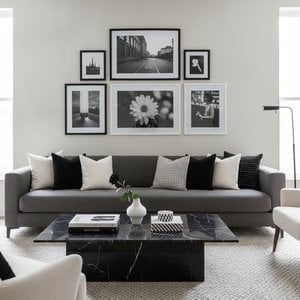
Timeless & Chic: Elevating Your New Home with the Sophistication of Black and White Photography
Transform your new home with the timeless allure of black and white photography. ArtsDot.com specializes in elegant monochrome decor and custom hand-painted wedding portraits that turn cherished milestones into lasting, soulful masterpieces. Elevate your space with ease.