


 Pregledaj u stvarnoj veličini
 Podijeli
 Podijeli
 Detalji
 Vodič
Vodič

 Preuzmi datoteku
 Slični predmeti
 Rentgenska snimka
 Slide show
 Statistika
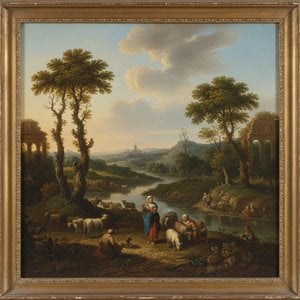
Classical Landscape


 Pročitajte više
Giclée / Umjetnički otisak
Giclée tisak muzejske kvalitete ili otisak na platnu uz brzu proizvodnju i fleksibilne opcije završne obrade. ( Naručite ručno oslikano reprodukciju Prebacite na digitalnu prodaju slika)




P118B €10

P118H €10

P118W €10

P438Z €10

P508JH €12

P508YH €12

P805H €10

P805Z €10

P919BZ €10

P919G €10

P919XJ €10

P959ZH €10

P968JZ €12

W106C €8

W218G €10

W218JH €8

W218Y €10

W307PJ €10

W316G €10

W316PJ €8

W316Y €10

W398PJ €8

W4111J €10

W500HY €15

W500JH €15

W692G €12

W849H €8

W940BG €15

W953PJ €8




Odaberite jednu od naših unaprijed definiranih veličina koje odgovaraju izvornim proporcijama umjetničkog djela.

Unesite širinu i visinu koja vam je potrebna, kako bi odgovarali vašem okviru ili zidu. Print se može samo izrezati, nikada ne može biti veći od slike, stoga veličina s drugačijim oblikom gubi dio slike. Šaljemo vam digitalni prikaz (mockup) na odobrenje prije bilo kakve štampe. Slika prikazana na ovoj stranici ne prikazuje stvarni rez — to čini samo digitalni prikaz.
Dostava širom svijeta () u roku od 2 tjedna umjesto standardnih 4/5 tjedana. (22 Listopad)

Besplatna ekspresna dostava širom svijeta

Visokokvalitetno laneno platno

Potpuno osiguranje transporta

Jamstvo povrata carine i uvoznih poreza

Jamstvo vjernosti boja

Politika povrata u roku od 100 dana (samo u slučaju nedostataka)

Jamstvo povrata 100% novca

Popust na više proizvoda
 Opcija stakla dostupna je samo za dimenzije manje od 110 cm

Classical Landscape
Giclée / Umjetnički otisak
Veličina reprodukcije
-


Ukupna cijena
€ 54
Jean-Victor Bertin’s Classical Landscape: A Window Into Romantic Reverie
Jean-Victor Bertin (1767–1842) stands as a pivotal figure in the burgeoning landscape painting movement of late 18th and early 19th century France, bridging the gap between Neoclassicism’s rigid formalism and the emotive fervor of Romanticism. Unlike his contemporaries who primarily documented observable realities, Bertin embarked on a more ambitious endeavor: crafting immersive atmospheres steeped in classical allusion while simultaneously capturing the sublime beauty of the natural world.
His artistic journey began under the tutelage of Pierre-Henri de Valenciennes, a sculptor and landscape painter whose influence instilled in Bertin a meticulous approach to observation coupled with compositional rigor. Valenciennes championed the importance of accurately representing nature’s grandeur—a principle that would permeate Bertin's oeuvre throughout his prolific career.
Bertin’s training at the Académie royale de peinture et de sculpture solidified his understanding of artistic conventions, yet he swiftly diverged from established norms. He wasn’t merely replicating scenery; he was actively shaping it—transforming landscapes into canvases brimming with symbolic resonance and imbued with a palpable sense of emotion.
The Painting's Subject Matter: A Pastoral Ideal
“Classical Landscape” depicts a serene Baroque/Romantic scene centered around ruins and lush vegetation. Bertin’s vision isn’t simply a depiction of a picturesque vista; it’s an imaginative interpretation of classical pastoral ideals—a genre deeply rooted in Renaissance humanist thought.
The composition unfolds with deliberate care, guiding the viewer's eye through a cleft in ancient trees, beyond which a carefully ordered succession of distinct planes culminates in distant mountains. This masterful use of atmospheric perspective softens the contours of the landscape, creating an ethereal quality that evokes feelings of tranquility and contemplation.
Technique and Style: Precision Meets Emotion
Bertin’s technique is characterized by painstaking detail—a hallmark of Neoclassical painting—yet it's tempered with Romantic sensibilities. He employed oil paints on canvas to achieve remarkable luminosity and tonal gradation, capturing the subtle nuances of light and shadow.
The scene unfolds in a clearing dominated by two young women who hold up garlands of flowers, symbolizing fertility and renewal. At the center right, shepherds offer an homage to Pan—the ancient Greek god of shepherds and flocks—further enriching the painting’s symbolic tapestry.
Historical Context: Bridging Eras
“Classical Landscape” emerged during a period of significant artistic transformation. Bertin's work reflects the broader shift from the austere grandeur of Neoclassicism to the expressive dynamism of Romanticism, mirroring the intellectual currents of his time. The painting’s depiction of ruins serves as a poignant reminder of the passage of time and the enduring influence of classical mythology.
Bertin's meticulous rendering—combined with his masterful use of atmospheric perspective—solidifies his place as one of the foremost landscape painters of his era, leaving behind a legacy of breathtaking beauty and profound artistic insight. It exemplifies the Romantic ideal of capturing sublime emotion within meticulously crafted natural settings.
Pitanja i odgovori
Kako se susreću pokret i doba u djelu "Classical Landscape" autora Jean-Victor Bertin?
"Classical Landscape" autora Jean-Victor Bertin pripada pokretu Classical Reverie, unutar ere Rana moderna era svog tvorca.
Koristi li "Classical Landscape" autora Jean-Victor Bertin snažne kontraste ili meke harmonije?
Analiza boja djela "Classical Landscape" autora Jean-Victor Bertin bilježi Statement kontrast i Unified Palette harmoniju.
Je li "Classical Landscape" slobodan od autorskih prava?
"Classical Landscape" autora Jean-Victor Bertin je u u javnom vlasništvu – autorska prava su istekla. Ovaj status određuje način na koji se prikaz djela može reproducirati.
Srodna umjetnička djela


Povezani članci

John Constable: 25 Remek-djela Engleskog Majstora Krajolika | ArtsDot
Uronite u svijet John Constabla! Otkrijte 25 remek-djela engleskog romantizma i pejzaža. Ekskluzivne reprodukcije slika, zidna dekoracija & inspiracija za dizajn interijera na ArtsDot.com. Istražite cijelu kolekciju online!
Nicolaes Berchem: Dutch Golden Age Pastoralism & the Evolution of Landscape Painting
Explore the captivating world of Nicolaes Berchem, a leading Dutch Golden Age painter. Discover his idyllic landscapes, masterful technique & lasting influence on art history. Learn more at ArtsDot.

Glavna 10 Remek-djela Romantizma: Uljepšajte Svoj Dom Umjetnošću
Otkrijte 10 remek-djela romantizma koja su definirala pejzažno slikarstvo! Uronite u svijet Friedricha, Turnera i Aivazovskog. Inspirirajte svoj interijer vrhunskim umjetničkim djelima. Kupujte reprodukcije na ArtsDot.com!

Nicolas Poussin: Classicism, Allegory & Order in 17th-Century French Painting
Explore the life & work of Nicolas Poussin, a master of French Classicism. Discover his allegorical paintings, Roman influences, and enduring impact on art history. Expert analysis & insights.

Evocations of Place: A Historical Journey Through Landscape Art
Explore the rich history of landscape art with ArtsDot. Discover renowned artists, movements like Impressionism & Romanticism, and expert guidance for collecting timeless pieces. Find your perfect serene escape today!