

 Pošalji
 Podijeli
 Detalji o umjetničkom djelu
 Vodič
Vodič

 Preuzmi umjetničko djelo
 Slični predmeti
 Slide show
 Pitanja i odgovori
 Statistika
Naiad

- 74.0 x 195.0 cm


 Prikaži više
Giclée / Umjetnički otisak
Giclée tisak muzejske kvalitete ili otisak na platnu uz brzu izradu i raznolike opcije završne obrade. ( Kupi ručno oslikano djelo Prebacite na digitalnu sliku)




































Odaberite jednu od naših unaprijed definiranih veličina koje odgovaraju izvornim proporcijama umjetničkog djela.

Unesite potrebnu širinu i visinu kako bi odgovarali vašem okviru ili zidu. Print se može samo izrezati, nikada ne može biti veći od slike, stoga format s drugačijim omjerom stranica uzrokuje gubitak dijela slike. Prije bilo kakve štampe šaljemo vam digitalni prikaz (mockup) na odobrenje. Slika prikazana na ovoj stranici ne prikazuje stvarni rez — to prikazuje isključivo digitalni prikaz.
Dostava širom svijeta () u roku od 2 tjedna umjesto standardnih 4/5 tjedana. (6 Studeni)

Besplatna ekspresna dostava širom svijeta

Visokokvalitetno laneno platno

Potpuno osiguranje dostave

Jamstvo povrata carine i uvoznih poreza

Jamstvo vjernosti boja

Politika povrata u roku od 100 dana (samo u slučaju nedostataka)

Jamstvo povrata 100% novca

Popust na više proizvoda
 Opcija stakla dostupna je samo za dimenzije manje od 110 cm

Naiad
Giclée / Umjetnički otisak
Veličina reprodukcije
-


Ukupna cijena
€ 56
A Whisper from the Waters: Jean Goujon’s Naiad
Jean Goujon's "Naiad," sculpted in 1547, is more than just a depiction of a water nymph; it’s a frozen moment of graceful longing and timeless beauty. This limestone relief, now housed within the Royal Łazienki Park in Warsaw, Poland, offers a captivating glimpse into the heart of Renaissance Mannerism – a style characterized by its elegant fluidity, heightened emotion, and subtle distortions that imbue figures with an almost palpable sense of movement.
The sculpture immediately draws the eye to the reclining figure, whose form is both powerfully sculpted and exquisitely delicate. Goujon masterfully renders the flowing drapery, creating an illusion of water swirling around her body, a direct reference to the nymph’s aquatic origins. The pose itself—one arm extended downwards as if reaching for the depths, the other gracefully bent—suggests a quiet contemplation, a yearning for something beyond the visible world. Her face, though partially obscured by the folds of her garment, retains an expression of serene vulnerability, hinting at both beauty and a touch of melancholy.
Dominating the scene to the right is a smaller winged figure – often interpreted as an angel or cherub – seemingly observing the naiad with a mixture of concern and admiration. This pairing elevates the sculpture beyond a simple depiction of a mythological subject; it introduces elements of divine intervention and perhaps even a cautionary tale, suggesting the potential dangers inherent in pursuing unattainable desires. The contrast in scale between the two figures further emphasizes this dynamic, creating a visual dialogue that invites interpretation.
The Renaissance Embrace: Style and Technique
Goujon’s “Naiad” is a quintessential example of Mannerist sculpture, a style flourishing during the late 15th and early 16th centuries. Unlike the idealized forms of High Renaissance art, Mannerism embraced asymmetry, elongated proportions, and dramatic lighting to evoke intense emotion and psychological complexity. Goujon skillfully employs these techniques here, subtly distorting the naiad’s form – her limbs are slightly exaggerated, her features delicately rendered – to create a sense of heightened realism and emotional depth.
The sculpture's surface is remarkably smooth, achieved through meticulous carving and polishing. The artist demonstrates a profound understanding of texture, particularly in the rendering of the drapery, which appears both fluid and substantial. Notice how Goujon uses subtle variations in tone to create an illusion of light and shadow, enhancing the three-dimensionality of the relief and drawing the viewer’s eye across its surface. The use of limestone – a relatively soft stone – allowed for intricate detailing and graceful curves, essential elements of the Mannerist style.
A Mythological Echo: Symbolism and Context
The naiad herself is a figure deeply rooted in Greek mythology, representing the spirits of springs, streams, and wells. In ancient Greece, these nymphs were often associated with fertility, purity, and healing – qualities that resonated strongly within Renaissance culture. The sculpture’s placement within the Łazienki Park, originally designed as a royal retreat, further reinforces this connection to nature and the divine.
The inclusion of the winged figure adds another layer of symbolic meaning. Angels and cherubs frequently represented divine grace and protection in Renaissance art, suggesting that the naiad’s yearning is not merely a personal desire but also a reflection of humanity's longing for spiritual fulfillment. The sculpture can be seen as an allegory for the pursuit of beauty, knowledge, or even immortality – themes that preoccupied artists and intellectuals during this period.
A Legacy in Stone: Reproduction and Appreciation
Reproductions of Jean Goujon’s “Naiad” offer a remarkable opportunity to bring this exquisite work of art into your home or office. The original sculpture, crafted over 500 years ago, is a testament to the enduring power of human creativity and artistic skill. When commissioning a reproduction, consider the materials used – high-quality canvas stretched over a wooden frame will faithfully capture the essence of Goujon’s masterpiece.
More than just a decorative object, “Naiad” invites contemplation and reflection. Its graceful lines, evocative symbolism, and masterful technique make it a timeless treasure—a poignant reminder of the beauty, mystery, and enduring allure of the natural world and the human spirit. It’s a piece that speaks to our deepest longings and reminds us of the power of art to transcend time and connect us to the past.
Pitanja i odgovori
Koja je preporučena veličina reprodukcije za "Naiad" autora Jean Goujon?
Za "Naiad" autora Jean Goujon preporučuje se reprodukcija dimenzija Medium. Veličina se može prilagoditi uz zadržavanje proporcija.
Za što se preporučuje korištenje djela "Naiad" autora Jean Goujon?
Preporučena uporaba printa djela "Naiad" je Statement.
Koja je postava prikladna za format djela "Naiad" autora Jean Goujon?
Format (Panoramic) i preporučeni prostor (Living Room) dvije su ključne informacije o postavljanju za "Naiad" autora Jean Goujon.
Srodna umjetnička djela


Biografija umjetnika
Kipar koji je oblikovao parišku eleganciju
Jean Goujon (oko 1510. – oko 1567.) predstavlja temelj francuske renesansne skulpture i arhitekture, utjelovujući stilski žar manierizma dok se istovremeno oslanja na klasične ideale. Rođen u Normandiji, njegov rani život ostaje obavijen nepoznatnicom, no njegova plodna umjetnička tvorba brzo ga je uspostavila kao jedan od vodećih umjetničkih glasova tog doba—što je svjedočanstvo njegovog izvanrednog talenta i nepokolebljive posvećenosti zanatu. Goujonovo putovanje započelo je formativnim iskustvima u Italiji, gdje je upio veličanstvenost rimske skulpture i integrirao njezine principe u vlastiti prepoznatljiv stil. Taj je utjecaj opipljiv u cijelom njegovom opusu, posebno uočljiv u majstorstvu oblikovanja draperija i anatomskoj preciznosti.
Njegov umjetnički uspon započeo je u katedrali u Rouenju (1541-42.), gdje je preuzeo monumentalni zadatak izrade spomenika grobu Louisa de Brézéja, seigneur d'Anet—naručba koja je pokazala njegov rastući talent i ambiciju. Ovaj je ambiciozni projekt učvrstio njegovu reputaciju usredusne zvijezde unutar francuskog skulpturalnog krajolika. Istovremeno, usavršavao je svoje arhitektonsko znanje u crkvi Saint-Maclou, pokazujući urođenu sposobnost spajanja umjetničke vizije sa stručnim inženjerstvom. Rezultirajuća građevina stoji kao veličanstven primjer renesansne sakralne arhitekture, odražavajući Goujonovu posvećenost estetskoj ljepoti i funkcionalnoj integritetu.
Partnerstvo vizionarskog veličanstva
Preselivši u Pariz 1544. godine, Goujon je stupio u ključno partnerstvo s Pierreom Lescotom, arhitektom koji je nadgledao ambicioznu rekonstrukciju katedrale Saint-Germain-l'Auxerrois. Zajedno su osmislili i izvedli nevjerojatne skulpturalne dekoracije—najistaknutije pulpit (kovčeg za propovijedanje)—remek-djelo koje primjeruje Lescotovim neoklasičnim osjećajima i Goujonovoj majstorstvu u tehnici draperije. To je razdoblje suradnje definiralo vizualni jezik francuske renesanse, dok je Goujon počeo ulijevati u kamen osjećaj fluidnog pokreta i eterične milosti.
Vrhunac njegovog utjecaja možda je najvidljiviji u njegovim doprinosima Louvru. Njegov rad na Fasadama Cour Carrée (Lescotovo krilo) ostaje ikonično postignuće, prikazujući klasičnu eleganciju kroz zamršene rezbarije koje odražavaju francusku umjetničku briljantnost. U tim djelima može se primijetiti delikatna igra svjetla i sjene preko isklesanih figura, što je zaštitni znak njegove sposobnosti da u hladni mramor udahne život. Njegovo majstorstvo protegnulo se i na Fasadnu strukturu Louvrea (detalj), gdje je njegova iznimna pažnja posvećena detaljima stvorila remek-djelo manierističkog stila, spajajući klasičnu eleganciju s intricate rezbarama koje i stoljećima nakon još uvijek očaravaju gledatelje.
Naslijeđe milosti i klasične forme
Goujonovo naslijeđe definira neusporediva sposobnost usklađivanja napetosti manierizma sa smirenošću klasicizma. Njegove skulpture često prikazuju nimfe i alegorijske figure koje kao da lebde unutar svojih arhitektonskih okruženja, što je tehnika najpoznatije ostvarena u njegovim Kariatidama. Ovih deset majstorskih figura predstavljaju vrhunac francuske renesansne skulpture 16. stoljeća, donoseći gledatelju osjećaj klasičnog veličanstva i sofisticirane elegancije. Kroz ova djela, Goujon je učinio više od pukog ukrašavanja zgrada; on je isklesao sam identitet francuskog estetskog prefinjenosti.
Povijesni značaj njegovog rada ne može se pretjerati, jer je njegov pristup anatomiji i draperiji utjecao na generacije europskih umjetnika. Njegova sposobnost transformacije teškog kamena u tečne, ritmične forme uspostavila je standard za francuski klasicizam koji bi opstao dugo nakon njegove smrti. Danas, ostaci njegovog genija—od zamrštenih detalja krila Louvrea do dubokog utjecaja na arhitektonsku ornamentiku—služe kao trajni dokaz čovjeka koji je uistinu oblikovao eleganciju Pariza.

Jean Goujon
1510 - 1567 , Francuska
Osnovne informacije
- Artistic Movement Or Style: Manirizam
- Artists Or Movements Influenced By This Artist: ['Francuski klasicizam']
- Artists Who Influenced This Artist: ['Michelangelo']
- Date Of Birth: oko 1510. Normandija, Francuska
- Date Of Death: oko 1567.
- Full Name: Jean Goujon
- Nationality: Francuski
- Notable Artworks:
- Nimfe (detalj)
- Pieta
- Rat i mir
- Fontaine des Innocents
- Louvre skulpture
- Place Of Birth: Normandija, Francuska
Srodni članci
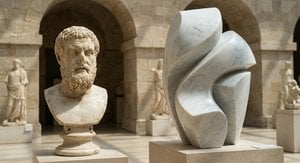
The Enduring Allure of Marble in Art History: From Classical Sculpture to Modern Abstraction
Explore the captivating history of marble sculpture from ancient Greece to modern art. Discover renowned artists like Canova & Michelangelo, carving techniques, and investment insights at ArtsDot.

The Enduring Form: Sculpture Across History, Technique & Emotional Resonance
Explore the rich history of sculpture with ArtsDot. Discover key techniques, influential artists & investment potential for discerning collectors. Expert insights into valuing and collecting timeless masterpieces.

The Enduring Form: Exploring Themes & Techniques in Sculpture Across Historical Periods
Explore the rich history of sculpture from ancient masterpieces to contemporary innovations. Discover key techniques, influential artists & investment potential for discerning art collectors.

Bronze Sculptures That Defined Art History | ArtsDot
Journey through art history with our Top 10 bronze sculptures! Explore masterpieces by Rodin, Michelangelo & more. Discover stories behind iconic statues and find museum-quality reproductions for your home decor at ArtsDot.com.

Bronze Age to Modern Masters: 10 Sculptures That Redefined Art | ArtsDot
Journey through art history with 10 legendary bronze sculptures – from Michelangelo's David to Rodin’s Thinker. Explore the stories, techniques & timeless beauty of these masterpieces. Find museum-quality reproductions & elevate your home decor on ArtsDot.com.