

- 78.0 x 98.0 cm


Slika prati vaše izbore: , .
Opis kolekcionarskog predmeta
Explore Jan Toorop's Symbolist masterpiece, The Three Brides (1893), featuring intricate lines and deep psychological themes; discover this vision today.
 Prikaži više
Biografija umjetnika
Discover Jan Toorop (1858-1928), a Dutch Symbolist painter known for his unique blend of Javanese motifs, Art Nouveau lines, and Pointillism. Explore his captivating works reflecting mysticism, social commentary, and religious themes.
Ručno rađena uljana reprodukcija
Ručno oslikano uljanim bojama na platnu u dimenzijama i okviru po vašem izboru, izrađeno po narudžbi od strane naših umjetnika. ( Prebacite na printove Prebacite na digitalnu sliku)
Više o ovoj slici
 Pregledaj u realnoj veličini
 Pošalji
 Podijeli
 Detalji o umjetničkom djelu
 Vodič
Vodič

 Preuzmi umjetničko djelo
 Slični predmeti
 Rentgenska snimka
 Slide show
 Pitanja i odgovori
 Statistika
Naručite svoju sliku u četiri jednostavna koraka
Nemojte žuriti. Svoje odgovore možete promijeniti u bilo kojem trenutku; cijena u vašoj košarici ažurira se prema svakom odabiru.
1 Prvi od četiri koraka
Koju veličinu želite?
Ove dimenzije zadržavaju proporcije izvornog slikopisa. Crtež prikazuje vaš odabir na zidu, iznad dvometarskog kauča.
Ili unesite vlastite dimenzije
Odaberite jednu od naših unaprijed definiranih veličina koje odgovaraju izvornim proporcijama umjetničkog djela.

Unesite potrebnu širinu i visinu kako bi dimenzije odgovarale vašem okviru ili zidu. Budući da je riječ o ručno oslikanom djelu, umjetnik može malo proširiti rubove slike ili ih skratiti kako bi postigao drugačiji oblik — izbor je vaš. Prije početka slikanja poslat ćemo vam digitalni prikaz (mockup) radi potvrde. Slika prikazana na ovoj stranici ne predstavlja stvarni rezultat — samo digitalni prikaz to čini.
2 Drugi od četiri koraka
Kako želite da bude pripremljeno: u roli, na platnu ili u okviru?
Cijene u nastavku odnose se na dimenziju koju ste odabrali u prvom koraku.
Odaberite rubove platna
Odaberite svoj okvir

Bijela rubna traka €1

Zamućeni rubovi €1

Prošireno €1

P118B €10

P118H €10

P118W €10

P438Z €10

P508JH €12

P508YH €12

P805H €10

P805Z €10

P919BZ €10

P919G €10

P919XJ €10

P959ZH €10

P968JZ €12

W106C €8

W218G €10

W218JH €8

W218Y €10

W307PJ €10

W316G €10

W316PJ €8

W316Y €10

W398PJ €8

W4111J €10

W500HY €15

W500JH €15

W692G €12

W849H €8

W940BG €15

W953PJ €8

H24-GOLD €30

H24-SILVER €30

H36-GOLD €45

H36-SILVER €45
Uokvireno
Profil: . Ukupna veličina s okvirom: .
3 Treći od četiri koraka
Želite li nešto promijeniti na slici?
Većina ljudi odgovara s ne. Budući da je svaka slika ručni rad, naš umjetnik je može i prilagoditi vašim željama.
Nakon narudžbe, tim ArtsDot.com kontaktirat će klijenta putem e-pošte radi uputa te dostaviti pregledni prikaz (mockup)
4 Četvrti od četiri koraka
Nekoliko završnih opcija
Sve su opcije neobvezne. Odgovori koji su već odabrani ne podrazumijevaju dodatni trošak.
Tko je autor?
Isporuka širom svijeta () u roku od 3-4 tjedna umjesto standardnih 5 tjedana. (13 Studeni). Bez kompromisa u kvaliteti.
Pločica s natpisom, kao u muzeju?
Detalji gravirane brončane pločice
This elegant plaque features the artist's name and the title of the artwork, finely engraved for a timeless presentation.
It is made from bronze with a refined, elegant finish. The text is precisely laser-engraved for a sharp and permanent result. Measuring 9x2 cm, the plaque is compact yet easy to read. It's built to be durable and scratch-resistant, offering a professional, museum-quality look. Mounting is simple thanks to the included adhesive backing.
Detalji prozirne akrilne pločice
The plaque includes essential engraved details such as the artist's name, the title of the artwork, the date it was created, the type of media used-like oil on canvas or watercolor-a brief description of the piece, and a QR code that links to the complete artwork information.
It is crafted from clear acrylic, offering a sleek, modern appearance. The text is UV-engraved in black to ensure strong visual contrast. With a size of 10x15 cm, it ensures optimal readability. It comes equipped with two metal hooks for secure wall mounting. The plaque is designed to be weather-resistant, making it suitable for various environments, and it includes interactive features that work seamlessly with smartphone scanning.
Detalji crne akrilne pločice
This elegant plaque includes engraved information such as the artist's name, the title of the artwork, the date it was created, the type of media used (like oil on canvas or watercolor), a short description of the artwork, and a QR code for quick access to more information.
The plaque itself is made from refined black acrylic with a premium finish. The text is laser-engraved in white for high contrast and readability. Its size is 10x15 cm, designed to be easy to read. It comes with two metal hooks for professional mounting. The design is sleek and fits any interior style. It is also weather-resistant and durable, with built-in digital integration for mobile compatibility.
Zaštitni lak?
Kada vam je potrebno?
✓ Provjerite i naručite
Vaša slika, prema vašoj narudžbi

The three brides
Tehnika reprodukcije
Veličina reprodukcije
-

Odabrani vrhunski umjetnik
Više detalja, profinjenosti i dodatnog vremena za izradu
-

Okvir za reprodukciju
-
-
Za umjetnička djela ili reprodukcije veće od 105 cm (približno 41 inč) na bilo kojoj strani, okvir će biti isporučen u obliku rastavljenog seta za montažu. Ovaj način osigurava sigurnu dostavu i sprječava oštećenja tijekom transporta.
Potrebna je profesionalna montaža – ovo nije proizvod za samostalnu izradu.
Set mora sastaviti i platno zategnuti iskusni profesionalni uokvirivač, koristeći drvno ljepilo (nije uključeno u set), kljeste za zatezanje platna i stege kako bi se održao pravilan kut letvica dok se ljepilo suši. Nepravilna montaža ili neravnomjerno zategnuto platno mogu trajno oštetiti umjetničko djelo, a takva oštećenja nisu pokrivena našim jamstvom.
 Za umjetnička djela ili reprodukcije veće od 105 cm (približno 41 inč) na bilo kojoj strani, okvir će biti isporučen u obliku rastavljenog seta za montažu. Ovaj način osigurava sigurnu dostavu i sprječava oštećenja tijekom transporta.
Sve letvice od punog drveta su uključene, precizno izrezane po mjeri.
Montira se pomoću priloženih vijaka, uz dodatak ljepila za drvo za spojeve u kutovima, koje nije uključeno u set i koje vaš okviraš mora vlastito nabaviti.
Potrebni su profesionalni alati koji nisu uključeni: škripc za zatezanje platna (zatezač) i stezaljke za održavanje pravokonačnosti letvica tijekom sušenja ljepila.
Važno:
Za spojeve u kutovima potrebno je ljepilo za drvo, letvice se moraju pričvrstiti stezgama dok se ljepilo potpuno ne osuši, a za zatezanje platna na sastavljenom okviru potreban je alat za zatezanje platna. Nijedan od ovih alata nije uključen u set. Molimo vas da prije narudžbe ove veličine osigurate uslugu iskusnog profesionalnog uokvirivača.

Natpisna pločica
-
-

Zaštitni lak
Sjajni lak (pojačava intenzitet boja, štiti od svjetlosti i vlage)
-

Prilagodite svoje umjetničko djelo
Primjeri mogućnosti prilagodbe: Zamijenite lice fotografijom kupca; Dodajte ljubimca (npr. zamijenite mačku psom); Uključite skrivenu poruku u pozadinu; Promijenite pejzaž ili elemente pozadine.
-

Hitna dostava
Globalna dostava () u roku od 3-4 tjedna umjesto standardnih 5 tjedana. (13 Studeni). Bez kompromisa u kvaliteti.
-
Brza dostava
Dostava širom svijeta () u roku od 5 tjedana. (20 Studeni).
Uključeno u cijenu
Ukupna cijena
€ 235
Opcija stakla dostupna je samo za dimenzije manje od 110 cm
Uključeno uz svaku narudžbu
- Besplatna ekspresna dostava širom svijeta
- Visokokvalitetno laneno platno
- Potpuno osiguranje dostave
- Jamstvo povrata carine i uvoznih poreza
- Jamstvo vjernosti boja
- Politika povrata u roku od 100 dana (samo u slučaju nedostataka)
- Jamstvo povrata 100% novca
- Popust na više proizvoda


Jan Toorop’s “The Three Brides”: A Symbolist Exploration of Choice and Desire
Jan Toorop (1858–1928), a Dutch painter who defied convention and forged his own distinctive path within the artistic landscape of the late nineteenth century, stands as a pivotal figure in Symbolism—a movement that sought to transcend mere representation and delve into the realm of psychological introspection. “The Three Brides,” completed in 1893, exemplifies Toorop’s signature style: dynamic lines inspired by Javanese motifs interwoven with stylized willow figures and intricate curvilinear designs—a bold departure from Impressionistic realism and a testament to his unwavering fascination with Eastern aesthetics blended seamlessly with Western artistic innovation.
Historical Context & Influences
Symbolism emerged as a reaction against the materialism and scientific rationalism prevalent in Victorian society. Artists like Toorop rejected literal depiction, prioritizing instead the conveyance of inner emotions and spiritual truths. The movement drew heavily from Nietzschean philosophy—particularly the concept of Will to Power—and embraced esoteric traditions, including Kabbalah and Tarot. Toorop’s exposure to these influences profoundly shaped his artistic vision, informing his preoccupation with themes of duality, sacrifice, and transcendence.
Composition & Technique
“The Three Brides” is rendered in monochrome—a deliberate choice that underscores its symbolic significance. Toorop employs a Pointillist technique—applying tiny dots of color to create an optical illusion of texture and luminosity—resulting in a surface shimmering with subtle hues. The composition itself is carefully constructed, featuring three women positioned against a backdrop of stylized willow trees and a choir singing about the dangers awaiting the bride. The central figure dominates the canvas, embodying innocence and spiritual aspiration, while her counterparts represent earthly desire and evil.
Symbolism & Interpretation
The painting operates on multiple levels of symbolic interpretation. The Madonna-like woman on the left symbolizes piety and abstinence—the pursuit of divine grace. Conversely, the woman on the right embodies sensual indulgence and demonic influence—representing the antithesis of spiritual purity. The string of skulls adorning her chest serves as a stark reminder of mortality and the inevitability of suffering. The handmaidens bearing bells and lilies symbolize fertility and rebirth, highlighting the overarching theme of choice: the bride must decide between embracing asceticism or succumbing to worldly temptations.
Emotional Impact & Legacy
"The Three Brides" resonates with viewers through its exploration of fundamental human dilemmas—the conflict between spiritual aspiration and sensual desire. Toorop’s masterful use of line and color creates a palpable sense of tension and drama, capturing the psychological complexities inherent in the female experience. Considered one of Toorop's most ambitious works, it continues to inspire artists and scholars alike, cementing his place as a pioneer of Symbolist vision and a champion of artistic innovation.
Pitanja i odgovori
Koje raspoloženje izražava "The three brides" autora Jan Toorop unutar Symbolist Painting?
"The three brides" odiše Mysterious emocionalnim tonom unutar pokreta Symbolist Painting.
Koja boja najviše dolazi do izražaja u djelu "The three brides"?
Dominantna boja djela "The three brides" autora Jan Toorop je Clay (#8b6d42).
Preporučena veličina ispisa za "The three brides" je?
Za "The three brides" autora Jan Toorop preporučuje se reprodukcija dimenzija Medium. Veličina se može prilagoditi uz zadržavanje proporcija.
Srodna umjetnička djela


Jan Toorop
1858 - 1928, Indonesia
Biografija umjetnika
A Tapestry of East and West: The Visionary World of Jan Toorop
Johannes Theodorus Toorop, known to the world as Jan Toorop, was an artist whose soul seemed to exist in the delicate space between continents. Born in 1858 in Purworejo, on the lush island of Java in the Dutch East Indies, his early years were steeped in the vibrant cultural textures of Indonesia. This foundational connection to the East would later become the heartbeat of his most profound works. As a child, he moved from the island of Bangka to the bustling streets of Batavia, before eventually embarking on a transformative journey to the Netherlands in 1869. This migration was more than a change of geography; it was the beginning of a lifelong artistic dialogue between the rhythmic, calligraphic traditions of his birthplace and the burgeoning avant-garde movements of Europe.
Toorop’s formal education in Delft and Amsterdam provided him with a rigorous classical foundation, yet his spirit remained restless, seeking something far beyond mere academic realism. During his time at the Rijksakademie, he was exposed to the shimmering light of Impressionism, an influence that initially colored his early canvases with a soft, atmospheric quality. However, as he matured, Toorop began to move away from the objective recording of light and toward a deeper, more psychological exploration of the human condition. His encounter with the Belgian painter William Degouve de Nuncques proved to be a pivotal moment, sparking a collaborative energy that would lead him into the heart of the Symbolist movement.
The Language of Lines and Symbolism
By the 1880s, Toorop had emerged as a leading figure in the Symbolist circle, joining influential groups such as L'Essor and Les XX in Brussels. It was during this period that his signature style truly began to crystallize—a breathtaking synthesis of disparate worlds. He moved away from the fleeting moments of Impressionism toward a more structured, yet intensely emotive, aesthetic. His work became characterized by long, sinuous, and unpredictable lines that seemed to dance across the canvas with a life of their and. These curvilinear designs were not merely decorative; they were deeply rooted in Javanese motifs and calligraphy, lending his paintings an almost hypnotic, rhythmic quality.
In this Symbolist phase, Toorop utilized highly stylized, willow-like figures to convey profound spiritual and psychological states. His canvases became landscapes of the mind, where mysticism and social commentary intertwined. He explored themes of religious devotion, mortality, and the subconscious, often using intricate patterns to create a sense of enclosure or infinite expansion. This period saw him experimenting with various techniques, including Pointillism and Neo-Impressionism, yet he always maintained that unique, flowing line that made a Toorop masterpiece instantly recognizable. His ability to blend the decorative elegance of Art Nouveau with the heavy emotional weight of Symbolism allowed him to capture the anxieties and aspirations of a changing fin de siècle Europe.
Legacy and Artistic Significance
The breadth of Jan Toorop’s career is a testament to his refusal to be confined by a single movement. He navigated through Realism, Impressionism, and Symbolism with the grace of a master weaver, constantly pulling new threads into his creative tapestry. His later years, spent in places like Domburg, saw him working alongside other luminaries such as Piet Mondrian, proving that his influence extended into the very foundations of modern abstraction. While his work often touched upon the mystical and the religious, it remained grounded in a profound humanism, reflecting the complex social shifts of the late nineteenth and early twentieth centuries.
Today, Toorop is remembered not just as a Dutch painter, but as a pioneer of a truly global aesthetic. His legacy lies in his successful bridge-building:
- Cultural Synthesis: He seamlessly integrated Eastern Javanese aesthetics with Western European modernism.
- Stylistic Versatility: His mastery over diverse techniques, from the delicate dots of Pointillism to the bold strokes of Art Nouveau.
- Emotional Depth: His ability to use decorative line and form to communicate complex psychological and spiritual truths.
Srodni članci
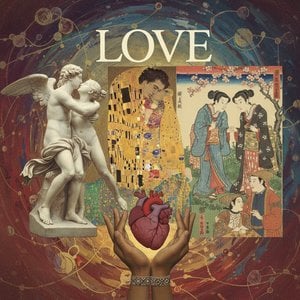
The Enduring Motif of Love in Art History: A Cross-Cultural Exploration of Representation and Emotion
Explore the rich history of love in art! Discover iconic masterpieces, artistic techniques & cultural symbolism from antiquity to modern times. Expert analysis for collectors.

Oil on Canvas: A Historical & Technical Exploration of a Timeless Artistic Medium
Explore the rich history & enduring techniques of oil painting on canvas. Discover the science behind its longevity, conservation practices, and contemporary relevance. Expert insights for art enthusiasts.
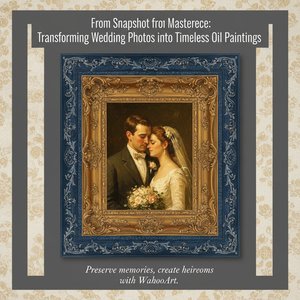
From Snapshot to Masterpiece: Transforming Wedding Photos into Timeless Oil Paintings
Transform your cherished wedding photos into stunning, heirloom-quality oil paintings. Our skilled artists create bespoke portraits that capture the emotion & legacy of your special day. Discover the art of preserving memories with ArtsDot.