


 Pregledaj u stvarnoj veličini
 Podijeli
 Podijeli
 Detalji
 Vodič
Vodič

 Preuzmi datoteku
 Slični predmeti
 Rentgenska snimka
 Slide show
 Statistika
Village Fair at the Windmill

 Pročitajte više
Giclée / Umjetnički otisak
Giclée tisak muzejske kvalitete ili otisak na platnu uz brzu proizvodnju i fleksibilne opcije završne obrade. ( Naručite ručno oslikano reprodukciju Prebacite na digitalnu prodaju slika)




P118B €10

P118H €10

P118W €10

P438Z €10

P508JH €12

P508YH €12

P805H €10

P805Z €10

P919BZ €10

P919G €10

P919XJ €10

P959ZH €10

P968JZ €12

W106C €8

W218G €10

W218JH €8

W218Y €10

W307PJ €10

W316G €10

W316PJ €8

W316Y €10

W398PJ €8

W4111J €10

W500HY €15

W500JH €15

W692G €12

W849H €8

W940BG €15

W953PJ €8




Odaberite jednu od naših unaprijed definiranih veličina koje odgovaraju izvornim proporcijama umjetničkog djela.

Unesite širinu i visinu koja vam je potrebna, kako bi odgovarali vašem okviru ili zidu. Print se može samo izrezati, nikada ne može biti veći od slike, stoga veličina s drugačijim oblikom gubi dio slike. Šaljemo vam digitalni prikaz (mockup) na odobrenje prije bilo kakve štampe. Slika prikazana na ovoj stranici ne prikazuje stvarni rez — to čini samo digitalni prikaz.
Dostava širom svijeta () u roku od 2 tjedna umjesto standardnih 4/5 tjedana. (26 Listopad)

Besplatna ekspresna dostava širom svijeta

Visokokvalitetno laneno platno

Potpuno osiguranje transporta

Jamstvo povrata carine i uvoznih poreza

Jamstvo vjernosti boja

Politika povrata u roku od 100 dana (samo u slučaju nedostataka)

Jamstvo povrata 100% novca

Popust na više proizvoda
 Opcija stakla dostupna je samo za dimenzije manje od 110 cm

Village Fair at the Windmill
Giclée / Umjetnički otisak
Veličina reprodukcije
-


Ukupna cijena
€ 54
Village Fair at the Windmill – A Study in Contrasts
James Ensor’s “Village Fair at the Windmill” isn't merely a depiction of a rural scene; it’s a meticulously crafted tableau brimming with psychological depth and unsettling symbolism—a hallmark of the artist’s distinctive style. Painted sometime around 1890, this monochrome masterpiece resides within the collection of the Koninklijk Museum voor Schone Kunsten Antwerpen (KMA), offering visitors a glimpse into Ensor's profound engagement with themes of mortality, masquerade, and societal anxieties.- Subject Matter: The painting captures a vibrant village celebration centered around a windmill—a commonplace element of Dutch landscape but transformed by Ensor’s artistic vision into something far more significant. Figures populate the foreground, moving about in front of the imposing windmill structure, creating a dynamic interplay between stillness and movement.
- Style & Technique: Ensor employed a masterful technique of etching and drypoint—a process known for its ability to produce tonal variations and textural nuances—resulting in an image dominated by shades of grey. This deliberate choice amplifies the painting’s mood, emphasizing the dramatic contrasts between light and shadow and contributing to its overall sense of unease.
Historical Context & Ensor's Artistic Influences
The late 1880s and early 1890s witnessed a burgeoning Expressionist movement, fueled by artists grappling with the anxieties of modernity and rejecting academic conventions. Ensor’s work aligns squarely within this influential tradition, responding to the intellectual currents of his time—particularly Nietzsche's philosophy of nihilism—and drawing inspiration from Symbolist painters like Gustave Moreau and Edvard Munch. Like these contemporaries, Ensor sought to convey emotion rather than represent reality objectively, prioritizing psychological insight over visual accuracy.- Symbolism: The windmill itself serves as a potent symbol – representing both progress (the turning blades) and decay (its weathered appearance). Furthermore, the figures in the painting are rendered with grotesque distortions, mirroring Ensor’s preoccupation with masks and disguises—a motif recurrent throughout his oeuvre. These distorted faces hint at hidden anxieties and expose the fragility of human identity beneath a veneer of social conformity.
- Emotional Impact: “Village Fair at the Windmill” evokes a palpable sense of melancholy and apprehension. The muted palette, combined with Ensor’s unsettling portrayal of human figures, compels viewers to confront uncomfortable truths about existence—the inevitability of death, the absurdity of societal rituals, and the pervasive presence of darkness within even seemingly idyllic landscapes.
Ensor's Legacy & Reproduction Considerations
James Ensor’s contribution to modern art is undeniable. He challenged artistic norms, championed psychological exploration, and established a distinctive visual language that continues to resonate with artists today. ArtsDot offers exceptional reproductions of “Village Fair at the Windmill,” meticulously crafted from high-resolution scans of the original etching plate—allowing collectors and enthusiasts alike to experience the artwork’s profound beauty and unsettling power in stunning detail. Explore our collection now: Explore NowPitanja i odgovori
Postoji li informativna stranica o "Village Fair at the Windmill" autora James Ensor za studente?
Dostupna je stranica Vodič za "Village Fair at the Windmill" autora James Ensor: isprintana informativnica o umjetničkom djelu, dizajnirana za učenike i upotrebu u učionici.
Kolika je luminancija djela "Village Fair at the Windmill" autora James Ensor?
"Village Fair at the Windmill" autora James Ensor ima luminancu od Bright Balance. Luminancija opisuje koliko se čini da boje reflektiraju svjetlosti.
Pod kojim drugim imenima ili pseudonimima poznat je/poznata je James Ensor?
James Ensor pojavljuje se pod drugim imenima James Sidney Edouard Ensor, Baron Ensor.
Srodna umjetnička djela


Biografija umjetnika
James Ensor (1860-1949): A Pioneer of Expressionism & Surrealism
James Sidney Edouard Ensor, Baron Ensor (Ostend, 13 April 1860 – 19 November 1949) was a Belgian painter and printmaker who stands as one of the most influential figures in the development of Expressionism and Surrealism. Born into an English father and Belgian mother—a duality that profoundly shaped his artistic worldview—Ensor defied convention from the outset, rejecting academic formalism for a bold exploration of psychological depth and grotesque imagery.
Early Influences & Artistic Training
His formative years were marked by exposure to the vibrant atmosphere of Ostend’s seaside resort town, where his parents operated a souvenir shop brimming with curiosities—a veritable cabinet of wonders that ignited his imagination. From 1876 until 1880 he studied at the Académie Royale des Beaux-Arts in Brussels, alongside fellow students like Fernand Khnopff and Theo Van Rysselberghe, where Jean Portales instilled in him a commitment to artistic innovation.
A Shift Towards Grotesque Vision & Expressionist Style
Ensor’s early paintings reflected a more traditional approach, depicting scenes of everyday life rendered in somber tones. However, he swiftly abandoned these conventions as he embraced the expressive qualities of light, line, and color—a decisive move toward Expressionism. Influenced by Rembrandt, Goya, and Japanese woodcuts, Ensor developed a distinctive iconography characterized by unsettling juxtapositions and symbolic references to death and decay.
Key Masterpieces & Recurring Themes
His most celebrated works – including *Christ’s Entry into Brussels* (1888-1889), *The Scandalized Masks* (1883) and *Skeletons Fighting over a Hanged Man* (1891) – exemplify his unwavering commitment to confronting uncomfortable truths and exploring the darkest recesses of human psychology. These paintings are not merely aesthetically striking; they serve as powerful critiques of societal norms, religious hypocrisy, and the absurdity of existence.
Legacy & Influence
James Ensor’s artistic legacy extends far beyond his own lifetime. He is recognized as a pivotal catalyst in the transition from Symbolism to Expressionism and Surrealism—a true pioneer who challenged artistic conventions and paved the way for future generations of artists. His fearless exploration of the subconscious, combined with his masterful use of grotesque imagery and symbolic language, continues to inspire artists today.

James Ensor
1860 - 1949 , België
Brzi pregled
- Artistic Movement Or Style: Expressionism, Surrealism
- Artists Who Influenced This Artist:
- Bruegel the Elder
- Francisco Goya
- Whistler
- Date Of Birth: April 13, 1860
- Date Of Death: November 19, 1949
- Full Name: James Sidney Edouard Ensor
- Nationality: Belgian
- Notable Artworks:
- The Scandalized Masks
- Skeletons Fighting...
- Christ's Entry into Brussels
- Place Of Birth: Ostend, Belgium
Povezani članci

Dark Masterpieces: 10 Iconic Paintings Dominated by Black Tones |
Explore 10 iconic paintings dominated by black tones, from Rembrandt’s chiaroscuro to Goya's dark expressions. Discover the stories behind these masterpieces & find museum-quality art reproductions for your home at .

James Ensor's Grotesque Visions: Social Commentary & Artistic Innovation
Explore the unsettling yet captivating world of James Ensor, a pioneer of Expressionism. Discover his satirical masterpieces, symbolic imagery & lasting influence on modern art. High-quality reproductions available at ArtsDot.

James Abbott McNeill Whistler: 25 Remek-djela Majstora Tonalizma | ArtsDot
Istražite 25 remek-djela Jamesa Abbotta McNeilla Whistlera, majstora tonalizma i američkog impresionizma. Otkrijte priče iza njegovih čuvenih 'Nocturna' i portreta te pronađite inspiraciju za luksuznu dekoraciju interijera na ArtsDot.com.

Sir Alfred Munnings' Masterpieces: 25 Paintings That Define Equine Art | ArtsDot
Explore 25 iconic Sir Alfred Munnings paintings! Discover the beauty of British Impressionism, equine art & rural England. Find museum-quality reproductions and elevate your home decor with ArtsDot. Explore the full collection online.
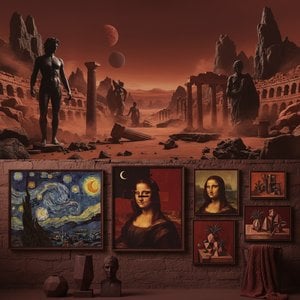
Mars Black Masterpieces: 10 Iconic Paintings & Timeless Art Decor Ideas
Delve into the power of 'Mars Black' with 10 iconic paintings by masters like Rembrandt & Caravaggio. Explore dramatic chiaroscuro, gothic art, and timeless beauty. Find museum-quality reproductions & elevate your home decor on .


