


 Pregledaj u realnoj veličini
 Pošalji
 Podijeli
 Detalji o umjetničkom djelu
 Vodič
Vodič

 Preuzmi umjetničko djelo
 Slični predmeti
 Rentgenska snimka
 Slide show
 Q&A
Q&A Statistika
The Cab

 Prikaži više
Ručno rađena uljana reprodukcija
Ručno oslikano uljanim bojama na platnu u dimenzijama i okviru po vašem izboru, izrađeno po narudžbi od strane naših umjetnika. ( Prebacite na printove Prebacite na digitalnu sliku)




P118B €10

P118H €10

P118W €10

P438Z €10

P508JH €12

P508YH €12

P805H €10

P805Z €10

P919BZ €10

P919G €10

P919XJ €10

P959ZH €10

P968JZ €12

W106C €8

W218G €10

W218JH €8

W218Y €10

W307PJ €10

W316G €10

W316PJ €8

W316Y €10

W398PJ €8

W4111J €10

W500HY €15

W500JH €15

W692G €12

W849H €8

W940BG €15

W953PJ €8




Odaberite jednu od naših unaprijed definiranih veličina koje odgovaraju izvornim proporcijama umjetničkog djela.

Unesite potrebnu širinu i visinu kako bi dimenzije odgovarale vašem okviru ili zidu. Budući da je riječ o ručno oslikanom djelu, umjetnik može malo proširiti rubove slike ili ih skratiti kako bi postigao drugačiji oblik — izbor je vaš. Prije početka slikanja poslat ćemo vam digitalni prikaz (mockup) radi potvrde. Slika prikazana na ovoj stranici ne predstavlja stvarni rezultat — samo digitalni prikaz to čini.
Nakon narudžbe, tim ArtsDot.com kontaktirat će klijenta putem e-pošte radi dobivanja uputa te dostaviti probni prikaz (mockup)
Isporuka širom svijeta () u roku od 3-4 tjedna umjesto standardnih 5 tjedana. (28 Listopad). Bez kompromisa u kvaliteti.

Besplatna ekspresna dostava širom svijeta

Visokokvalitetno laneno platno

Potpuno osiguranje dostave

Jamstvo povrata carine i uvoznih poreza

Jamstvo vjernosti boja

Politika povrata u roku od 100 dana (samo u slučaju nedostataka)

Jamstvo povrata 100% novca

Popust na više proizvoda
 Opcija stakla dostupna je samo za dimenzije manje od 110 cm

The Cab
Tehnika reprodukcije
Veličina reprodukcije
-


Ukupna cijena
€ 232
A Glimpse into Ensor’s World: Decoding ‘The Cab’
James Ensor's *The Cab* is a captivating engraving that offers a window into the artist’s unique vision and his pivotal role in the development of Expressionism. More than just a depiction of everyday life, this work pulsates with an unsettling energy, hinting at deeper psychological currents beneath the surface. The scene presents a horse-drawn carriage – the ‘cab’ itself – dominating the composition, pulled by two horses and guided by a formally dressed driver. This seemingly mundane subject is rendered with a striking intensity that transcends simple representation.Style & Technique: A Master of Line
Ensor's mastery of engraving is immediately apparent in *The Cab*. The stark contrast between black and white creates a dramatic visual impact, emphasizing the textures of the scene – the rough coat of the horses, the polished carriage, and the muddy road. His technique isn’t about precise detail; rather, it prioritizes capturing movement and atmosphere through dynamic lines and carefully considered shading. This approach is characteristic of his style, which balances meticulous craftsmanship with a deliberately unsettling aesthetic. The loose, gestural quality of the lines imbues the scene with a sense of instability and urgency, as if the carriage is perpetually in motion.Historical Context: Forerunner of Expressionism
Created during a period of significant artistic upheaval, *The Cab* reflects Ensor’s rejection of academic conventions and his embrace of subjective experience. As a key figure in the transition from Impressionism to Expressionism, he paved the way for artists like Edvard Munch and Wassily Kandinsky who would later explore the depths of human emotion through distorted forms and bold colors. Ensor’s work, including pieces like *The Despair of Pierrot*, often featured grotesque imagery and a sardonic view of society – themes that resonate subtly within *The Cab*. The late 19th century was a time of rapid social change and growing anxieties, which found expression in the art of this period.Symbolism & Interpretation: Beyond the Surface
While seemingly straightforward, *The Cab* invites multiple interpretations. The carriage itself can be seen as a symbol of transition, journey, or even isolation. The driver, shrouded in formality, might represent societal constraints or the impersonal forces that govern modern life. The muddy road suggests hardship and uncertainty, while the overall atmosphere evokes a sense of melancholy. Ensor often employed symbolism to critique social norms and explore the darker aspects of human nature, and *The Cab* is no exception. It’s a work that rewards careful observation and contemplation.Emotional Impact & Aesthetic Appeal
*The Cab* isn't merely a visual representation; it’s an emotional experience. The engraving evokes feelings of unease, transience, and perhaps even a touch of foreboding. Its monochromatic palette and dynamic composition create a powerful aesthetic impact that lingers in the mind long after viewing. This piece would be a striking addition to any collection, lending a sophisticated yet unsettling atmosphere to a space. It’s particularly well-suited for interiors seeking a blend of historical significance and artistic intrigue.Further Exploration
- Discover other notable works by James Ensor: The Despair of Pierrot and The Intrigue.
- Explore the broader movement of Expressionism and its influence on modern art.
- Consider pairing *The Cab* with works by contemporaries like Wassily Kandinsky or Edvard Munch to create a compelling dialogue between artistic visions.
Pitanja i odgovori
Mogu li vidjeti rentgenski prikaz djela "The Cab" autora James Ensor?
Djelo "The Cab" možete istraživati sloj po sloj na stranici Rentgenska snimka, koja nudi interaktivni pregled inspiriran restauratorskim svjetlosnim stolom, s jedanaest optičkih prikaza slike.
Koje motive i atmosferu spaja "The Cab" autora James Ensor?
"The Cab" autora James Ensor spaja dark carriage, muddy road scene, stormy weather, melancholy mood, travel & journey, belgian art, expressionist style s Dramatic atmosferom.
Gdje mogu kupiti digitalnu sliku djela "The Cab" autora James Ensor?
"The Cab" dostupan je kao preuzimanje digitalne slike visoke rezolucije, uz izravnu kupnju na njegovoj Digitalna umjetnina stranici.
Srodna umjetnička djela


Biografija umjetnika
James Ensor (1860-1949): A Pioneer of Expressionism & Surrealism
James Sidney Edouard Ensor, Baron Ensor (Ostend, 13 April 1860 – 19 November 1949) was a Belgian painter and printmaker who stands as one of the most influential figures in the development of Expressionism and Surrealism. Born into an English father and Belgian mother—a duality that profoundly shaped his artistic worldview—Ensor defied convention from the outset, rejecting academic formalism for a bold exploration of psychological depth and grotesque imagery.
Early Influences & Artistic Training
His formative years were marked by exposure to the vibrant atmosphere of Ostend’s seaside resort town, where his parents operated a souvenir shop brimming with curiosities—a veritable cabinet of wonders that ignited his imagination. From 1876 until 1880 he studied at the Académie Royale des Beaux-Arts in Brussels, alongside fellow students like Fernand Khnopff and Theo Van Rysselberghe, where Jean Portales instilled in him a commitment to artistic innovation.
A Shift Towards Grotesque Vision & Expressionist Style
Ensor’s early paintings reflected a more traditional approach, depicting scenes of everyday life rendered in somber tones. However, he swiftly abandoned these conventions as he embraced the expressive qualities of light, line, and color—a decisive move toward Expressionism. Influenced by Rembrandt, Goya, and Japanese woodcuts, Ensor developed a distinctive iconography characterized by unsettling juxtapositions and symbolic references to death and decay.
Key Masterpieces & Recurring Themes
His most celebrated works – including *Christ’s Entry into Brussels* (1888-1889), *The Scandalized Masks* (1883) and *Skeletons Fighting over a Hanged Man* (1891) – exemplify his unwavering commitment to confronting uncomfortable truths and exploring the darkest recesses of human psychology. These paintings are not merely aesthetically striking; they serve as powerful critiques of societal norms, religious hypocrisy, and the absurdity of existence.
Legacy & Influence
James Ensor’s artistic legacy extends far beyond his own lifetime. He is recognized as a pivotal catalyst in the transition from Symbolism to Expressionism and Surrealism—a true pioneer who challenged artistic conventions and paved the way for future generations of artists. His fearless exploration of the subconscious, combined with his masterful use of grotesque imagery and symbolic language, continues to inspire artists today.

James Ensor
1860 - 1949 , België
Osnovne informacije
- Artistic Movement Or Style: Expressionism, Surrealism
- Artists Who Influenced This Artist:
- Bruegel the Elder
- Francisco Goya
- Whistler
- Date Of Birth: April 13, 1860
- Date Of Death: November 19, 1949
- Full Name: James Sidney Edouard Ensor
- Nationality: Belgian
- Notable Artworks:
- The Scandalized Masks
- Skeletons Fighting...
- Christ's Entry into Brussels
- Place Of Birth: Ostend, Belgium
Srodni članci

James Ensor's Grotesque Visions: Social Commentary & Artistic Innovation
Explore the unsettling yet captivating world of James Ensor, a pioneer of Expressionism. Discover his satirical masterpieces, symbolic imagery & lasting influence on modern art. High-quality reproductions available at ArtsDot.

White on Canvas: 10 Masterpieces & Timeless Elegance for Your Home Decor
Explore 10 iconic white paintings by Monet, Whistler & Rothko! Discover the stories behind these serene masterpieces and their impact on art history. Find museum-quality reproductions for your home decor at .

James Abbott McNeill Whistler: 25 Remek-djela Majstora Tonalizma | ArtsDot
Istražite 25 remek-djela Jamesa Abbotta McNeilla Whistlera, majstora tonalizma i američkog impresionizma. Otkrijte priče iza njegovih čuvenih 'Nocturna' i portreta te pronađite inspiraciju za luksuznu dekoraciju interijera na ArtsDot.com.

Dark Masterpieces: 10 Iconic Paintings Dominated by Black Tones |
Explore 10 iconic paintings dominated by black tones, from Rembrandt’s chiaroscuro to Goya's dark expressions. Discover the stories behind these masterpieces & find museum-quality art reproductions for your home at .
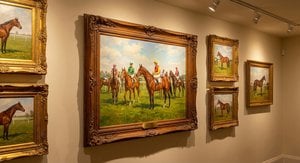
Sir Alfred Munnings' Masterpieces: 25 Paintings That Define Equine Art | ArtsDot
Explore 25 iconic Sir Alfred Munnings paintings! Discover the beauty of British Impressionism, equine art & rural England. Find museum-quality reproductions and elevate your home decor with ArtsDot. Explore the full collection online.


