


The picture follows your choices: , .
Opis kolekcionarskog predmeta
Explore James Ensor's 'Le marche a Ostende'! This unsettling Belgian street scene, brimming with masked figures and social commentary, captures the essence of a bustling coastal town. A masterpiece of Expressionism.
 Prikaži više
Biografija umjetnika
James Ensor bio je belgijski ekspresionista i surrealista poznat po svojim uznemirujućim djelima koje prikazuju maske, karneval i kostiju, promičući inovativnu umjetničku estetiku i izazivajući kritički pogled na društvo.
Ručno rađena uljana reprodukcija
Ručno oslikano uljanim bojama na platnu u dimenzijama i okviru po vašem izboru, izrađeno po narudžbi od strane naših umjetnika. ( Prebacite na printove Prebacite na digitalnu sliku)
More about this painting
 Pregledaj u realnoj veličini
 Pošalji
 Podijeli
 Detalji o umjetničkom djelu
 Vodič
Vodič

 Preuzmi umjetničko djelo
 Slični predmeti
 Rentgenska snimka
 Slide show
 Q&A
Q&A Statistika
Order your painting in four simple steps
Take your time. You can change any answer; the price in your order card follows each choice.
1 Step one of four
Which size would you like?
These sizes keep the proportions of the original painting. The drawing shows your choice on a wall, above a two-metre sofa.
Or give your own measurements
Odaberite jednu od naših unaprijed definiranih veličina koje odgovaraju izvornim proporcijama umjetničkog djela.

Unesite potrebnu širinu i visinu kako bi dimenzije odgovarale vašem okviru ili zidu. Budući da je riječ o ručno oslikanom djelu, umjetnik može malo proširiti rubove slike ili ih skratiti kako bi postigao drugačiji oblik — izbor je vaš. Prije početka slikanja poslat ćemo vam digitalni prikaz (mockup) radi potvrde. Slika prikazana na ovoj stranici ne predstavlja stvarni rezultat — samo digitalni prikaz to čini.
2 Step two of four
How should it be prepared: rolled, stretched or framed?
The prices below are for the size you chose in step one.
Choose the edges of the stretched canvas
Choose your frame

White €1

Blurside €1

Extended €1

P118B €10

P118H €10

P118W €10

P438Z €10

P508JH €12

P508YH €12

P805H €10

P805Z €10

P919BZ €10

P919G €10

P919XJ €10

P959ZH €10

P968JZ €12

W106C €8

W218G €10

W218JH €8

W218Y €10

W307PJ €10

W316G €10

W316PJ €8

W316Y €10

W398PJ €8

W4111J €10

W500HY €15

W500JH €15

W692G €12

W849H €8

W940BG €15

W953PJ €8

H24-GOLD €30

H24-SILVER €30

H36-GOLD €45

H36-SILVER €45
Uokvireno
Moulding: . Overall size with the frame: .
3 Step three of four
Would you like anything changed in the painting?
Most people answer no. Because each painting is made by hand, our artist can also adapt it for you.
After order, ArtsDot.com team will email client for instructions and provide a mockup preview
4 Step four of four
A few finishing options
All of them are optional. The answers already selected cost nothing extra.
Who paints it?
Isporuka širom svijeta () u roku od 3-4 tjedna umjesto standardnih 5 tjedana. (2 Studeni). Bez kompromisa u kvaliteti.
A nameplate, as in a museum?
Detalji gravirane brončane pločice
This elegant plaque features the artist's name and the title of the artwork, finely engraved for a timeless presentation.
It is made from bronze with a refined, elegant finish. The text is precisely laser-engraved for a sharp and permanent result. Measuring 9x2 cm, the plaque is compact yet easy to read. It's built to be durable and scratch-resistant, offering a professional, museum-quality look. Mounting is simple thanks to the included adhesive backing.
Detalji prozirne akrilne pločice
The plaque includes essential engraved details such as the artist's name, the title of the artwork, the date it was created, the type of media used-like oil on canvas or watercolor-a brief description of the piece, and a QR code that links to the complete artwork information.
It is crafted from clear acrylic, offering a sleek, modern appearance. The text is UV-engraved in black to ensure strong visual contrast. With a size of 10x15 cm, it ensures optimal readability. It comes equipped with two metal hooks for secure wall mounting. The plaque is designed to be weather-resistant, making it suitable for various environments, and it includes interactive features that work seamlessly with smartphone scanning.
Detalji crne akrilne pločice
This elegant plaque includes engraved information such as the artist's name, the title of the artwork, the date it was created, the type of media used (like oil on canvas or watercolor), a short description of the artwork, and a QR code for quick access to more information.
The plaque itself is made from refined black acrylic with a premium finish. The text is laser-engraved in white for high contrast and readability. Its size is 10x15 cm, designed to be easy to read. It comes with two metal hooks for professional mounting. The design is sleek and fits any interior style. It is also weather-resistant and durable, with built-in digital integration for mobile compatibility.
A protective varnish?
When do you need it?
✓ Check and order
Your painting, as you ordered it

Le marche a Ostende
Tehnika reprodukcije
Veličina reprodukcije
-

Odabrani vrhunski umjetnik
Više detalja, profinjenosti i dodatnog vremena za izradu
-

Okvir za reprodukciju
-
-
Za umjetnička djela ili reprodukcije veće od 105 cm (približno 41 inč) na bilo kojoj strani, okvir će biti isporučen u obliku rastavljenog seta za montažu. Ovaj način osigurava sigurnu dostavu i sprječava oštećenja tijekom transporta.
Potrebna je profesionalna montaža – ovo nije proizvod za samostalnu izradu.
Set mora sastaviti i platno zategnuti iskusni profesionalni uokvirivač, koristeći drvno ljepilo (nije uključeno u set), kljeste za zatezanje platna i stege kako bi se održao pravilan kut letvica dok se ljepilo suši. Nepravilna montaža ili neravnomjerno zategnuto platno mogu trajno oštetiti umjetničko djelo, a takva oštećenja nisu pokrivena našim jamstvom.
 Za umjetnička djela ili reprodukcije veće od 105 cm (približno 41 inč) na bilo kojoj strani, okvir će biti isporučen u obliku rastavljenog seta za montažu. Ovaj način osigurava sigurnu dostavu i sprječava oštećenja tijekom transporta.
Sve letvice od punog drveta su uključene, precizno izrezane po mjeri.
Montira se pomoću priloženih vijaka, uz dodatak ljepila za drvo za spojeve u kutovima, koje nije uključeno u set i koje vaš okviraš mora vlastito nabaviti.
Potrebni su profesionalni alati koji nisu uključeni: škripc za zatezanje platna (zatezač) i stezaljke za održavanje pravokonačnosti letvica tijekom sušenja ljepila.
Važno:
Za spojeve u kutovima potrebno je ljepilo za drvo, letvice se moraju pričvrstiti stezgama dok se ljepilo potpuno ne osuši, a za zatezanje platna na sastavljenom okviru potreban je alat za zatezanje platna. Nijedan od ovih alata nije uključen u set. Molimo vas da prije narudžbe ove veličine osigurate uslugu iskusnog profesionalnog uokvirivača.

Natpisna pločica
-
-

Zaštitni lak
Sjajni lak (pojačava intenzitet boja, štiti od svjetlosti i vlage)
-

Prilagodite svoje umjetničko djelo
Primjeri mogućnosti prilagodbe: Zamijenite lice fotografijom kupca; Dodajte ljubimca (npr. zamijenite mačku psom); Uključite skrivenu poruku u pozadinu; Promijenite pejzaž ili elemente pozadine.
-

Hitna dostava
Globalna dostava () u roku od 3-4 tjedna umjesto standardnih 5 tjedana. (2 Studeni). Bez kompromisa u kvaliteti.
-
Brza dostava
Dostava širom svijeta () u roku od 5 tjedana. (9 Studeni).
Uključeno u cijenu
Ukupna cijena
€ 234
Opcija stakla dostupna je samo za dimenzije manje od 110 cm
Included with every order
- Besplatna ekspresna dostava širom svijeta
- Visokokvalitetno laneno platno
- Potpuno osiguranje dostave
- Jamstvo povrata carine i uvoznih poreza
- Jamstvo vjernosti boja
- Politika povrata u roku od 100 dana (samo u slučaju nedostataka)
- Jamstvo povrata 100% novca
- Popust na više proizvoda


A World Masked: James Ensor’s “Le Marche a Ostende”
James Ensor's "Le Marche a Ostende" – "The Market at Ostend" – isn’t merely a depiction of a Belgian seaside town; it’s a meticulously constructed psychological landscape, a vibrant tableau brimming with unsettling detail and profound social commentary. Painted in 1883, this oil on canvas offers a glimpse into the heart of Ostend, Ensor's birthplace and lifelong home, but filtered through an intensely personal and often darkly humorous lens. The scene unfolds along a bustling street, populated by figures caught in moments of quiet contemplation, hurried movement, and veiled observation – all rendered with a distinctive palette and a masterful command of form that firmly establishes Ensor as a pioneer of Expressionism. The painting’s power lies not just in its visual richness but in the palpable sense of unease it evokes, hinting at hidden anxieties and the complexities of human interaction beneath the surface of everyday life.The Artist's Context: Ostend and the Carnival Spirit
Ensor’s artistic development was inextricably linked to his upbringing in Ostend, a town renowned for its annual carnival – a riot of masks, costumes, and theatrical spectacle. His parents operated a souvenir shop overflowing with these very objects, providing him with an unparalleled visual vocabulary and a lifelong fascination with disguise and the performative aspects of identity. This constant exposure to the paraphernalia of carnival profoundly shaped his artistic vision, informing his choice of subject matter – particularly masks – and influencing his distinctive style. The painting itself can be seen as a distillation of this carnival atmosphere, capturing not just the physical setting but also its underlying spirit of illusion and hidden meanings. The figures in "Le Marche a Ostende" are themselves wearing metaphorical masks, concealing their true emotions and intentions behind carefully constructed facades.A Symphony of Color and Form: Ensor’s Technique
Ensor's technique is immediately recognizable – bold, expressive brushstrokes layered upon one another to create a textured surface that seems to vibrate with energy. He employs a deliberately flattened perspective, pushing figures forward into the foreground while simultaneously creating a sense of depth through carefully considered color relationships and subtle variations in tone. The palette is rich and saturated, dominated by deep blues, greens, and reds, punctuated by flashes of brighter hues – yellows, oranges, and pinks – that draw the eye to key elements within the composition. Notice how he uses impasto—thickly applied paint—to emphasize certain areas, particularly the faces of the figures, lending them a heightened sense of presence and emotional intensity. The use of contrasting colors and textures creates a dynamic visual experience, mirroring the chaotic energy of the bustling market scene.Symbolism and Social Commentary: Unmasking Ostend
Beyond its immediate visual appeal, "Le Marche a Ostende" is laden with symbolic meaning. The two principal figures – one gazing down at an unseen object, the other walking away – represent a fundamental disconnect between individuals, a sense of isolation within a crowd. The bench occupied by the seated couple suggests a fleeting moment of connection amidst the anonymity of the market. The presence of skeletons subtly hints at mortality and the ephemeral nature of human existence. More broadly, the painting can be interpreted as a critique of Ostend’s burgeoning bourgeois society – a society obsessed with appearances and preoccupied with superficial displays of wealth and status. Ensor's use of masks, both literal and figurative, serves to expose the hidden anxieties and contradictions that lie beneath the veneer of respectability. The painting is not simply a record of a street scene; it’s an invitation to delve deeper into the complexities of human nature and the social dynamics of a rapidly changing world.Bringing “Le Marche a Ostende” Home: A ArtsDot Reproduction
ArtsDot offers meticulously crafted, hand-painted reproductions of James Ensor's "Le Marche a Ostende," allowing you to experience this iconic artwork in stunning detail and vibrant color. Our skilled artists replicate Ensor’s distinctive brushwork and nuanced palette with the utmost precision, ensuring that your reproduction captures the painting’s original emotional impact. We offer various framing options to complement your personal style and décor, from classic wooden frames to contemporary metal designs. Invest in a ArtsDot reproduction of "Le Marche a Ostende" – not just an image, but a tangible connection to one of the most important figures in modern art. Explore our selection today and bring Ensor’s unsettling yet captivating vision into your home.Pitanja i odgovori
Za koju je prostoriju preporučeno djelo "Le marche a Ostende" autora James Ensor?
"Le marche a Ostende" autora James Ensor preporučuje se za Living Room. Ovaj prijedlog temelji se na temi, bojama i atmosferi djela.
Ima li "Le marche a Ostende" snažan kontrast svjetla i sjene?
Razina kontrasta djela "Le marche a Ostende" autora James Ensor je Balanced.
Koje emocije prenosi "Le marche a Ostende" autora James Ensor?
"Le marche a Ostende" povezuje se s Melancholic osjećajem. Emocionalni ton opisuje dojam koji djelo ostavlja.
Srodna umjetnička djela


James Ensor
1860 - 1949, België
Biografija umjetnika
James Ensor (1860-1949): A Pioneer of Expressionism & Surrealism
James Sidney Edouard Ensor, Baron Ensor (Ostend, 13 April 1860 – 19 November 1949) was a Belgian painter and printmaker who stands as one of the most influential figures in the development of Expressionism and Surrealism. Born into an English father and Belgian mother—a duality that profoundly shaped his artistic worldview—Ensor defied convention from the outset, rejecting academic formalism for a bold exploration of psychological depth and grotesque imagery.
Early Influences & Artistic Training
His formative years were marked by exposure to the vibrant atmosphere of Ostend’s seaside resort town, where his parents operated a souvenir shop brimming with curiosities—a veritable cabinet of wonders that ignited his imagination. From 1876 until 1880 he studied at the Académie Royale des Beaux-Arts in Brussels, alongside fellow students like Fernand Khnopff and Theo Van Rysselberghe, where Jean Portales instilled in him a commitment to artistic innovation.
A Shift Towards Grotesque Vision & Expressionist Style
Ensor’s early paintings reflected a more traditional approach, depicting scenes of everyday life rendered in somber tones. However, he swiftly abandoned these conventions as he embraced the expressive qualities of light, line, and color—a decisive move toward Expressionism. Influenced by Rembrandt, Goya, and Japanese woodcuts, Ensor developed a distinctive iconography characterized by unsettling juxtapositions and symbolic references to death and decay.
Key Masterpieces & Recurring Themes
His most celebrated works – including *Christ’s Entry into Brussels* (1888-1889), *The Scandalized Masks* (1883) and *Skeletons Fighting over a Hanged Man* (1891) – exemplify his unwavering commitment to confronting uncomfortable truths and exploring the darkest recesses of human psychology. These paintings are not merely aesthetically striking; they serve as powerful critiques of societal norms, religious hypocrisy, and the absurdity of existence.
Legacy & Influence
James Ensor’s artistic legacy extends far beyond his own lifetime. He is recognized as a pivotal catalyst in the transition from Symbolism to Expressionism and Surrealism—a true pioneer who challenged artistic conventions and paved the way for future generations of artists. His fearless exploration of the subconscious, combined with his masterful use of grotesque imagery and symbolic language, continues to inspire artists today.


Srodni članci
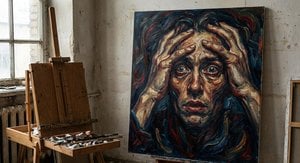
Figurative Expressionism: Emotional Intensity & Subjective Reality in 20th-Century Art
Explore the powerful world of Figurative Expressionism with ArtsDot. Discover key artists like Kirchner & Beckmann, understand its emotional depth, and learn how to collect this influential 20th-century art movement.

James Abbott McNeill Whistler: 25 Remek-djela Majstora Tonalizma | ArtsDot
Istražite 25 remek-djela Jamesa Abbotta McNeilla Whistlera, majstora tonalizma i američkog impresionizma. Otkrijte priče iza njegovih čuvenih 'Nocturna' i portreta te pronađite inspiraciju za luksuznu dekoraciju interijera na ArtsDot.com.

James Ensor's Grotesque Visions: Social Commentary & Artistic Innovation
Explore the unsettling yet captivating world of James Ensor, a pioneer of Expressionism. Discover his satirical masterpieces, symbolic imagery & lasting influence on modern art. High-quality reproductions available at ArtsDot.