


 Pregledaj u stvarnoj veličini
 Podijeli
 Podijeli
 Detalji
 Vodič
Vodič

 Preuzmi datoteku
 Slični predmeti
 Rentgenska snimka
 Slide show
 Statistika
Le Diable au Moulin


 Pročitajte više
Ručno rađena uljana reprodukcija
Ručno oslikano uljanim bojama na platnu u dimenzijama i okviru po vašem izboru, izrađeno po narudžbi od strane naših umjetnika. ( Prebacite na prodaju printova Prebacite na digitalnu prodaju slika)




P118B €10

P118H €10

P118W €10

P438Z €10

P508JH €12

P508YH €12

P805H €10

P805Z €10

P919BZ €10

P919G €10

P919XJ €10

P959ZH €10

P968JZ €12

W106C €8

W218G €10

W218JH €8

W218Y €10

W307PJ €10

W316G €10

W316PJ €8

W316Y €10

W398PJ €8

W4111J €10

W500HY €15

W500JH €15

W692G €12

W849H €8

W940BG €15

W953PJ €8




Odaberite jednu od naših unaprijed definiranih veličina koje odgovaraju izvornim proporcijama umjetničkog djela.

Unesite širinu i visinu koja vam je potrebna, kako bi odgovarali vašem okviru ili zidu. Budući da je ovo ručno oslikano djelo, umjetnik može malo proširiti rubove slike ili ih skratiti kako bi postigao željeni oblik — izbor je vaš. Prije početka slikanja poslat ćemo vam digitalni prikaz (mockup) radi potvrde. Slika prikazana na ovoj stranici ne predstavlja stvarni rezultat — samo digitalni prikaz to čini.
Nakon narudžbe, tim ArtsDot.com kontaktirat će klijenta putem e-pošte radi dobivanja uputa te dostaviti probni prikaz (mockup)
Isporuka širom svijeta () u roku od 3-4 tjedna umjesto standardnih 5 tjedana. (24 Listopad). Bez kompromisa u kvaliteti.

Besplatna ekspresna dostava širom svijeta

Visokokvalitetno laneno platno

Potpuno osiguranje transporta

Jamstvo povrata carine i uvoznih poreza

Jamstvo vjernosti boja

Politika povrata u roku od 100 dana (samo u slučaju nedostataka)

Jamstvo povrata 100% novca

Popust na više proizvoda
 Opcija stakla dostupna je samo za dimenzije manje od 110 cm

Le Diable au Moulin
Tehnika izrade
Veličina reprodukcije
-


Ukupna cijena
€ 231
A Descent into Shadow and Spectacle: James Ensor’s *Le Diable au Moulin*
James Ensor's Le Diable au Moulin (The Devil at the Mill) is not merely a depiction of a scene; it’s an immersion. Painted in 1888, this unsettling work, now available as a meticulously crafted hand-painted reproduction from ArtsDot.com, plunges the viewer into a world steeped in psychological unease and theatrical grotesqueness – a hallmark of Ensor's unique artistic vision. The painting captures a chaotic gathering at a mill, but it’s far removed from a simple rural tableau. Instead, it feels like a fever dream, a carnival of anxieties rendered with startling clarity and unsettling detail.
Ensor, born in Ostend, Belgium, in 1860, cultivated an intensely personal style deeply rooted in his childhood experiences. His parents operated a souvenir shop brimming with the paraphernalia of travel and celebration – masks, shells, and exotic objects that fueled his imagination and provided him with a rich visual lexicon. This fascination with disguise and spectacle would become central to his oeuvre, particularly evident in works like Le Diable au Moulin. The painting’s setting, a mill, is deliberately ambiguous; it's not a picturesque rural scene but rather a stage for the unfolding drama of human folly and perhaps even demonic influence.
The Language of Masks and Distortion
Ensor’s masterful use of color and composition immediately establishes an atmosphere of disorientation. The palette is dominated by jarring contrasts – sickly greens, bruised purples, and unsettling yellows – creating a sense of visual discomfort. Figures are rendered with exaggerated features and distorted proportions, reflecting the psychological turmoil at play. Notice, for example, the central figure, partially obscured yet radiating an aura of menace; his posture suggests both defiance and vulnerability. The two birds in the sky, seemingly oblivious to the chaos below, add another layer of surrealism, hinting at a detachment from earthly concerns.
The masks themselves are crucial to understanding the painting’s symbolism. They represent not just concealment but also the performance of identity – the way we present ourselves to the world and the hidden anxieties that lie beneath the surface. Ensor's use of these theatrical devices is reminiscent of his earlier works, such as *The Scandalized Masks* (1883), where he explored the unsettling power of disguise and its potential for revealing uncomfortable truths. The presence of a devil figure, subtly integrated into the scene rather than overtly displayed, reinforces this theme of hidden darkness.
Expressionism and the Seeds of Modernity
Le Diable au Moulin is widely considered to be a pivotal work in the development of Expressionism, predating many of the movement’s more well-known figures. Ensor's focus on subjective experience, emotional intensity, and distorted representation anticipates the core tenets of this artistic approach. The painting rejects academic realism in favor of conveying inner states—fear, anxiety, and a sense of impending doom—through bold color, exaggerated forms, and unsettling imagery.
Furthermore, Ensor’s work reflects the broader cultural anxieties of the late 19th century – a period marked by rapid industrialization, social upheaval, and a growing sense of alienation. The mill itself can be interpreted as a symbol of progress and modernity, but one that has become corrupted and menacing. It's a visual representation of the darker side of societal transformation.
A Reproduction Worth Savoring
ArtsDot’s hand-painted reproductions capture the essence of Ensor’s genius with remarkable fidelity. Each brushstroke, each carefully chosen hue, faithfully recreates the painting’s unsettling atmosphere and complex symbolism. This isn't simply a print; it’s an experience—a chance to engage with one of the most challenging and rewarding works in modern art history. Whether you are an established collector, an enthusiastic admirer of Ensor’s work, or seeking a unique piece of art decoration for your home, Le Diable au Moulin offers a profound and unforgettable visual journey.
Explore the full detail and artistry of this captivating masterpiece at ArtsDot.com today.
Pitanja i odgovori
Koliko je "Le Diable au Moulin" u cijelosti svijetlo?
Percipirana svjetlina djela "Le Diable au Moulin" autora James Ensor iznosi brilliant. Može se uskladiti sa svjetlošću namještenog prostora.
Koliko je zasićena paleta djela "Le Diable au Moulin"?
"Le Diable au Moulin" autora James Ensor je zabilježeno s Balanced Soft zasićenjem.
Pripada li "Le Diable au Moulin" kojoj periodi karijere umjetnika James Ensor?
"Le Diable au Moulin" predstavlja Mature Period umjetnika James Ensor.
Srodna umjetnička djela


Biografija umjetnika
James Ensor (1860-1949): A Pioneer of Expressionism & Surrealism
James Sidney Edouard Ensor, Baron Ensor (Ostend, 13 April 1860 – 19 November 1949) was a Belgian painter and printmaker who stands as one of the most influential figures in the development of Expressionism and Surrealism. Born into an English father and Belgian mother—a duality that profoundly shaped his artistic worldview—Ensor defied convention from the outset, rejecting academic formalism for a bold exploration of psychological depth and grotesque imagery.
Early Influences & Artistic Training
His formative years were marked by exposure to the vibrant atmosphere of Ostend’s seaside resort town, where his parents operated a souvenir shop brimming with curiosities—a veritable cabinet of wonders that ignited his imagination. From 1876 until 1880 he studied at the Académie Royale des Beaux-Arts in Brussels, alongside fellow students like Fernand Khnopff and Theo Van Rysselberghe, where Jean Portales instilled in him a commitment to artistic innovation.
A Shift Towards Grotesque Vision & Expressionist Style
Ensor’s early paintings reflected a more traditional approach, depicting scenes of everyday life rendered in somber tones. However, he swiftly abandoned these conventions as he embraced the expressive qualities of light, line, and color—a decisive move toward Expressionism. Influenced by Rembrandt, Goya, and Japanese woodcuts, Ensor developed a distinctive iconography characterized by unsettling juxtapositions and symbolic references to death and decay.
Key Masterpieces & Recurring Themes
His most celebrated works – including *Christ’s Entry into Brussels* (1888-1889), *The Scandalized Masks* (1883) and *Skeletons Fighting over a Hanged Man* (1891) – exemplify his unwavering commitment to confronting uncomfortable truths and exploring the darkest recesses of human psychology. These paintings are not merely aesthetically striking; they serve as powerful critiques of societal norms, religious hypocrisy, and the absurdity of existence.
Legacy & Influence
James Ensor’s artistic legacy extends far beyond his own lifetime. He is recognized as a pivotal catalyst in the transition from Symbolism to Expressionism and Surrealism—a true pioneer who challenged artistic conventions and paved the way for future generations of artists. His fearless exploration of the subconscious, combined with his masterful use of grotesque imagery and symbolic language, continues to inspire artists today.

James Ensor
1860 - 1949 , België
Brzi pregled
- Artistic Movement Or Style: Expressionism, Surrealism
- Artists Who Influenced This Artist:
- Bruegel the Elder
- Francisco Goya
- Whistler
- Date Of Birth: April 13, 1860
- Date Of Death: November 19, 1949
- Full Name: James Sidney Edouard Ensor
- Nationality: Belgian
- Notable Artworks:
- The Scandalized Masks
- Skeletons Fighting...
- Christ's Entry into Brussels
- Place Of Birth: Ostend, Belgium
Povezani članci

Sir Alfred Munnings' Masterpieces: 25 Paintings That Define Equine Art | ArtsDot
Explore 25 iconic Sir Alfred Munnings paintings! Discover the beauty of British Impressionism, equine art & rural England. Find museum-quality reproductions and elevate your home decor with ArtsDot. Explore the full collection online.
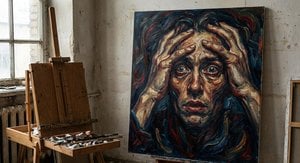
Figurative Expressionism: Emotional Intensity & Subjective Reality in 20th-Century Art
Explore the powerful world of Figurative Expressionism with ArtsDot. Discover key artists like Kirchner & Beckmann, understand its emotional depth, and learn how to collect this influential 20th-century art movement.

James Ensor's Grotesque Visions: Social Commentary & Artistic Innovation
Explore the unsettling yet captivating world of James Ensor, a pioneer of Expressionism. Discover his satirical masterpieces, symbolic imagery & lasting influence on modern art. High-quality reproductions available at ArtsDot.

Unlocking Emotion: A Beginner's Guide to the Raw Power of Symbolic Expressionism Art
Discover the raw emotion of Symbolic Expressionism. Our expert guide explores how masters like Munch use color and form to convey inner feelings, offering inspiration for collectors looking to bring powerful, soulful art into their modern homes.

James Abbott McNeill Whistler: 25 Remek-djela Majstora Tonalizma | ArtsDot
Istražite 25 remek-djela Jamesa Abbotta McNeilla Whistlera, majstora tonalizma i američkog impresionizma. Otkrijte priče iza njegovih čuvenih 'Nocturna' i portreta te pronađite inspiraciju za luksuznu dekoraciju interijera na ArtsDot.com.


