


 Pregledaj u stvarnoj veličini
 Podijeli
 Podijeli
 Detalji
 Vodič
Vodič

 Preuzmi datoteku
 Slični predmeti
 Rentgenska snimka
 Slide show
 Statistika
Ensor aux masques


 Pročitajte više
Ručno rađena uljana reprodukcija
Ručno oslikano uljanim bojama na platnu u dimenzijama i okviru po vašem izboru, izrađeno po narudžbi od strane naših umjetnika. ( Prebacite na prodaju printova Prebacite na digitalnu prodaju slika)




P118B €10

P118H €10

P118W €10

P438Z €10

P508JH €12

P508YH €12

P805H €10

P805Z €10

P919BZ €10

P919G €10

P919XJ €10

P959ZH €10

P968JZ €12

W106C €8

W218G €10

W218JH €8

W218Y €10

W307PJ €10

W316G €10

W316PJ €8

W316Y €10

W398PJ €8

W4111J €10

W500HY €15

W500JH €15

W692G €12

W849H €8

W940BG €15

W953PJ €8




Odaberite jednu od naših unaprijed definiranih veličina koje odgovaraju izvornim proporcijama umjetničkog djela.

Unesite širinu i visinu koja vam je potrebna, kako bi odgovarali vašem okviru ili zidu. Budući da je ovo ručno oslikano djelo, umjetnik može malo proširiti rubove slike ili ih skratiti kako bi postigao željeni oblik — izbor je vaš. Prije početka slikanja poslat ćemo vam digitalni prikaz (mockup) radi potvrde. Slika prikazana na ovoj stranici ne predstavlja stvarni rezultat — samo digitalni prikaz to čini.
Nakon narudžbe, tim ArtsDot.com kontaktirat će klijenta putem e-pošte radi dobivanja uputa te dostaviti probni prikaz (mockup)
Isporuka širom svijeta () u roku od 3-4 tjedna umjesto standardnih 5 tjedana. (21 Listopad). Bez kompromisa u kvaliteti.

Besplatna ekspresna dostava širom svijeta

Visokokvalitetno laneno platno

Potpuno osiguranje transporta

Jamstvo povrata carine i uvoznih poreza

Jamstvo vjernosti boja

Politika povrata u roku od 100 dana (samo u slučaju nedostataka)

Jamstvo povrata 100% novca

Popust na više proizvoda
 Opcija stakla dostupna je samo za dimenzije manje od 110 cm

Ensor aux masques
Tehnika izrade
Veličina reprodukcije
-


Ukupna cijena
€ 230
A Carnival of Shadows: Unveiling Ensor’s Masked Spectacle
In the hauntingly vibrant canvas of Ensor aux masques, the viewer is not merely an observer but an uninvited guest at a feverish, nocturnal gathering. James Ensor, the Belgian master of the uncanny, presents us with a densely populated tableau where the boundaries between the human and the grotesque dissolve. A sea of figures, predominantly men, press against the edges of our vision, their faces obscured by painted masks that transform the crowd into a singular, undulating entity. There is an undeniable kinetic energy to this composition; as eyes wander across the varying planes of depth, one feels the restless movement of a public assembly caught in a moment of collective trance. The figures, some with mouths agape in silent cries or boisterous laughter, seem to be reacting to an unseen spectacle just beyond the frame, pulling the viewer into their disorienting, rhythmic world.
The aesthetic power of this work lies in its masterful rejection of academic restraint. Rooted deeply in the traditions of Symbolism and Expressionism, Ensor eschews the polished realism of his contemporaries to prioritize a raw, psychological intensity. His technique is visceral; through the use of thick impasto brushstrokes, he lends a physical weight to the paint itself, creating a rugged texture that mirrors the turbulent emotions on display. The color palette is a deliberate study in drama, dominated by deep blacks and piercing reds. These hues do more than just define form; they pulse with a life of their own, heightening the sense of theatricality and contributing to an atmosphere that feels both celebratory and deeply unsettling.
The Psychology of the Mask: Symbolism and Historical Resonance
Beyond the visual spectacle lies a profound exploration of the human psyche. For Ensor, the mask was never merely a festive accessory; it served as a potent symbol of concealment, deception, and the fragmentation of identity. In this piece, the masks represent the layers of social performance—the ways in which individuals suppress their true selves to inhabit roles within the collective. This theme of psychological torment and isolation is woven into the very fabric of the painting, as the painted faces evoke a sense of profound alienation despite the crowded setting. The red hats that punctuate the scene act as visual anchors, adding a rhythmic, almost ritualistic element to the composition that draws the eye through the labyrinthine crowd.
Emerging from the era of significant Belgian artistic experimentation, Ensor aux masques captures the lingering anxieties of the interwar period. While the Symbolist movement was beginning to wane, Ensor used its vocabulary to foreshadow the broader societal disillusionment and the fractured reality of a changing world. For the discerning collector or interior designer, this artwork offers more than just a striking visual; it provides a sophisticated focal point that invites deep contemplation. A high-quality reproduction of this masterpiece brings a sense of historical gravity and avant-garde elegance to any space, serving as a conversation piece that bridges the gap between the visceral energy of the past and the modern appreciation for psychological depth in fine art.
Pitanja i odgovori
Gdje se "Ensor aux masques" nalazi među uobičajenim motivima umjetnika James Ensor?
"Ensor aux masques" prikazuje masks, crowd, belgium, carnival, faces, red hats, expression, dok su zabilježene teme umjetnika James Ensor povezani s masks symbolism, social critique, belgian identity, recurring motifs, psychological depth. Usporedba ova dva elementa pokazuje kako se ovo djelo povezuje s uobičajenim motivima umjetnika.
Iz kojeg razdoblja potječe "Ensor aux masques"?
Povijesni period djela "Ensor aux masques" autora James Ensor je Modern. Ova klasifikacija smješta rad u povijest umjetnosti.
Gdje se "Ensor aux masques" smješta unutar opsega djela umjetnika James Ensor?
"Ensor aux masques" pripada Symbolic Expressionism djelu umjetnika James Ensor, čije su zabilježene teme uključivale masks symbolism, social critique, belgian identity, recurring motifs, psychological depth.
Srodna umjetnička djela


Biografija umjetnika
James Ensor (1860-1949): A Pioneer of Expressionism & Surrealism
James Sidney Edouard Ensor, Baron Ensor (Ostend, 13 April 1860 – 19 November 1949) was a Belgian painter and printmaker who stands as one of the most influential figures in the development of Expressionism and Surrealism. Born into an English father and Belgian mother—a duality that profoundly shaped his artistic worldview—Ensor defied convention from the outset, rejecting academic formalism for a bold exploration of psychological depth and grotesque imagery.
Early Influences & Artistic Training
His formative years were marked by exposure to the vibrant atmosphere of Ostend’s seaside resort town, where his parents operated a souvenir shop brimming with curiosities—a veritable cabinet of wonders that ignited his imagination. From 1876 until 1880 he studied at the Académie Royale des Beaux-Arts in Brussels, alongside fellow students like Fernand Khnopff and Theo Van Rysselberghe, where Jean Portales instilled in him a commitment to artistic innovation.
A Shift Towards Grotesque Vision & Expressionist Style
Ensor’s early paintings reflected a more traditional approach, depicting scenes of everyday life rendered in somber tones. However, he swiftly abandoned these conventions as he embraced the expressive qualities of light, line, and color—a decisive move toward Expressionism. Influenced by Rembrandt, Goya, and Japanese woodcuts, Ensor developed a distinctive iconography characterized by unsettling juxtapositions and symbolic references to death and decay.
Key Masterpieces & Recurring Themes
His most celebrated works – including *Christ’s Entry into Brussels* (1888-1889), *The Scandalized Masks* (1883) and *Skeletons Fighting over a Hanged Man* (1891) – exemplify his unwavering commitment to confronting uncomfortable truths and exploring the darkest recesses of human psychology. These paintings are not merely aesthetically striking; they serve as powerful critiques of societal norms, religious hypocrisy, and the absurdity of existence.
Legacy & Influence
James Ensor’s artistic legacy extends far beyond his own lifetime. He is recognized as a pivotal catalyst in the transition from Symbolism to Expressionism and Surrealism—a true pioneer who challenged artistic conventions and paved the way for future generations of artists. His fearless exploration of the subconscious, combined with his masterful use of grotesque imagery and symbolic language, continues to inspire artists today.

James Ensor
1860 - 1949 , België
Brzi pregled
- Artistic Movement Or Style: Expressionism, Surrealism
- Artists Who Influenced This Artist:
- Bruegel the Elder
- Francisco Goya
- Whistler
- Date Of Birth: April 13, 1860
- Date Of Death: November 19, 1949
- Full Name: James Sidney Edouard Ensor
- Nationality: Belgian
- Notable Artworks:
- The Scandalized Masks
- Skeletons Fighting...
- Christ's Entry into Brussels
- Place Of Birth: Ostend, Belgium
Povezani članci
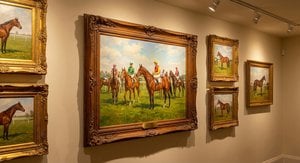
Sir Alfred Munnings' Masterpieces: 25 Paintings That Define Equine Art | ArtsDot
Explore 25 iconic Sir Alfred Munnings paintings! Discover the beauty of British Impressionism, equine art & rural England. Find museum-quality reproductions and elevate your home decor with ArtsDot. Explore the full collection online.

The Enduring Legacy of Oil on Canvas: Technique, History & Aesthetic Impact
Explore the rich history & techniques of oil painting – from Renaissance masters to Impressionism. Discover pigments, layering methods, and why this timeless medium endures. Expert insights for artists & art enthusiasts.

James Abbott McNeill Whistler: 25 Remek-djela Majstora Tonalizma | ArtsDot
Istražite 25 remek-djela Jamesa Abbotta McNeilla Whistlera, majstora tonalizma i američkog impresionizma. Otkrijte priče iza njegovih čuvenih 'Nocturna' i portreta te pronađite inspiraciju za luksuznu dekoraciju interijera na ArtsDot.com.

James Ensor's Grotesque Visions: Social Commentary & Artistic Innovation
Explore the unsettling yet captivating world of James Ensor, a pioneer of Expressionism. Discover his satirical masterpieces, symbolic imagery & lasting influence on modern art. High-quality reproductions available at ArtsDot.

Crimson Threads of Narrative: Exploring Symbolism & Representation in Artworks Featuring the Red Dress
Explore the rich symbolism of the red dress in art history! From ancient power displays to iconic portraits like Cézanne’s 'Madame Cezanne', discover the cultural and artistic significance behind this captivating color. Expert analysis & insights.

