

 Pošalji
 Podijeli
 Detalji o umjetničkom djelu
 Vodič
Vodič

 Preuzmi umjetničko djelo
 Slični predmeti
 Slide show
 Pitanja i odgovori
 Statistika
Figure


 Prikaži više
Preuzmite datoteku spremnu za tisak koja kvalitom daleko nadilazi web prikaz. Svaka digitalna slika koju prodajemo prosljeđuje se iz visokorezolucijske master datoteke iz naše baze — obično širine od 5.000 do 15.000 piksela — što vam omogućuje tisak velikih dimenzija, precizno izrezivanje ili sigurnu reprodukciju najfinijih detalja.
Nijedna datoteka ne napušta naš studio netaknuta. Digitalni stručnjak uspoređuje boje s izvornim slikama i po potrebi ih ispravlja, a zatim poboljšava jasnoću i detalje pomoću profesionalnih alata za retuširanje — uvijek ostajući vjerni umjetnikovim potezima četkice i stilu. Rezultat je prikaz koji izgleda kao prava slika, a ne kao sken s filtrima.
Odobravanje prije završetka: naš stručnjak šalje sliku e-poštom u roku od 72 sata na vaš pregled. Niste zadovoljni? Zatražite poboljšanja ili ispravke, ili tražite povrat novca ako kvaliteta ne ispunjava vaša očekivanja.
To je kvaliteta na koju se oslanjaju izdavači, dizajn studiji, galerije i tiskare.
Digitalna slika
Preuzmite datoteku visoke rezolucije za osobnu izložbu, tisak i kreativne projekte. ( Prebacite na printove Kupi ručno oslikano djelo)
Uključeno uz svaku narudžbu digitalne slike
Profesionalna digitalna dostava, zajamčena
Odabirom ArtsDot.com ne dobivate samo sliku – dobivate profesionalno unapređeno digitalno umjetničko djelo, izrađeno s najvećom preciznošću uz jamstvo zadovoljstva. Evo svega što automatski dolazi uz vašu narudžbu:

Brza dostava e-poštom
Vaša digitalna slika visoke rezolucije bit će vam poslana e-mailom u roku od 72 sata od trenutka narudžbe – spremna za neposrednu upotrebu.

Digitalna datoteka poboljšana umjetnom inteligencijom
Vaše umjetničko djelo profesionalno je optimizirano pomoću naprednih AI alata i ručnog uređivanja, čime se osigurava maksimalna razina detalja, oštrine i točnosti boja.

Besplatna doživotna ponovna dostava
Slučajno ste obrisali ili izgubili svoju datoteku? Ne brinite – ponovno ćemo vam je poslati u bilo kojem trenutku, potpuno besplatno.

Bez uvoznih pristojnika – ikada
Uživajte u svojim umjetničkim djelima trenutno, bez carina, pristojbi ili troškova dostave – digitalni downloadi uvijek su oslobođeni poreza.

Jamstvo točnosti boja
Uz pomoć profesionalnih alata i upravljanja bojama, osiguravamo da vaša digitalna slika što vjernije odražava izvorne boje.

Jamstvo zadovoljstva u trajanju od 100 dana
Ako niste zadovoljni svojom digitalnom slikom, revidirat ćemo je ili vratiti 100% iznosa u roku od 100 dana – bez suvišnih pitanja.

100% Jamstvo povrata novca
Niste zadovoljni? Osigurajte puni povrat novca u roku od 100 dana od primitka digitalne datoteke – bez suvišnih pitanja.

Popusti na velike narudžbe
Kupite 3 slike, uštedite 10% - Kupite 5 slika, uštedite 15% - Kupite 10+ slika, uštedite 20%. Odlično za kreativne projekte, galerije i agencije.
A Fragmented Vision of Humanity
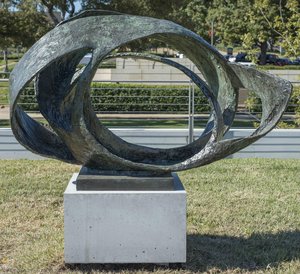
Jacques Lipchitz's "Figure," sculpted in 1930, stands as a profound testament to the transformative power of Cubism and its enduring fascination with exploring the fundamental concepts of form and perception. This bronze masterpiece transcends mere representation; it invites a deep, meditative contemplation on the very essence of human existence through a deliberately abstracted aesthetic. In an era defined by rapid societal shifts, Lipchitz utilized a fragmented language to capture the complexity of the modern soul. The sculpture presents a captivating interplay of geometric precision and organic fluidity, where the human form is not merely depicted but reconstructed through a lens of intellectual rigor and emotional depth.
The composition is a masterclass in the Cubist approach, pioneered by luminaries such as Picasso and Braque. Rather than striving for a realistic or anatomical depiction, Lipchitz dismantles the human figure into interlocking planes, presenting multiple viewpoints simultaneously. The head is rendered with striking simplicity—two oval eyes positioned above a small, triangular nose—which disrupts traditional notions of facial harmony to create a sense of enigmatic presence. Below this stylized visage, undulating vertical forms intersect with curved openings, creating a rhythmic tension between movement and stillness. This structural complexity ensures that the viewer's eye is constantly traveling across the surface, discovering new contours and depths within the bronze.
The Alchemy of Bronze and Form
The materiality of the piece is essential to its enduring impact. The choice of bronze allows for an exquisite level of detail and a rich, tactile quality that stone or wood could not achieve. Through the intricate process of bronze casting, Lipchitz was able to capture subtle variations in surface texture, from the sharp, clean edges of his geometric planes to the softer, more rounded contours of the figure's limbs. The rough, uneven patina resulting from natural oxidation lends the sculpture an ancient, weathered character, suggesting a sense of permanence and historical weight. This textured surface catches the light in a way that emphasizes the sculpture's three-dimensionality, making it a dynamic object that changes appearance depending on the surrounding illumination.
For the discerning collector or interior designer, "Figure" offers an unparalleled opportunity to introduce a piece of art history into a contemporary space. The sculpture’s neutral, earthy tones and sophisticated silhouette allow it to integrate seamlessly into various high-end environments, from minimalist modern galleries to richly textured classical studies. It serves as a powerful focal point, commanding attention through its structural integrity and the quiet strength of its presence. Owning a high-quality reproduction of this work is not merely about acquiring an object; it is about bringing a piece of the avant-garde revolution into one's personal sanctuary, fostering an atmosphere of intellectual curiosity and timeless elegance.
Pitanja i odgovori
U kojoj je tehnici izvedeno djelo "Figure" autora Jacques Lipchitz?
Jacques Lipchitz koristio je tehniku Bronze za "Figure". Ova tehnika definira materijalnu prirodu izvornog djela.
Koje motive i atmosferu spaja "Figure" autora Jacques Lipchitz?
"Figure" prikazuje sculpture, abstraction, bronze, geometric form, cubism style, human figure, texture, modern art, a zabilježeno raspoloženje djela je Modern.
Gdje mogu pronaći vodič za "Figure"?
Vodič za "Figure" je stranica Vodič za učenike umjetničkog djela – isprintani informativni list koji prikazuje umjetničko djelo uz pripadajući opis, izvor i tablicu podataka (umjetnik, datumi, tehnika, izvorni dimenzije, kolekcija).
Srodna umjetnička djela




Biografija umjetnika
Život isklesan promjenama: Put Jacquesa Lipchitza
Rođen kao Chaim Jacob Lipschitz 1891. godine u litvanskom gradu Druskininkai, umjetnički put Jacquesa Lipchitza dramatično su oblikovali preseljenja i inovacije. Njegovo rano djetinjstvo, ukorijenjeno u litvanskoj židovskoj obitelji u kojoj je otac radio kao građevinski izvođač, u početku ga je usmjerilo prema studijama inženjerstva. Međutim, bujanje kreativno srce, potpomognuto majčinom podrškom, pognalo ga je prema Parizu 1909. godine – gradu koji je tada pulsirao umjetničkom revolucijom. Upisao je École des Beaux-Arts i Académie Julian, uranjajući u živopisne zajednice Montmartrea i Montparnassea. Upravo je unutar tih krugova stekao prijateljstva s luminarima poput Juana Grisa, Pabla Picassa i Amedea Modiglianija – pri čemu je posljednji postao poznat po dirljivom dvostrukom portretu Lipchitza i njegove supruge Berthe. Te su rane veze bile presudne, postavljajući temelje za Lipchitzovo prihvaćanje kubizma, iako on izrazito prožet njegovom vlastitom senzibilitetnošću.Kristalizacija forme: Lipchitz i kubistička skulptura
Lipchitz nije jednostavno prenio slikarstvo u tri dimenzije; on je skulpturirao kubizam. Iako pod dubokim utjecajem Picassoovih i Braqueovih razbijenih perspektiva, Lipchitz je zadržao iznimnu razinu figurativnosti u svom radu sve do otprilike 1915. ili 1916. godine. Njegove skulpture nisu bile potpuno apstraktne; one su nagovještavale prepoznatljive oblike, prožete osjećajem emocionalne težine. To je evoluiralo u ono što je postalo poznato kao „kristalni kubizam“, stil koji karakteriziraju fasetiranje i transparentnost – pokušaj kako bi se istovremeno uhvatili višestruki gledišta unutar jedne forme. Eksperimentirao je s razbijanjem prostora, stvarajući dinamične kompozicije koje su izgledale kao da svjetlucaju unutarnjom svjetlošću. Njegova samostalna izložba 1920. godine u Galeriji L'Effort Moderne Léoncea Rosenberga u Parizu učvrstila je njegov položaj vodeće figure pariske škole i predstavila ovaj jedinstveni skulpturalni jezik. Djela poput „Arlekina s klarinetom” exemplificiraju ovo razdoblje, prikazujući fragmentirane forme koje i dalje uspijevaju prenijeti osjećaj razigrane energije i ljudskog prisustva. On nije samo dekonstruirao formu; on ju je ponovno gradio prema novoj vizualnoj logici.Progon i izum: Novi svijet, obnovljena vizija
Nadolazeća sjena Drugog svjetskog rata prisilila je na duboki prevrat u Lipchitzovom životu. Kako se nacistički režim učvršćivao u Francuskoj, a progon Židova intenzivirao, bio je prisiljen pobjeći iz domovine koju je prihvatio. Uz neprocjenjivu pomoć američkog novinara Variana Fryja u Marseilleu, pobjegao je u Sjedinjene Američke Države, na kraju se smjestivši u New York, a kasnije u Hastings-on-Hudson. Ovo preseljenje nije bilo samo geografska promjena; označilo je prekretnicu u njegovom umjetničkom putu. Dok je nastavio istraživati kubističke principe, Lipchitzovo djelo počelo je poprimati nove dimenzije, odražavajući traumu egzila i sve veći angažman s egzistencijalnim temama. Stvorio je monumentalne skulpture poput „Rođenja muza” (1944.–1950.), naručenih u sjećanje na Jeromea Wiesnera, koje su pokazale njegovo majstorstvo u bronzi i sposobnost prenosa duboke emocije kroz apstraktne forme.Kasne refleksije: Vjera, naslijeđe i toskanski odmor
U svojim kasnijim godinama, Lipchitz je doživio produbljivanje veze sa svojom židovskom vjerom, prihvaćajući vjersko bdjenje s obnovljenom žarom – čak je svakodnevno proučavao Toru i nosio tefillin po poticaju Lubavitcher Rebbea, rabija Menachema Schneersona. To je duhovno buđenje infuziralo njegov rad novim slojem značenja. Često se vraćao u Europu, nalazeći utjehu i inspiraciju u Pietrasanti u Italiji, gdje je stekao blisko prijateljstvo s kolegom kiparom Fioreom de Henriquezem. Njegova autobiografija, napisana u suradnji s H. Harvardom Arnasonom i objavljena 1972. godine uz izložbu u Metropolitan Museum of Art, ponudila je dirljivu refleksiju na njegov život i umjetnički put. Jacques Lipchitz preminuo je na Capriju u Italiji 1973. godine, ali njegovo tijelo je preneseno u Jeruzalem radi pokopa – što je svjedočanstvo njegove duboke povezanosti s vlastitim nasljeđem. Njegova toskanska vila, Bozio, danas služi kao židovski ljetni kamp, osiguravajući da njegovo naslijeđe nastavi inspirirati buduće generacije. Za sobom nije ostavio samo izvanredno djelo skulpture, već i moćan primjer umjetničke otpornosti i neukrotivog ljudskog duha.
Jacques Lipchitz
1891 - 1973 , Litva
Kratki pregled
- , "Place Of Birth: Druskininkai, Litva
- Artistic Movement Or Style: Kubizam, Kristalni kubizam
- Artists Who Influenced This Artist:
- Pablo Picasso
- Juan Gris
- Date Of Birth: 1891.
- Date Of Death: 1973.
- Full Name: Jacques Lipchitz
- Nationality: Litavsko-francusko-američki
- Notable Artworks:
- Akrobat na konju
- Instruments de musique
- Le guitariste
- Pierrot
- Arlekin s klarinetom
- Čovjek s gitarom
- Rođenje muz