

 Pregledaj u realnoj veličini
 Pošalji
 Podijeli
 Detalji o umjetničkom djelu
 Vodič
Vodič

 Preuzmi umjetničko djelo
 Slični predmeti
 Rentgenska snimka
 Slide show
 Pitanja i odgovori
 Statistika
Ebauche


 Prikaži više
Giclée / Umjetnički otisak
Giclée tisak muzejske kvalitete ili otisak na platnu uz brzu izradu i raznolike opcije završne obrade. ( Kupi ručno oslikano djelo Prebacite na digitalnu sliku)




P118B €10

P118H €10

P118W €10

P438Z €10

P508JH €12

P508YH €12

P805H €10

P805Z €10

P919BZ €10

P919G €10

P919XJ €10

P959ZH €10

P968JZ €12

W106C €8

W218G €10

W218JH €8

W218Y €10

W307PJ €10

W316G €10

W316PJ €8

W316Y €10

W398PJ €8

W4111J €10

W500HY €15

W500JH €15

W692G €12

W849H €8

W940BG €15

W953PJ €8




Odaberite jednu od naših unaprijed definiranih veličina koje odgovaraju izvornim proporcijama umjetničkog djela.

Unesite potrebnu širinu i visinu kako bi odgovarali vašem okviru ili zidu. Print se može samo izrezati, nikada ne može biti veći od slike, stoga format s drugačijim omjerom stranica uzrokuje gubitak dijela slike. Prije bilo kakve štampe šaljemo vam digitalni prikaz (mockup) na odobrenje. Slika prikazana na ovoj stranici ne prikazuje stvarni rez — to prikazuje isključivo digitalni prikaz.
Dostava širom svijeta () u roku od 2 tjedna umjesto standardnih 4/5 tjedana. (11 Studeni)

Besplatna ekspresna dostava širom svijeta

Visokokvalitetno laneno platno

Potpuno osiguranje dostave

Jamstvo povrata carine i uvoznih poreza

Jamstvo vjernosti boja

Politika povrata u roku od 100 dana (samo u slučaju nedostataka)

Jamstvo povrata 100% novca

Popust na više proizvoda
 Opcija stakla dostupna je samo za dimenzije manje od 110 cm

Ebauche
Giclée / Umjetnički otisak
Veličina reprodukcije
-


Ukupna cijena
€ 56
A Glimpse into the Dreamscape: Exploring Gustave Moreau’s *Ebauche*
Gustave Moreau's Ebauche (Sketch) offers a captivating entry point into the intensely personal and symbolic world of one of Symbolism’s most significant figures. Painted during a pivotal period in his career, this black-and-white cityscape transcends mere representation; it becomes a carefully constructed evocation of mood, memory, and perhaps even a fragment of the subconscious. The artwork immediately arrests the viewer with its dramatic contrast – the stark monochrome punctuated by an arresting orange sky that seems to bleed into the scene, creating a palpable sense of unease and mystery. Moreau’s skill lies not in depicting reality as it appears, but in conjuring a world born from his own rich imagination.
The Symbolist Vision: Moreau's Artistic Rebellion
Born in Paris in 1826, Gustave Moreau was a product of the intellectual ferment that characterized mid-19th century France. While trained in the traditional academic style at the École des Beaux-Arts – a path followed by many aspiring artists of his time – Moreau swiftly rejected the prevailing Realist and Impressionist movements. He sought instead to align himself with the burgeoning Symbolist aesthetic, a movement driven by a desire to explore subjective experience, mythology, religion, and the darker recesses of the human psyche. Moreau’s work is characterized by its meticulous detail, often incorporating elements drawn from Byzantine mosaics, Renaissance art, and Orientalist imagery – a deliberate strategy to create a layered, dreamlike effect. The painting's composition, with its prominent buildings and solitary boat, suggests themes of isolation, contemplation, and perhaps even the struggle between order and chaos.
Technique and Materiality: A Study in Contrast
The monochromatic palette of Ebauche is crucial to its impact. Moreau’s masterful control over black and white allows him to manipulate tone and texture with remarkable precision, creating a sense of depth and atmosphere that would be impossible in a fully colored work. The orange sky isn't merely a decorative element; it acts as a focal point, intensifying the drama and contributing to the painting’s unsettling mood. The artist’s technique – likely utilizing charcoal and possibly incorporating subtle washes of pigment – reveals a painstaking attention to detail, evident in the meticulously rendered architectural forms and the delicate rendering of the boat's reflection. The surface texture itself contributes to the artwork’s overall effect, inviting close inspection and encouraging viewers to lose themselves in its intricate details.
Symbolic Resonance: Myth and Memory
Moreau frequently drew upon mythological and religious imagery in his work, often reinterpreting these narratives through a distinctly personal lens. While the precise symbolism of *Ebauche* remains open to interpretation, the presence of buildings – structures that can represent both civilization and confinement – alongside the solitary boat suggests themes of journey, transition, and perhaps even the search for meaning within a complex world. The orange sky itself could be interpreted as representing passion, danger, or the divine—a potent symbol frequently employed by Moreau to evoke emotional intensity. This artwork stands as a testament to Moreau’s ability to transform simple scenes into profound meditations on the human condition.
Pitanja i odgovori
Je li "Ebauche" autora Gustave Moreau u javnom vlasništvu?
Što se tiče autorskih prava, "Ebauche" je u u javnom vlasništvu – autorska prava su istekla.
Koji umjetnik se pripisuje djelu "Ebauche"?
"Ebauche" je djelo koje je stvorio/la Gustave Moreau. Informacije na ovoj stranici opisuju izvorni rad umjetnika Gustave Moreau.
Kako mogu dobiti digitalnu datoteku djela "Ebauche" autora Gustave Moreau?
Digitalnu sliku djela "Ebauche" autora Gustave Moreau možete kupiti na njegovoj stranici za Digitalna umjetnina: preuzimanje digitalne slike visoke rezolucije.
Srodna umjetnička djela


Biografija umjetnika
Život i umjetnost Gustavea Moreaua
Gustave Moreau bio je francuski umjetnik čiji je život bio duboko povezan s ulicama Pariza. Rođen u tom gradu 6. travnja 1826., proveo je svoje godine ploveći kroz promjenjive struje devadesetog stoljeća. Bio je centralna figura simbolističkog pokreta, razdoblja koje je okrenulo pogled od doslovnog svijeta kako bi pronašlo smisao u nevidljivom. Njegov rad nije bio puka težnja za imitacijom, već pokušaj da se oblikuje unutarnji krajolik ljudske psihe.
Njegov opus bio je golem. Tijekom cijelog života stvorio je preko 15.000 slika, akvarela i crteža. Ta je golema kolekcija odraz čovjeka koji je neprestano prevodio mit i religiju u osobni vizualni jezik. Radio je s intenzitetom koji mu je omogućio stvaranje masovnog korpusa djela prije nego što je preminuo u Parizu 18. travnja 1898.
Njegova umjetnost često se fokusirala na tešku, psihološku težinu drevnih priča. Umjesto da samo ilustrira scenu, nastojao je uhvatiti duhovnu esenciju svojih subjekata. Taj je pristup učinio njegov glas jedinstvenim u vrijeme kada su se mnogi njegovi suvremenici okretali prolaznoj svjetlosti prirodnog svijeta. Njegova posvećenost ovom unutarnjem istraživanju ostavila je za sobom duboki zapis ljudske duše.
Rani život, obitelj i obrazovanje
Rođen u građanskoj obitelji u Parizu, u Francuskoj, Gustave Moreau odrastao je u domu u kojem su se susretale struktura i melodičnost. Njegov otac, Louis Jean Marie Moreau, radio je kao arhitekt i arhivist, pružajući njihovom domu osjećaj reda i povijesne dubine. Njegova majka, Adèle-Pauline Desmoutier, bila je glazbenica, a njezin utjecaj dodao je ritmičku senzibilitet obiteljskoj atmosferi. Od vrlo rane mladosti, Gustave je pokazivao prirodni talent za crtanje, dar koji se činilo da se pojavljuje gotovo instinktivno dok je istraživao svijet oko sebe.
Njegovo formalno obrazovanje započelo je u Collège Rollin, koji je danas poznat kao Collège-lycée Jacques-Decour. To rano školovanje pružilo je temelj za njegova kasnija, specijaliziranija istraživanja. Naposljetku je upisao École des Beaux-Arts, gdje je prošao kroz rigoroznu akademsku obuku. Upravo je tamo studirao pod vodstvom tokohova kao što je François-Édouard Picot, usvajajući tehničku disciplinu potrebnu za ovladavanje klasičnim tradicijama svog vremena.
Artistički razvoj i talasca talijskih putovanja
Do 1850-ih godina, Gustave Moreau osjetio je snažno privlačenje prošlosti, duboku potrebu da razumije temelje umjetnosti koju je toliko poštovao. To ga je vodilo u Italiju, u razdoblje koje će temeljito preoblikovati njegovu viziju. On nije samo promatrao djela majstora; živio je među njima, provodeći vrijeme stvarajući stotine kopija i studija slika starih majstora. To za njega nisu bili puki vježbi. Kroz čin replikacije, nastojao je upiti tajne kompozicije i psihološku dubinu pronađenu u djelima Michelangela i Leonarda da Vincija. Proučavao je njihovu anatomiju i sposobnost hvatanja ljudskog duha, upijajući njihove tehnike kako bi izgradio vlastiti vizualni jezik.
Dok su talijanski majstori pružili strukturnu podlogu, drugi su utjecaji dodali sloj emocionalne intenzivnosti njegovom stilu koji je tek sazrijevao. Otkrio je privlačnost prema dramatičnoj upotrebi boje koju možemo vidjeti u djelima Eugènea Delacroixa. Ta fascinacija načinom na koji boja može prenijeti narativ i osjećaj postala je temelj njegovog pristupa. Nije ga zanimala objektivna stvarnost svijeta koji ga okružuje, već način na koji svjetlost i pigment mogu izraziti unutarnja kretanja duše. Njegov boravak u Italiji omogućio mu je da sintetizira te raznolike utjecaje, miješajući klasičnu preciznost renesanse s modernijom, ekspresivnom upotrebom boje.
Tehnika i simbolički stil
Moreauov pristup platnu bio je spora i promišljena proces. Favorizirao je pedantno slojevitost boje, gradeći površine koje su posjedovale tešku, fizičku prisutnost. Ova metoda omogućovala mu je stvaranje bogatih tekstura koje su kao da su zadržavale svjetlost u sebi. Kako bi produbio duhovnu težinu svojih subjekata, često je ugrađivao zlatnu foliju, što je njegovim scenama dalo bizantsku kvalitetu. Manje ga je zanimala površina prirodnog svijeta, a više izražajna moć boje i forme u prenošenju specifičnog raspoloženja ili skrivenog značenja.
Njegine su slike ispunjene gustim jezikom simbola. Zmija bi se mogla pojaviti kao prikaz iskušenja, dok se dragulji koriste za označavanje zemaljskih želja. Ti elementi ne služe samo kao ukras scena; oni djeluju kao vizualni znakovi koji gledatelja usmjeravaju prema psihološkom ili duhovnom. Kroz taj zamrčeni detalj, on je izgradio sanjenu atmosferu u kojoj su granice stvarnosti djelovale tanko. Figure u njegovim djelima često kao da postoje u stanju suspenzije, uhvaćene između fizičkog i eteričnog.
- Salome Dancing before Herod
- Jupiter and Semele
- Orpheus
- The Apparition
- Desdemona
Istaknuta remek-djela i radovi
Mnoge od najpoznatijih Moreauovih slika proizašle su iz njegove duboke opsjednutosti pričama antičke prošlosti i biblijskim narativima. Godine 1864. izložio je Oedipusa i Sfingu, djelo koje je ključno pomoglo u uspostavljanju njegove umjetničke reputacije. Njegova fascinacija figurom Salome dovela je do nekoliko različitih interpretacija te teme. Jedno od njegovih najslavnijih djela je Salome koja pleše pred Herodom, koje kroz njegov jedinstveni i detaljni pristup hvata napetost biblijske priče. Između 1874. i 1876. godine stvorio je i Zjavu, djelo koje naglašava tu čudnu, sanjivu atmosferu koju je Gustave Moreau često nastojio prizvati na platnu.
Kako se njegova karijera razvijala, kompozicije su postajale sve složenije i dublje. Godine 1885. naslikao je Glasove večeri, akvarel koji demonstrira njegovu sposobnost korištenja mekih tekstura za izražavanje osjećaja duhovnog mira. Pred kraj života, 1895. godine, dovršio je Jupitera i Semele, rad koji odražava veličanstvenu, mitološku razinu koju je toliko preferirao. Njegova platna često nisu djelovala kao prozori u stvarnu sobu, već kao pozornice podsvijesti, gdje su svjetlo i sjena suradivale kako bi sugerirale nešto što nadilazi fizički svijet.
- Thespijove kćeri, 1853
- Pieta, 1854
- Jason i Medeja, 1865
- Smrt Sapphe, 1872
- Herkul i Hidra, 1876
- Sveti Martin, 1882
Krug, učenici i podučavanje
U svojim kasnijim godinama, Gustave Moreau prešao je iz tihe izolacije svog studija u učionicu. Godine 1893. prihvatio je profesorsko zvanje na École des Beaux-Arts, položaj koji mu je omogućio da svoje ideje prenese novoj generaciji slikarica i slikarova. Nije svoje učenike poučavao puki mimikriji njegove ruke ili specifičnom načinu nanošenja boje. Umjesto toga, poticao ih je da gledaju prema unutra. Pozivao ih je da prihvate vlastitu maštu i pronađu svoje jedinstvene načine individualnog izražavanja, tjerajući ih da se izdignu iznad krutih akademskih pravila.
Ovaj naglasak na unutarnjem životu umjetnika ostavio je dubok trag na mnoge koji su sjedili na njegovim predavanjima. Među onima koji su studirali pod njegovim vodstvom bio je Henri Matisse, koji će kasnije preoblikovati krajolik moderne umjetnosti. Georges Rouault bio je još jedan od njegovih učenika, upijajući lekcije o simbolizmu i osobitoj viziji koje je Gustave Moreau zagovajao. Kroz te učenike, njegovo vjerovanje u važnost podsvijesti i duhovnosti postalo je sastavni dio šire evolucije francuske slikarstva.
Naslijeđe i trajni utjecaj
Do 1890-ih, Gustave Moreau postao je središnja figura simbolističkog pokreta. Nije tražio svjetla pozornice, no njegova je prisutnost duboko bila osjećajna kod onih koji su slijedili njegov put. Njegov utjecaj protezao se sve do učionica École des Beaux-Arts, gdje je svoje učenike poticao da gledaju prema unutra, u samu srž vlastite mašte. Taj naglasak na individualnom izražavanju pomogao je utreti temelje za modernu umjetnost koja će se pojaviti u desetljećima nakon njegove smrti.
Iako je njegov specifični stil tijekom života ponekad izazivao podijeljene reakcije, njegova je važnost ponovno priznata u drugoj polovici 20. stoljeća. To razdoblje donijelo je značajnu revalorizaciju njegovog rada, dok su ljudi gledali izvan okvira površine kako bi pronašli psihološku dubinu koju je on cijeli svoj život istraživao. Danas se on široko smatra pretećim pokretu moderne umjetnosti, čovjekom koji je pomogao da se fokus slikarstva pomakne s vanjskog svijeta na unutarnju dušu.
Muzej Musée Gustave Moreau u Parizu ostaje mjesto gdje je njegova vizija sačuvana. Sama zgrada, koju je on pomogao pretvoriti u muzej, održava njegovu uspomoć u samom prostoru u kojem je živio i stvarao. To je tiho mjesto koje nosi težinu njegovih brojnih godina proučavanja i stvaralaštva.
Gdje danas možete vidjeti njegova djela
Kako biste doživjeli njegovu umjetnost na najintimniji način, možete posjetiti Musée Gustave Moreau u Parizu, u Francuskoj. Ovaj muzej smješten je u samoj zgradi koja je služila kao njegov dom i atelier. Hodajući tim prostorima, možete uvidjeti okruženje u kojem je živeo i stvarao, što vam pruža izravnu poveznicu s njegovim svakodnevnim životom i kreativnim procesom.
Osim njegove osobne rezidencije, njegova djela čuvaju i brojni vodeći muzeji. U Parizu, Louvre također u svojoj kolekciji održava dva njegova djela. Za one koji putuju dalje, Metropolitan Museum of Art u New Yorku posjeduje još dvije njegove slike, omogućujući njegovoj viziji da dosegne publiku daleko izvan ulica Francuske.
- Oedipus and the Sphinx (1864)
- Jason and Medea (1865)

Gustave Moreau
1826 - 1898 , Francuska
Osnovne informacije
- Artistic Movement Or Style: Simbolizam
- Artists Or Movements Influenced By This Artist:
- Henri Matisse
- Georges Rouault
- Artists Who Influenced This Artist:
- Eugène Delacroix
- Michelangelo
- Leonardo da Vinci
- Date Of Birth: 1826
- Date Of Death: 1898
- Full Name: Gustave Moreau
- Nationality: Francuski
- Notable Artworks:
- Salome plešeći pred Herodom
- Jupiter i Semele
- Orfej
- Zapparition
- Desdemona
- Place Of Birth: Pariz, Francuska
Srodni članci

White on Canvas: 10 Masterpieces & Timeless Elegance for Your Home Decor
Explore 10 iconic white paintings by Monet, Whistler & Rothko! Discover the stories behind these serene masterpieces and their impact on art history. Find museum-quality reproductions for your home decor at .

Monochrome Visions: Exploring the Aesthetic & Historical Significance of Black & White Photography
Explore the rich history & artistic power of black and white photography. From early techniques to iconic masters like Ansel Adams, discover why monochrome continues to captivate art lovers today. Expert insights for collectors.

Dark Masterpieces: 10 Iconic Paintings Dominated by Black Tones |
Explore 10 iconic paintings dominated by black tones, from Rembrandt’s chiaroscuro to Goya's dark expressions. Discover the stories behind these masterpieces & find museum-quality art reproductions for your home at .
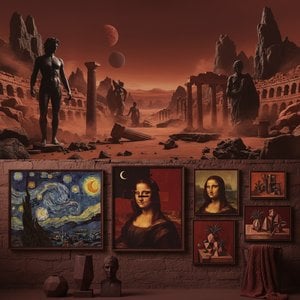
Mars Black Masterpieces: 10 Iconic Paintings & Timeless Art Decor Ideas
Delve into the power of 'Mars Black' with 10 iconic paintings by masters like Rembrandt & Caravaggio. Explore dramatic chiaroscuro, gothic art, and timeless beauty. Find museum-quality reproductions & elevate your home decor on .

Gustave Moreau: Symbolism's Enigmatic Visionary & Precursors of Modern Fantasy Art
Explore the captivating world of Gustave Moreau, the leading Symbolist painter. Discover his iconic masterpieces, influences, and lasting legacy. Expert analysis for collectors & art enthusiasts.


