

 Pregledaj u realnoj veličini
 Pošalji
 Podijeli
 Detalji o umjetničkom djelu
 Vodič
Vodič

 Preuzmi umjetničko djelo
 Slični predmeti
 Rentgenska snimka
 Slide show
 Pitanja i odgovori
 Statistika
Moritz

- 51.0 x 46.0 cm


 Prikaži više
Djelo prikazano na ovoj stranici zaštićeno je autorskim pravima, što znači da zakonski ne možemo izraditi niti prodati identičnu reprodukciju. Ova se zaštita provodi u skladu s međunarodnim sporazumima kao što su Bernska konvencija i nacionalnim zakonima, uključujući i one koji su utvrđeni u Američki zakon o autorskom pravu – Title 17.
Ova metoda u potpunosti je usklađena s autorskim pravima jer ne uključuje kopiranje ili dupliciranje zaštićenih umjetničkih djela. Umjesto toga, riječ je o kreativnoj reinterpretaciji – novoj slici koja je dobila utjecaj na izvornik, ali nije identična njemu.
Giclée / Umjetnički otisak
Giclée tisak muzejske kvalitete ili otisak na platnu uz brzu izradu i raznolike opcije završne obrade. ( Kupi ručno oslikano djelo Prebacite na digitalnu sliku)




P118B €10

P118H €10

P118W €10

P438Z €10

P508JH €12

P508YH €12

P805H €10

P805Z €10

P919BZ €10

P919G €10

P919XJ €10

P959ZH €10

P968JZ €12

W106C €8

W218G €10

W218JH €8

W218Y €10

W307PJ €10

W316G €10

W316PJ €8

W316Y €10

W398PJ €8

W4111J €10

W500HY €15

W500JH €15

W692G €12

W849H €8

W940BG €15

W953PJ €8




Odaberite jednu od naših unaprijed definiranih veličina koje odgovaraju izvornim proporcijama umjetničkog djela.

Unesite potrebnu širinu i visinu kako bi odgovarali vašem okviru ili zidu. Print se može samo izrezati, nikada ne može biti veći od slike, stoga format s drugačijim omjerom stranica uzrokuje gubitak dijela slike. Prije bilo kakve štampe šaljemo vam digitalni prikaz (mockup) na odobrenje. Slika prikazana na ovoj stranici ne prikazuje stvarni rez — to prikazuje isključivo digitalni prikaz.
Dostava širom svijeta () u roku od 2 tjedna umjesto standardnih 4/5 tjedana. (12 Studeni)

Besplatna ekspresna dostava širom svijeta

Visokokvalitetno laneno platno

Potpuno osiguranje dostave

Jamstvo povrata carine i uvoznih poreza

Jamstvo vjernosti boja

Politika povrata u roku od 100 dana (samo u slučaju nedostataka)

Jamstvo povrata 100% novca

Popust na više proizvoda
 Opcija stakla dostupna je samo za dimenzije manje od 110 cm

Moritz
Giclée / Umjetnički otisak
Veličina reprodukcije
-


Ukupna cijena
€ 56
The Enigmatic Figure: An Exploration of Gerhard Richter's "Moritz"
Gerhard Richter’s 2000 painting, “Moritz,” isn’t a portrait in the traditional sense. It’s an invitation to contemplate the elusive nature of memory and identity, rendered through Richter’s signature blend of photographic realism and abstract expressionism. The image depicts a young child, partially obscured by a deliberate haze of paint, seated within a high chair – a scene both familiar and profoundly unsettling. The blurred features, the soft focus, and the muted palette evoke a sense of detachment, as if we are observing a fleeting moment captured from a dream or a faded photograph. This isn’t an attempt to depict a specific child; rather, it's a distillation of childhood itself – its vulnerability, its inherent mystery, and its inevitable passage into the unknown.
Richter’s technique is central to the work’s power. He employs a layering process, building up thin washes of oil paint that are then repeatedly scraped, smudged, and reworked. This creates a surface texture that is both tactile and ethereal, mirroring the way memories can feel – simultaneously vivid and fragmented. The deliberate blurring isn't simply an aesthetic choice; it’s a key element in Richter’s exploration of representation itself. He questions the very act of seeing and recording, suggesting that any attempt to capture reality inevitably involves distortion and loss.
A Fragmented History: Contextualizing "Moritz" within Richter’s Oeuvre
Understanding Gerhard Richter requires acknowledging his deeply personal and historically-charged artistic journey. Born in Dresden in 1932, Richter's childhood was profoundly shaped by the upheavals of post-war Germany – displacement, political uncertainty, and the lingering trauma of Nazi persecution. His father, a schoolteacher, navigated the complexities of life under authoritarian rule, while his mother fostered a love for literature and music within their family. This duality—a pragmatic acceptance of circumstance alongside a yearning for cultural expression—became a recurring theme in Richter’s work.
The late 1990s and early 2000s, the period encompassing “Moritz,” marked a shift in Richter's artistic focus. He increasingly explored photographic sources – not as direct copies, but as starting points for his own abstract compositions. This approach is evident in "Moritz," which can be seen as a meditation on the process of translation—the transformation of a visual image into an entirely new work of art. The photograph itself, likely a source for this piece, becomes merely a catalyst, prompting Richter to engage with the underlying themes and emotions rather than replicating the original scene.
Symbolism and Emotional Resonance: Unpacking the Painting’s Layers
The high chair itself is a potent symbol. It represents childhood, nourishment, and the transition from dependence to independence. However, in “Moritz,” this familiar image is imbued with ambiguity. The child's face is obscured, suggesting a loss of innocence or a detachment from experience. The bottle present in the background further reinforces this sense of vulnerability – a symbol of sustenance that may not be enough to satisfy the child’s needs.
The overall mood of the painting is melancholic and contemplative. It doesn't offer easy answers or resolutions; instead, it invites viewers to confront their own memories and anxieties about the passage of time. Richter’s masterful use of color and texture creates a visual experience that is both beautiful and unsettling, prompting us to consider the fragility of human existence and the enduring power of the past.
A Reproduction for Your Space: Bringing "Moritz" Home
ArtsDot offers meticulously crafted hand-painted reproductions of Gerhard Richter’s “Moritz,” allowing you to bring this iconic work into your home or office. Our skilled artists replicate Richter's unique technique with exceptional precision, capturing the subtle nuances of color, texture, and blurring that define the painting. Available in a range of sizes, our reproductions are printed on archival-quality canvas using vibrant pigments, ensuring long-lasting beauty and authenticity.
Whether you’re an art enthusiast, a collector, or simply seeking to add a touch of intellectual depth to your décor, “Moritz” is a compelling choice. It's more than just a painting; it’s a meditation on memory, identity, and the complexities of human experience – a timeless masterpiece brought to life through ArtsDot’s dedication to artistic excellence.
Pitanja i odgovori
Ima li "Moritz" snažan kontrast svjetla i sjene?
"Moritz" autora Gerhard Richter prikazuje Gentle kontrast između svojih svijetlih i tamnih područja.
Kakvu atmosferu unosi "Moritz" autora Gerhard Richter u interijer?
"Moritz" autora Gerhard Richter odiše Calm atmosferom i preporučuje se za Living Room. Raspoloženje je ono što umjetničko djelo unosi u prostor oko sebe.
Kada i od kojih je materijala izrađeno "Moritz"?
"Moritz" nastalo je 2000. godine, u tehnici Oil On Canvas.
Srodna umjetnička djela


Biografija umjetnika
Rano djetinjstvo Gerharda Richtera
Dresden, Njemačka, 1932. Scena je bolnica Dresden-Neustadt. Gerhard Richter ulazi u svijet definiran sve snažnijim stezanjem ruku Nacionalog socijalizma. Njegov otac, Horst Richter, kreće se kroz akademsku rigoroznost Technische Hochschule u Dresdenu kao student matematike i fizike. Njegova majka, Hildegard Schönfelder, radi kao knjižničarka. Kućanstvo oblikiraju ti različiti intelektualni i komercijalni pothvati. Godine 1936. obitelj se širi s rođenjem njegove sestre, Gisele.
Rat i političke previranja narušavaju stabilnost obitelji. Sjena režima proteže se u najintimnije sfere postojanja. Richterova teta, Marianne, postaje žrtva nacističkog programa eutanazije, žrtva državnog sistematskog nasilja nad onima koji su smatrani nepoželjnima. Ovo razdoblje rasparaštanja i gubitka ostavlja dubok trag u povijesti obitelji, dok su realnosti Trećeg Reicha prodiru u kućni ambijent njegovog djetinjstva.
Artističko obrazovanje i rane godine karijere
Put prema formalnom obrazovanju rijetko je linearan. Nakon što je prekinuo školovanje sa šesnaest godina, Richter ulazi u industrijski krajolik poslijeratne Njemačke. Pronalazi posao kao slikar natpisa u fabrici, što je bio pragmatičan korak u razdoblju preživljavanja. Do 1948. godine, nakon završetka zanatske škole, osigurava svoj prvi plaćeni posao kao slikar. Godine koje slijede definirane su manuelnim radom i tehničkim učenikom; radi kao slikar reklama i scenograf, učeći mehaniku reprezentacije kroz prizmu komercijalne i teatralne korisnosti.
Ambicija se susreće s otporom 1950. godine. Richter se prijavljuje na umjetničku akademiju u Dresdenu, ali ga institucija odbija. Ne ostaje dugo odsutan. Godine 1951. započinje formalne studije na Dresdenskoj akademiji likovnih umjetnosti. Ovo razdoblje obilježeno je snažnim utjecajem socijalističkog realizma, državnog stila Istočne Njemačke. On navigira kroz napetost između tih ideoloških zahtjeva i vlastite razvijene tehničke majmstorstva. Od 1957. do 1961. godine ostaje unutar akademske strukture, radeći kao master pripravnik.
Bijeg u Zapadnu Njemačku i Düsseldorf
Godina 1961. označava oštro prekidanje u Richterovom životu. Dvije mjeseci prije podizanja Zida u Berlinu, on donosi odluku da ostavi Istočnu Njemačku iza sebe. Seljenje u Zapadnu Njemačku, koje je podupirala njegova supruga Marianne Eufinger, nije bilo samo promjena geografske lokacije; to je bio čin bijega iz ideoloških okova Istoka prema eksperimentalnoj slobodi Zapada.
U Düsseldorfu, atmosfera je bila prožeta energijom nove, usledišne umjetničke scene. Richter se upisao na Staatliche Kunstakademie, ulazeći u prostor u kojem rigidne tradicije socijalističkog realizma više nisu imale vlast. Studirao je pod vodstvom grupe profesora, među kojima su bili Karl von Appen, Heinz Lohmar, Will Grohmann i Karl Otto Götz. Iako je akademsko okruženje pružilo tehničku podlogu za ono što je dolazilo, pravi se preokreti događaju se u društvu njegovih vršnjaka. Uz Sigmara Polkea i Konrada Luega, Richter postaje dio kruga studenata koji se kreću kroz pejzaž brzih kulturnih promjena.
Pojava kapitalističkog realizma
Düsseldorf postaje žarište napetosti. Poslratni se pejzaž mijenja, udaljavajući se od austerity i okretajući prema sjajnom, sveprisutnom utjecaju potrošačke kulture i masovnih medija. Richter se nalazi u samom središtu tog trenja, navigirajući na presjeku pokreta Fluxus i Pop Art. On ne promatra tu promjenu samo kao promatrač; on aktivno dekonstruira utvrđene umjetničke norme zajedno s krugom svojih vršnjaka.
Godina 1963. označava oštro odstupanje od tradicionalne prakse. Richter, Sigmar Polke i Konrad Fischer organiziraju provokativni happening pod nazivom Living with Pop. Scena se odvija unutar nekog od robnih kuća u Düsseldorfu. Oni se predstavljaju kao žive skulpture usred izložaka namještaja, u gesti koja briše granice između umjetnosti, komercijalnog tržišta i svakodnevnog postojanja. Taj čin pomaže u definiranju termina 'kapitalistički realizam', namjerno dvosmislenog etikete koju su koristili Richter i Polke kako bi odrazili svoje zajedničko skepticizam prema estetici i ideologijama društva vođenog potrošnjom.
Tehnike fotorealizma i apstrakcije
Platno postaje mjesto napetosti između oštre jasnoće fotografije i kaotičnog pokreta boje. U svojim fotorealističkim radovima, Gerhard Richter često koristi svoj prepoznatljivi efekt zamućenja, tehniku koja izobličuje subjekt i stvara osjećaj otuđenosti. Ove slike gradi kroz proces slojevitosti, nanoseći tanke lazure boje kako bi stvorio dubinu i dojam filtrirane uspomene. Ova metoda omogućuje mu da ponovno kreira izgled fotografskog printa, dok istovremeno preispituje pouzdanost samog lika.
Pristup se radikalno mijenja kada se on okrene apstrakciji. Ovdje kontrolirano nanošenje boje ustupa mjesto vizceralnijem, nepredvidivom procesu. Koristi staklene metle ili strugove kako bi povukao debele slojeve boje preko površine, manipulirajući medijem na načine koji pozivaju slučajnost i spontanost. Ova tehnika razbija površinu na teksturirane, gesturalne tragove koji prkose preciznosti njegovih figurativnih radova. Izvan tradicionalnog platna, njegovo eksperimentiranje širi se na druge oblike, uključujući stvaranje monotipija i staklenih skulptura.
Istraživanje boje i forme
Istraživanje boje kod Gerharda Richtera odvodi nas od onog emotivnog prema onom sistematskom. Između 1966. i 2008. godine, umjetnik je stvorio svoje Color Charts (*Farbtafeln*), seriju koju definira strogo uređenje obojenih kvadrata. Ova djela uklanjaju spontanost poteza četkicom, zamjenjujući je kontroliranom, mrežnom logikom. Fokus se pomiče na inherentna svojstva samog pigmenta, organizirana u repetitivnu, gotovo kliničku strukturu koja prkosi tradicionalnim očekivanjima o tome što bi jedna slika trebala komunicirati.
Ova potraga za neutralnošću proteže se i u monokromatsko područje. Od 1966. do 2014. godine, Gray Paintings (*Graue Bilder*) istraživali su suptilne tonalne nijanse pronađene unutar jedne jedinstvene boje. Ovdje leži složenost u minijaturnim pomacima svjetla i sjene koji se kreću preko sive površine. To je studija percepcije, gdje odsutnost raznolikih boja prisiljava na suočavanje s teksturom i dubinom samog medija. Ovaj disciplinirani pristup spektrom pronalazi neočekivano primjenjivanje u sakralnom. Godine 2007., Gerhard Richter je svoje razumijevanje boje i geometrije primijenio na vitraž za katedralu u Kelnu, prevodeći svoje moderne senzibilitete u tradicionalni arhitektonski medij.
Značajna djela i velika platna
Tržište i platno često se sudaraju u Richterovoj karijeri. Koju godine 2015., njegovo djelo iz 1986. godine, Abstraktes Bild, prodat je za preko 44,5 milijuna dolara. Ovo djelo dio je korpusa radova koji se kreću između preciznosti fotografije i kaotičnog slojevanja boje. Dok se neka djela fokusiraju na mehaniku boje, druga se okreću onome što je osobno. Godine 1988. stvorio je Betty, uljano platno prikazujući svoju kćer kako gleda u jedno od njegovih apstraktnih djela. To ostaje jedno od njegovih najčešće citiranih djela, pojavljujući se među tri najtraženije njegove reprodukcije.
Povijest i sjećanje daju težinu njegovim mračnijim istraživanjima. Serija iz 1988. godine, October 18, 1977, bavi se grupom Baader-Meinhof, kontroverznom njemačkom terorističkom organizacijom. Ovaj period rada stoji uz njegove novije, monumentalne poduhvate. Koju godine 2014., stvorio je ciklus Birkenau, koji se sastoji od četiri velika apstraktna platna. Ova djela suočavaju se s traumom Holokausta kroz apstrakciju, a ne kroz doslovni prikaz. Čak i njegovi pejzaži nose osjećaj distance; Fuji, naslikan 2013., koristi prigušenu paletu crvene, narančaste i plave boje kako bi sugerirao blijedu uspomeni japanske planine.
- Motorboat (1965)
- Star Picture (1969)
- Red Blue Yellow (1972)
- 1024 Colours (1973)
- George (1975)
Naslijeđe i globalni utjecaj
Mjerilo prisutnosti Gerharda Richtera u suvremenom umjetničkom pejzažu nalazi se u njegovoj nevjerojatnoj učestalosti. On je izložio svoje radove na Documenti više puta od bilo kojeg drugog umjetnika, što je rekord koji prati njegovu neprestanu posvećenost evoluciji moderne slikarstva. Godine 1972. predstavljao je Zapadnu Njemačku na Venetianskoj bienalnoj izložbi, što je bio trenutak koji je učvrstio njegov položaj na međunarodnoj sceni. Njegova platna putovala su od eksperimentalnih prostora Düsseldorfa do stalnih kolekcija Muzeja suvremene umjetnosti u New Yorku.
Njegov utjecaj doseže do same definicije medija. Nazvan je „Picassom 21. stoljeća“, što je titula koja odražava karijeru koja odbija ustaliti se u samo jednom stilu. On se kreće između preciznosti fotografije i kaosa apstrakcije, nikada ne dopuštajući da jedna potpuno zamijeni drugu. Taj otkaznik prema kategorizaciji učinio ga je centralnom figurom u diskursu suvremene umjetnosti, utječući na to kako će buduće generacije pristupati napetosti između stvarnosti i reprezentacije.
- Abstraktes Bild (1986)
- Betty (1988)
- Fuji (2013)
Gdje danas možete vidjeti njegova djela
Fizička prisutnost Richterove umjetničke prakse proteže se kroz vodeće institucionalne kolekcije širom Europe. U njemačkom Essenu, Museum Folkwang čuva djela iz njegovog opsežnog stvaralačkog opusa. Doseg njegove vizualne poetike proteže se sve do Rima, gdje MAXXI Nationalni muzej umjetnosti 21. stoljeća u svojoj stalnoj kolekciji posjeduje njegove radove. Ova mjesta nude izravan susret s napetostima koje proizlaze iz sukoba njegovih fotografičkih i apstraktnih metoda.
U Londonu, Tateova galerija izlaže njegove slike, smještajući njegov vizualni jezik u kontekst britanske institucionalne povijesti. Kunstmuseum Winterthur također čuva djela u svojoj kolekciji, osiguravajući da njegov utjecaj ostane vidljiv i u Švicarskoj. Ovi muzeji služe kao čuvari različitih faza njegove karijere, od ranih eksperimenata do monumentalnih platana.
- Stadtbild SA (219/1) - bez datuma
- Zwei-Mann-Bob (Two-man bobsled) - oko 2026.

Gerhard Richter
1932 - , Njemačka
Osnovne informacije
- Artists Or Movements Influenced By This Artist: ['Brojni umjetnici']
- Date Of Birth: 1932
- Full Name: Gerhard Richter
- Nationality: Njemački
- Notable Artworks:
- Motorboat
- Group of People
- Star Picture
- Red Blue Yellow
- 1024 Colours
- George
- Clouds
- July
- Betty
- Abstract Painting 780-1
- I.G.
- Abstract Picture
- Reading
- S. with Child
- Self-portrait
- Moritz
- Firenze
- Forest (7)
- Juist
- Flow
- Zwei-Mann-Bob (Two-man bobsled)
- Place Of Birth: Dresden, Njemačka
Srodni članci

The High Renaissance: A Flourishing of Artistic Innovation & Humanist Ideals
Explore the High Renaissance's artistic brilliance! Discover Da Vinci, Michelangelo & Raphael’s masterpieces, humanist ideals, and groundbreaking techniques. Learn about patronage & its lasting impact on art history.
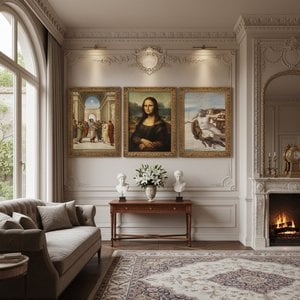
Deset Remek-djela Visoke Renesanse: Umijeće i Ukras za Vaš Dom
Otkrijte 10 remek-djela Visoke Renesanse! Leonardo, Michelangelo, Rafael i drugi majstori oblikovali su umjetnost. Istražite priče iza ikoničnih slika i inspirirajte svoj dom. Kvalitetne reprodukcije na ArtsDot.com – otkrijte cijelu kolekciju online!

Gerhard Richter: A Retrospective on Abstraction, Memory & the Photographic Source
Explore the profound world of Gerhard Richter's abstract paintings. Discover his techniques, influences, and lasting impact on contemporary art – a guide for discerning collectors.

High Medieval Art: 10 Masterpieces That Shaped an Era | ArtsDot
Journey through High Medieval Art! Explore 10 iconic masterpieces – from Giotto's frescoes to stunning Gothic cathedrals. Discover the stories behind these timeless paintings, sculptures & illuminated manuscripts. Find museum-quality art reproductions at ArtsDot.com.


