

 Pregledaj u realnoj veličini
 Pošalji
 Podijeli
 Detalji o umjetničkom djelu
 Vodič
Vodič

 Preuzmi umjetničko djelo
 Slični predmeti
 Rentgenska snimka
 Slide show
 Pitanja i odgovori
 Statistika
The Eco


 Prikaži više
Djelo prikazano na ovoj stranici zaštićeno je autorskim pravima, što znači da zakonski ne možemo izraditi niti prodati identičnu reprodukciju. Ova se zaštita provodi u skladu s međunarodnim sporazumima kao što su Bernska konvencija i nacionalnim zakonima, uključujući i one koji su utvrđeni u Američki zakon o autorskom pravu – Title 17.
Ova metoda u potpunosti je usklađena s autorskim pravima jer ne uključuje kopiranje ili dupliciranje zaštićenih umjetničkih djela. Umjesto toga, riječ je o kreativnoj reinterpretaciji – novoj slici koja je dobila utjecaj na izvornik, ali nije identična njemu.
Giclée / Umjetnički otisak
Giclée tisak muzejske kvalitete ili otisak na platnu uz brzu izradu i raznolike opcije završne obrade. ( Kupi ručno oslikano djelo Prebacite na digitalnu sliku)




P118B €10

P118H €10

P118W €10

P438Z €10

P508JH €12

P508YH €12

P805H €10

P805Z €10

P919BZ €10

P919G €10

P919XJ €10

P959ZH €10

P968JZ €12

W106C €8

W218G €10

W218JH €8

W218Y €10

W307PJ €10

W316G €10

W316PJ €8

W316Y €10

W398PJ €8

W4111J €10

W500HY €15

W500JH €15

W692G €12

W849H €8

W940BG €15

W953PJ €8




Odaberite jednu od naših unaprijed definiranih veličina koje odgovaraju izvornim proporcijama umjetničkog djela.

Unesite potrebnu širinu i visinu kako bi odgovarali vašem okviru ili zidu. Print se može samo izrezati, nikada ne može biti veći od slike, stoga format s drugačijim omjerom stranica uzrokuje gubitak dijela slike. Prije bilo kakve štampe šaljemo vam digitalni prikaz (mockup) na odobrenje. Slika prikazana na ovoj stranici ne prikazuje stvarni rez — to prikazuje isključivo digitalni prikaz.
Dostava širom svijeta () u roku od 2 tjedna umjesto standardnih 4/5 tjedana. (14 Studeni)

Besplatna ekspresna dostava širom svijeta

Visokokvalitetno laneno platno

Potpuno osiguranje dostave

Jamstvo povrata carine i uvoznih poreza

Jamstvo vjernosti boja

Politika povrata u roku od 100 dana (samo u slučaju nedostataka)

Jamstvo povrata 100% novca

Popust na više proizvoda
 Opcija stakla dostupna je samo za dimenzije manje od 110 cm

The Eco
Giclée / Umjetnički otisak
Veličina reprodukcije
-


Ukupna cijena
€ 56
A Fragmented Still Life
Circa 1954, this composition presents an assemblage of objects arranged across a red background. A bird wearing a hat occupies the central position, acting as a focal point that directs the eye through fragmented planes of color and texture. Other avian figures appear near the top right and center-left, integrated into a scene containing dishware, newspapers, flowers, and plants. A clock rests on the left side, while a bottle sits in the bottom right corner. Two bowls are positioned toward the top left and center-right.
The work utilizes geometric shapes—cubes, cylinders, and cones—to dissect subjects into multiple perspectives simultaneously. This approach prioritizes the essence of form over realistic depiction. A muted palette, dominated by reds and browns, creates an atmosphere of subdued intensity.
Cubist Innovation and Symbolism
The painting reflects the mature period of Georges Braque, following his foundational work in Cubism. The technique employs the deconstruction of objects into various viewpoints, a method that challenges traditional single-point perspective. Through the use of geometric dissection, the artist explores the relationship between representation and reality.
The bird with a hat introduces an element of theatricality and aspiration to the arrangement. Its placement reinforces the idea of viewing reality through multiple lenses. The interaction between the various objects—the textures of petals, paper, and ceramic—invites a quiet contemplation of the composition's structural logic.
Pitanja i odgovori
U kojoj bi se prostoriji najbolje prikazalo "The Eco", s obzirom na njegovu paletu boja?
S obzirom na svoje Dark tonove, predlaže se da "The Eco" bude u Living Room.
Je li "The Eco" tipično za ono što je Georges Braque obično stvarao?
"The Eco" prikazuje bird, hat, clock, bottle, bowls, flowers, objects, dok su zabilježene teme umjetnika Georges Braque povezani s cubist exploration, formal structure, geometric abstraction, innovative composition. Usporedba ova dva elementa pokazuje kako se ovo djelo povezuje s uobičajenim motivima umjetnika.
Je li "The Eco" autora Georges Braque u javnom vlasništvu i zašto?
Status autorskih prava za djelo "The Eco" – i dalje je zaštićeno autorskim pravima – proizlazi iz godine smrti umjetnika, 1963.
Srodna umjetnička djela


Biografija umjetnika
Rano djetinjstvo, obitelj i školovanje
Georges Braque rođen je u Argenteuilu u Francuskoj 1882. godine. Njegove rane godine provedene su u Le Havru, u kućanstvu koje je bilo definirano praktičnim aspektima dekoracije i boje. Odrastajući u obitelji kućnih molera i dekoratora, od rane mladosti bio je uronjen u taktilne stvarnosti svog zanata. Ovo odgojno iskustvo pružilo je temelj tehničke vještine i zanatskog umeća koji će kasnije izravno oblikirati njegov pristup platnu.
Prije nego što se posvetio likovnim umjetnostima, slijedio je utabani put svojih predaka, radeći kao pripravnik kućni moler i dekorator. To razdoblje manuelnog rada u njemu je usadilo specifično razumijevanje materijala i fizičkih svojstava površina. Takvo praktično školovanje pružilo je utemeljenu perspektivu o tome kako pigmenti komuniciraju s različitim teksturama, što je bila osjetilnost koja će na kraju izdvojiti njegove kasnija eksperimente s materijalnošću.
Prelazak iz zanata u formalno školovanje odveo ga je u Pariz 1902. godine. Upravo je tamo nastavio svoje studije na Académie Humbert, nastojeći rafinirati svoje urođeno sklonosti kroz akademsku disciplinu. Ovo razdoblje formalnog poučavanja pružilo je neophodnu strukturu njegovoj razvojnoj viziji, premošćujući jaz između manuelne primjene boje i intelektualne potrage za kompozicijom.
Fauvistno razdoblje i Cézanneov utjecaj
Rane godine Braqueove karijere oblikovani su dugovječnim sjenama impresionizma i postimpresionizma. Njegova početna istraživanja nastojela su uhvatiti prolazne kvalitete svjetla i atmosfere, no u njima je počela izbijati dublja, strukturna glad. Do 1905. godine okrenuo se principima fauvizma, prihvaćajući intenzivniju i neprirodističku upotrebu boje kako bi prenio emociju. To razdoblje obilježeno je odmakom od puke opservacije, dok je počeo davati prednost ekspresivnoj snazi palete u usporedbi s doslovnim prikazivanjem svojih subjekata.
Ta novopokrenuta koloristička sloboda pronašla je nužni sidro u radovima umjetnika Paul Cézanne. Georges Braque osjetio je privlačenje načinu na koji je Cézanne koristio čvrste strukture i promišljen pristup boji kako bi organizirao vizualno polje. Upravo je ta sjecišna točka fauvističke boje i Cézanneove geometrije definirala njegov prijelaz u radikalniji način gledanja. Težio je pomiriti emocionalnu intenzitet svojih boja sa osjećajem arhitektonske trajnosti.
Rezultati te sinteze vidljivi su u njegovom djelu iz 1908. godine, Houses at L'Estaque. U ovom kompoziciji pejzaž više nije skup mekih dojmova, već niz šarenih, nagnutih ravnina i geometrijskih oblika. Cézanneov utjecaj je ovdje nepogrešiv, jer je teren sveden na svoje esencijalne volumene. Počeo je dekonstruirati tradicionalnu perspektivu pejzaža, zamjenjujući je fragmentiranom, strukturiranom stvarnošću koja je davanju prednosti dala temeljnoj formi svijeta.
Razvoj kubizma
Između 1907. i 1914. godine, Pariz je postao mjesto duboke vizualne restrukturacije koja je proizašla iz suradnje koju su vodili Georges Braque i Pablo Picasso. Ovo partnerstvo nadilazilo je emocionalnu intenzitet fauvizma, te se usmjerilo prema cerebralnijem istraživanju forme. Razvili su analitički kubizam, metodu koja je disekciono rastavljala predmete u fragmentirane geometrijske oblike. Umjesto pokušaja da repliciraju iluziju trodimenzionalnog prostora, težili su predstaviti cjelovitost predmeta prikazujući više gledišta istovremeno. Taj je pristup skinuo okove tradicionalnoj perspektivi, zamjenjujući je složenim rasporedom ravnina i linija.
Do otprilike 1912. godine, pokret je prošao kroz značajnu tranziciju u sintetički kubizam. Ta je faza odmaknula od disekcije formi prema konstrukciji novih slika kroz sastavljanje raznolikih elemenata. Georges Braque bio je primarni inovator u tom preokretu, budući da je stvorio prvi papier collé pričavanjem tapicije na crtež. Taj je čin lijepljenja fizičkih materijala na površinu izazvao granice platna, potvrđujući sliku kao autonomni objekt, a ne kao prozor u drugi svijet. Njegov rad tijekom tog razdoblja fokusirao se na odnos između reprezentacije i opipljive stvarnosti materijala koji su se koristili.
- Kuće u L'Estaque (1908)
- Čovjek s gitarom (1911)
- Pladanj voća i čaša (1912)
Tehnika i umjetničke inovacije
Georges Braque pristupio je platnu s nemirnom znatiželjom prema fizičkim svojstvima svojih materijala. Nadilazio je tradicionalne granice slikarstva uljanim bojama uvođenjem elemenata koji su izazivali iluziju dubine. Uključivanjem materijala iz stvarnog svijeta, poput isječaka iz novina, tapeta i tkanina, narušio je jedinstvenu perspektivu slikovne ravnine. To eksperimentiranje dovelo je do razvoja tehnike papier collé, metode lijepljenja papira koja omogućila integraciju tekstura svakodnevnog života izravno u njegove kompozicije. Težio je premostiti jaz između naslikane slike i opipljivog objekta.
Njegov tehnički repertoar obilježen je taktilnom, gotovo skulpturalnom senzibilitetnošću. Često je miješao pigmente s pijeskom kako bi promijenio teksturu površine, stvarajući zrnatost koja je na neočekivane načine hvatala svjetlost. Kako bi dodatno manipulirao percepcijom prostora i materijalnosti kod promatralja, eksperimentirao je s kopiranjem vizualnih uzoraka drvenih vlakana i mramora. To nije bio samo dekorativni izbor, već način istraživanja kako različite površine komuniciraju sa svjetlom i formom. Također je na svojim djelima koristio šablonska slova, tehniku koja je dodala sloj grafičke dimenzije i pomogla usidriti kompoziciju unutar moderne, čitljive stvarnosti.
- Pladanj voća i čaša (1912)
- Violina i cijep (1912)
- Klarinet i boca ruma na komodini (1912)
Rat i stilski evolucija
Izbijanje Prvog svjetskog rata 1914. godine donijelo je iznenadnu, nasilnu prekidnu točku intelektualnoj rigoroznosti kubističkog pokreta. Georges Braque pozvan je u vojnu službu, razdoblje koje će temeljito promijeniti i njegovo fizičko stanje i njegov kreativni temperament. Godine 1915. zadobio je tešku ranu na glavi u tr trenchesima, ozljedu koja je rezultirala privremenim slijepilom i zahtijevala trepanaciju kako bi povratio vid. Taj susret s mrakom prisilio je promjenu u njegovoj percepciji. Krute, analitičke strukture koje su definirale njegove ranije godine počele su omekšavati, zamijenjene osobnijim i lirskim pristupom njegovim temama.
Nakon povratka iz rata, stroga geometrijska ograničenja njegove prethodne suradnje s Picassom više nisu bila njegov jedini fokus. Njegov stil evoluirao je kako bi uključio elemente klasične kompozicije, tražeći osjećaj ravnoteže i harmonije koji je djelovao utemeljenije u fizičkom svijetu. Odmaknuo se od čisto intelektualne disekcije forme, prihvaćajući suptilniji i kontemplativniji način gledanja. Njegovo djelo prestalo se baviti fragmentacijom prostora i počelo usredotočavati na tihu, spokojnu atmosferu samih objekata.
- Still Life with Playing Cards (1919)
Ključna djela i značajna pladna
Putem karijere Georges Braque je obilježen specifičnim kompozicijama koje signaliziraju njegove promjene u razmišljanju i tehnici. Godine 1908. pojavio se rad Houses at L'Estaque, koristeći šarene, nagnute ravnine i geometrijske oblike koji su odražavali odmak od tradicionalne perspektive. To razdoblje eksperimentiranja nastavilo se 1910. godine s djelom Violin and Palette, umjetničkim izrazom koji je koristio papir i miješane tehnike kako bi proučavao interakciju boje i forme. Do 1911. godine, njegov fokus se premjeo prema disekciji prostora u djelu Man with a Guitar, kompoziciji koja je exemplificirala analitički pristup koji je razvijao uz svoje suvremenike.
Kako su se njegove metode razvijale, uvođenje novih materijala promijenilo je samu teksturu njegovih platana. Djelo iz 1912. godine, Fruit Dish and Glass, demonstriralo je prijelaz u stil u kojem su prepoznatljivi motivi ponovno integrirani kroz upotrebu kolaža. Čak i nakon ratnih poremećaja, njegov stvaralački rad zadržao je poveznica s njegovim ranijim istraživanjima. The Musician, nastojeno 1918. godine, odražava razdoblje osobajnog prijelaza, dok njegova mnogo kasnija slika iz 1955., Two Birds, pokazuje neprestano zanimanje za fundamentalna svojstva odabranih motiva.
- Mandola (1910)
- Still life with harp and violin (1912)
- Guitar (1913)
- Still Life with Playing Cards (1919)
Naslijeđe i trajni utjecaj
Do trenutka svoje smrti 31. kolovoza 1963. godine, Georges Braque je temeljito promijenio razumijevanje načina na koji doživljavamo i predstavljamo svijet. Kao suosnivač kubizma, pomogao je u razgradnji dugogodišnje ovisnosti o tradicionalnoj perspektivi, zamjenjujući je fragmentiranom, višedimenzionalnom stvarnošću. Njegovo djelo nadmašilo je puku imitaciju prirode, te je umjesto toga težilo uhvatiti samu esenciju predmeta kroz rigorozno proučavanje forme i prostora. Taj je pomak nametnuo trajnu promjenu u vizualnom jeziku dvadesetog stoljeća.
Njegov utjecaj na izdanje umjetnika ostaje neizmjeren. Uvođenjem tehnike papier collé i integracijom svakodnevnih materijala u svoje kompozicije, on je premostio jaz između platna i opipljivog svijeta. Ova je inovacija prkosila granicama onoga što bi slika mogla biti, paveći put za buduća istraživanja teksture i materijalnosti. Čak i kada se njegov stil u kasnijim godinama razvio prema liričnijim i vedrijim temama, strukturna integritet njegovih kubističkih temelja ostao je stalno prisutan u njegovom stvaralaštvu.
- Houses at L'Estaque
- Man with a Guitar
- Fruit Dish and Glass
- Violin and Pipe

Georges Braque
1882 - 1963 , Francuska
Osnovne informacije
- Artistic Movement Or Style:
- Fauvizam
- Kubizam
- Analitički kubizam
- Sintezički kubizam
- Artists Or Movements Influenced By This Artist: ['Moderna umjetnost']
- Artists Who Influenced This Artist:
- Henri Matisse
- André Derain
- Paul Cézanne
- Date Of Birth: 1882
- Date Of Death: 1963
- Full Name: Georges Braque
- Nationality: Francuske
- Notable Artworks:
- Kuće u L'Estaque
- Strpljenje
- Violina i paleta
- Mandola
- Place Of Birth: Argenteuil, Francuska
Srodni članci
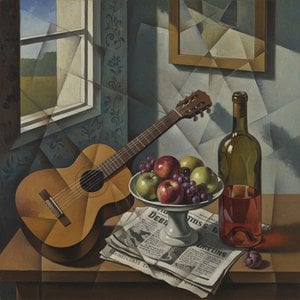
Deconstructing Reality: A Comprehensive Exploration of Cubist Still Life
Explore the revolutionary world of Cubist Still Life with ArtsDot. Discover Picasso & Braque's groundbreaking techniques, its philosophical roots, and lasting impact on modern art. Expert insights for collectors.

Feathered Visions: A Historical & Artistic Exploration of Birds in Painting
Explore the rich history of birds in painting! Discover symbolism, artistic movements & master artists like Audubon. High-quality reproductions available at ArtsDot.

Crimson Threads of Narrative: Exploring Symbolism & Representation in Artworks Featuring the Red Dress
Explore the rich symbolism of the red dress in art history! From ancient power displays to iconic portraits like Cézanne’s 'Madame Cezanne', discover the cultural and artistic significance behind this captivating color. Expert analysis & insights.
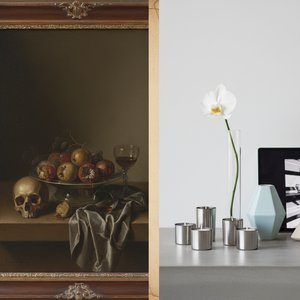
The Enduring Appeal of Still Life: A Historical & Contemporary Exploration
Explore the rich history & symbolism of still life painting with ArtsDot. Discover masterpieces from the Dutch Golden Age, learn about vanitas art, and find expert guidance for collecting timeless artworks.

Silent Narratives: Exploring the Enduring Appeal of Still Life Painting Across Centuries
Explore the rich history of still life painting with ArtsDot. Discover Dutch Masters, decode vanitas symbolism & learn about collecting timeless art. Expert insights and museum-quality reproductions.


