


 Pregledaj u realnoj veličini
 Pošalji
 Podijeli
 Detalji o umjetničkom djelu
 Vodič
Vodič

 Preuzmi umjetničko djelo
 Slični predmeti
 Rentgenska snimka
 Slide show
 Q&A
Q&A Statistika
The Arab Falconer
 Romanticism
 1864
1864 109.0 x 72.0 cm
 Prikaži više
Ručno rađena uljana reprodukcija
Ručno oslikano uljanim bojama na platnu u dimenzijama i okviru po vašem izboru, izrađeno po narudžbi od strane naših umjetnika. ( Prebacite na printove Prebacite na digitalnu sliku)




P118B €10

P118H €10

P118W €10

P438Z €10

P508JH €12

P508YH €12

P805H €10

P805Z €10

P919BZ €10

P919G €10

P919XJ €10

P959ZH €10

P968JZ €12

W106C €8

W218G €10

W218JH €8

W218Y €10

W307PJ €10

W316G €10

W316PJ €8

W316Y €10

W398PJ €8

W4111J €10

W500HY €15

W500JH €15

W692G €12

W849H €8

W940BG €15

W953PJ €8




Odaberite jednu od naših unaprijed definiranih veličina koje odgovaraju izvornim proporcijama umjetničkog djela.

Unesite potrebnu širinu i visinu kako bi dimenzije odgovarale vašem okviru ili zidu. Budući da je riječ o ručno oslikanom djelu, umjetnik može malo proširiti rubove slike ili ih skratiti kako bi postigao drugačiji oblik — izbor je vaš. Prije početka slikanja poslat ćemo vam digitalni prikaz (mockup) radi potvrde. Slika prikazana na ovoj stranici ne predstavlja stvarni rezultat — samo digitalni prikaz to čini.
Nakon narudžbe, tim ArtsDot.com kontaktirat će klijenta putem e-pošte radi dobivanja uputa te dostaviti probni prikaz (mockup)
Isporuka širom svijeta () u roku od 3-4 tjedna umjesto standardnih 5 tjedana. (28 Listopad). Bez kompromisa u kvaliteti.

Besplatna ekspresna dostava širom svijeta

Visokokvalitetno laneno platno

Potpuno osiguranje dostave

Jamstvo povrata carine i uvoznih poreza

Jamstvo vjernosti boja

Politika povrata u roku od 100 dana (samo u slučaju nedostataka)

Jamstvo povrata 100% novca

Popust na više proizvoda
 Opcija stakla dostupna je samo za dimenzije manje od 110 cm

The Arab Falconer
Tehnika reprodukcije
Veličina reprodukcije
-


Ukupna cijena
€ 232
Pitanja i odgovori
Je li dostupna datoteka za preuzimanje za "The Arab Falconer"?
Preuzimanje je dostupno za "The Arab Falconer": na stranici Preuzimanje digitalne slike ovog umjetninog djela možete pronaći preuzimanje digitalne slike visoke rezolucije.
Koja boja dominira u kompoziciji djela "The Arab Falconer" autora Eugène Fromentin?
Boja koja najviše dolazi do izražaja u djelu "The Arab Falconer" je Gray (#9a8e6e). Dominantna boja korisna je pri uklapanju umjetničkog djela u interijer.
Što objašnjava status autorskih prava za "The Arab Falconer" autora Eugène Fromentin?
Djelo "The Arab Falconer" autora Eugène Fromentin nalazi se u u javnom vlasništvu – autorska prava su istekla. Autorska prava se obračunavaju od godine smrti umjetnika, a Eugène Fromentin je preminuo/la 1876.
Srodna umjetnička djela


Biografija umjetnika
A Life Immersed in Light and Landscape
Eugène Fromentin, born in the port city of La Rochelle, France, in 1820, was a figure uniquely positioned at the intersection of painting and prose. His life wasn’t one of dramatic upheaval, but rather a steady immersion into observation—a meticulous study of both the physical world and the human spirit. Initially destined for a legal career, Fromentin abandoned law to pursue his artistic inclinations, a decision that would lead him down a path defined by vibrant color, evocative landscapes, and a profound fascination with North Africa. His early training under Louis Cabat provided a foundation in landscape painting, but it was the burgeoning Romanticism of Eugène Delacroix that truly ignited his artistic vision, influencing his bold use of color and dynamic compositions. However, Fromentin wasn’t merely an imitator; he sought to forge his own path, one guided by direct experience and a desire to capture the essence of life as he witnessed it.The Allure of Algeria: An Orientalist Vision
Fromentin's artistic trajectory was irrevocably altered by his first journey to Algeria in 1845. This wasn’t simply a trip for picturesque scenery; it was an immersion into a culture vastly different from his own, a world brimming with exoticism and untamed beauty. He returned repeatedly to North Africa, each visit deepening his understanding of the land and its people. These travels weren't undertaken as a colonial observer but rather as someone genuinely captivated by the lives unfolding before him. He aimed not to document Algeria for a European audience, but to convey its intrinsic grandeur—the “unconscious grandeur of barbarian and animal attitudes and gestures,” as he himself described it. This pursuit established Fromentin as a key figure in the Orientalist movement, though his approach was distinguished by a remarkable degree of realism and sensitivity. Paintings like Les Gorges de la Chiffa (1847), which garnered early acclaim at the Salon, demonstrated his ability to capture both the dramatic landscapes and the subtle nuances of Algerian life. Later works such as Arabs Resting (1871) and Moroccan Horsemen at the Foot of the Chiffra Cliff further solidified his reputation, showcasing his mastery of depicting movement, light, and atmosphere.Beyond the Canvas: A Literary Voice
Fromentin’s creative output extended far beyond the realm of painting. He was a prolific writer, producing travelogues, fiction, and art criticism that revealed a keen intellect and a refined sensibility. His literary works weren't merely supplements to his paintings; they were independent explorations of similar themes—the allure of exotic lands, the beauty of nature, and the complexities of human experience. Un Été dans le Sahara (1857) and Une Année dans le Sahel (1858) offered vivid accounts of his travels, capturing not just the physical landscape but also the cultural nuances and everyday lives of the people he encountered. However, it was his collection of essays, Les Maîtres d'Autrefois (The Old Masters), published in 1876, that cemented his legacy as a discerning art critic. In this work, Fromentin demonstrated an insightful understanding of art history, offering perceptive analyses of the works of Rubens, Rembrandt, and other masters of the Northern Renaissance and Baroque periods. He approached these artists not merely as historical figures but as fellow creators grappling with similar artistic challenges—a perspective that resonated deeply with his contemporaries.A Lasting Legacy: Bridging Worlds
Eugène Fromentin’s death in Paris in 1876 marked the end of a remarkable career, one that seamlessly blended artistic and literary pursuits. His contribution to the Orientalist movement was significant, popularizing images of North Africa within European art circles while simultaneously offering a more nuanced and respectful portrayal than many of his contemporaries. He wasn’t simply painting exotic scenes; he was attempting to understand and convey the essence of a different culture. Moreover, Fromentin's unique ability to bridge the worlds of art and literature set him apart. He demonstrated that artistic vision could be expressed through multiple mediums, enriching both his paintings and his writings. His influence extended beyond his immediate circle, inspiring subsequent generations of artists interested in depicting exotic landscapes and cultures with sensitivity and authenticity. Today, Fromentin’s works continue to captivate audiences with their vibrant colors, evocative atmospheres, and insightful observations—a testament to the enduring power of an artist who dared to look beyond the familiar and embrace the beauty of the unknown.Major Works
- Les Gorges de la Chiffa (1847): A pivotal early work that established Fromentin’s reputation.
- Arabs Resting (1871): Captures the tranquility and essence of Arab life in Algeria.
- Moroccan Horsemen at the Foot of the Chiffra Cliff: Showcases his skill in depicting dynamic movement and expansive landscapes.
- Un Souvenir d'Esneh (1876): A mature work reflecting a refined artistic sensibility, painted shortly before his death.
- Les Maîtres d’Autrefois (The Old Masters) (1876): His most celebrated literary contribution—a collection of insightful essays on the old masters.

Eugène Fromentin
1820 - 1876 , France
Osnovne informacije
- Full Name: Eugène Fromentin
- Nationality: French
- Date Of Birth: 1820
- Date Of Death: 1876
- Place Of Birth: La Rochelle, France
- Notable Artworks:
- Les Gorges de la Chiffa
- Arabs
- Moroccan Horsemen
- Un Souvenir d'Esneh
- Artistic Movement Or Style: Orientalism
- Artists Who Influenced This Artist: ['Eugène Delacroix']
- Artists Or Movements Influenced By This Artist: Subsequent Orientalists
Srodni članci

Eugen von Blaas: Capturing Alpine Life & Sentiment in 19th-Century Austrian Painting
Discover the captivating world of Eugen von Blaas! Explore his exquisite 19th-century paintings capturing Venetian life & Alpine beauty. Learn about his Academic Classicism style and find museum-quality reproductions at ArtsDot.

The Allure of Romantic Vibe in Artwork: A Historical & Psychological Exploration
Explore the captivating world of Romantic art! Discover its history, psychological depth, key artists like Friedrich & Goya, and find timeless pieces for your collection at ArtsDot.com.

Glavna 10 Remek-djela Romantizma: Uljepšajte Svoj Dom Umjetnošću
Otkrijte 10 remek-djela romantizma koja su definirala pejzažno slikarstvo! Uronite u svijet Friedricha, Turnera i Aivazovskog. Inspirirajte svoj interijer vrhunskim umjetničkim djelima. Kupujte reprodukcije na ArtsDot.com!

Romantic Realism's Finest: 10 Masterpieces for Your Home | ArtsDot
Explore 10 defining masterpieces of Romantic Realism! Discover Courbet, Millet & Daumier's powerful paintings—capturing emotion and social realities. Find museum-quality reproductions for your home at ArtsDot.com.
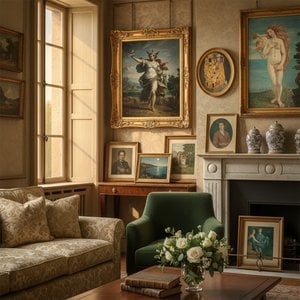
Romantic Masterpieces: 10 Artworks for a Timeless Home Decor Aesthetic
Fall in love with art! Explore 10 iconic romantic paintings – from Monet & Bouguereau to Fragonard. Discover the stories behind these masterpieces and find museum-quality reproductions for your home decor at .