


 Pregledaj u stvarnoj veličini
 Pošalji
 Podijeli
 Detalji o umjetničkom djelu

 Preuzmi
 Slični predmeti
 Rentgenska snimka
 Automatska prezentacija
A Monkey Alchemist

 Prikaži više
Giclée / Umjetnički otisak
Giclée tisak muzejske kvalitete ili otisak na platnu uz brzu proizvodnju i fleksibilne opcije završne obrade. ( Prebacite se na ručno oslikano djelo Prebacite na sliku)




































Odaberite jednu od naših unaprijed definiranih veličina koje odgovaraju izvornim proporcijama umjetničkog djela.

Možete unijeti vlastite dimenzije kako biste umjetničko djelo prilagodili specifičnom okviru ili prostoru. Ako odabrana veličina ne odgovara proporcijama izvornog rada, izrezat ćemo dio slike ili je proširiti pomoću ogledalnog efekta ili jednobojne rubne površine. Digitalni prikaz (mockup) bit će vam poslan na odobrenje prije početka proizvodnje.
Imajte na umu da pregled na zaslonu ne odražava stvarno izrezivanje ili proširivanje. Samo će mockup točno prikazati konačnu kompoziciju.
Iako su dostupne prilagođene veličine, preporučujemo odabir dimenzije iz unaprijed definirane liste kako biste očuvali izvorne proporcije.
Dostava širom svijeta () u roku od 2 tjedna umjesto standardnih 4/5 tjedana. (8 Kolovoz)

Besplatna ekspresna dostava širom svijeta

Visokokvalitetno laneno platno

Potpuno osiguranje dostave

Jamstvo povrata carine i uvoznih poreza

Garancija vjernog podudaranja boja

Politika povrata u roku od 60 dana (samo u slučaju nedostataka)

Jamstvo povrata 100% novca

Popust na više proizvoda
 Opcija stakla dostupna je samo za dimenzije manje od 110 cm

A Monkey Alchemist
Giclée / Umjetnički otisak
Veličina reprodukcije
-


Ukupna cijena
$ 62
Srodna umjetnička djela


Biografija umjetnika
The Quiet Observer: The Life and Legacy of Edmund Bristow
In the tapestry of nineteenth-century British art, few threads are as delicately woven or as intensely personal as those left by Edmund Bristow. Born in 1787 in the historic town of Eton, Berkshire, Bristow emerged from a lineage steeped in the meticulous traditions of heraldic painting. His father’s craft, which demanded an exacting eye for detail and a reverence for symbolic precision, provided the foundational bedrock upon which Edmund would build his unique artistic identity. This early exposure to the disciplined world of emblems and crests undoubtedly shaped his later ability to capture the subtle nuances of life, whether in the curve of a horse's neck or the delicate petal of a flower.
Bristow’s ascent within the upper echelons of British society was marked by an extraordinary early patronage that few artists of his era could claim. The favor of Princess Elizabeth, who would later become Queen Victoria, and the Duke of Clarence (the future King William IV), provided him with more than just financial stability; it granted him access to a world of refined observation. These royal connections encouraged him to document the iconic landscapes of his youth, producing exquisite sketches of Eton College and Windsor Castle. Through these works, he began to develop a style that balanced the architectural grandeur of the English landscape with an intimate, almost tender, focus on the life inhabiting it.
A Mastery of Motion and Stillness
As his career matured, Bristow’s artistic focus expanded into a profound exploration of both the animate and inanimate. He became a celebrated master of animal portraiture, possessing a rare, empathetic ability to render the spirit of his subjects. His canvases were not merely anatomical studies; they were character studies. Whether depicting the playful energy of monkeys, the domestic grace of cats, or the powerful dynamism of equestrian pursuits, Bristow infused his animals with a palpable sense of intelligence and movement. This skill was particularly evident in his sporting scenes, where he captured the breathless tension of the hunt and the rhythmic stride of horses with remarkable realism.
Beyond the movement of beasts, Bristow found deep inspiration in the quietude of still life. His paintings of fruits, flowers, and domestic objects reflect a dedication to atmospheric realism. In these works, he utilized light and texture to elevate everyday objects into subjects of contemplation, mirroring the meticulousness he inherited from his heraldic roots. This duality—the ability to capture both the thundering pulse of a sporting party and the silent dignity of a bowl of fruit—defines the breadth of his technical achievement.
The Eccentricity of Artistic Integrity
What truly distinguishes Edmund Bristow from his contemporaries was perhaps his uncompromising, almost stubborn, devotion to his own creative impulse. In an era where many artists were driven by the demands of the commission market, Bristow remained a fiercely independent spirit. He famously worked only when struck by genuine inspiration, often rejecting lucrative opportunities if they did not align with his internal vision. This eccentricity extended even to his relationship with his own creations; he was known for a profound reluctance to sell his completed works, treating them more as personal milestones of observation than as commodities.
This commitment to artistic integrity ensured that his body of work remains an authentic record of his perceptions, untainted by the pressures of commercial trends. His correspondence with the celebrated Sir Edwin Landseer suggests a shared devotion to capturing the true essence of nature, further cementing his place within the lineage of great British naturalists. Today, Bristow is remembered not merely as a painter of scenes, but as a quiet chronicler of the British soul—an artist who found extraordinary beauty in the small, the wild, and the everyday.

Edmund Bristow
1787 - 1876 , United Kingdom
Osnovne informacije
- Artistic Movement Or Style: Animal Painting
- Artists Or Movements Influenced By This Artist: ['Dutch Golden Age']
- Artists Who Influenced This Artist: ['Sir Edwin Landseer']
- Date Of Birth: Apr 1787
- Date Of Death: Feb 1876
- Full Name: Edmund Bristow
- Nationality: British
- Notable Artworks:
- Monkey Pugilists
- Cat's Paw
- Law and Justice
- Incredulity
- The Rehearsal
- Pros and Cons of Life
- Place Of Birth: Eton, United Kingdom
Srodni članci

From Concept to Canvas: Leveraging Digital Mockups for Precision & Client Satisfaction in Custom Oil Painting Reproduction
Transform your vision into reality with ArtsDot's custom oil painting reproductions. Experience precision & peace of mind through our expert digital mockup process, ensuring a flawless masterpiece tailored to your style. Discover the art of bespoke creation today!
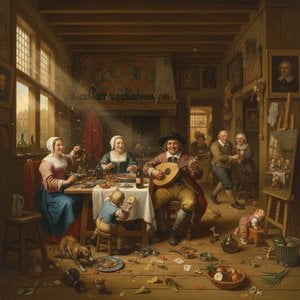
Jan Steen: A Master of Dutch Genre Painting & the Golden Age
Explore the life & art of Jan Steen, a leading Dutch Golden Age painter renowned for his humorous genre scenes & insightful social commentary. Discover his techniques, legacy, and collecting tips.

From Snapshot to Canvas: The Art of Transforming Travel Photography into Timeless Oil Paintings
Transform your cherished travel photos into timeless oil paintings with expert artists at ArtsDot.com. Museum-quality reproductions & custom portraits – preserve your memories beautifully.

From Imagination to Canvas: Commissioning Bespoke Fantasy Art with Traditional Oil Painting Techniques
Commission breathtaking bespoke fantasy art with skilled oil painters. Explore techniques, artist selection & preservation tips. Invest in a unique masterpiece today!

Oil on Canvas Masters: 10 Paintings That Redefined Art History |
Journey through art history with our guide to 10 legendary oil on canvas masterpieces! Explore iconic works by Van Gogh, Monet & Rembrandt. Find museum-quality reproductions and elevate your home decor at . Discover all masterpieces online.

