

 Pregledaj u realnoj veličini
 Pošalji
 Podijeli
 Detalji o umjetničkom djelu
 Vodič
Vodič

 Preuzmi umjetničko djelo
 Slični predmeti
 Rentgenska snimka
 Slide show
 Pitanja i odgovori
 Statistika
Self-Portrait

- 164.0 x 122.0 cm


 Prikaži više
Giclée / Umjetnički otisak
Giclée tisak muzejske kvalitete ili otisak na platnu uz brzu izradu i raznolike opcije završne obrade. ( Kupi ručno oslikano djelo Prebacite na digitalnu sliku)




P118B €10

P118H €10

P118W €10

P438Z €10

P508JH €12

P508YH €12

P805H €10

P805Z €10

P919BZ €10

P919G €10

P919XJ €10

P959ZH €10

P968JZ €12

W106C €8

W218G €10

W218JH €8

W218Y €10

W307PJ €10

W316G €10

W316PJ €8

W316Y €10

W398PJ €8

W4111J €10

W500HY €15

W500JH €15

W692G €12

W849H €8

W940BG €15

W953PJ €8




Odaberite jednu od naših unaprijed definiranih veličina koje odgovaraju izvornim proporcijama umjetničkog djela.

Unesite potrebnu širinu i visinu kako bi odgovarali vašem okviru ili zidu. Print se može samo izrezati, nikada ne može biti veći od slike, stoga format s drugačijim omjerom stranica uzrokuje gubitak dijela slike. Prije bilo kakve štampe šaljemo vam digitalni prikaz (mockup) na odobrenje. Slika prikazana na ovoj stranici ne prikazuje stvarni rez — to prikazuje isključivo digitalni prikaz.
Dostava širom svijeta () u roku od 2 tjedna umjesto standardnih 4/5 tjedana. (18 Studeni)

Besplatna ekspresna dostava širom svijeta

Visokokvalitetno laneno platno

Potpuno osiguranje dostave

Jamstvo povrata carine i uvoznih poreza

Jamstvo vjernosti boja

Politika povrata u roku od 100 dana (samo u slučaju nedostataka)

Jamstvo povrata 100% novca

Popust na više proizvoda
 Opcija stakla dostupna je samo za dimenzije manje od 110 cm

Self-Portrait
Giclée / Umjetnički otisak
Veličina reprodukcije
-


Ukupna cijena
€ 56
A Gaze Through Time: The Introspective Mastery of David Bailly
In the quiet, shadowed depths of the Dutch Golden Age, few works capture the profound weight of human existence as poignantly as David Bailly’s Self-Portrait. Painted in 1625, this masterpiece serves as more than a mere likeness; it is a window into the soul of a man navigating the complexities of his own mortality and legacy. As the viewer approaches this canvas, they are met with an arresting, direct gaze that seems to bridge the centuries, pulling us into a silent dialogue with the artist himself. The composition is masterfully balanced, centering a middle-aged Bailly against a dark, indeterminate void that pushes his features forward, demanding our undivided attention.
The technique employed by Bailly is a testament to the rigorous training of the Leiden school. Through a sophisticated use of chiaroscuro, he orchestrates a dramatic interplay between light and shadow. A soft, directional light source from the upper left illuminates the contours of his face, highlighting the weathered texture of his skin and the thoughtful furrow of his brow. Every detail—from the crisp, white folds of his period collar to the meticulously rendered strands of his beard—is executed with a breathtaking realism that speaks to the artist's profound command over oil paint. This tactile quality does not merely replicate reality; it breathes life into the canvas, making the subject feel palpably present.
Symbolism and the Vanitas Tradition
Beyond its technical brilliance, the painting is steeped in the rich symbolic language of the 17th-century vanitas tradition. During this era, Dutch artists frequently used portraiture to meditate on the fleeting nature of life, the inevitability of death, and the vanity of earthly pursuits. In Bailly’s self-portrait, the somber palette of earth tones and the stark contrast of light against darkness evoke a sense of contemplative melancholy. The artist uses his own likeness as a vessel for these larger philosophical inquiries, inviting collectors and observers to reflect on the passage of time.
For the discerning art lover or interior designer, this piece offers a profound emotional resonance that transcends simple decoration. It is an artwork of substance, providing a focal point of intellectual and aesthetic depth. Whether placed in a curated gallery setting or as a commanding centerpiece in a sophisticated study, the Self-Portrait brings with it an atmosphere of timeless wisdom and quiet dignity. To possess a reproduction of this work is to invite a piece of history into one's space—a piece that celebrates the enduring power of human introspection and the exquisite artistry of the Dutch masters.
Pitanja i odgovori
Koje raspoloženje i emociju izražava "Self-Portrait" autora David Bailly?
U djelu "Self-Portrait", Calm raspoloženje prati Reflective emocija.
Mogu li pregledati "Self-Portrait" autora David Bailly prije narudžbe?
Pregled djela "Self-Portrait" autora David Bailly možete pogledati na stranici Pregled u prostoru za to umjetničko djelo.
Koristi li "Self-Portrait" autora David Bailly snažne kontraste ili meke harmonije?
U djelu "Self-Portrait", Statement kontrast uparuje se s Strong Color Unity harmonijom.
Srodna umjetnička djela


Srodni članci

Dutch Baroque Masters: 10 Paintings That Shaped an Era | ArtsDot
Journey through the Golden Age with our guide to the Top 10 Dutch Baroque masterpieces! Explore iconic paintings by Rembrandt, Vermeer & Frans Hals. Find museum-quality art reproductions and elevate your home decor at ArtsDot.com.

Rembrandt van Rijn: 25 Majstorstava Svjetla i Sjene | Reprodukcije za Vaš Dom
Uronite u svijet Rembrandta van Rijna! Otkrijte 25 najpoznatijih djela nizozemskog baroka, priče iza portreta i biblijskih scena te majstorstvo svjetla i sjene. Kupite reprodukcije vrhunske kvalitete za vaš dom na ArtsDot.com

Egon Schiele: 25 Remek-djela Ekspresionizma za Vaš Dom | ArtsDot
Istražite 25 najpoznatijih djela Egona Schielea! Otkrijte ekspresionističke portrete, autoportrete i simbolizam u austrijskoj umjetnosti. Kvalitetne reprodukcije slika za vaš dom na ArtsDot.com.
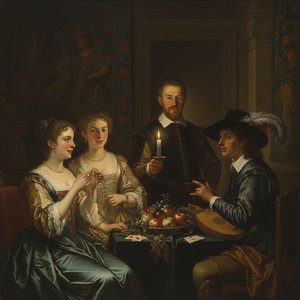
Gerard van Honthorst: Illuminating the Dutch Golden Age with Caravaggism & Courtly Grace
Explore the captivating world of Gerard van Honthorst, a Dutch Golden Age master renowned for his dramatic chiaroscuro & courtly portraits. Discover his life, art, and lasting influence on Baroque painting.

Vanitas & Beyond: Exploring Mortality's Artistic Legacy for the Elite Collector
Explore the rich history & symbolism of Vanitas paintings with ArtsDot. Discover masterpieces reflecting mortality, societal values, & collecting insights for discerning art enthusiasts.