


 Pregledaj u stvarnoj veličini
 Pošalji
 Podijeli
 Detalji o umjetničkom djelu

 Preuzmi
 Slični predmeti
 Rentgenska snimka
 Automatska prezentacija
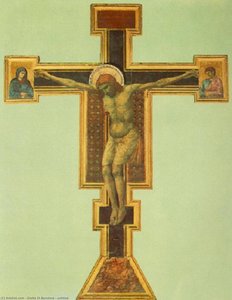
Crucifix
 Tempera na drvenoj podlozi
- Proto-Renaissance
 1287
1287- Kasno srednjovjekovni period
 448.0 x 390.0 cm
 Museo dell'Opera di Santa Croce
 Prikaži više
Giclée / Umjetnički otisak
Giclée tisak muzejske kvalitete ili otisak na platnu uz brzu proizvodnju i fleksibilne opcije završne obrade. ( Kupi ručno naslikanu sliku Kupi digitalnu sliku)




P118B $10

P118H $10

P118W $10

P438Z $10

P508JH $12

P508YH $12

P805H $10

P805Z $10

P919BZ $10

P919G $10

P919XJ $10

P959ZH $10

P968JZ $12

W106C $8

W218G $10

W218JH $8

W218Y $10

W307PJ $10

W316G $10

W316PJ $8

W316Y $10

W398PJ $8

W4111J $10

W500HY $15

W500JH $15

W692G $12

W849H $8

W940BG $15

W953PJ $8




Odaberite jednu od naših unaprijed definiranih veličina koje odgovaraju izvornim proporcijama umjetničkog djela.

Možete unijeti vlastite dimenzije kako biste umjetničko djelo prilagodili specifičnom okviru ili prostoru. Ako odabrana veličina ne odgovara proporcijama izvornog rada, izrezat ćemo dio slike ili je proširiti pomoću ogledalnog efekta ili jednobojne rubne površine. Digitalni prikaz (mockup) bit će vam poslan na odobrenje prije početka proizvodnje.
Imajte na umu da pregled na zaslonu ne odražava stvarno izrezivanje ili proširivanje. Samo će mockup točno prikazati konačnu kompoziciju.
Iako su dostupne prilagođene veličine, preporučujemo odabir dimenzije iz unaprijed definirane liste kako biste očuvali izvorne proporcije.
Dostava širom svijeta () u roku od 2 tjedna umjesto standardnih 4/5 tjedana. (16 Kolovoz)

Besplatna ekspresna dostava širom svijeta

Visokokvalitetno laneno platno

Potpuno osiguranje dostave

Jamstvo povrata carine i uvoznih poreza

Garancija vjernog podudaranja boja

Politika povrata u roku od 60 dana (samo u slučaju nedostataka)

Jamstvo povrata 100% novca

Popust na više proizvoda
 Opcija stakla dostupna je samo za dimenzije manje od 110 cm

Crucifix
Giclée / Umjetnički otisak
Veličina reprodukcije
-


Ukupna cijena
$ 62
Opis djela
Remek-djelo bizantinskog utjecaja
Cimabuejev "Križ" stoji kao monumentalno djelo kasnog 13. stoljeća, utjeljujući tranziciju iz bizantinske ikonografije u rani renesansni realizam. Stvoren oko 1287. godine, ovaj impozantni krst je svjedočanstvo Cimabuejevog inovativnog pristupa, koji spaja tradicionalnu religijsku simboliku s novonastalim umjetničkim tehnikama koje će utirati put budućim majstorima poput Giotta.Subjekt i kompozicija
Umjetničko djelo prikazuje razapnuća Isusa Krista, centralnu temu u kršćanskoj umjetnosti. Kompozicija slijedi tradicionalni križni raspored, s figurom Isusa istaknutom u samom središtu. Uz križ stoje dvije žalosnice, vjerojatno predstavljajući Djevica Mariju i svetog Ivana Evangelista, što sceni dodaje snažnu emocionalnu dubinu.Stil i tehnika
Cimabuejev stil odlikuje spoj bizantinskih utjecaja i ranorenesansnih inovacija. Upotreba bogatih boja, posebno duboke plave, crvene i zlatne, stvara osjećaj pobožnosti i božanstva. Figure su prikazane s realističnijim proporcijom i sofisticiranim sjeničenjem u usporedbi s ranijom srednjovjekovnom umjetnošću, što sugerira volumen i dubinu. Djelo je izvedeno temperom na drvenoj ploči, što je bila uobičajena tehnika tog razdoblja. Detalji od zlata dodaju svjetlosnu kvalitetu, naglašavajući svetost scene. Pedantna pažnja posvećena detaljima u prikazivanju kože i odjeće figura pokazuje Cimabuejevu vrhunsku vještinu u svom zanatu.Povijodni kontekst
Cimabue, rođen oko 1240. u Firenci, bio je ključna figura u evoluciji talijanske umjetnosti. Njegov rad označio je značajno odstupanje od ravnih, shematskih metoda bizantinskog slikarstva, uvodeći elemente realizma i emocionalnog izražavanja koji će postati zaštitni znak renesanse. "Križ" je jedno od Cimabuejevih najranijih pripisanim djela, naručeno od strane dominikanskog reda za bazliku San Domenico u Arezzu. Ova narudžba ističe važnost religijske umjetnosti u srednjovjekovnom društvu i ulog umjetnika poput Cimabueja u oblikovanju duhovnih iskustava kroz vizualno pripovijedanje.Simbolika i emocionalni dojam
Scena razapnuća prepuna je simboličkih elemenata, uključujući sam križ koji predstavlja žrtvu i iskupljenje, te aure oko glava figura koje označavaju njihovu svetost. Žalosnice s obje strane prenose tugu i bol, dodajući emocionalnu dimenziju umjetničkom djelu. Cimabuejev prikaz Kristova tijela, izveden s sjeničenjem i osjećajem plastičnosti, prenosi duboki osjećaj patnje i čovječnosti. Ovo odstupanje od krutih bizantinskih figura Krista na križu predskazuje ekspresivnije i prirodnije prikaze koji će definirati renesansnu umjetnost.Zašto prikupiti ili izložiti ovo djelo
Ljubiteljima umjetnosti, kolekcionarima i dizajnerima interijera, Cimabuejev "Križ" nudi jedinstvenu mješavinu povijesnog značaja i umjetničke briljantnosti. Njegova bogata paleta boja, zamršeni detalji i emocionalna dubina čine ga očaravajućim dodatkom svakoj kolekciji. Kao visokokvalitetna reprodukcija, ovo djelo može služiti kao upečatljiva središnja točka u tradicionalnim i suvremenim interijerima. Njegove bezvremenske teme i majstorska izvedba osiguravaju da ostane cijenjeno djelo generacijama koje dolaze. Doživite duboku ljepotu i duhovni odjek Cimabuejevog "Križa", remek-djela koje povezuje srednjovjekovnu i renesansnu eru, te unosite dodir sakralne umjetnosti u svoj prostor.Srodna umjetnička djela


Biografija umjetnika
Giovanni Cimabue (c. 1240–1302): Pioneer of Italian Painting
Cimabue, or Cenni di Pepo (circa 1240 – after 1302), stands as a monumental figure—a bridge between the established artistic traditions of the Byzantine world and the burgeoning innovations that would define the Italian Renaissance. His life, though partially obscured by time and romanticized accounts – most notably those penned by Giorgio Vasari centuries later – marks an undeniable turning point in Western art history. Cimabue wasn’t simply a painter; he was a courageous innovator who dared to subtly challenge artistic conventions, laying the groundwork for the revolutionary changes that would soon sweep across Italy. Even his nickname, believed to mean “bull-headed,” hints at a strong will and perhaps a rebellious spirit—qualities demonstrably present in his willingness to experiment with form and expression. He represents a crucial moment where art began to shift from being solely devotional imagery towards something more humanistic and emotionally resonant.Early Influences and Artistic Development
Initially immersed in the Italo-Byzantine style prevalent throughout Florence, Cimabue’s early work adhered closely to established aesthetic principles: flattened figures adorned with shimmering gold leaf, symbolic rather than realistic depictions of space, and a profound focus on religious iconography. However, even within these constraints, a nascent desire for naturalism began to emerge. He wasn't content merely replicating existing forms; he sought to imbue his paintings with a greater sense of life and emotional depth. While the precise nature of his early training remains debated, it’s likely he honed his skills within Florentine workshops, absorbing the techniques and influences of the time while simultaneously developing his own unique artistic voice. The Byzantine style, characterized by its formality and spiritual focus, provided him with a solid foundation, but Cimabue began to subtly introduce elements that would foreshadow the coming Renaissance—a greater attention to volume, more expressive facial features, and a nascent understanding of spatial relationships. This wasn’t a sudden break from tradition, but rather a gradual evolution, a delicate balancing act between honoring the past and embracing new possibilities.The Maestro's Vision: Giotto and Beyond
Vasari famously recounted the tale of Cimabue playfully painting a fly on Giotto’s face—a gesture that encapsulates the dynamic between master and pupil and underscores Cimabue’s profound influence on his successor. Giotto, recognizing Cimabue’s genius as a teacher, elevated him to the forefront of Florentine art history. Cimabue's legacy extends far beyond Giotto’s achievements; he fostered an artistic spirit that permeated numerous other artists of the period. He challenged the artistic norms of his time, demonstrating that art could be more than just religious symbolism; it could also reflect human emotion and experience. His willingness to experiment with form, proportion, and expression paved the way for the innovations of the Renaissance, establishing him as a crucial transitional figure in the history of Western painting. Cimabue’s artistic vision—characterized by its subtle yet decisive departure from Byzantine conventions—became the cornerstone upon which Giotto built his groundbreaking style.Notable Artworks: A Reflection of Innovation
Cimabue's oeuvre is marked by masterpieces that exemplify his evolving stylistic sensibilities and underscore his pioneering role in shaping Italian art history. The *Maestà*, commissioned for the Church of San Francesco in Pisa, stands as one of his most celebrated achievements—a monumental altarpiece that embodies Cimabue’s mastery of composition and color while simultaneously hinting at a move away from rigid Byzantine formalism. The figures, though retaining a degree of Byzantine influence, exhibit newfound volume and presence—a testament to Cimabue's gradual embrace of naturalistic principles. Similarly, the *Crucifixion*, executed around 1270 for San Domenico in Arezzo, represents an early demonstration of Cimabue’s departure from strict Byzantine conventions. The depiction of Christ’s body is rendered with shading on the legs, torso, arms, and underarms—creating a palpable sense of flesh-like plasticity and conveying to the viewer the agony of his crucifixion. Furthermore, Cimabue's contribution to the decoration of the Baptistery of Florence—specifically the apse mosaic depicting Saint John the Evangelist—demonstrates his exceptional skill as a mosaicist and underscores his role in establishing Florentine art as a beacon of innovation.A Legacy Enduring Through Time
Cimabue passed away after 1302, leaving behind a body of work that continues to captivate and inspire scholars and artists alike. Despite the scarcity of biographical details surrounding his later life—a regrettable consequence of historical records—his artistic legacy resonates powerfully through the works of his students and the subsequent evolution of Italian art. Cimabue’s paintings are not merely relics of a bygone era; they are windows into a pivotal moment in artistic history—a time when artists began to question established norms and explore new horizons. He was a pioneer, a visionary who dared to challenge the status quo and lay the foundations for the artistic brilliance that would define the Renaissance. Cimabue’s enduring significance lies not only in his groundbreaking innovations but also in his unwavering commitment to artistic excellence—a testament to his genius as a painter and mosaicist and a cornerstone of Florentine art history.
Cimabue
1240 - 1302 , Italija
Osnovne informacije
- Artistic Movement Or Style: Byzantine & Renaissance
- Artists Who Influenced This Artist:
- Nicolo Pisano
- Giunta Pisano
- Date Of Birth: c. 1240
- Date Of Death: 1302
- Full Name: Giovanni Cimabue
- Nationality: Italian
- Notable Artworks:
- Maestà
- Crucifixion
- Flagellation of Christ
- Place Of Birth: Florence, Italy
Srodni članci

Late Medieval Masterpieces: 10 Artworks That Defined an Era | ArtsDot
Journey through 10 defining Late Medieval masterpieces – from Giotto's frescoes to Jan van Eyck’s realism. Explore the stories, techniques & vibrant colors of Gothic art. Find museum-quality reproductions and elevate your home decor with ArtsDot.com! Discover all masterpieces on ArtsDot.com

High Medieval Art: 10 Masterpieces That Shaped an Era | ArtsDot
Journey through High Medieval Art! Explore 10 iconic masterpieces – from Giotto's frescoes to stunning Gothic cathedrals. Discover the stories behind these timeless paintings, sculptures & illuminated manuscripts. Find museum-quality art reproductions at ArtsDot.com.

Proto-Renaissance Masters: 10 Artworks That Changed History | ArtsDot
Journey back to the dawn of Renaissance art! Explore 10 iconic Proto-Renaissance masterpieces by Giotto, Cimabue & Duccio. Discover their stories, techniques & lasting impact. Find museum-quality reproductions for your home at ArtsDot.com

Illuminating Faith & Power: A Journey Through Medieval Art (c. 500 – c. 1500)
Explore the rich history of Medieval Art (c. 500 – c. 1500) with ArtsDot. Discover Byzantine mosaics, Gothic cathedrals & Renaissance masterpieces. Expert insights & museum-quality reproductions.

Illuminating Eternity: A Comprehensive Exploration of Byzantine Art's Legacy
Explore the rich history & stunning artistry of the Byzantine Empire! Discover iconic mosaics, profound symbolism, and lasting influence on Western art. A comprehensive guide for history lovers.



