

 Pregledaj u stvarnoj veličini
 Pošalji
 Podijeli
 Detalji o umjetničkom djelu

 Preuzmi
 Slični predmeti
 Rentgenska snimka
 Automatska prezentacija
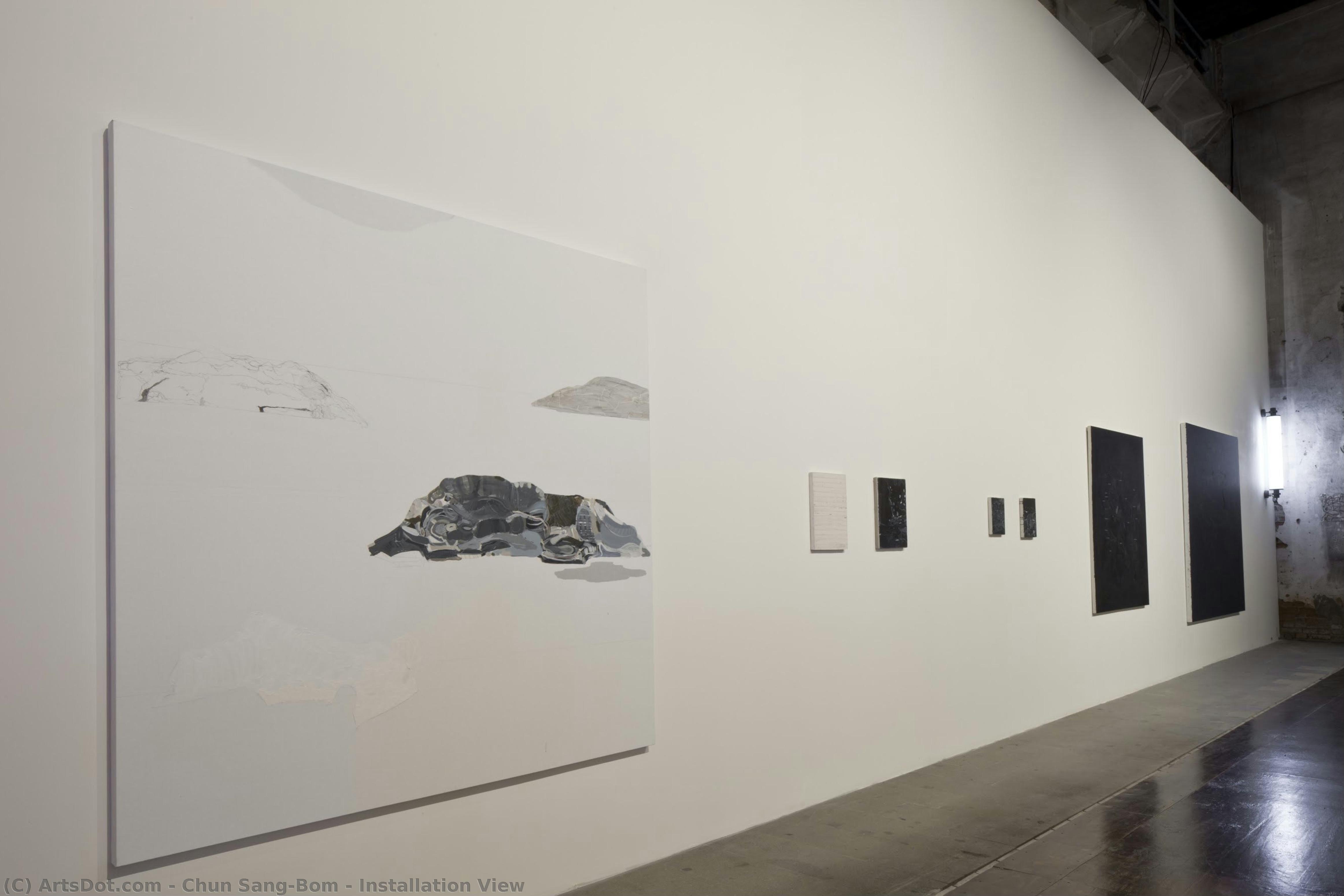
Installation View


 Prikaži više
Kupite digitalnu sliku visoke rezolucije i poboljšane kvalitete, koja je znatno superiornija od online prikaza.
Svaka datoteka pedantno je pripremljena od strane naših internih stručnjaka koristeći napredne alate i vještinsku ručnu retušu. Osiguravamo da svaka slika ima iznimnu jasnoću, preciznu točnost boja i visoku razinu detalja.
Konačna datoteka dostavlja se putem e-pošte u roku od 72 sata, optimizirana za neposrednu upotrebu u profesionalnim, uredničkim i tiskarskim okruženjima. To je ista kvaliteta kojoj vjeruju vrhunski studiji dizajna, izdavači i galerije.
Digitalna slika
Preuzmite datoteku visoke rezolucije za osobnu izložbu, tisak i kreativne projekte. ( Kupi print Kupi ručno naslikanu sliku)
Uključeno uz svaku narudžbu digitalne slike
Profesionalna digitalna dostava, zajamčena
Odabirom ArtsDot.com ne dobivate samo sliku – dobivate profesionalno unapređeno digitalno umjetničko djelo, izrađeno s najvećom preciznošću uz jamstvo zadovoljstva. Evo svega što automatski dolazi uz vašu narudžbu:

Brza dostava e-poštom
Vaša digitalna slika visoke rezolucije bit će vam poslana e-mailom u roku od 72 sata od narudžbe – spremna za neposrednu upotrebu.

Digitalna datoteka poboljšana AI-om
Vaše umjetničko djelo profesionalno je optimizirano pomoću naprednih AI alata i ručnog uređivanja, čime se osigurava maksimalna razina detalja, oštrine i točnosti boja.

Besplatna ponovna dostava doživotno
Slučajno ste obrisali ili izgubili svoju datoteku? Ne brinite – ponovno ćemo vam je poslati u bilo kojem trenutku, potpuno besplatno.

Bez uvoznih carina – ikada
Uživajte u svojim umjetničkim djelima trenutno, bez carina, pristojbi ili troškova dostave – digitalne datoteke uvijek su oslobođene poreza.

Jamstvo točnosti boja
Uz pomoć profesionalnih alata i upravljanja bojama, osiguravamo da vaša digitalna slika što vjernije odražava izvorne boje.

Jamstvo zadovoljstva u trajanju od 60 dana
Ako niste zadovoljni svojom digitalnom slikom, revidirat ćemo je ili vratiti 100% novca u roku od 60 dana – bez ikakvih pitanja.

100% Jamstvo povrata novca
Niste zadovoljni? Osigurajte puni povrat novca u roku od 60 dana od primitka vaše digitalne datoteke – bez suvišnih pitanja.

Popusti na velike narudžbe
Kupite 3 slike, uštedite 10% - Kupite 5 slika, uštedite 15% - Kupite 10+ slika, uštedite 20%. Odlično za kreativne projekte, galerije i agencije.
Opis kolekcionarskog djela
Biografija umjetnika
Chun Sang-bom: Sculpting the Echoes of Nature
Chun Sang-bom (1930-2015), often referred to as Chun Sangbum, stands as a pivotal figure in the evolution of Korean modern sculpture. Born in Seoul during a period of significant social and artistic transformation, his work resonated deeply with themes of nature, form, and space – concepts that would become central to his distinctive style. His journey wasn’t simply one of creating objects; it was an exploration of how materials could embody the spirit of the natural world, a pursuit he relentlessly pursued throughout his prolific career. Chun's legacy isn't just found in individual pieces but in the way he redefined Korean sculpture and its relationship to both tradition and modernity.Early Life and Artistic Influences
Chun Sang-bom’s formative years were shaped by a burgeoning artistic landscape in post-war Korea. While details of his early life remain somewhat sparse, it's understood that he initially studied painting before gravitating towards sculpture. This initial grounding in visual representation proved invaluable as he later sought to translate the essence of nature into three-dimensional form. The influence of Western modernism, particularly the work of artists like Henry Moore and Constantin Brancusi – whose emphasis on abstract forms and the interplay of light and shadow clearly resonated with Chun’s own aesthetic sensibilities – is often cited as a key element in his development. However, he never abandoned the core principles of Korean artistic tradition, notably the concept of *mijin*, or “people's art,” which emphasized reflecting the realities of everyday life and connecting with the spirit of the nation. This blend of influences created a uniquely Korean voice within the broader international contemporary art scene.The Steel and Stone: Defining His Material Language
Chun Sang-bom’s artistic signature lies in his masterful manipulation of materials, primarily steel, bronze, and stone. He wasn't simply employing these mediums; he was engaging with them on a deeply intuitive level, seeking to reveal their inherent qualities. Steel, often shaped into dynamic, flowing forms reminiscent of windblown branches or crashing waves, became a recurring motif, symbolizing both strength and vulnerability. Bronze, with its rich patina and ability to capture detail, offered a counterpoint, lending an element of permanence and gravitas to his work. Stone, particularly granite and basalt, provided a grounding force, anchoring his sculptures in the earth and connecting them to ancient Korean traditions. His choice of materials wasn’t arbitrary; it was a deliberate strategy to evoke specific emotional responses and convey complex ideas about the relationship between humanity and the natural world.“Legacy” – A Monumental Statement
Perhaps Chun Sang-bom's most celebrated work, “Legacy” (1963), exemplifies his artistic vision. Constructed entirely of steel, this monumental sculpture embodies a sense of both strength and fragility. The sweeping curves and upward thrust of the piece suggest a reaching towards the heavens, while its inherent instability hints at the transient nature of existence. The sculpture’s creation coincided with a period of rapid industrialization in Korea, and “Legacy” can be interpreted as a reflection on this transformation – a meditation on the balance between progress and tradition, between human ambition and the enduring power of nature. The work was exhibited internationally, solidifying Chun's reputation as a significant voice within the global art community.Later Works and Lasting Impact
Throughout his career, Chun Sang-bom continued to explore themes of nature, form, and space, experimenting with new materials and techniques. Works like “Black is Rectangular (2013) and One Day Two Moments (2015)” demonstrate a shift towards more abstract forms while retaining the underlying sensitivity to material and spatial relationships that characterized his earlier work. Even in his later years, he remained committed to pushing the boundaries of sculpture, creating pieces that were both visually striking and conceptually profound. Chun Sang-bom’s influence extends far beyond his own creations; he mentored numerous young artists and helped to establish a vibrant community of sculptors in Korea. His legacy as a pioneer of Korean modern sculpture is secure, and his work continues to inspire artists and viewers alike. His sculptures reside in collections worldwide, including the National Museum of Modern and Contemporary Art (MMCA) in Seoul, testament to their enduring value and significance.
chun sang-bom
1930 - 2015 , South Korea
Kratke činjenice
- Artistic Movement Or Style: Modern Korean art
- Date Of Birth: 1930
- Date Of Death: 2015
- Full Name: Chun Sang-bom
- Nationality: South Korean
- Notable Artworks:
- Legacy
- Black is Rectangular
- One Day Two Moments
- Place Of Birth: Seoul, South Korea

