


 Pošalji
 Podijeli
 Detalji o umjetničkom djelu

 Preuzmi
 Slični predmeti
 Automatska prezentacija
Bacchante


 Prikaži više
Giclée / Umjetnički otisak
Giclée tisak muzejske kvalitete ili otisak na platnu uz brzu proizvodnju i fleksibilne opcije završne obrade. ( Kupi ručno naslikanu sliku Kupi digitalnu sliku)




































Odaberite jednu od naših unaprijed definiranih veličina koje odgovaraju izvornim proporcijama umjetničkog djela.

Možete unijeti vlastite dimenzije kako biste umjetničko djelo prilagodili specifičnom okviru ili prostoru. Ako odabrana veličina ne odgovara proporcijama izvornog rada, izrezat ćemo dio slike ili je proširiti pomoću ogledalnog efekta ili jednobojne rubne površine. Digitalni prikaz (mockup) bit će vam poslan na odobrenje prije početka proizvodnje.
Imajte na umu da pregled na zaslonu ne odražava stvarno izrezivanje ili proširivanje. Samo će mockup točno prikazati konačnu kompoziciju.
Iako su dostupne prilagođene veličine, preporučujemo odabir dimenzije iz unaprijed definirane liste kako biste očuvali izvorne proporcije.
Dostava širom svijeta () u roku od 2 tjedna umjesto standardnih 4/5 tjedana. (25 Kolovoz)

Besplatna ekspresna dostava širom svijeta

Visokokvalitetno laneno platno

Potpuno osiguranje dostave

Jamstvo povrata carine i uvoznih poreza

Garancija vjernog podudaranja boja

Politika povrata u roku od 60 dana (samo u slučaju nedostataka)

Jamstvo povrata 100% novca

Popust na više proizvoda
 Opcija stakla dostupna je samo za dimenzije manje od 110 cm

Bacchante
Giclée / Umjetnički otisak
Veličina reprodukcije
-


Ukupna cijena
$ 62
Opis djela
The Bacchante’s Embrace: A Marble Meditation on Dionysian Revelry
Albert Ernest Carrier Belleuse's "Bacchante," sculpted in exquisite white marble around 1863, isn’t merely a depiction of a classical figure; it’s an invitation to step into the intoxicating heart of a Dionysiac frenzy. This arresting work transcends simple portraiture, becoming a potent symbol of liberation, ecstatic abandon, and the primal connection between humanity and nature's most vibrant forces. Belleuse, a master of his craft who bridged the Rococo elegance of his early career with the burgeoning naturalism of the 19th century, has here created an image that vibrates with both restrained control and unrestrained emotion.
The sculpture portrays a young woman, identified as a Bacchante – a follower of the god Dionysus (or Bacchus in Roman mythology) – caught in a moment of profound revelry. She leans against a substantial column adorned with stylized grapevines, her posture suggesting both vulnerability and fierce energy. Her arm is raised, seemingly offering a gesture of invitation or perhaps bracing herself against the intoxicating surge of the dance. The drapery that clings to her form isn’t merely decorative; it flows and folds with an almost liquid grace, hinting at the movement and dynamism inherent in the Bacchic rituals.
A Symphony of Form and Texture
Belleuse's technical mastery is immediately apparent in the sculpture’s flawless execution. The marble itself has been treated with a remarkable level of detail – from the subtle undulations of her skin to the intricate patterns within the column’s foliage. Notice, too, the way he captures the play of light and shadow; highlights accentuate the polished surfaces, while deeper recesses create an illusion of volume and depth. This isn't simply a smooth, idealized form; it’s a tangible object imbued with a remarkable sense of presence.
The sculptor skillfully employs subtractive sculpting techniques, carefully removing material to reveal the underlying structure and contours. The flowing lines that define her body contrast beautifully with the more structured geometry of the column, creating a dynamic tension within the composition. The texture is particularly noteworthy – the smooth, polished surface of the marble is punctuated by subtle variations in tone, suggesting the weight and movement of fabric and flesh.
Symbolism Rooted in Ancient Ritual
The Bacchante herself embodies the core tenets of Dionysian worship: a celebration of fertility, intoxication, and the breaking down of societal constraints. The grapevines that frame her are potent symbols of abundance, prosperity, and the life-giving power of nature. Her pose—leaning against the column—can be interpreted as a moment of respite within the ecstatic dance, a brief pause before returning to the frenzied revelry. It’s a visual representation of the cyclical nature of these rituals – moments of intense energy followed by periods of reflection and renewal.
The choice of marble itself is significant. Marble was traditionally associated with classical ideals of beauty and permanence, lending an air of timelessness to this depiction of a vibrant, ancient ritual. It’s as if Belleuse sought to capture the essence of the Bacchic experience—a fleeting moment of ecstatic freedom—and immortalize it in stone.
A Legacy of Grace and Emotion
“Bacchante” stands as a testament to Carrier-Belleuse's ability to seamlessly blend classical influences with his own artistic sensibilities. It’s a work that invites contemplation, prompting viewers to consider the enduring appeal of themes such as liberation, passion, and the connection between humanity and the natural world. Reproductions of this sculpture offer a remarkable opportunity to bring this evocative image into any space, injecting a touch of timeless elegance and a subtle echo of ancient revelry.
Srodna umjetnička djela


Biografija umjetnika
The Sculptural Legacy of Albert Ernest Carrier Belleuse
In the vibrant, shifting landscape of nineteenth-century French art, few figures possessed the versatility and technical mastery of Albert Ernest Carrier Belleuse. Born in 1824 in Anizy-le-Château, his journey into the world of fine art began not with the grand marble of academies, but with the delicate, precise hands of a goldsmith’s apprentice. This early immersion in the intricate details of precious metals instilled in him a lifelong reverence for texture and form, a foundation that would later allow him to navigate the complex transition from Neoclassical rigidity to the fluid grace of the burgeoning Art Nouveau movement.
His formal education at the École des Beaux-Arts under the tutelage of David D'Angers provided the structural discipline necessary for his ascent. Under D'Angers, Carrier Belleuse mastered the anatomical precision and classical ideals that would define much of his early repertoire. Yet, he was never a mere imitator of the past. As his career progressed, he began to infuse his works with a Romantic fervor, moving away from static perfection toward a more expressive, emotive realism. This evolution is perhaps most evident in his ability to capture movement and vitality, whether through the delicate porcelain collaborations during his time in England or his monumental bronze achievements in Paris.
A Master of Form and Fluidity
The brilliance of Carrier Belleuse lay in his remarkable ability to synthesize disparate artistic movements into a singular, cohesive aesthetic. He possessed a unique talent for bridging the gap between the ornate elegance of the Rococo era and the raw, naturalistic energy of Realism. His works often feature a captivating interplay of light and shadow, particularly when working in bronze or terra cotta, where he could manipulate surfaces to suggest the softness of skin or the heavy drape of fabric.
His sculptural repertoire was as diverse as his influences:
- The Portraiture of Greatness: In works such as his silvered bronze bust of Miguel Ángel, he demonstrated an unparalleled ability to blend classical reverence with a psychological depth that honors the subject's legendary spirit.
- Allegorical Elegance: Pieces like his Torchère showcase his mastery of the allegorical form, using intertwined figures to embody complex human emotions such as passion and strength through neoclassical grace.
- The Capture of Motion: His ability to translate the ephemeral nature of life into permanent medium is seen in his more impressionistic explorations, where the boundaries between figure and atmosphere begin to blur.
Mentorship and Historical Significance
Beyond his individual achievements, Carrier Belleuse holds a profound place in art history due to his role as a bridge between generations. Most notably, he served as a mentor to Auguste Rodin. While Rodin would eventually shatter the conventions of sculpture to create a new language of modernism, it was the foundational training and stylistic breadth provided by Carrier Belleuse that helped shape the early trajectory of the master of movement. Their collaborative efforts, such as those seen in the Brussels Stock Exchange, represent a fascinating intersection of established tradition and emerging innovation.
Decorated with the Légion d'honneur and a member of the Société Nationale des Beaux-Arts, his recognition was a testament to his immense contribution to French culture. As he transitioned from the delicate "carrier" signature to the more established "carrier-belleuse," his work became synonymous with the sophisticated aesthetic of the late nineteenth century. Today, his legacy endures not just in museums, but in the very DNA of modern sculpture, reminding us of a time when art could be simultaneously grand, decorative, and deeply human.

albert ernest carrier belleuse
1824 - 1887 , France
Osnovne informacije
- Artistic Movement Or Style: Neoclassical & Realist
- Artists Or Movements Influenced By This Artist: Auguste Rodin
- Artists Who Influenced This Artist: David D'angers
- Date Of Birth: June 12, 1824
- Date Of Death: June 4, 1887
- Full Name: Albert Ernest Carrier-Belleuse
- Nationality: French
- Notable Artworks:
- The Rape of Hippodamia
- At The Couturier
- Place Of Birth: Anizy-le-Château, France
Srodni članci
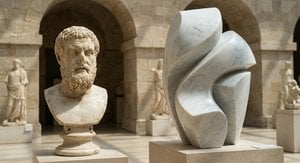
The Enduring Allure of Marble in Art History: From Classical Sculpture to Modern Abstraction
Explore the captivating history of marble sculpture from ancient Greece to modern art. Discover renowned artists like Canova & Michelangelo, carving techniques, and investment insights at ArtsDot.

Bronze Sculptures That Defined Art History | ArtsDot
Journey through art history with our Top 10 bronze sculptures! Explore masterpieces by Rodin, Michelangelo & more. Discover stories behind iconic statues and find museum-quality reproductions for your home decor at ArtsDot.com.

The Enduring Form: Exploring Themes & Techniques in Sculpture Across Historical Periods
Explore the rich history of sculpture from ancient masterpieces to contemporary innovations. Discover key techniques, influential artists & investment potential for discerning art collectors.

The Enduring Form: Sculpture Across History, Technique & Emotional Resonance
Explore the rich history of sculpture with ArtsDot. Discover key techniques, influential artists & investment potential for discerning collectors. Expert insights into valuing and collecting timeless masterpieces.

Antonio Canova: Neoclassical Sculpture & the Pursuit of Emotional Perfection
Explore the life & art of Antonio Canova, the greatest Neoclassical sculptor. Discover his masterpieces, innovative techniques, and lasting influence on fine art collecting. Expert insights for discerning investors.

