1of 47
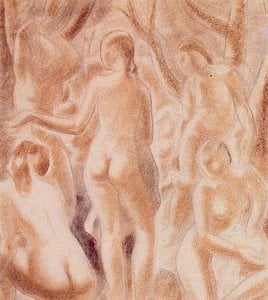
पाब्लो पिकासो 1881–1973
स्पेनिश From मलागा क्यूबिज्म, अतियथार्थवाद On Wikipedia in 32 of 32 languages


The Cubist names to know
If you remember one Cubist चित्रकार, make it पाब्लो पिकासो (1881–1973), the name behind ला वाई (जीवन) और Weeping Woman. After that come George Braque, फ़र्नांद लेगर, जुआन ग्रिस और रॉबर्ट डेलाने. Our 47 picks go from Carl Newman (born 1858) to डिया अल-अज़्ज़ावी (born 1939), from 29 countries.
How we picked them. We list the artists our catalogue links to Cubist, from the most famous down. Artists born after 1955 that we cannot yet check on Wikidata are left out. The Wikipedia number shows in how many of our 32 languages Wikipedia writes about them.
Quick facts
Meet them one by one
1of 47
स्पेनिश From मलागा क्यूबिज्म, अतियथार्थवाद On Wikipedia in 32 of 32 languages
2of 47
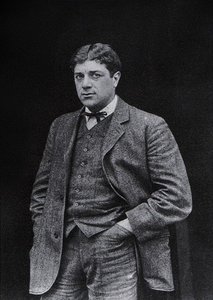
फ्रांसीसी From अरझोनतोई ['फाविज़्म', 'क्यूबिज्म', 'विश्लेषणात्मक क्यूबिज्म', 'सिंथेटिक क्यूबिज्म'] On Wikipedia in 31 of 32 languages
Works to know · Their 100 best-known works
 गिटार वाला आदमी
artworks_database
/en/art/georges-braque-man-with-a-guitar-8LJ235-en/
/media/artworks/images/thumbnails/98/b7/98b77ace75cc4c8b86a839e9553ea712.jpg
गिटार वाला आदमी
artworks_database
/en/art/georges-braque-man-with-a-guitar-8LJ235-en/
 मैंडोला
 हर्बर इन नॉर्मंडी
3of 47
फ्रांसीसी From अर्गेंटन ['क्यूबिज्म', 'ट्यूबिज़्म', "सेक्शन डी'ओर", 'प्यूरिज़्म', 'दादावाद', 'रचनावाद'] On Wikipedia in 27 of 32 languages

4of 47
स्पेनिश From मद्रिद क्यूबिज्म, सिंथेटिक क्यूबिज्म, विश्लेषणात्मक क्यूबिज्म On Wikipedia in 31 of 32 languages

Works to know · Their 100 best-known works
 Simultaneous Contrasts Sun and Moon
 Windows Open Simultaneously 1st Part, 3rd Motif
 Robert Delaunay
A Pioneer of Abstract Color: The Life and Art of Robert Delaunay
Paris
France
1885
1912
1941
A Vision of Modernity: Decoding Delaunay’s Dynamic Paris
The City of Paris
पेरिस शहर
6of 47
यूक्रेनी/रूसी From मास्को रचनावाद (Constructivism) On Wikipedia in 26 of 32 languages

Vladimir Yevgrafovich Tatlin, born in Kharkiv, Ukraine in 1885, was more than just an artist; he was a philosophical architect of a new world order, a pivotal figure who shattered the conventions of early 20th-century art and laid the foundations for Constructivism.
7of 47
German-American From न्यूयॉर्क नगर Expressionism, Cubism On Wikipedia in 23 of 32 languages

9of 47
यूक्रेनी-अमेरिकी From कीव घनवाद (Cubism), अग्रगामी (Avant-Garde) On Wikipedia in 30 of 32 languages

10of 47
लिथुआनियाई-फ्रांसीसी-अमेरिकी From द्रुस्किनिनकाई घनवाद, क्रिस्टल घनवाद On Wikipedia in 17 of 32 languages

11of 47
ब्रिटिश From बकिंघमशायर ['अमूर्त कला', 'घनवाद', 'रचनावाद'] On Wikipedia in 13 of 32 languages

12of 47
फ्रांसीसी (French) From पेरिस घनवाद (Cubism), आर्ट डेको (Art Deco) On Wikipedia in 23 of 32 languages

13of 47
रूसी From मेलेंकी ['सुप्रिमेटिज्म', 'क्यूबों-फ्यूचरिज्म', 'नव-आदिमवाद'] On Wikipedia in 17 of 32 languages

14of 47
फ्रांसीसी From नांत ['नव-प्रभाववाद', 'फ़ॉविज़्म', 'घनवाद (क्यूबिज्म)', 'क्रिस्टल क्यूबिज्म'] On Wikipedia in 22 of 32 languages

15of 47
रूसी From इवानोवो अवांट-गार्ड, रचनावाद On Wikipedia in 19 of 32 languages

16of 47
American Figurative art, Cubism

Carl Newman (1858-1932) remains a compelling, if often overlooked, figure in the landscape of late 19th and early 20th century American art. Born in Germany – though details surrounding his earliest life are somewhat elusive – Newman’s artistic journey took root in Philadelphia, where he became a student at the prestigious Pennsylvania Academy of the Fine Arts in both 1876 and 1879.
17of 47
फ्रांसीसी From ल मैंस घनवाद, प्रतीकवाद On Wikipedia in 15 of 32 languages

19of 47
मैक्सिकन From वाहाका डे जुएरेज़ आलंकारिक अमूर्तता, अतियथार्थवाद On Wikipedia in 16 of 32 languages

20of 47
Romanian From Iași ['Expressionism', 'Dadaism']

Arthur Segal (1875 – 1944) stands as a compelling figure in the turbulent landscape of early 20th-century European art, a Romanian artist whose career unfolded across multiple continents and artistic movements.
21of 47
अमेरिकी From बिअलीस्टोक घनवाद (Cubism), अभिव्यक्तिवाद (Expressionism) On Wikipedia in 15 of 32 languages

23of 47
रूसी From विंनयतसिया घनवाद (Cubist) On Wikipedia in 12 of 32 languages

25of 47
स्पेनिश From सैंतांदर घनवाद (Cubism), अभिव्यक्तिवाद (Expressionism) On Wikipedia in 14 of 32 languages

26of 47
Spanish From Barcelona Cubism On Wikipedia in 15 of 32 languages

Born in Barcelona on September 21st, 1876, González was destined for a life intertwined with metal. He descended from a lineage steeped in the meticulous traditions of craftsmanship; his grandfather was a goldsmith in Galicia, and his father, Concordio González, operated a workshop specializing in the fabrication of gold, silver, and iron.
27of 47
Polish-French From Warsaw Cubism, School of Paris, Impressionism On Wikipedia in 11 of 32 languages

Louis Marcoussis, born Ludwik Kazimierz Wladyslaw Markus or Ludwig Casimir Ladislas Markus in Łódź, Poland around 1878 or 1883, stands as a singular figure within the vibrant School of Paris movement. His artistic journey spanned from Kraków Academy of Fine Arts to establishing himself as a respected artist in France, where he embraced Cubism alongside fellow luminaries like Joan Miró and Pablo Picasso.
28of 47
French From Damville Cubism On Wikipedia in 18 of 32 languages

Raymond Duchamp - Villon, born Pierre-Maurice-Raymond Duchamp in 1876 in Damville, France, stands as a pivotal figure in the dramatic shift from traditional sculpture to the dynamic language of modernism. Coming from a remarkably creative family—brothers Jacques Villon, Marcel Duchamp, and sister Suzanne Duchamp -Crotti all achieved prominence as artists—Raymond initially pursued medicine at the Sorbonne.
29of 47
French Cubism

Armand Schonberger (1885–1974) stands as a captivating figure in the tapestry of early 20th-century modernism, a painter whose brush bridged the delicate light of Impressionism with the fractured, rhythmic energy of Cubism. Born in Galgóc and later finding his artistic soul within the vibrant bohemian circles of Munich and Budapest, Schonberger’s life was a continuous dialogue between tradition and the avant-garde.
30of 47
Mexican Cubism

In the grand tapestry of Mexican modernism, few artists managed to weave together the structural rigor of European avant-garde with the soulful warmth of regional tradition as masterfully as Gabriel Portly Del Toro. Born in 1927 in the culturally rich landscape of Colima, Mexico, his life and work served as a bridge between the monumental social realism of the muralist movement and the fragmented, rhythmic beauty of Cubism.
36of 47
Russian From Minsk Cubism & Futurism On Wikipedia in 3 of 32 languages

37of 47
हंगेरियन From ज़लाइजर्सजग घनवाद और अतियथार्थवाद On Wikipedia in 7 of 32 languages

38of 47
Hungarian From Budapest École de Paris, Cubism On Wikipedia in 5 of 32 languages

Born in Budapest in 1887 into a family deeply rooted in publishing—his father, József Wolfner, was the founder of Singer and Wolfner – Farkas’s early life was marked by both privilege and profound loss. Farkas’s artistic education began under the guidance of László Mednyánszky in Budapest, an early exposure to the burgeoning Hungarian art scene.
39of 47
British From London English Cubism On Wikipedia in 6 of 32 languages

In the turbulent landscape of early twentieth-century British art, few figures navigated the tension between tradition and the avant-garde as uniquely as William Patrick Roberts.
40of 47
नार्वेजियन From कोपेनहेगन ['प्रतीकवाद', 'अभिव्यक्तिवाद'] On Wikipedia in 4 of 32 languages

42of 47
American From Eau Claire Cubism, Modernism On Wikipedia in 3 of 32 languages

Karl Knaths, born in Eau Claire, Wisconsin, in 1891, emerged as a pivotal figure in the development of American Modernism. Gale facilitated an introduction to Dudley Crafts Watson at the Milwaukee Art Institute, providing Knaths with formal training and setting him on a course toward professional artistry. The watershed moment in his development arrived with the 1913 Armory Show in Chicago.
43of 47
ग्रीक From एथेंस घनवाद (Cubism) On Wikipedia in 6 of 32 languages

44of 47
Italian From Faenza Roman School; Archaic Style On Wikipedia in 5 of 32 languages

Franco Gentilini (1909-1981) stands as a significant figure in Italian modernist art, particularly within the Roman School movement—a collective dedicated to reviving classical artistic principles while embracing contemporary sensibilities. Early Life & Education: Gentilini’s formative years were spent honing his craft as a ceramicist in Faenza, Italy—a region renowned for its rich tradition of artisanal pottery.
45of 47
स्कॉटिश From किलमार्नोक अभिव्यक्तिवाद (Expressionism) On Wikipedia in 3 of 32 languages

46of 47
British Socialist Realism; New Realism On Wikipedia in 1 of 32 languages

His early years were defined by a dual education: the formal training at the Wimbledon School of Art and the Royal College of Art, which sharpened his technical draughtsmanship, and the raw, lived experience of London’s streets, which forged his political soul. A pivotal moment occurred in 1930 when he traveled to the Soviet Union.
47of 47
Spanish From Milan Catalan Modernisme On Wikipedia in 1 of 32 languages

Emilio Tadini was far more than a painter; he was a profound architect of meaning within the Italian cultural landscape. Born in Milan in 1927, his journey began not with a brush, but with the written word. A poet, novelist, and essayist, Tadini first emerged onto the prestigious literary stage in 1947 through Elio Vittorini's magazine, Politecnico.
Pictures worth knowing
When it happened
Fun figures
| फ़्रान्स | 6 |
|---|---|
| स्पेन | 4 |
| रूस | 3 |
| यूनाइटेड किंगडम | 3 |
| संयुक्त राज्य अमेरिका | 2 |
| युक्रेन | 2 |
| United Kingdom | 2 |
| Italy | 2 |
| 1850s | 1 |
|---|---|
| 1860s | 1 |
| 1870s | 7 |
| 1880s | 21 |
| 1890s | 9 |
| 1900s | 4 |
| 1910s | 1 |
| 1920s | 2 |
| 1930s | 1 |
| The Phillips Collection | 5 |
|---|---|
| आर्ट इंस्टीट्यूट ऑफ शिकागो | 4 |
| Kröller-Müller Museum | 2 |
| सेंटर पॉम्पिडौ | 2 |
| Statens Museum For Kunst | 2 |
| स्मिथसोनियन अमेरिकन आर्ट म्यूजियम | 2 |
| Tate Modern | 1 |
| Tate Gallery | 1 |
Just the names
पाब्लो पिकासोस्पेनिश · 1881–1973George Braqueफ्रांसीसी · 1882–1963फ़र्नांद लेगरफ्रांसीसी · 1881–1955जुआन ग्रिसस्पेनिश · 1887–1927 रॉबर्ट डेलाने1885–1941व्लादिमीर तातलिनयूक्रेनी/रूसी · 1885–1953लायोनल फेनिंगरGerman-American · 1871–1956
 गिनो सेवेरिनी1883–1966अलेक्ज़ेंडर आर्चिपेंकोयूक्रेनी-अमेरिकी · 1887–1964जैक्स लिपशिट्ज़लिथुआनियाई-फ्रांसीसी-अमेरिकी · 1891–1973बेन निकोलसन Omब्रिटिश · 1894–1982मैरी लॉरेंसिनफ्रांसीसी (French) · 1883–1956ओल्गा रोजानोवारूसी · 1886–1918जीन डोमिनिक एंटनी मेटिंजरफ्रांसीसी · 1883–1956ल्युबोव सर्गेयेव्ना पोपोवारूसी · 1889–1924Carl NewmanAmerican · 1858–1932रोजर डी ला फ्रेस्नायेफ्रांसीसी · 1885–1925
 अमेडियो दे सौजा कार्डोसो1887–1918रुफिनो तामायोमैक्सिकन · 1899–1990Arthur SegalRomanian · 1875–1944मैक्स वेबरअमेरिकी · 1881–1961
 जोआक्विन टोरेस गार्सिया1874–1949नेथन अल्टमैनरूसी · 1889–1970
 आंद्रे ल्होटफ्रांसीसी · 1885–1962मारिया ब्लांचर्डस्पेनिश · 1881–1932Julio GonzálezSpanish · 1876–1942Louis MarcoussisPolish-French · 1878–1941Raymond Duchamp-VillonFrench · 1876–1918Armand SchonbergerFrench · 1885–1974Gabriel Portillo Del ToroMexican · 1927–2013
 क्रिस्टोफर रिचर्ड वाइन नेविंसन1889–1946
 अल्फ्रेड हेनरी मॉरर1868–1932
 डिया अल-अज़्ज़ावीइराकी · जन्म 1939
 एमिलियो पेटोरुटी1892–1971
 ऑरेलियो आर्टेटा1879–1940Morris KantorRussian · 1896–1974लाजोस वज्दाहंगेरियन · 1908–1941István FarkasHungarian · 1887–1944William RobertsBritish · 1895–1980विल्हेम हेनरी लुंडस्ट्रॉमनार्वेजियन · 1893–1950
 सर विलियम जॉर्ज गिलीज1899–1970Karl KnathsAmerican · 1891–1971निकोस हाडिकिरियाकोस-घिकाग्रीक · 1906–1994Franco GentiliniItalian · 1909–1981रॉबर्ट कोलकुहौनस्कॉटिश · 1914–1962Cliff RoweBritish · 1904–1988Emilio TadiniSpanish · 1927–2002
Good questions
पाब्लो पिकासो (#1) is first in this ranking, followed by George Braque (#2) and फ़र्नांद लेगर (#3).
पाब्लो पिकासो (#1), George Braque (#2), फ़र्नांद लेगर (#3), जुआन ग्रिस (#4) और रॉबर्ट डेलाने (#5).
न्यूयॉर्क नगर: 2 of the चित्रकार in this list were born there.
The highest-ranked living चित्रकार in this list are डिया अल-अज़्ज़ावी (#33).
4 women are in this ranking: मैरी लॉरेंसिन (#12), ओल्गा रोजानोवा (#13), ल्युबोव सर्गेयेव्ना पोपोवा (#15) और मारिया ब्लांचर्ड (#25).
The highest-ranked चित्रकार born in फ़्रान्स are George Braque (#2), फ़र्नांद लेगर (#3), रॉबर्ट डेलाने (#5), मैरी लॉरेंसिन (#12) और जीन डोमिनिक एंटनी मेटिंजर (#14).
फ़्रान्स: 6 of the 47 चित्रकार in this list were born there, then स्पेन (4) और रूस (3).
Most चित्रकार in this list were born in the 1880s (21 of 47), between 1858 and 1939 overall.
The earliest-born चित्रकार in this list is Carl Newman (#16), born in 1858.
The museums holding the most key works of this list are The Phillips Collection (5), आर्ट इंस्टीट्यूट ऑफ शिकागो (4) और Kröller-Müller Museum (2).
Our catalogue holds 7,389 works by these चित्रकार. Each one can be ordered as a hand-painted oil reproduction or a print.
Read more
Other styles
 प्रसिद्ध Baroque कलाकाररेम्ब्रांट वैन रीन
लीडेन
नीदरलैंड
1606
1669
रेम्ब्रांट वैन रीन
1642
डच गोल्डन एज पेंटिंग में एक क्रांतिकारी क्षण
363 x 437 सेमी
रात्रि प्रहरी
रात्रि प्रहरी · रैम्ब्राण्ट
 प्रसिद्ध Contemporary Realist कलाकारद ग्लीनर्स · जीन-फ्रांस्वा मिले
 प्रसिद्ध Impressionist कलाकारतारांकित रात (न्यूयॉर्क, MoMA) · विन्सेंट वैन गो
 प्रसिद्ध Romanticist कलाकारसैटर्न अपने पुत्र को निगल रहा है · फ्रांसिस्को डि गोया
 प्रसिद्ध Neoclassicist कलाकारThe Death of Marat · जैक्स-लुई डेविड
 प्रसिद्ध Realist कलाकारएक विद्रोही का ब्रश: गुस्ताव कोर्टबेट का जीवन और विरासतऑर्नन के शांत गांव में जन्मे, फ्रांस में 1819, जीन Désiré Gustave Courbet अपने समय की स्थापित कलात्मक मानदंडों के खिलाफ एक defiant शक्ति के रूप में उभरा। उसकी कहानी सिर्फ पेंट और कैनवस की नहीं है; यह · गुस्ताव कूरबे
 प्रसिद्ध Renaissance कलाकारमोना लिसा (ला जियोकोंडा) · लिओनार्दो दा विंची
 प्रसिद्ध Dutch Golden Age कलाकारजोहान्स वेरमियर
उत्तरी प्रकाश में डूबा एक जीवन: जोहान्स वेरमियर की दुनिया
जोहान्स वेरमियर, 17वीं शताब्दी के डच जीवन की शांत अंतरंगता के साथ पर्याय है, विद्वानों के सदियों बाद भी एक रहस्य बना हुआ है। अक्टूबर 1632 को डेलफ्ट में जन्मे, उनका अस्तित्व अभूतपू · जान वर्मीर
 प्रसिद्ध Expressionist कलाकारसं состава सात · वासिली कैंडिंस्की
 प्रसिद्ध Rococo कलाकारप्यार का पाठ · एंथोनी वातेऊ
Other eras
 प्रसिद्ध Early Medieval कलाकारSnowy River · वांग वेई
 प्रसिद्ध High Medieval कलाकारमैडोना इन मेस्ट (ओग्निसंति मैडोना) · गियोट्टो डी बोन्डोन
 प्रसिद्ध Late Medieval कलाकारदेवदूत घोषणा और दो संत · सिमोने मार्टिनी
 प्रसिद्ध Renaissance कलाकारमाइकल एंजेलो बोनारोटी, एक नाम जो उच्च पुनर्जागरण के साथ पर्याय है, सदियों से मानव कलात्मक क्षमता का प्रमाण है। 6 मार्च, 1475 को इटली के टस्कन पहाड़ियों में कैप्रेसे माइकेलांजेलो में जन्मे, उनका जीवन प्रतिभा, महत्वाकांक्षा और दिव्य प्रेरणा का एक असाधारण अभ · माइकल एंजेलो
 प्रसिद्ध Early Modern कलाकारकारावागियो
मिलान
स्पेन
1571
1599
1610
एक क्रांतिकारी क्षण बैरोक कला में
322 x 340 सेमी
सेंट मैथ्यू का आह्वान · कारावाजियो
 प्रसिद्ध 19th Century कलाकारजल लिली (या निम्फीस) · क्लाद मोने
 प्रसिद्ध Modern कलाकारगुएर्निका · पाब्लो पिकासो
 प्रसिद्ध Contemporary कलाकारWind Sculpture III (one in a series of nine) · Yinka Shonibare
Keep exploring