


 पूर्वावलोकन देखें
 भेजें
भेजें साझा करें
 विवरण देखें
 मार्गदर्शिका

 डाउनलोड करें
 समान वस्तुएं
 एक्स-रे
 स्लाइड शो देखें
 आंकड़े
Hosta
 Oil On Canvas
- WallArt
- Contemporary Realism
 1943
1943 66.0 x 48.0 cm
 CAFA आर्ट म्यूज़ियम
 और पढ़ें
गिक्ली / आर्ट प्रिंट
तेज़ उत्पादन और विभिन्न फिनिश विकल्पों के साथ म्यूजियम-क्वालिटी गिकली (giclée) या कैनवस प्रिंट। ( हाथ से बनी पेंटिंग खरीदें डिजिटल इमेज पर जाएँ)




P118B ₹10

P118H ₹10

P118W ₹10

P438Z ₹10

P508JH ₹12

P508YH ₹12

P805H ₹10

P805Z ₹10

P919BZ ₹10

P919G ₹10

P919XJ ₹10

P959ZH ₹10

P968JZ ₹12

W106C ₹8

W218G ₹10

W218JH ₹8

W218Y ₹10

W307PJ ₹10

W316G ₹10

W316PJ ₹8

W316Y ₹10

W398PJ ₹8

W4111J ₹10

W500HY ₹15

W500JH ₹15

W692G ₹12

W849H ₹8

W940BG ₹15

W953PJ ₹8




कलाकृति के मूल अनुपात से मेल खाने वाले हमारे पूर्व निर्धारित आकारों में से चुनें।

अपने फ्रेम या अपनी दीवार के अनुसार आवश्यक चौड़ाई और ऊंचाई दर्ज करें। प्रिंट को केवल काटा जा सकता है, चित्र से बड़ा कभी नहीं बनाया जा सकता, इसलिए अलग आकार का साइज चित्र का एक हिस्सा खो देता है। किसी भी चीज़ को प्रिंट करने से पहले हम आपकी स्वीकृति के लिए आपको एक डिजिटल मॉकअप भेजते हैं। इस पृष्ठ पर दिखाया गया चित्र वास्तविक कटिंग नहीं दिखाता है — केवल मॉकअप ही इसे दर्शाता है।
विश्वव्यापी डिलीवरी (), मानक 4/5 सप्ताह के बजाय मात्र 2 सप्ताह में। (22 अक्टूबर)

दुनिया भर में मुफ़्त एक्सप्रेस शिपिंग

प्रीमियम ग्रेड लिनेन कैनवास

पूर्ण शिपिंग बीमा

सीमा शुल्क और आयात कर वापसी की गारंटी

सटीक रंग मिलान की गारंटी

100 दिनों की वापसी नीति (केवल निर्माण दोष होने पर)

100% पैसे वापसी की गारंटी

थोक छूट का अवसर
 ग्लास का विकल्प केवल 110 सेमी से कम आकार में ही उपलब्ध है।

Hosta
गिक्ली / आर्ट प्रिंट
प्रतिकृति का आकार
-


कुल मूल्य
₹ 5940
A Pioneer Bridging Worlds: The Life and Art of Xu Beihong
Xu Beihong, born Xu Shoukang in 1895 in the tranquil town of Yixing, Jiangsu province, stands as a monumental figure in 20th-century Chinese art. His life was a compelling narrative of artistic evolution, dedicated to forging a new path for Chinese painting—one that harmoniously blended the rich traditions of his homeland with the innovations of Western art. From humble beginnings steeped in classical learning and traditional brushwork under the tutelage of his father, Xu Dazhang, a struggling artist himself, young Beihong’s early life was marked by both artistic promise and economic hardship. This formative period instilled within him not only technical skill but also a deep appreciation for Chinese culture and a resilient spirit that would define his career. The family's itinerant existence, painting portraits and landscapes to make ends meet, exposed him to the realities of rural China and fueled an early ambition to elevate artistic expression beyond mere representation. Early influences shaped Beihong’s artistic vision profoundly. His father’s unwavering dedication to preserving Chinese art forms—particularly landscape painting—provided a bedrock of knowledge and aesthetic sensibility. Simultaneously, exposure to Western art during his studies in Paris ignited a desire to experiment with new approaches and techniques. This dual engagement proved instrumental in shaping his distinctive style: a masterful synthesis of Eastern idealism and Western realism. He embraced Impressionistic principles, prioritizing capturing fleeting moments of light and atmosphere—a bold departure from the meticulous detail favored by earlier generations of Chinese painters. Yet, he never abandoned the fundamental tenets of traditional brushwork, maintaining a deliberate control over line and color that conveyed profound emotion and spiritual depth. The artwork itself – “Hosta” – exemplifies this remarkable fusion. Painted in 1943 amidst the tumultuous backdrop of wartime China, it depicts a single specimen of Hosta plant—a symbol of resilience and enduring beauty—against a muted tonal palette dominated by shades of grey and brown. The artist’s technique is characterized by loose brushstrokes layered upon one another to build up texture and depth, creating an illusionistic surface that captures the subtle nuances of natural light. Careful attention to detail renders individual leaves and flower buds with remarkable accuracy, demonstrating Beihong's mastery of observation and rendering form. However, these precise representations are tempered by a broader Impressionistic sensibility—a deliberate blurring of edges and softening of contours—that imbues the painting with an ethereal quality. Beyond its technical prowess, “Hosta” resonates with deeper symbolic significance. The Hosta plant itself represents perseverance through adversity; its ability to thrive in shaded conditions speaks to the enduring spirit of Chinese culture during a period of significant upheaval. The muted color scheme reflects the somber mood of the era—a poignant reminder of loss and sacrifice—yet simultaneously conveys an underlying sense of hope and optimism. The artist’s deliberate choice of subject matter – a humble plant rather than grand landscapes – underscores Beihong's belief that beauty can be found in simplicity and that artistic expression should serve as a conduit for conveying profound emotional truths. Ultimately, “Hosta” transcends mere botanical depiction; it is an embodiment of Xu Beihong’s artistic philosophy—a testament to the transformative power of blending tradition with innovation. It invites viewers to contemplate not only the visual splendor of the natural world but also the enduring values of resilience, contemplation, and spiritual awareness. This artwork stands as a beacon of Chinese art history, demonstrating that true artistry lies in capturing both the tangible beauty of existence and the intangible essence of human experience.प्रश्न और उत्तर
शू बेइहोंग द्वारा "Hosta" की विशेषता बताने वाली तकनीक और शैली क्या है?
"Hosta" को Oil On Canvas में, Contemporary Realism शैली में बनाया गया है।
मुझे "Hosta" के लिए गाइड कहाँ मिल सकती है?
शू बेइहोंग द्वारा "Hosta" के लिए एक मार्गदर्शिका पेज उपलब्ध है: कलाकृति के बारे में एक प्रिंट करने योग्य फैक्टशीट, जिसे छात्रों और कक्षा में उपयोग के लिए डिज़ाइन किया गया है।
आज शू बेइहोंग द्वारा "Hosta" कहाँ प्रदर्शित है?
मूल शू बेइहोंग द्वारा "Hosta" CAFA आर्ट म्यूज़ियम, बीजिंग, चीन गणराज्य में सुरक्षित है। एक प्रतिलिपि (reproduction) इस कृति को आपके घर में प्रदर्शित करने का अवसर देती है।
समान कलाकृतियाँ


कलाकार का परिचय
दो दुनियाओं को जोड़ने वाले अग्रदूत: जू बेइहोंग का जीवन और कला
जू बेइहोंग, जिनका जन्म 1895 में जियांगसू प्रांत के शांत शहर यीक्सिंग में हुआ था, 20वीं सदी की चीनी कला के एक महान स्तंभ के रूप में प्रतिष्ठित हैं। उनका जीवन कलात्मक विकास की एक सम्मोहक गाथा है, जो चीनी चित्रकला के लिए एक नया मार्ग प्रशस्त करने के प्रति समर्पित थी—एक ऐसा मार्ग जिसने उनकी मातृभूमि की समृद्ध परंपराओं को पश्चिमी कला के नवाचारों के साथ सामंजस्यपूर्ण रूप से मिश्रित किया। अपने पिता जू दाझांग के संरक्षण में शास्त्रीय शिक्षा और पारंपरिक ब्रशवर्क के बीच हुए उनके साधारण जीवन की शुरुआत में, युवा बेइहोंग का प्रारंभिक काल कलात्मक संभावनाओं और आर्थिक कठिनाइयों दोनों से चिह्नित था। इस परिवर्तनकारी काल ने न केवल उनमें तकनीकी कौशल विकसित किया, बल्कि चीनी संस्कृति के प्रति एक गहरी प्रशंसा और एक ऐसा जुझारू स्वभाव भी पैदा किया जिसने उनके पूरे करियर को परिभाषित किया। जीविकोपार्जन के लिए चित्र और परिदृश्य बनाने वाले परिवार के घुमंतू जीवन ने उन्हें ग्रामीण चीन की वास्तविकताओं से परिचित कराया और कला एवं कलाकारों के स्तर को ऊपर उठाने की उनकी प्रारंभिक महत्वाकांक्षा को बल दिया। एक महत्वपूर्ण क्षण तब आया जब उन्होंने "बेइहोंग" नाम अपनाया, जिसका अर्थ है "दुखी जंगली हंस," जो शायद उनके युवा दिनों की चिंताओं और आकांक्षाओं का प्रतिबिंब था।यूरोपीय जागरण: एक नई कलात्मक दृष्टि का निर्माण
ज्ञान की प्यास और चीनी कला को आधुनिक बनाने की इच्छा से प्रेरित होकर, जू बेइहोंग ने 1917 में यूरोप की एक परिवर्तनकारी यात्रा शुरू की। शुरुआत में टोक्यो में अध्ययन करने के बाद, उन्हें जल्द ही पेरिस के प्रतिष्ठित 'एकोले नेशनल सुप्रीयर डेस ब्यूक्स-आर्ट्स' में छात्रवृत्ति प्राप्त हुई। यह अवधि उनके कलात्मक दर्शन और तकनीक को आकार देने में अत्यंत महत्वपूर्ण सिद्ध हुई। यूरोपीय कला के केंद्र में डूबे हुए, उन्होंने तेल चित्रकला (ऑयल पेंटिंग) और रेखांकन का सूक्ष्मता से अध्ययन किया, तथा परिप्रेक्ष्य, संरचना और यथार्थवाद के पश्चिमी सिद्धांतों में महारत हासिल की। इन नई तकनीकों को अपनाते हुए भी, जू बेइहोंग उस समय प्रचलित कुछ आधुनिकतावादी प्रवृत्तियों के प्रति आलोचनात्मक रहे, और इसके बजाय उन शास्त्रीय परंपराओं को प्राथमिकता दी जिनसे उनका सामना हुआ था। अपनी प्रवास के दौरान उन्होंने फ्रांसीसी नाम "जू पीऑन" अपनाया, जो यूरोपीय संस्कृति में उनके विसर्जन का प्रमाण था। हालाँकि, वे केवल तकनीकी कौशल की तलाश में नहीं थे; उनका लक्ष्य पश्चिमी कला के अंतर्निहित सिद्धांतों को समझना और उन्हें चीनी चित्रकला को पुनर्जीवित करने के लिए अनुकूलित करना था—एक ऐसा दृष्टिकोण जो उनके बाद के लेखन और शिक्षण में स्पष्ट रूप से दिखाई देता है। इस काल ने उनकी अनूठी कलात्मक शैली की नींव रखी, जो पूर्वी सौंदर्यशास्त्र और पश्चिमी तकनीकों के एक शक्तिशाली संश्लेषण द्वारा पहचानी जाती है।प्रतिष्ठित विषय और कलात्मक शैली: पूर्व और पश्चिम का संगम
1927 में चीन लौटने पर, जू बेइहोंग ने एक ऐसे उत्पादक करियर की शुरुआत की, जो उन क्रांतिकारी कार्यों से चिह्नित था जिन्होंने गहरे परिवर्तन से गुजर रहे एक राष्ट्र की आत्मा को कैद किया। वे जल्द ही घोड़ों और पक्षियों के अपने गतिशील चित्रणों के लिए प्रसिद्ध हो गए—ऐसे विषय जो केवल चित्रण से कहीं आगे बढ़कर शक्ति, स्वतंत्रता और राष्ट्रीय गौरव के शक्तिशाली प्रतीक बन गए। उनके घोड़े, विशेष रूप से, अपनी मांसलता, ऊर्जा और अभिव्यंजक शक्ति के लिए सराहे जाते हैं, जिन्हें अक्सर एक अदम्य भावना के साथ विशाल परिदृश्यों में दौड़ते हुए दिखाया जाता है। गैलपिंग हॉर्स (दौड़ता हुआ घोड़ा), जो संभवतः उनकी सबसे प्रतिष्ठित कृति है, इसे पूरी तरह से साकार करता है—जो चीनी लोगों की जीवंतता और लचीलेपन का एक प्रमाण है। इन विशिष्ट विषयों के अलावा, जू बेस्थोंग चित्रकला और ऐतिहासिक पेंटिंग में भी उत्कृष्ट थे, जिसने तेल चित्रकला और पारंपरिक स्याही वॉश (इंक वॉश) तकनीकों दोनों पर उनकी महारत को प्रदर्शित किया। उनकी शैली बोल्ड ब्रशस्ट्रोक, सटीक रेखांकन और प्रकाश एवं छाया पर उनके कुशल नियंत्रण के अनूठे मिश्रण द्वारा पहचानी जाती थी। उन्होंने पश्चिमी परिप्रेक्ष्य और संरचना को चीनी ब्रशवर्क की तरलता में सहजता से एकीकृत किया, जिससे एक ऐसी दृश्य भाषा का निर्माण हुआ जो अभिनव होने के साथ-साथ परंपरा में गहराई से निहित थी। एक पारंपरिक चीनी कथा से प्रेरित फूलिश ओल्ड मैन हू रिमूव्ड द माउंटेन्स, शास्त्रीय विषयों को आधुनिक ऊर्जा और सामाजिक टिप्पणी से भरने की उनकी क्षमता का उदाहरण पेश करती है।विरासत और प्रभाव: आधुनिक चीनी कला शिक्षा को आकार देना
जू बेइहोन्ग का प्रभाव उनकी अपनी कलात्मक कृतियों से कहीं आगे तक फैला हुआ था; वे एक अग्रणी कला शिक्षक भी थे जिन्होंने आधुनिक चीनी कला शिक्षा के विकास को गहराई से आकार दिया। चीन लौटने के बाद, उन्होंने नेशनल सेंट्रल यूनिवर्सिटी और पेकिंग यूनिवर्सिटी सहित कई प्रतिष्ठित विश्वविद्यालयों में शिक्षण कार्य किया, जहाँ उन्होंने पाठ्यक्रम सुधार के लिए अथक प्रयास किए। उन्होंने पारंपरिक चीनी कला कार्यक्रमों में पश्चिमी स्केचिंग और तेल चित्रकला तकनीकों के समावेश का समर्थन किया, यह विश्वास करते हुए कि चीनी कलात्मक अभिव्यक्ति को पुनर्जीवित करने के लिए यह एकीकरण आवश्यक था। 1949 में चीन के जनवादी गणराज्य की स्थापना के बाद, वे सेंट्रल एकेडमी ऑफ फाइन आर्ट्स के अध्यक्ष और चाइना आर्टिस्ट एसोसिएशन के अध्यक्ष बने, जिससे राष्ट्र के कला परिदृश्य पर उनका प्रभाव और भी सुदृढ़ हो गया। उन्होंने कलाकारों की ऐसी पीढ़ियों को प्रशिक्षित किया जो चीनी कला के प्रमुख व्यक्तित्व बने, और उनके आधुनिक लेकिन सांस्कृतिक रूप से सुदृढ़ सौंदर्यबोध के दृष्टिकोण को आगे बढ़ाया। कलात्मक अवधारणा, जीवन के अनुभवों के महत्व, और पूर्वी एवं पश्चिमी परंपराओं के एकीकरण पर जू बेइहोंग के जोर ने चीनी कला इतिहास पर एक अमिट छाप छोड़ी, जिससे एक अत्यंत प्रभावशाली व्यक्तित्व के रूप में उनकी विरासत स्थापित हुई। उनका कार्य आज भी दुनिया भर के कलाकारों को प्रेरित करता है और दर्शकों को मंत्रमुग्ध करता है, जो संस्कृतियों को जोड़ने और सीमाओं को पार करने की कला की स्थायी शक्ति के एक शक्तिशाली अनुस्मारक के रूप में कार्य करता है।
शू बेइहोंग
1895 - 1953 , चीन
संक्षिप्त जानकारी
- Artistic Movement Or Style: आधुनिक चीनी चित्रकला
- Artists Or Movements Influenced By This Artist: ['आधुनिक चीनी कलाकार']
- Date Of Birth: 19 जुलाई, 1895
- Date Of Death: 26 सितंबर, 1953
- Full Name: Xu Beihong
- Nationality: चीनी
- Notable Artworks:
- Galloping Horse
- Foolish Old Man...
- Mother and Daughter
- Portrait of Xu
- HORSE
- Place Of Birth: Yixing, China
संबंधित लेखों की सूची

The Enduring Legacy of Oil on Canvas: Technique, History & Aesthetic Impact
Explore the rich history & techniques of oil painting – from Renaissance masters to Impressionism. Discover pigments, layering methods, and why this timeless medium endures. Expert insights for artists & art enthusiasts.

The Enduring Power of Painting: A Historical & Contemporary Exploration of Form and Emotion
Explore the rich history & enduring techniques of oil painting with ArtsDot. Discover masterpieces, learn about art collecting, and find authentic handmade reproductions crafted by skilled artists.

कैनवस पर चित्रित विरासत: तकनीक, इतिहास और समकालीन अभ्यास
कैनवस पर चित्रित विरासत की गहराई में उतरें। तकनीक, इतिहास और समकालीन कला अभ्यास जानें। ArtsDot के साथ उच्च गुणवत्ता वाली पेंटिंग खरीदें और अपनी दीवारों को जीवंत करें।

Oil on Canvas: A Historical & Technical Exploration of a Timeless Artistic Medium
Explore the rich history & enduring techniques of oil painting on canvas. Discover the science behind its longevity, conservation practices, and contemporary relevance. Expert insights for art enthusiasts.
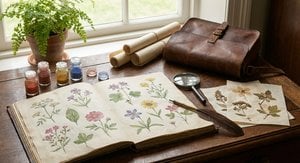
The Flourishing Canvas: A Historical Journey Through Botanical Illustration
Explore the captivating history of botanical illustration! Discover renowned artists like Robert Havell & Mary Walcott, learn about techniques, and find museum-quality art at ArtsDot.com.