पूर्वावलोकन देखें
 साझा करें
 साझा करें
 विस्तृत विवरण
 मार्गदर्शिका

 डाउनलोड करें
 समान वस्तुएं
 एक्स-रे
 स्लाइड शो देखें
 Q&A
Q&A आंकड़े
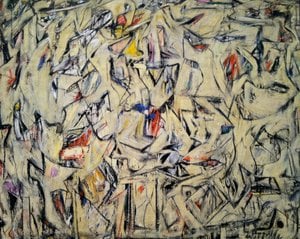
Pink Lady

- 61.0 x 48.0 cm


 पूरा देखें
इस पृष्ठ पर प्रदर्शित कलाकृति कॉपीराइट कानून द्वारा संरक्षित है, जिसका अर्थ है कि हम कानूनी रूप से इसकी हूबहू प्रतिलिपि बनाने या बेचने का अधिकार नहीं रखते हैं। यह संरक्षण अंतर्राष्ट्रीय समझौतों के तहत लागू किया जाता है, जैसे कि बर्न कन्वेंशन और राष्ट्रीय कानूनों द्वारा, जिनमें % द्वारा निर्धारित कानून भी शामिल हैं। अमेरिकी कॉपीराइट कानून - शीर्षक 17।
यह विधि कॉपीराइट नियमों का पूरी तरह से पालन करती है क्योंकि इसमें संरक्षित कलाकृति की नकल या प्रतिलिपि बनाना शामिल नहीं है। इसके बजाय, यह एक रचनात्मक पुनर्व्याख्या है - एक ऐसी नई पेंटिंग जो मूल कृति से प्रेरित तो है, लेकिन उसके समान नहीं है।
गिक्ली / आर्ट प्रिंट
तेज़ उत्पादन और विभिन्न फिनिश विकल्पों के साथ म्यूजियम-क्वालिटी गिकली (giclée) या कैनवस प्रिंट। ( इस संग्रहणीय वस्तु की हाथ से बनी प्रतिकृति मंगवाएं डिजिटल इमेज पर स्विच करें)




P118B ₹10

P118H ₹10

P118W ₹10

P438Z ₹10

P508JH ₹12

P508YH ₹12

P805H ₹10

P805Z ₹10

P919BZ ₹10

P919G ₹10

P919XJ ₹10

P959ZH ₹10

P968JZ ₹12

W106C ₹8

W218G ₹10

W218JH ₹8

W218Y ₹10

W307PJ ₹10

W316G ₹10

W316PJ ₹8

W316Y ₹10

W398PJ ₹8

W4111J ₹10

W500HY ₹15

W500JH ₹15

W692G ₹12

W849H ₹8

W940BG ₹15

W953PJ ₹8




कलाकृति के मूल अनुपात से मेल खाने वाले हमारे पूर्व निर्धारित आकारों में से चुनें।

अपने फ्रेम या अपनी दीवार के अनुसार आवश्यक चौड़ाई और ऊंचाई दर्ज करें। प्रिंट को केवल काटा जा सकता है, चित्र से बड़ा कभी नहीं बनाया जा सकता, इसलिए अलग आकार का साइज चित्र का एक हिस्सा खो देता है। किसी भी चीज़ को प्रिंट करने से पहले हम आपकी स्वीकृति के लिए आपको एक डिजिटल मॉकअप भेजते हैं। इस पृष्ठ पर दिखाया गया चित्र वास्तविक कटिंग नहीं दिखाता है — केवल मॉकअप ही इसे दर्शाता है।
विश्वव्यापी डिलीवरी (), मानक 4/5 सप्ताह के बजाय मात्र 2 सप्ताह में। (2 नवमबर)

दुनिया भर में मुफ़्त एक्सप्रेस शिपिंग

उच्च गुणवत्ता वाला लिनेन कैनवास

पूर्ण शिपिंग बीमा

सीमा शुल्क और आयात कर वापसी की गारंटी

सटीक रंग मिलान की गारंटी

100 दिनों की वापसी नीति (केवल दोष होने पर)

100% पैसे वापसी की गारंटी

थोक छूट का अवसर
 ग्लास का विकल्प केवल 110 सेमी से कम आकार में ही उपलब्ध है।

Pink Lady
गिक्ली / आर्ट प्रिंट
प्रतिकृति का आकार
-


कुल देय राशि
₹ 5979
A Portrait of Turbulent Emotion: Willem de Kooning’s “Pink Lady”
The painting "Pink Lady," created by Willem de Kooning in 1965, stands as a cornerstone of Abstract Expressionism and embodies the movement's preoccupation with raw emotion and spontaneous gesture. More than just a depiction of a woman—though undeniably present—it’s an exploration of psychological complexity rendered through a masterful blend of color and form that continues to captivate viewers decades after its creation. This striking artwork offers a glimpse into De Kooning’s artistic vision during his most prolific period, reflecting the anxieties and uncertainties of the Cold War era while simultaneously pushing boundaries of representational art.The Style and Technique: Embracing Gestural Abstraction
De Kooning's approach to painting was fundamentally antithetical to traditional academic conventions. He rejected meticulous detail in favor of a gestural style characterized by bold brushstrokes, drips, and smears—techniques that prioritized feeling over precise observation. “Pink Lady” exemplifies this ethos perfectly. The woman’s figure isn’t rendered with anatomical accuracy; instead, it's fragmented into amorphous shapes – swirls, patches, and angular protrusions – which convey a sense of dynamism and instability. These forms are layered with vibrant shades of pink—ranging from delicate blush tones to intense crimson hues—creating an illusion of skin texture and emphasizing the artist’s deliberate disregard for conventional realism. The yellow background serves as a counterpoint to the pink, amplifying the painting's emotional intensity and contributing to its overall visual impact.Historical Context: Navigating Anxiety in the Mid-Century
Painted during the height of the Cold War, “Pink Lady” reflects the pervasive anxieties surrounding geopolitical tensions and societal upheaval. De Kooning’s work aligns with a broader artistic impulse to confront uncomfortable truths about human experience—fear, aggression, and vulnerability—rather than offering comforting illusions. The painting's unsettling depiction of femininity speaks to anxieties about gender roles and identity during this period, mirroring broader cultural debates concerning female empowerment and psychological complexity. Furthermore, De Kooning’s stylistic choices can be interpreted as a reaction against the perceived sterility of postwar European art, asserting instead an uncompromising commitment to expressive freedom.Symbolism: Exploring Inner Landscape
While ostensibly portraying a woman, “Pink Lady” transcends literal representation, delving into realms of psychological symbolism. The pink skin tone itself is significant—often associated with femininity and vulnerability but also imbued with connotations of erotic desire and primal instinct. The fragmented form of the figure symbolizes the disintegration of identity and the struggle to maintain composure amidst turbulent emotions. Critics have noted parallels between De Kooning’s painting and Freud's theories on psychoanalysis, suggesting that “Pink Lady” represents an unconscious confrontation with repressed desires and anxieties.Emotional Impact: A Resonance of Raw Feeling
Ultimately, "Pink Lady" succeeds in conveying a profound emotional resonance. Its unsettling beauty stems from its refusal to sanitize or sentimentalize human experience. The painting compels viewers to confront uncomfortable truths about the complexities of emotion—passion, rage, despair—and invites contemplation on the nature of selfhood and psychological vulnerability. It’s a piece that lingers in the mind long after viewing, prompting reflection on themes of trauma, resilience, and the enduring power of art to express the deepest recesses of human consciousness. Its vibrant colors and energetic brushstrokes capture not just an image but also a palpable sense of unease—a testament to De Kooning's unparalleled ability to translate inner turmoil into visual form.प्रश्न और उत्तर
विलेम डी कुनिग ने किस उम्र में "Pink Lady" की रचना की थी?
विलेम डी कुनिग ने 61 वर्ष की आयु में "Pink Lady" बनाया था। कलाकार का जन्म 1904 में हुआ था और इस कृति का निर्माण 1965 में हुआ था।
विलेम डी कुनिग द्वारा "Pink Lady" का आकार और आयाम क्या हैं?
विलेम डी कुनिग द्वारा "Pink Lady" का आकार 61 x 48 cm के Portrait कार्य के रूप में है।
क्या विलेम डी कुनिग द्वारा "Pink Lady" में गहरे विरोधाभास (strong contrasts) का उपयोग किया गया है या कोमल सामंजस्य (soft harmonies) का?
विलेम डी कुनिग द्वारा "Pink Lady" का रंग संयोजन एक Serene विरोधाभास के साथ Unified Palette सामंजस्य को जोड़ता है।
समान कलाकृतियाँ


कलाकार की जीवनी
विलियम डी कुनिंग: अमूर्त अभिव्यक्तिवाद के एक पथप्रदर्शक
विलियम डी कुनिंग, जिनका जन्म 1904 में रॉटरडैम, नीदरलैंड्स में हुआ था, 20वीं सदी के सबसे प्रभावशाली अमेरिकी कलाकारों में से एक थे। उनका नाम अमूर्त अभिव्यक्तिवाद (Abstract Expressionism) के साथ अटूट रूप से जुड़ा हुआ है, जो युद्ध के बाद की कला का एक क्रांतिकारी आंदोलन था जिसने न्यूयॉर्क शहर को कलात्मक केंद्र के रूप में स्थापित करने में महत्वपूर्ण भूमिका निभाई। कुनिंग का जीवन एक निरंतर खोज और परिवर्तन की यात्रा थी, जो नीदरलैंड्स के अपने विनम्र मूल से लेकर न्यूयॉर्क शहर की जीवंत ऊर्जा तक फैली हुई थी, जहाँ उन्होंने अपनी अनूठी कलात्मक भाषा विकसित की। उनके शुरुआती वर्षों को पारिवारिक विघटन और औपचारिक शिक्षा की कमी ने चिह्नित किया था, लेकिन इन चुनौतियों ने उन्हें पारंपरिक सीमाओं को तोड़ने और अपनी रचनात्मकता को स्वतंत्र रूप से व्यक्त करने के लिए प्रेरित किया। वाणिज्यिक कला में एक प्रशिक्षुता ने उन्हें तकनीकी कौशल प्रदान किया, जबकि शाम की कक्षाओं ने उनकी कलात्मक नींव को मजबूत किया। 1926 में अमेरिका का साहसिक कदम उनके जीवन का एक निर्णायक क्षण था, जहाँ उन्होंने एक नई दुनिया और असीम संभावनाएं पाईं।शहरी दृश्यों से अमूर्त क्रोध तक: कलात्मक विकास
कनिंग के शुरुआती चित्रों में न्यूयॉर्क शहर के शहरी परिदृश्य और लोगों को दर्शाया गया है, जो उस समय की गतिशील ऊर्जा को पकड़ते हैं। हालाँकि, ये चित्र केवल प्रारंभिक चरण थे, जो उन्हें अधिक गहन भावनात्मक और रूप-रचनात्मक खोजों की ओर ले गए। आर्शिल गॉर्की (Arshile Gorky) से उनका संबंध परिवर्तनकारी साबित हुआ, जिसने उन्हें अमूर्तता के साथ प्रयोग करने के लिए प्रोत्साहित किया। 1930 के दशक में, उन्होंने वर्क्स प्रोग्रेस एडमिनिस्ट्रेशन (WPA) के माध्यम से सामाजिक यथार्थवाद और भित्ति चित्रों पर काम किया, जिससे उनके कौशल को निखारने का अवसर मिला, लेकिन यह भी स्पष्ट हो गया कि विशुद्ध रूप से प्रतिनिधित्व करने वाली कला की सीमाएँ क्या हैं। स्टुअर्ट डेविस (Stuart Davis) और जॉन ग्राहम (John Graham) जैसे कलाकारों के कार्यों ने उन्हें प्रेरित किया, जो अपनी सीमाओं को आगे बढ़ा रहे थे। धीरे-धीरे, उन्होंने एक अधिक अमूर्त शब्दावली विकसित की, पारंपरिक मानदंडों को चुनौती दी और कलात्मक सत्य की अथक खोज की।"महिला" श्रृंखला: एक मील का पत्थर
द्वितीय विश्व युद्ध के बाद, कुनिंग अमूर्त अभिव्यक्तिवाद आंदोलन में एक प्रमुख व्यक्ति के रूप में उभरे। इस अवधि ने उनकी "महिला" श्रृंखला (1950-1953) को जन्म दिया, जो कला इतिहास में एक महत्वपूर्ण उपलब्धि है। ये चित्र केवल महिला आकृतियों का चित्रण नहीं हैं; वे स्त्रीत्व, कामुकता और मानव भावनाओं की जटिलताओं की गहन खोज हैं। मोटे, भारी ब्रशस्ट्रोक, खंडित रूपों और रंगों के चौंकाने वाले संयोजन से चिह्नित, "महिला" श्रृंखला ने सौंदर्य के पारंपरिक विचारों को चुनौती दी और पश्चिमी मानकों पर पुरुष यौन कल्पनाओं और चिंताओं का पता लगाया। ये चित्र विवादास्पद थे, कुछ लोगों के लिए सदमे की बात थी, लेकिन उनकी शक्ति इसी में निहित थी कि वे अनुरूपता से इनकार करते थे। कुनिंग आदर्शित छवियों को बनाने में रुचि नहीं रखते थे; उन्होंने अपने विषयों के कच्चे, अनियंत्रित सार को पकड़ने की मांग की। "महिला" श्रृंखला के अलावा, *द ग्लेज़ियर* और *खुदाई* जैसे कार्यों ने उनके गतिशील दृष्टिकोण का प्रदर्शन किया, बनावट, रंग और रचना पर महारत हासिल करने का प्रमाण दिया।बदलते परिदृश्य और स्थायी विरासत
1960 के दशक में, कुनिंग की शैली में एक महत्वपूर्ण बदलाव आया। जबकि अमूर्तता उनकी कला के केंद्र में बनी रही, परिदृश्य तत्वों ने अधिक प्रमुख भूमिका निभाना शुरू कर दिया, अक्सर उज्ज्वल रंगों और अधिक तरल ब्रशस्ट्रोक के साथ प्रस्तुत किया गया। उन्होंने अपने जीवन भर लगातार प्रयोग करते रहे, विभिन्न तकनीकों और सामग्रियों का पता लगाया, कभी भी अपनी उपलब्धियों पर आराम करने से इनकार करते हुए। उनके बाद के कार्यों में खुद को नया रूप देने की एक उल्लेखनीय क्षमता प्रदर्शित होती है, जबकि उनकी मूल कलात्मक सिद्धांतों के प्रति सच्चे रहते हैं। विलियम डी कुनिंग का ऐतिहासिक महत्व निर्विवाद है। उन्होंने न्यूयॉर्क शहर को एक वैश्विक कला केंद्र के रूप में स्थापित करने में मदद की, यूरोपीय परंपराओं पर हावी होने की चुनौती दी और भविष्य की पीढ़ियों के कलाकारों के लिए मार्ग प्रशस्त किया। उनकी कला आज भी विस्मय और बहस पैदा करती है, जो हमें याद दिलाती है कि अमूर्तता गहन भावनात्मक सत्यों को व्यक्त करने की शक्ति रखती है। 1997 में उनका निधन हो गया, लेकिन उन्होंने एक विशाल और प्रभावशाली कार्य छोड़ दिया जो 20वीं सदी के सबसे महत्वपूर्ण अमेरिकी कलाकारों में से एक के रूप में उनकी स्थायी विरासत का प्रमाण है।उनकी छाप आज भी गूंजती है।
विलेम डी कुनिग
1904 - 1997 , नीदरलैंड
प्रमुख तथ्य
- कलात्मक शैली: अमूर्त अभिव्यक्तिवाद
- जन्म तिथि: 24 अप्रैल 1904
- जन्म स्थान: रोटरडैम, नीदरलैंड्स
- पूरा नाम: विलेम डी कुनिंग
- प्रभावित आंदोलन: ['न्यूयॉर्क स्कूल']
- प्रभावित कलाकार:
- आर्शिले गोर्की
- स्टुअर्ट डेविस
- जॉन ग्राहम
- प्रमुख कलाकृतियाँ:
- महिला I
- मैरीलिन मोनरो
- reclining मैन (जेएफके)
- उत्खनन
- मृत्यु तिथि: 19 मार्च 1997
- राष्ट्रीयता: डच-अमेरिकी
संबंधित लेख

अमूर्त अभिव्यंजनावाद: शीर्ष 10 कलाकृतियाँ जिन्होंने परिभाषित किया कला की दुनिया
अमूर्त अभिव्यंजनावाद की 10 उत्कृष्ट कृतियाँ जानें! पोलक, रोथको जैसे कलाकारों के अनूठे रंगों और भावनाओं का अनुभव करें। ArtsDot.com पर कला इतिहास की गहराई में जाएँ और अपने घर के लिए अद्वितीय सजावट खोजें। ऑनलाइन संग्रह देखें!

Mastering Abstraction: The 25 Most Iconic Works by Wassily Kandinsky
Explore 25 iconic Kandinsky masterpieces and the birth of abstraction. Discover the full collection online at ArtsDot.com.

फ्रांसिस्को गोया की शीर्ष 25 कलाकृतियाँ: इतिहास, कहानी और सजावट के लिए प्रेरणा
फ्रांसिस्को गोया की शीर्ष 25 कलाकृतियों का अन्वेषण करें! स्पेनिश कला, ऐतिहासिक चित्र और भावनात्मक गहराई से भरी पेंटिंग देखें। घर की सजावट के लिए प्रेरणा पाएं और ArtsDot.com पर उच्च गुणवत्ता वाले कला पुनरुत्पादन खरीदें।

Willem de Kooning: Abstraction, Gesture & the Evolution of Post-War American Painting
Explore the evolution of Willem de Kooning's iconic Abstract Expressionist paintings. Discover his signature style, key themes & investment potential with expert insights for discerning art collectors.

Beyond Representation: Exploring the Emotional Landscape of Abstract Expressionism
Explore the profound emotional world of Abstract Expressionism with ArtsDot. Discover key artists like Pollock & Rothko, learn about collecting, and find museum-quality reproductions to inspire your space.