
- होमपेज

- कैनवस पर प्रिंट हेतु
- राफेल
- Saint John the Baptist Preaching

 Preview
 पेंटिंग ऑर्डर करें छवि खरीदें
 साझा करें
 साझा करें
 विस्तृत विवरण
 पसंदीदा में जोड़ें

 डाउनलोड करें
 समान कलाकृतियाँ
 एक्स-रे
 स्लाइड शो देखें
Saint John the Baptist Preaching
 High Renaissance
 1505
1505 26.0 x 52.0 cm
 पूरा देखें
गिक्ली / आर्ट प्रिंट
तेज़ उत्पादन और विभिन्न फिनिश विकल्पों के साथ म्यूजियम-क्वालिटी गिकली (giclée) या कैनवस प्रिंट।




P118B $10

P118H $10

P118W $10

P438Z $10

P508JH $12

P508YH $12

P805H $10

P805Z $10

P919BZ $10

P919G $10

P919XJ $10

P959ZH $10

P968JZ $12

W106C $8

W218G $10

W218JH $8

W218Y $10

W307PJ $10

W316G $10

W316PJ $8

W316Y $10

W398PJ $8

W4111J $10

W500HY $15

W500JH $15

W692G $12

W849H $8

W940BG $15

W953PJ $8




कलाकृति के मूल अनुपात से मेल खाने वाले हमारे पूर्व निर्धारित आकारों में से चुनें।

आप किसी विशिष्ट फ्रेम या स्थान के अनुसार अपने स्वयं के आयाम (dimensions) दर्ज कर सकते हैं। यदि आपके द्वारा चुना गया आकार मूल छवि के अनुपात से मेल नहीं खाता है, तो हम कलाकृति को क्रॉप कर देंगे या मिरर किए गए या सॉलिड-फिल किनारे के साथ छवि का विस्तार करेंगे। उत्पादन शुरू होने से पहले आपकी स्वीकृति के लिए एक डिजिटल मॉकअप भेजा जाएगा।
कृपया ध्यान दें कि स्क्रीन पर दिखने वाला प्रीव्यू वास्तविक क्रॉपिंग या विस्तार को नहीं दर्शाता है। केवल मॉकअप ही अंतिम संरचना को सटीक रूप से दिखाएगा।
हालाँकि कस्टम आकार उपलब्ध हैं, फिर भी हम मूल अनुपात बनाए रखने के लिए पूर्व-निर्धारित सूची में से एक आयाम चुनने की सलाह देते हैं।
विश्वव्यापी डिलीवरी (), मानक 4/5 सप्ताह के बजाय मात्र 2 सप्ताह में। (26 जुलाई)

दुनिया भर में मुफ़्त एक्सप्रेस शिपिंग

उच्च गुणवत्ता वाला लिनेन कैनवास

पूर्ण शिपिंग बीमा

सीमा शुल्क और आयात कर वापसी की गारंटी

सटीक रंग मिलान की गारंटी

60-दिन की वापसी नीति (केवल दोषों के लिए)

100% पैसे वापसी की गारंटी

थोक छूट का लाभ
 ग्लास का विकल्प केवल 110 सेमी से कम आकार में ही उपलब्ध है।

Saint John the Baptist Preaching
गिक्ली / आर्ट प्रिंट
प्रतिकृति का आकार
-


कुल देय राशि
-
संग्रहणीय वस्तु का विवरण
The Preacher’s Light: Raphael's Saint John the Baptist
Raphael’s “Saint John the Baptist Preaching,” painted in 1505, is more than just a depiction of a biblical scene; it’s a distillation of Renaissance ideals – a harmonious blend of humanism, religious fervor, and masterful technique. Measuring a modest 26 x 52 centimeters, this oil painting belies the profound depth of its composition and emotional resonance. It transports us to a sun-drenched field, not merely as an observer but as a participant in a pivotal moment of spiritual awakening. The work’s enduring appeal lies in Raphael's ability to capture the essence of John the Baptist – his charisma, his urgency, and the profound impact of his message – within this intimate yet dynamic tableau.
The scene unfolds with remarkable clarity. Saint John stands on the left side of the canvas, a figure of austere beauty and commanding presence. His posture is deliberately upright, radiating authority as he addresses the assembled crowd. Notice the deliberate simplicity of his attire: a flowing red mantle draped over a rough tunic, a stark contrast to the more elaborate garments worn by some of the onlookers. This choice underscores John’s role as a prophet – stripped bare, both literally and figuratively, before God. The use of light is particularly striking; Raphael masterfully employs chiaroscuro—the dramatic interplay of light and shadow—to draw our attention directly to John's face and hands, emphasizing his earnest expression and the gesture of pointing towards heaven. The background, subtly rendered with a distant horse, provides depth without distracting from the central drama.
Renaissance Harmony: Composition and Technique
Raphael’s genius lies not just in individual brushstrokes but in his masterful orchestration of elements within the composition. The figures are arranged in a pyramidal structure, lending stability and visual balance to the scene. The varying distances between the figures – some close enough to appear engaged in the sermon, others receding into the background – create a sense of spatial depth and invite the viewer’s eye to wander through the gathering. His technique is characterized by smooth transitions, delicate modeling of forms, and an almost photographic realism—a hallmark of the High Renaissance. The pigments are applied with remarkable precision, creating textures that range from the rough fabric of John's robe to the smoother skin tones of the onlookers. This meticulous attention to detail speaks volumes about Raphael’s dedication to his craft.
A Window into the Cinquecento
“Saint John the Baptist Preaching” is firmly rooted in the artistic and intellectual currents of the Cinquecento, or 16th-century Italy. This period witnessed a flourishing of art, literature, and philosophy, fueled by the rediscovery of classical antiquity and a renewed interest in humanism. Raphael’s work embodies these ideals—celebrating human beauty, exploring profound spiritual themes, and employing sophisticated artistic techniques. The painting reflects the humanist emphasis on civic virtue and moral responsibility, as John's message calls for repentance and preparation for Christ’s coming. It also aligns with the broader religious context of the time, a period marked by intense theological debate and a fervent desire to reconnect with biblical teachings.
Symbolism and Spiritual Resonance
Beyond its formal beauty, “Saint John the Baptist Preaching” is rich in symbolic meaning. The horse in the background, often interpreted as representing Roman power and authority that John challenges, adds another layer of complexity to the scene. John’s gesture—pointing upwards—is a direct reference to the Gospel accounts, signifying his role as a herald of salvation. His stance, reminiscent of classical sculptures depicting philosophers and orators, connects him to the humanist tradition and elevates his message to one of universal significance. Ultimately, Raphael's painting is not simply a historical depiction but a powerful meditation on faith, morality, and the enduring quest for spiritual truth—a timeless masterpiece that continues to resonate with viewers centuries later.
संबद्ध कलाकृतियाँ


कलाकार का जीवन परिचय
राफेल: पुनर्जागरण के सौंदर्य का प्रतीक
रफाएल, जिनका असली नाम राफेल सान्ज़ियो दा उरबीनो था, इतालवी कला इतिहास में एक अद्वितीय स्थान रखते हैं। 1483 में उरबीनो शहर में जन्मे राफेल ने अपनी कम उम्र में ही कला की दुनिया में क्रांति ला दी। उरबीनो, उस समय कला और संस्कृति का केंद्र था, जहाँ ड्यूक फेडरिको दा मोंटेफेल्ट्रो के संरक्षण में कलाकारों को फलने-फूलने का अवसर मिला था। उनके पिता जियोवानी सान्ती भी एक चित्रकार थे और उन्होंने राफेल को शुरुआती प्रशिक्षण दिया। बचपन से ही राफेल की प्रतिभा स्पष्ट थी, लेकिन उनके जीवन में एक महत्वपूर्ण मोड़ तब आया जब 11 साल की उम्र में उनके पिता की मृत्यु हो गई। इस घटना ने उन्हें परिवार के व्यवसाय को संभालने और अपनी कलात्मक कौशल को विकसित करने के लिए प्रेरित किया।
पिएत्रो पेरुगिनो से फ्लोरेंस तक: कलात्मक विकास
अपनी प्रारंभिक शिक्षा के बाद, राफेल पिएत्रो पेरुगिनो के अधीन प्रशिक्षु बने। पेरुगिनो के मार्गदर्शन में, उन्होंने उम्ब्रिया शैली की बारीकियों को सीखा, जो अपनी कोमल मॉडलिंग, सामंजस्यपूर्ण रचनाओं और शांत धार्मिक दृश्यों के लिए जानी जाती है। हालांकि, राफेल की जिज्ञासा उन्हें नई चुनौतियों की तलाश करने और अपने कलात्मक क्षितिज का विस्तार करने के लिए प्रेरित करती रही। 1504 में, उन्होंने फ्लोरेंस की यात्रा की, जो उस समय कलात्मक नवाचारों से भरा हुआ था। वहाँ, उन्होंने लियोनार्डो दा विंची और माइकल एंजेलो जैसे महान कलाकारों के कार्यों को देखा और उनसे प्रेरणा ली। लियोनार्डो की स्फुमाटो तकनीक, जिसमें प्रकाश और छाया के सूक्ष्म ग्रेडेशन का उपयोग किया जाता है, और माइकल एंजेलो की शक्तिशाली शारीरिक सटीकता और नाटकीय रचनाएँ राफेल के कलात्मक विकास में महत्वपूर्ण भूमिका निभाते हैं। फ्लोरेंस में बिताया गया समय राफेल के लिए एक परिवर्तनकारी अनुभव था, जिसने उन्हें अपनी अनूठी शैली विकसित करने में मदद की।
रोम में विजय: कमीशन और उत्कृष्ट कृतियाँ
1508 में, पोप जूलियस द्वितीय ने राफेल को रोम बुला लिया, जो उनके करियर का एक महत्वपूर्ण मोड़ साबित हुआ। रोम में, उन्हें कला के भव्य कार्यों को करने का अवसर मिला, जिससे उन्होंने वैटिकन के पैलेस की दीवारों को शानदार भित्ति चित्रों से सजाया। "स्कूल ऑफ एथेंस", उनकी सबसे प्रसिद्ध कृतियों में से एक है, जो मानव तर्क और ज्ञान की खोज का जश्न मनाता है। इस भित्ति चित्र में, राफेल ने प्लेटो, अरस्तू, पाइथागोरस और यूक्लिड जैसे प्राचीन काल के महान दार्शनिकों को एक साथ चित्रित किया है। उन्होंने बाद में पोप लियो एक्स के लिए भी कई महत्वपूर्ण परियोजनाएँ कीं, जिनमें स्टैंजा डेला सेग्नाटुरा और स्टैंजा डी'एलियोडोरो का अलंकरण शामिल था। राफेल के रोम के भित्ति चित्र न केवल सजावटी हैं, बल्कि वे पोप शक्ति, धार्मिक विश्वासों और पुनर्जागरण के आदर्शों पर गहन विचार व्यक्त करते हैं।
सौंदर्य और भव्यता का संश्लेषण: राफेल की कलात्मक शैली
राफेल की कलात्मक शैली को अक्सर सौंदर्य, स्पष्टता और आदर्शित सुंदरता के सामंजस्यपूर्ण मिश्रण के रूप में वर्णित किया जाता है। उनके पास रचनाओं की योजना बनाने की असाधारण क्षमता थी, जो पुनर्जागरण सिद्धांतों की गहरी समझ को दर्शाती है। उनकी आकृतियाँ शांत गरिमा और भावनात्मक अभिव्यक्ति का संचार करती हैं, जो मानव पूर्णता के मानवतावादी आदर्श को मूर्त रूप देती हैं। वे एक कुशल रंगज्ञ भी थे, जिन्होंने समृद्ध, चमकदार रंगों का उपयोग करके ऐसे कार्य बनाए जो न केवल नेत्रहीन आकर्षक हैं बल्कि बौद्धिक रूप से उत्तेजक भी हैं। माइकल एंजेलो की अक्सर नाटकीय और अशांत शैली के विपरीत, राफेल के कार्यों में शांति और सद्भाव की भावना है - एक ऐसी गुणवत्ता जिसने सदियों से दर्शकों को मोहित किया है।
विरासत और स्थायी प्रभाव
राफेल की असामयिक मृत्यु 1520 में मात्र 37 वर्ष की आयु में हुई, लेकिन उनकी विरासत कला इतिहास के सबसे महत्वपूर्ण आंकड़ों में से एक के रूप में जीवित रही। उनके कार्यों ने उच्च पुनर्जागरण सौंदर्यशास्त्र का आधार बनाया, जो पीढ़ियों के कलाकारों के लिए एक मॉडल बन गए। राफेल का प्रभाव अनगिनत कार्यों में देखा जा सकता है, जिससे पश्चिमी कला पर उनका स्थायी प्रभाव स्थापित हो गया है। उनकी कृतियाँ आज भी दर्शकों को आश्चर्य और प्रशंसा से भर देती हैं, अपनी तकनीकी प्रतिभा, भावनात्मक गहराई और चिरस्थायी अपील के साथ। वे वास्तव में पुनर्जागरण के एक महान स्वामी थे - एक चित्रकार जिन्होंने न केवल अपने विषयों की शारीरिक समानता को कैद किया बल्कि मानव गरिमा और सौंदर्य का सार भी दर्शाया।

राफेल
1483 - 1520 , इटली
मुख्य तथ्य
- कलात्मक शैली: उच्च पुनर्जागरण
- जन्म तिथि: 28 मार्च 1483
- जन्म स्थान: उर्बाइनो, इटली
- पूरा नाम: रफ़ेल (राffaएलो सांजियो)
- प्रभावित आंदोलन: ['नवशास्त्रीय चित्रकला']
- प्रभावित कलाकार:
- लियोनार्डो दा विंची
- मिकेलेंजो
- प्रमुख कलाकृतियाँ:
- एथेंस का विद्यालय
- सिस्टिन मैडोना
- द ट्रांसफिग्रेशन
- मृत्यु तिथि: 6 अप्रैल 1520
- राष्ट्रीयता: इतालवी
संबंधित लेख

राफेल की शीर्ष 25 उत्कृष्ट कृतियाँ: कला, इतिहास और आपके घर के लिए प्रेरणा
राफेल की शीर्ष 25 उत्कृष्ट कृतियों का अन्वेषण करें! पुनर्जागरण कला, धार्मिक चित्र और मैडोना पेंटिंग के इतिहास को जानें। उच्च गुणवत्ता वाली राफेल कला प्रतिकृतियाँ खरीदें और अपने घर को सजाएँ। ArtsDot.com पर संपूर्ण संग्रह देखें।

जॉन सिंगर सार्जेंट की शीर्ष 25 कलाकृतियाँ: सुंदरता और विलासिता का संग्रह | ArtsDot
जॉन सिंगर सार्जेंट की शीर्ष 25 कलाकृतियों का अन्वेषण करें! पोर्ट्रेट, इम्प्रेशनिज्म और क्लासिक शैली में उत्कृष्ट कृतियाँ। घर के लिए विलासितापूर्ण कला प्रिंट और कैनवास पेंटिंग खरीदें। ArtsDot.com पर संपूर्ण संग्रह देखें।

जॉन कॉन्स्टेबल की शीर्ष 25 कलाकृतियाँ: प्रकृति का सौंदर्य और भावनात्मक गहराई | ArtsDot
जॉन कॉन्स्टेबल की शीर्ष 25 कलाकृतियों का अन्वेषण करें! ग्रामीण इंग्लैंड के रोमांटिक परिदृश्य, हे वेन और स्टूर नदी के सुंदर चित्रण। उच्च गुणवत्ता वाले कला प्रिंट और दीवार सजावट के लिए ArtsDot.com पर संग्रह देखें।
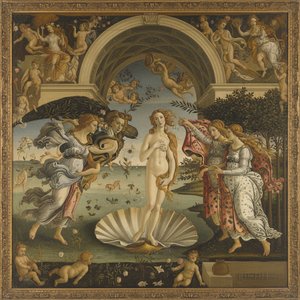
सांद्रो बोत्तicelli की शीर्ष 25 उत्कृष्ट कृतियाँ: कला और सौंदर्य का अद्भुत संग्रह | ArtsDot
सांद्रो बोत्तicelli की शीर्ष 25 कृतियों का अन्वेषण करें! पुनर्जागरण कला, वेनस का जन्म और Primavera जैसे क्लासिक चित्रों के पीछे की कहानियाँ जानें। ArtsDot.com पर उच्च-गुणवत्ता वाले कला प्रिंट और घर की सजावट के विचार खोजें।
म्यूनिख के अल्टे पिनाकोथेक की 25 उत्कृष्ट कलाकृतियाँ: इतिहास, कलाकार और सौंदर्य
म्यूनिख के अल्टे पिनाकोथेक की 25 उत्कृष्ट कलाकृतियों का अन्वेषण करें! पुनर्जागरण से बारोक तक, प्रसिद्ध कलाकारों (राफेल, रेम्ब्रांद्ट) और उनके अविस्मरणीय चित्रों की कहानी जानें। घर के लिए उच्च गुणवत्ता वाली कला प्रिंट और दीवार सजावट खोजें। ArtsDot.com पर संपूर्ण संग्रह देखें।



