

 पूर्वावलोकन देखें
 साझा करें
 साझा करें
 विस्तृत विवरण

 डाउनलोड करें
 समान कलाकृतियाँ
 एक्स-रे
 स्लाइड शो देखें
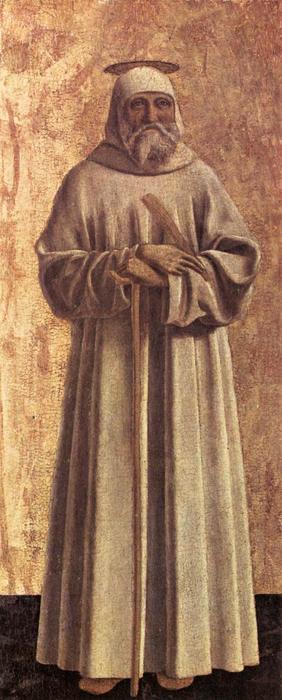
St. Benedict
 Oil On Panel
- WallArt
- Renaissance Perspective Geometry
 54.0 x 21.0 cm
 पूरा देखें
गिक्ली / आर्ट प्रिंट
तेज़ उत्पादन और विभिन्न फिनिश विकल्पों के साथ म्यूजियम-क्वालिटी गिकली (giclée) या कैनवस प्रिंट। ( हाथ से बनी पेंटिंग खरीदें छवि खरीदें)




P118B $10

P118H $10

P118W $10

P438Z $10

P508JH $12

P508YH $12

P805H $10

P805Z $10

P919BZ $10

P919G $10

P919XJ $10

P959ZH $10

P968JZ $12

W106C $8

W218G $10

W218JH $8

W218Y $10

W307PJ $10

W316G $10

W316PJ $8

W316Y $10

W398PJ $8

W4111J $10

W500HY $15

W500JH $15

W692G $12

W849H $8

W940BG $15

W953PJ $8




कलाकृति के मूल अनुपात से मेल खाने वाले हमारे पूर्व निर्धारित आकारों में से चुनें।

आप किसी विशिष्ट फ्रेम या स्थान के अनुसार अपने स्वयं के आयाम (dimensions) दर्ज कर सकते हैं। यदि आपके द्वारा चुना गया आकार मूल छवि के अनुपात से मेल नहीं खाता है, तो हम कलाकृति को क्रॉप कर देंगे या मिरर किए गए या सॉलिड-फिल किनारे के साथ छवि का विस्तार करेंगे। उत्पादन शुरू होने से पहले आपकी स्वीकृति के लिए एक डिजिटल मॉकअप भेजा जाएगा।
कृपया ध्यान दें कि स्क्रीन पर दिखने वाला प्रीव्यू वास्तविक क्रॉपिंग या विस्तार को नहीं दर्शाता है। केवल मॉकअप ही अंतिम संरचना को सटीक रूप से दिखाएगा।
हालाँकि कस्टम आकार उपलब्ध हैं, फिर भी हम मूल अनुपात बनाए रखने के लिए पूर्व-निर्धारित सूची में से एक आयाम चुनने की सलाह देते हैं।
विश्वव्यापी डिलीवरी (), मानक 4/5 सप्ताह के बजाय मात्र 2 सप्ताह में। (16 अगस्त)

दुनिया भर में मुफ़्त एक्सप्रेस शिपिंग

उच्च गुणवत्ता वाला लिनेन कैनवास

पूर्ण शिपिंग बीमा

सीमा शुल्क और आयात कर वापसी की गारंटी

सटीक रंग मिलान की गारंटी

60-दिन की वापसी नीति (केवल दोषों के लिए)

100% पैसे वापसी की गारंटी

थोक छूट का लाभ
 ग्लास का विकल्प केवल 110 सेमी से कम आकार में ही उपलब्ध है।

St. Benedict
गिक्ली / आर्ट प्रिंट
प्रतिकृति का आकार
-


कुल देय राशि
$ 62
संग्रहणीय वस्तु का विवरण
A Study in Serenity: Piero della Francesca’s St. Benedict
Piero della Francesca's “St. Benedict,” completed around 1464, stands as a testament to the Early Renaissance preoccupation with clarity, proportion, and spiritual contemplation—a fascination that profoundly shaped Western art for decades to come. Painted in oil on panel during his prolific period, this monumental depiction captures Saint Benedict, founder of Western monasticism, in an arresting pose that embodies both humility and unwavering faith. The painting’s enduring appeal lies not merely in its visual beauty but also in the meticulous attention to detail and intellectual rigor characteristic of della Francesca's artistic vision.Composition and Technique: Mastering Renaissance Perspective
The artwork showcases a masterful application of linear perspective, a technique pioneered by Brunelleschi and enthusiastically embraced by artists like Piero. The scene unfolds within an architectural interior—likely a monastic chapel—where converging lines draw the viewer’s eye towards a vanishing point subtly positioned above St. Benedict's head. This deliberate manipulation of space creates an illusion of depth that transcends mere representation, conveying a sense of grandeur and spiritual significance. Della Francesca employed a glazing technique – layering thin translucent washes of pigment over underlayers – to achieve luminous colors and subtle tonal gradations, resulting in an image imbued with remarkable realism despite its stylized form. The careful modeling of St. Benedict’s robe and drapery further demonstrates his command of sculptural representation.Symbolism: Faith, Wisdom, and Divine Guidance
Beyond its technical prowess, “St. Benedict” is rich in symbolic meaning. St. Benedict himself—a figure revered for his ascetic piety and unwavering devotion to prayer—holds a staff symbolizing strength and guidance, while clutching a book representing wisdom and scripture. The two figures flanking St. Benedict are believed to represent Saint Augustine and Saint Jerome, highlighting the saint’s intellectual companions and emphasizing the importance of contemplation alongside spiritual practice. These figures are positioned in a manner that reinforces St. Benedict's central role as mediator between God and humanity—a visual embodiment of Christian theology.Historical Context: Florence at the Dawn of Humanism
Painted during the height of Florentine Renaissance humanism, “St. Benedict” reflects the humanist spirit’s renewed interest in classical ideals of beauty and rationality. Della Francesca's work aligns with a broader artistic movement that sought to revive ancient forms while simultaneously elevating spiritual themes. Unlike many artists of his time who prioritized dramatic narratives or emotional expression, Piero focused on conveying profound truths through precise observation and geometric harmony—a deliberate departure from Gothic conventions that dominated the preceding centuries. The painting’s serene atmosphere speaks to the humanist conviction that human reason could illuminate the mysteries of faith.Emotional Impact: A Moment of Contemplative Grace
Ultimately, “St. Benedict” transcends mere visual representation; it invites viewers into a realm of contemplative grace. The artist's masterful use of color and light—particularly the diffused glow emanating from St. Benedict’s robe—creates an impression of stillness and solemn reverence. The painting’s harmonious composition reinforces this sense of tranquility, prompting reflection on themes of faith, wisdom, and divine compassion. It remains a powerful reminder of the enduring beauty and intellectual depth attainable through artistic excellence – a timeless masterpiece that continues to inspire admiration centuries after its creation.संबद्ध कलाकृतियाँ


कलाकार का जीवन परिचय
पिएरो देला फ्रांसेस्का: प्रारंभिक पुनर्जागरण के एक शांतदर्शी
इटली के टस्कन क्षेत्र में स्थित सैनसेपोल्क्रो शहर में लगभग 1415 में जन्मे पिएरो डी बेनेडेटो दे’ फ्रांसेस्का, जिन्हें आमतौर पर पिएरो देला फ्रांसेस्का के नाम से जाना जाता है, प्रारंभिक पुनर्जागरण काल के एक असाधारण चित्रकार थे। उनका जीवन रहस्यमय बना हुआ है, लेकिन उनकी कलात्मक विरासत समय की कसौटी पर खरी उतरी है, जो उन्हें न केवल एक कुशल कलाकार बल्कि गणितज्ञ और ज्यामिति विशेषज्ञ भी बनाती है। पिएरो का पारिवारिक पृष्ठभूमि साधारण था; उनके पिता एक चमड़े और ऊन के व्यापारी थे, जिसने उन्हें शिक्षा प्राप्त करने और लैटिन भाषा सीखने का अवसर दिया। यह ज्ञान बाद में उनकी कलात्मक और वैज्ञानिक कार्यों में महत्वपूर्ण साबित हुआ। सैनसेपोल्क्रो की शांत गलियों से फ्लोरेंस के जीवंत कलात्मक केंद्र तक पिएरो की यात्रा ने उनके जीवन को हमेशा के लिए बदल दिया।
फ्लोरेंस का प्रभाव और कलात्मक विकास
1439 में फ्लोरेंस की यात्रा पिएरो के लिए एक महत्वपूर्ण मोड़ साबित हुई। उन्होंने डोमेनिको वेनेज़ियानो के साथ मिलकर काम किया, जिससे उन्हें फ्लोरेंटाइन शैली से परिचित होने का अवसर मिला। मासाचियो के भित्ति चित्रों और फिलिप्पो ब्रुनेलेस्की की वास्तुकला ने भी पिएरो को गहराई से प्रभावित किया। उन्होंने न केवल इन तकनीकों को अपनाया बल्कि उनके अंतर्निहित गणितीय सिद्धांतों का विश्लेषण भी किया, जो उनकी कलात्मक दृष्टिकोण की विशिष्टता थी। फ्लोरेंस लौटने के बाद, पिएरो ने सैनसेपोल्क्रो में अपनी पहचान एक प्रमुख कलाकार के रूप में स्थापित करना शुरू कर दिया, लेकिन इटली भर में विभिन्न दरबारों के लिए काम करते रहे।
कला और गणित का संगम: परिप्रेक्ष्य का महारत हासिल
पिएरो देला फ्रांसेस्का की कलात्मक प्रतिभा को उनकी गणितीय समझ के साथ जोड़ा जा सकता है। उनका सबसे प्रसिद्ध कार्य, सैन फ्रांसिस्को चर्च में *सच्चे क्रॉस का इतिहास* भित्ति चित्र चक्र, इस संगम का एक उत्कृष्ट उदाहरण है। इन चित्रों में, पिएरो ने परिप्रेक्ष्य और ज्यामितीय संरचनाओं का उपयोग करके एक असाधारण गहराई और शांति का अनुभव पैदा किया। उनके आंकड़े न केवल बाइबिल के पात्रों का प्रतिनिधित्व करते हैं, बल्कि वे शाश्वत रूप से शांत और चिंतनशील प्रतीत होते हैं। *मोंटेफेलट्रो अल्टारपीस* में फेडरिको दा मोंटेफेलट्रो और उनकी पत्नी बतिस्ता स्फोरज़ा के चित्र भी उनके पोर्ट्रेट कौशल को दर्शाते हैं, जो मनोवैज्ञानिक सूक्ष्मता और विस्तृत विवरण पर जोर देते हैं। पिएरो की कला में प्रकाश और छाया का उपयोग न केवल सौंदर्यपूर्ण प्रभाव के लिए किया गया है, बल्कि रूपों को परिभाषित करने और त्रि-आयामी भावना पैदा करने के लिए भी किया गया है।
विरासत और प्रभाव
पिएरो देला फ्रांसेस्का 1492 में अपनी जन्मस्थली सैनसेपोल्क्रो में निधन हो गए, लेकिन उनकी कलात्मक विरासत जीवित रही। यद्यपि वे लियोनार्डो दा विंची या माइकल एंजेलो जितने prolific नहीं थे, फिर भी उनके कार्यों ने कई पीढ़ियों के कलाकारों को प्रभावित किया। लियोनार्डो दा विंची ने पिएरो की तकनीकों का अध्ययन किया और प्रकाश और छाया के उनके महारत को सराहा। राफेल ने भी उनकी रचनाओं और स्थानिक व्यवस्था से प्रेरणा ली। 20वीं शताब्दी में, कला इतिहासकारों ने पिएरो के कार्यों को फिर से खोजा, उन्हें पुनर्जागरण कला के विकास में एक महत्वपूर्ण व्यक्ति के रूप में पहचाना। उनका परिप्रेक्ष्य पर जोर, यथार्थवादी प्रतिनिधित्व और शांत मानवतावाद आज भी कलाकारों और दर्शकों को प्रेरित करते हैं, जो उन्हें इतालवी पुनर्जागरण के सबसे महत्वपूर्ण और स्थायी स्वामी में से एक के रूप में स्थापित करता है। उनकी पेंटिंग न केवल सुंदर वस्तुएं हैं; वे कला, विज्ञान और आध्यात्मिकता के सामंजस्यपूर्ण संतुलन का प्रतीक हैं।

पिएरो देला फ्रांचेस्का
1415 - 1492 , इटली
मुख्य तथ्य
- कलाकारों/आंदोलनों पर प्रभाव:
- मासाचियो
- डोमेनिको वेनेज़ियानो
- कलात्मक शैली: प्रारंभिक पुनर्जागरण
- जन्म तिथि: लगभग १४१५
- जन्म स्थान: सैन सेपोल्क्रो, इटली
- पूरा नाम: पिएरो देला फ्रांसेस्का
- प्रभावित कलाकार:
- लिओनार्डो दा विंची
- राफेल
- प्रमुख कलाकृतियाँ:
- द रिसरेक्शन
- मोंटेफेल्ट्रो वेदी
- क्राइस्ट का बपतिस्मा
- सच्चे क्रॉस के भित्तिचित्र
- मृत्यु तिथि: १२ अक्टूबर १४९२
- राष्ट्रीयता: इतालवी
संबंधित लेख

Discover the Divine: Inspiring Saint Anthony Artworks to Elevate Your Home Decor
Transform your home with the profound beauty of Saint Anthony artworks. Explore exquisite Baroque reproductions by Murillo and Zurbarán, hand-painted on 100% cotton canvas to bring divine serenity and timeless elegance to your interior design.

Piero della Francesca: Renaissance Perspective, Divine Proportion & the Pursuit of Ideal Form
Explore the revolutionary art of Piero della Francesca – master of perspective, divine proportion & Renaissance humanism. Discover his iconic paintings & lasting influence on art history.
Sacred Narratives Embodied: A Comprehensive Exploration of Religious Iconography in Art History
Explore the rich history of religious iconography in art! Discover symbolism, movements & masterpieces from Byzantine to Renaissance periods. Expert insights for collectors and enthusiasts at ArtsDot.

Luca della Robbia: Renaissance Sculpture & the Innovation of Terracotta Glazing
Discover the innovative terracotta glazing techniques of Luca della Robbia, a Renaissance master sculptor. Explore his iconic works, legacy, and collecting tips with ArtsDot.

Sacred Narratives on Canvas: Exploring Religious Scenes & Their Enduring Influence
Explore the rich history of religious art from Giotto to the Renaissance masters with ArtsDot. Discover symbolism, techniques & enduring legacies. Museum-quality reproductions available.



