


 पूर्वावलोकन देखें
 भेजें
भेजें साझा करें
 विवरण देखें
 मार्गदर्शिका

 डाउनलोड करें
 समान वस्तुएं
 एक्स-रे
 स्लाइड शो देखें
 आंकड़े
War


 और पढ़ें
हस्तनिर्मित ऑयल रिप्रोडक्शन
आपके आकार और फ्रेम के अनुसार कैनवास पर हाथ से बनी ऑयल पेंटिंग, हमारे कलाकारों द्वारा विशेष रूप से ऑर्डर पर तैयार। ( प्रिंट विकल्प पर जाएँ डिजिटल इमेज पर जाएँ)




P118B ₹10

P118H ₹10

P118W ₹10

P438Z ₹10

P508JH ₹12

P508YH ₹12

P805H ₹10

P805Z ₹10

P919BZ ₹10

P919G ₹10

P919XJ ₹10

P959ZH ₹10

P968JZ ₹12

W106C ₹8

W218G ₹10

W218JH ₹8

W218Y ₹10

W307PJ ₹10

W316G ₹10

W316PJ ₹8

W316Y ₹10

W398PJ ₹8

W4111J ₹10

W500HY ₹15

W500JH ₹15

W692G ₹12

W849H ₹8

W940BG ₹15

W953PJ ₹8




कलाकृति के मूल अनुपात से मेल खाने वाले हमारे पूर्व निर्धारित आकारों में से चुनें।

आप किसी विशिष्ट फ्रेम या स्थान के अनुसार अपने स्वयं के आयाम (dimensions) दर्ज कर सकते हैं। यदि आपके द्वारा चुना गया आकार मूल छवि के अनुपात से मेल नहीं खाता है, तो हम कलाकृति को क्रॉप करेंगे या पेंटिंग में अतिरिक्त हाथ से चित्रित तत्व जोड़कर उसका विस्तार करेंगे। उत्पादन शुरू होने से पहले आपकी स्वीकृति के लिए एक डिजिटल मॉकअप भेजा जाएगा।
कृपया ध्यान दें कि स्क्रीन पर दिखने वाला पूर्वावलोकन वास्तविक क्रॉपिंग या विस्तार को नहीं दर्शाता है। केवल मॉकअप ही अंतिम रचना को सटीक रूप से दिखाएगा।
यद्यपि कस्टम आकार उपलब्ध हैं, फिर भी हम मूल अनुपात बनाए रखने के लिए पूर्व-निर्धारित सूची से आयाम चुनने की सलाह देते हैं।
ऑर्डर देने के बाद, ArtsDot.com टीम निर्देशों के लिए क्लाइंट को ईमेल करेगी और एक मॉकअप प्रीव्यू प्रदान करेगी
विश्वव्यापी वितरण () मानक 5 सप्ताह के बजाय मात्र 3/4 सप्ताह में। (11 अक्टूबर)। गुणवत्ता से कोई समझौता नहीं।

दुनिया भर में मुफ़्त एक्सप्रेस शिपिंग

प्रीमियम ग्रेड लिनेन कैनवास

पूर्ण शिपिंग बीमा

सीमा शुल्क और आयात कर वापसी की गारंटी

सटीक रंग मिलान की गारंटी

100 दिनों की वापसी नीति (केवल निर्माण दोष होने पर)

100% पैसे वापसी की गारंटी

थोक छूट का अवसर
 ग्लास का विकल्प केवल 110 सेमी से कम आकार में ही उपलब्ध है।

War
प्रतिकृति की सामग्री
प्रतिकृति का आकार
-


कुल मूल्य
₹ 25125
War: A Descent into Chaos – Jackson Pollock’s Post-Traumatic Masterpiece
Jackson Pollock's *War*, painted in 1947, isn’t merely a canvas splashed with color; it’s a visceral embodiment of the anxieties and turmoil gripping America in the aftermath of World War II. This monumental work, rendered in thick layers of black ink and colored pencil on paper, plunges the viewer into a maelstrom of fragmented figures, violent gestures, and unsettling symbols – a direct reflection of the psychological landscape of a nation grappling with unprecedented devastation and uncertainty. The painting’s power lies not in representational accuracy but in its raw emotional intensity, a hallmark of Jackson Pollock's pioneering approach to Abstract Expressionism. It’s a piece that demands attention, inviting contemplation on themes of conflict, loss, and the enduring scars of war.The Language of Drip: Technique and Process
Pollock’s signature “drip” technique is utterly central to *War*'s impact. He abandoned traditional brushwork, instead pouring, dripping, and splattering paint directly onto the canvas laid flat on the floor – a revolutionary act that liberated him from the constraints of easel painting. This method wasn't random; it was meticulously controlled chaos. The layering of ink creates a dense, almost sculptural surface, punctuated by sharp lines and frantic bursts of color—primarily black, red, and yellow—that seem to writhe with barely contained energy. Notice how he utilizes both linear strokes and areas of broad, diffused color, creating a dynamic tension between order and disorder. The sheer physicality of the process is evident in the visible texture and the sense that the painting was actively *made*, rather than passively observed. It’s as if Pollock wrestled with his demons onto the surface, channeling his anxieties into this monumental expression.Abstract Expressionism: A Reflection of a Fractured World
*War* stands as a pivotal example of Abstract Expressionism, an artistic movement that exploded in New York during the 1940s and 50s. Rejecting European traditions, American artists like Pollock sought to express raw emotion and subjective experience through non-objective forms. Unlike earlier movements focused on depicting reality, Abstract Expressionists aimed to capture the inner world—the anxieties, fears, and hopes—of the individual. *War* embodies this ethos perfectly, eschewing recognizable imagery in favor of a symbolic language that speaks directly to the viewer’s subconscious. It's deeply connected to the broader cultural context of the post-war era, a time marked by disillusionment, fear of nuclear annihilation, and a profound sense of societal upheaval.Decoding the Symbols: Figures of Conflict and Despair
The painting is populated with unsettling figures—human and animal—engaged in what appears to be a chaotic battle or ritualistic sacrifice. A hooded figure, reminiscent of Christ on the cross, dominates the right side of the composition, while a bull, often associated with primal instincts and aggression, looms over a pile of human debris. The fragmented nature of these forms suggests a breakdown of order and humanity, mirroring the devastation of war. The presence of the animal adds another layer of complexity, hinting at the brutal, instinctual forces that drive conflict. Some art historians have linked the imagery to Picasso’s *Guernica*, suggesting a dialogue between two artists grappling with the horrors of modern warfare. The overall effect is profoundly disturbing, forcing the viewer to confront the uncomfortable realities of violence and loss.A Legacy of Raw Emotion: Pollock's Enduring Impact
*War* remains a powerfully resonant work, not just for its historical significance but also for its enduring emotional impact. It’s a testament to Jackson Pollock’s innovative technique and his willingness to explore the darkest corners of the human psyche. Reproductions of *War*, offered by ArtsDot.com, allow you to bring this monumental piece into your own space, experiencing its raw energy and unsettling beauty firsthand. Its continued relevance speaks volumes about the timeless nature of art's ability to capture and convey the complexities of the human experience—particularly in times of profound turmoil. Consider exploring other works by Pollock, Mark Rothko, or Lee Krasner – artists who similarly sought to express the emotional realities of their era through bold, innovative approaches to painting.प्रश्न और उत्तर
"War" के प्रिंट का अनुशंसित उपयोग क्या है?
"War" के प्रिंट का अनुशंसित उपयोग Statement है।
"War" का निर्माण किसने किया?
"War" के पीछे के कलाकार पॉल जैक्सन पोलक हैं। यह कृति पॉल जैक्सन पोलक के नाम के अंतर्गत सूचीबद्ध है।
"War" को किस आकार में प्रिंट करने की सलाह दी जाती है?
"War" के लिए Large प्रिंट आकार की सिफारिश की जाती है। समान अनुपात में अन्य आकार भी उपलब्ध हैं।
"War" का प्रारूप क्या है?
"War" का प्रारूप Landscape है। यह तब उपयोगी होता है जब आप यह योजना बना रहे हों कि पुनरुत्पादन (reproduction) कहाँ रखा जाएगा।
क्या "War" एक फाइन आर्ट प्रिंट के रूप में उपलब्ध है?
"War" कॉटन कैनवास या आर्काइवल कैनवास पेपर पर एक फाइन आर्ट प्रिंट के रूप में उपलब्ध है। ऑर्डर अपनी पसंद के आकार में यह पृष्ठ पर दिए जा सकते हैं।
क्या मैं "War" की ऑयल रिप्रोडक्शन (तेल चित्रकला प्रतिलिपि) ऑर्डर कर सकता हूँ?
पॉल जैक्सन पोलक द्वारा "War" की हाथ से पेंट की गई प्रतियां यह वेबसाइट पर बिक्री के लिए उपलब्ध हैं: लिनन कैनवास पर हाथ से पेंट किया गया एक ऑयल रिप्रोडक्शन, जिन्हें यह पृष्ठ से ऑर्डर किया जा सकता है।
"War" में कौन सा रंग सबसे प्रमुखता से उभर कर आता है?
"War" में सबसे प्रमुख दिखने वाला रंग Rosy Brown (#c3b28f) है। कलाकृति को इंटीरियर के साथ मिलाने के लिए मुख्य रंग का ज्ञान अत्यंत उपयोगी होता है।
समान कलाकृतियाँ


कलाकार का परिचय
प्रारंभिक जीवन और नवाचार के बीज
पॉल जैक्सन पोलक, जिनका जन्म 1912 में कोडी, व्योमिंग में हुआ था, शुरुआत से ही एक बेचैन आत्मा थे। उनका प्रारंभिक जीवन बार-बार होने वाले प्रवासों से चिह्नित था, क्योंकि उनके पिता अमेरिकी पश्चिम के विशाल परिदृश्यों में एक भूमि सर्वेक्षक के रूप में कार्य करते थे। इस घुमंतू जीवन ने युवा पोलक के भीतर प्राकृतिक दुनिया के साथ एक गहरा संबंध और विविध संस्कृतियों के प्रति संवेदनशीलता विकसित की, विशेष रूप से उन सर्वेक्षण यात्राओं के दौरान मूल अमेरिकी कला के साथ हुए अनुभवों के माध्यम से—ये वे प्रभाव थे जो जीवन के उत्तरार्ध में उनकी कलात्मक दृष्टि में सूक्ष्मता से समा गए। हालाँकि उन्होंने कभी भी स्पष्ट रूप से स्वदेशी शैलियों की नकल नहीं की, लेकिन इन प्रारंभिक अनुभवों की कच्ची ऊर्जा और आध्यात्मिक प्रतिध्वनि ने निस्संदेह अपनी छाप छोड़ी।
पोलक का औपचारिक कला प्रशिक्षण लॉस एंजिल्स के मैनुअल आर्ट्स हाई स्कूल में शुरू हुआ, जिसके बाद थॉमस हार्ट बेंटन के संरक्षण में न्यूयॉर्क की आर्ट स्टूडेंट्स लीग में अध्ययन हुआ। क्षेत्रीयतावादी (Regionalist) आंदोलन के एक प्रमुख व्यक्तित्व, बेंटन ने लयबद्ध संरचना और अमेरिकी जीवन में निहित कथात्मक विषयों पर जोर दिया। हालाँकि पोलक ने शुरुआत में इन पाठों को आत्मसात किया, लेकिन उनका स्वाभाविक झुकाव अधिक अमूर्त अन्वेशनों की ओर था। वे जोस क्लेमेंटे ओरोज्को जैसे मैक्सिकन भित्ति चित्रकारों से भी गहराई से प्रभावित थे, जिनके सामाजिक संघर्ष के शक्तिशाली चित्रण ने उन्हें भीतर तक झकझोर दिया था। इन प्रारंभिक प्रभावों ने एक आधार तैयार किया, लेकिन यह अतियथार्थवाद (Surrealism) की उभरती दुनिया ही थी जिसने वास्तव में पोलक की कलात्मक क्षमता के द्वार खोल दिए।
एक्शन पेंटिंग का जन्म और एक क्रांतिकारी तकनीक
1930 के दशक में पोलक ने पारंपरिक ब्रशवर्क के विकल्पों की तलाश में विभिन्न तकनीकों के साथ प्रयोग किए। उन्होंने पेंट को कैनवास पर उंडेलना शुरू किया, इसकी तरलता और अप्रत्याशित प्रकृति की खोज की। हालाँकि, यह लगभग 1947 की बात है जब उनके कलात्मक प्रक्षेपवक्र में एक क्रांतिकारी परिवर्तन आया। ईज़ल (easel) को पूरी तरह से त्यागकर, पोलक ने कैनवास को सीधे फर्श पर बिछा दिया, जिससे उस तकनीक की शुरुआत हुई जिसे बाद में उनकी "ड्रिप तकनीक" के रूप में जाना गया। इसके बाद वे ऊपर से कैनवास पर पेंट टपकाने, छिड़कने और फेंकने लगे, जिससे कलाकार, माध्यम और सतह के बीच एक गतिशील नृत्य का आयोजन हुआ।
यह केवल पेंट लगाने के बारे में नहीं था; यह सृजन की प्रक्रिया को जीवंत करने के बारे में था। पोलक के कैनवास शारीरिक अभिव्यक्ति के अखाड़े बन गए, जो उनके हाव-भाव और भावनाओं की तात्कालिकता को कैद करते थे। इसके परिणामस्वरूप बनी पेंटिंग्स अपनी "ऑल-ओवर" संरचना के लिए जानी जाती हैं—एक ऐसा केंद्रीय फोकस का अभाव जो दर्शक को ऊर्जा के एक एकीकृत क्षेत्र के रूप में पूरी सतह का अन्वेषण करने के लिए आमंत्रित करता है। रेखाओं और रंगों के जटिल जाल आपस में गुंथे हुए हैं, जो एक ऐसी दृश्य जटिलता पैदा करते हैं जो मंत्रमुग्ध करने वाली और चुनौतीपूर्ण दोनों है। उन्होंने पेंट को अप्रत्याशित तरीकों से नियंत्रित करने के लिए छड़ियों, चाकू और यहाँ तक कि सिरिंज जैसे अपरंपरागत उपकरणों का उपयोग किया, जिससे उनकी प्रक्रिया की सहज प्रकृति और भी स्पष्ट हो गई।
इस अभिनव दृष्टिकोण ने पोलक को उभरते हुए अमूर्त अभिव्यक्तिवाद (Abstract Expressionist) आंदोलन के एक केंद्रीय पात्र के रूप में स्थापित किया, जो द्वितीय विश्व युद्ध के बाद न्यूयॉर्क शहर में उभरा था। अमूर्त अभिव्यक्तिवाद ने सहज हाव-भाव, बड़े पैमाने और गैर-प्रतिनिधित्ववादी चित्रण को प्राथमिकता दी, जो पारंपरिक कलात्मक परंपराओं से दूर एक व्यापक सांस्कृतिक बदलाव को दर्शाता था। साथी कलाकार ली क्रास्नर के साथ उनका विवाह भी अत्यंत महत्वपूर्ण था; उन्होंने अटूट भावनात्मक समर्थन प्रदान किया और उनके कार्य की क्रांतिकारी प्रकृति को पहचानते हुए उनके कलात्मक विकास को सक्रिय रूप से प्रोत्साहित किया।
प्रतिष्ठित कृतियाँ और स्थायी विरासत
पोलक की सबसे प्रसिद्ध कृतियाँ—जैसे कि Number 1, 1950 (Lavender Mist), One: Number 31, 1950, Blue Poles: Number 11, 1952, और Convergence—उनकी क्रांतिकारी तकनीक के प्रमाण हैं। ये पेंटिंग्स केवल चित्र नहीं हैं; वे एक प्रदर्शन के रिकॉर्ड हैं, जो कलाकार की शारीरिक उपस्थिति और भावनात्मक तीव्रता से ओतप्रोत हैं। इन कैनवासों से निकलने वाली गतिशील ऊर्जा स्पष्ट रूप से महसूस की जा सकती है, जो दर्शकों को शुद्ध अमूर्तता की दुनिया में खींच लेती है।
उनकी शैली केवल सौंदर्यशास्त्र से परे है; यह उत्पाद के बजाय प्रक्रिया का एक अन्वेषण है। पोलक ने संरचना और प्रतिनिधित्व की पारंपरिक धारणाओं को खारिज करते हुए कैनवास पर अपने कार्यों और भावनाओं की तात्कालिकता को पकड़ने का प्रयास किया। उन्होंने जुंगियन मनोविज्ञान में गहराई से उतरते हुए, अपनी कला में आदिप्रारूपों (archetypes) और अवचेतन की खोज की, ताकि सार्वभौमिक प्रतीकों और आदिम ऊर्जाओं तक पहुँचा जा सके।
कला के इतिहास पर पोलक का प्रभाव अथाह है। उन्होंने मौलिक रूप से कलाकारों के पेंटिंग करने के तरीके को बदल दिया, ईज़ल-आधारित विधियों से मुक्त होकर एक अधिक प्रदर्शनकारी दृष्टिकोण को अपनाया। उनके कार्य ने आधुनिक कला के वैश्विक केंद्र के रूप में न्यूयॉर्क शहर की स्थिति को मजबूत करने में मदद की, जिससे ध्यान यूरोपीय प्रभुत्व से हटकर अमेरिका की ओर स्थानांतरित हुआ। उनका प्रभाव उन अनगिनत कलाकारों के काम में देखा जा सकता है जो उनके बाद आए, जिनमें कलर फील्ड पेंटिंग और अमूर्त अभिव्यक्तिवाद के बाद के रूपों से जुड़े कलाकार भी शामिल हैं।
हालाँकि शुरुआत में उन्हें मिश्रित प्रतिक्रियाओं का सामना करना पड़ा—कुछ आलोचकों ने उनके काम को अराजक या कौशल की कमी वाला कहकर खारिज कर दिया—लेकिन 1956 में 44 वर्ष की आयु में असामयिक मृत्यु के बाद पोलक की प्रतिष्ठा लगातार बढ़ती गई। आज, उन्हें 20वीं सदी के सबसे महत्वपूर्ण और प्रभावशाली कलाकारों में से एक के रूपता से सार्वभौमिक रूप से मान्यता प्राप्त है, एक ऐसे दूरदर्शी के रूप में जिन्होंने परंपराओं को चुनौती देने और कलात्मक अभिव्यक्ति की सीमाओं को फिर से परिभाषित करने का साहस किया। उनकी अभिनव तकनीकें और अभिव्यंजक शैली आज भी प्रेरित और उत्तेजित करती रहती हैं, जो आने वाली पीढ़ियों के लिए उनकी स्थायी विरासत सुनिश्चित करती हैं।

पॉल जैक्सन पोलक
1912 - 1956 , संयुक्त राज्य अमेरिका
संक्षिप्त जानकारी
- कला आंदोलन/शैली: अमूर्त अभिव्यंजनावाद
- किसके द्वारा प्रभावित: ['कलर फील्ड पेंटिंग']
- जन्म तिथि: 28 जनवरी 1912
- जन्म स्थान: कोडी, संयुक्त राज्य अमेरिका
- पूरा नाम: पॉल जैक्सन पोलॉक
- प्रभावित कलाकार:
- जोसे क्लेमेंटे ओरोस्को
- थॉमस हार्ट बेंटन
- प्रमुख कलाकृतियाँ:
- नंबर 1, 1950 (लैवेंडर मिस्ट)
- वन: नंबर 31, 1950
- मृत्यु तिथि: 11 अगस्त 1956
- राष्ट्रीयता: अमेरिकी
संबंधित लेखों की सूची

अमूर्त अभिव्यंजनावाद: शीर्ष 10 कलाकृतियाँ जिन्होंने परिभाषित किया कला की दुनिया
अमूर्त अभिव्यंजनावाद की 10 उत्कृष्ट कृतियाँ जानें! पोलक, रोथको जैसे कलाकारों के अनूठे रंगों और भावनाओं का अनुभव करें। ArtsDot.com पर कला इतिहास की गहराई में जाएँ और अपने घर के लिए अद्वितीय सजावट खोजें। ऑनलाइन संग्रह देखें!

Beyond Representation: Emotional Depth & Formal Innovation in Abstract Expressionism
Explore the profound emotional depth & formal innovation of Abstract Expressionism. Discover key artists, collecting insights, and investment potential with expert guidance. Learn more now.
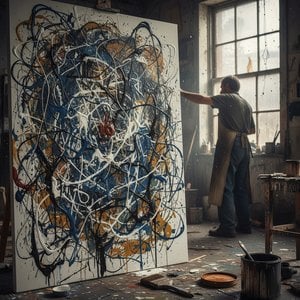
Paul Jackson Pollock: A Radical Departure – Exploring Abstract Expressionism's Pioneering Figure and His Enduring Legacy
Explore the revolutionary art of Jackson Pollock & Abstract Expressionism. Discover his iconic drip paintings, lasting impact, and considerations for collecting this pivotal American artist. Expert insights at ArtsDot.

Beyond Representation: Exploring the Emotional Landscape of Abstract Expressionism
Explore the profound emotional world of Abstract Expressionism with ArtsDot. Discover key artists like Pollock & Rothko, learn about collecting, and find museum-quality reproductions to inspire your space.

ज्यामितीय अमूर्तता: शीर्ष 10 उत्कृष्ट कृतियाँ जो कला को नया आकार देती हैं | ArtsDot.com
ज्यामितीय अमूर्तता की शीर्ष 10 उत्कृष्ट कृतियों का अन्वेषण करें! पिकासो, मोंड्रियन और अन्य कलाकारों के प्रेरणादायक कार्यों से कला इतिहास जानें। ArtsDot.com पर उच्च गुणवत्ता वाली कला प्रिंट और कैनवास खरीदें।


