


 पूर्वावलोकन देखें
 भेजें
भेजें साझा करें
 विवरण देखें
 मार्गदर्शिका

 डाउनलोड करें
 समान वस्तुएं
 एक्स-रे
 स्लाइड शो देखें
 आंकड़े
Head


 और पढ़ें
हस्तनिर्मित ऑयल रिप्रोडक्शन
आपके आकार और फ्रेम के अनुसार कैनवास पर हाथ से बनी ऑयल पेंटिंग, हमारे कलाकारों द्वारा विशेष रूप से ऑर्डर पर तैयार। ( प्रिंट विकल्प पर जाएँ डिजिटल इमेज पर जाएँ)




P118B ₹10

P118H ₹10

P118W ₹10

P438Z ₹10

P508JH ₹12

P508YH ₹12

P805H ₹10

P805Z ₹10

P919BZ ₹10

P919G ₹10

P919XJ ₹10

P959ZH ₹10

P968JZ ₹12

W106C ₹8

W218G ₹10

W218JH ₹8

W218Y ₹10

W307PJ ₹10

W316G ₹10

W316PJ ₹8

W316Y ₹10

W398PJ ₹8

W4111J ₹10

W500HY ₹15

W500JH ₹15

W692G ₹12

W849H ₹8

W940BG ₹15

W953PJ ₹8




कलाकृति के मूल अनुपात से मेल खाने वाले हमारे पूर्व निर्धारित आकारों में से चुनें।

आप किसी विशिष्ट फ्रेम या स्थान के अनुसार अपने स्वयं के आयाम (dimensions) दर्ज कर सकते हैं। यदि आपके द्वारा चुना गया आकार मूल छवि के अनुपात से मेल नहीं खाता है, तो हम कलाकृति को क्रॉप करेंगे या पेंटिंग में अतिरिक्त हाथ से चित्रित तत्व जोड़कर उसका विस्तार करेंगे। उत्पादन शुरू होने से पहले आपकी स्वीकृति के लिए एक डिजिटल मॉकअप भेजा जाएगा।
कृपया ध्यान दें कि स्क्रीन पर दिखने वाला पूर्वावलोकन वास्तविक क्रॉपिंग या विस्तार को नहीं दर्शाता है। केवल मॉकअप ही अंतिम रचना को सटीक रूप से दिखाएगा।
यद्यपि कस्टम आकार उपलब्ध हैं, फिर भी हम मूल अनुपात बनाए रखने के लिए पूर्व-निर्धारित सूची से आयाम चुनने की सलाह देते हैं।
ऑर्डर देने के बाद, ArtsDot.com टीम निर्देशों के लिए क्लाइंट को ईमेल करेगी और एक मॉकअप प्रीव्यू प्रदान करेगी
विश्वव्यापी वितरण () मानक 5 सप्ताह के बजाय मात्र 3/4 सप्ताह में। (10 अक्टूबर)। गुणवत्ता से कोई समझौता नहीं।

दुनिया भर में मुफ़्त एक्सप्रेस शिपिंग

प्रीमियम ग्रेड लिनेन कैनवास

पूर्ण शिपिंग बीमा

सीमा शुल्क और आयात कर वापसी की गारंटी

सटीक रंग मिलान की गारंटी

100 दिनों की वापसी नीति (केवल निर्माण दोष होने पर)

100% पैसे वापसी की गारंटी

थोक छूट का अवसर
 ग्लास का विकल्प केवल 110 सेमी से कम आकार में ही उपलब्ध है।

Head
प्रतिकृति की सामग्री
प्रतिकृति का आकार
-


कुल मूल्य
₹ 25125
A Visceral Exploration of the Human Condition
Jackson Pollock’s *Head*, a work shrouded in some mystery due to its lack of definitive dating and detailed documentation, presents a profoundly unsettling yet captivating vision. It is not a portrait in any traditional sense; rather, it's a fragmented, distorted exploration of the human form pushed to the very edge of recognition. The image assaults the viewer with a multiplicity of eyes and mouths, scattered across a seemingly chaotic surface. This isn’t an attempt at realistic representation but a raw, visceral expression of inner turmoil, anxiety, and perhaps even existential dread. The painting feels less like looking *at* a head and more like being immersed *within* a fractured psyche.Echoes of Surrealism and the Primal Self
To understand *Head*, one must consider Pollock’s artistic journey during its creation – likely in the late 1930s or early 1940s. He was deeply influenced by the Surrealist movement, which sought to unlock the power of the unconscious mind. However, Pollock wasn't simply mimicking Surrealism; he was forging his own path. The multiple eyes and mouths suggest a breakdown of boundaries – a loss of control over perception and expression. This resonates with Jungian psychology, an area Pollock actively explored through therapy during this period. His psychoanalyst encouraged him to express himself through art, leading to drawings that delved into archetypal imagery and the darker recesses of the human psyche. The work also reveals echoes of Picasso’s explorations of distorted figures, particularly his interpretations of mythological creatures like the Minotaur – a symbol of primal instincts and inner conflict. Pollock wasn't merely copying these influences; he was internalizing them and transforming them into something uniquely his own.The Genesis of a Revolutionary Technique
While *Head* doesn’t yet exhibit Pollock’s signature “drip” technique in its fully developed form, it foreshadows the radical innovations that would soon define his career. The layering of forms, the sense of movement and energy within the composition, hint at the all-over painting style he would later perfect. He was beginning to move away from traditional easel painting and explore more direct, physical ways of applying paint to canvas. This experimentation stemmed from a desire to bypass conscious control and tap into a more authentic, spontaneous form of expression. The very act of creating *Head* – the building up of layers, the distortion of form – can be seen as a precursor to his later action paintings, where the process itself became as important as the final product. It’s a crucial stepping stone in understanding how Pollock moved from representational work towards complete abstraction.A Powerful Statement for Modern Interiors
For those considering a reproduction of *Head*, it's essential to understand its emotional weight and visual impact. This is not a painting that will blend seamlessly into the background; it demands attention, provokes thought, and sparks conversation. Its dark, unsettling energy can be surprisingly effective in modern interiors, particularly those with minimalist or industrial aesthetics. The fragmented forms and bold composition create a striking focal point, adding depth and complexity to any space. *Head* is more than just an artwork; it’s a statement – a testament to the power of art to confront us with uncomfortable truths about ourselves and the world around us. It's a piece that will resonate with those who appreciate challenging, thought-provoking art and are unafraid to embrace the darker side of human experience.प्रश्न और उत्तर
"Head" का निर्माण किसने किया?
"Head" की रचना पॉल जैक्सन पोलक द्वारा की गई थी। इस पृष्ठ पर दी गई जानकारी पॉल जैक्सन पोलक की मूल कृति का वर्णन करती है।
मैं पॉल जैक्सन पोलक द्वारा "Head" का प्रिंट कैसे प्राप्त कर सकता हूँ?
पॉल जैक्सन पोलक द्वारा "Head" का प्रिंट सीधे यह पृष्ठ पर ऑर्डर किया जा सकता है: कॉटन कैनवास या आर्काइवल कैनवास पेपर पर एक फाइन आर्ट प्रिंट।
मैं पॉल जैक्सन पोलक द्वारा "Head" की हाथ से बनी प्रतिकृति (hand-painted reproduction) कहाँ से खरीद सकता हूँ?
आप यह पृष्ठ पर सीधे पॉल जैक्सन पोलक द्वारा "Head" की हाथ से पेंट की गई प्रतिकृति (reproduction) ऑर्डर कर सकते हैं: लिनन कैनवास पर हाथ से पेंट किया गया एक ऑयल रिप्रोडक्शन, जो विशेष रूप से आपके आदेश पर बनाई जाती है।
"Head" का कलर पैलेट कितना गहरा (saturated) है?
"Head" का रंग पैलेट संतृप्ति (saturation) में Muted है।
ऐतिहासिक रूप से "Head" का स्थान क्या है?
पॉल जैक्सन पोलक द्वारा "Head" का कला-ऐतिहासिक वर्गीकरण Abstract Expressionism है, जो Modern काल का है।
पॉल जैक्सन पोलक द्वारा "Head" का भावनात्मक स्वर क्या है?
पॉल जैक्सन पोलक द्वारा "Head" एक Mysterious भावनात्मक स्वर व्यक्त करता है।
"Head" किस रंग की ओर झुका हुआ है?
पॉल जैक्सन पोलक द्वारा "Head" का प्रमुख रंग Ochre to Sepia है। यह रंग पैलेट का आधारभूत स्वर है।


कलाकार का परिचय
प्रारंभिक जीवन और नवाचार के बीज
पॉल जैक्सन पोलक, जिनका जन्म 1912 में कोडी, व्योमिंग में हुआ था, शुरुआत से ही एक बेचैन आत्मा थे। उनका प्रारंभिक जीवन बार-बार होने वाले प्रवासों से चिह्नित था, क्योंकि उनके पिता अमेरिकी पश्चिम के विशाल परिदृश्यों में एक भूमि सर्वेक्षक के रूप में कार्य करते थे। इस घुमंतू जीवन ने युवा पोलक के भीतर प्राकृतिक दुनिया के साथ एक गहरा संबंध और विविध संस्कृतियों के प्रति संवेदनशीलता विकसित की, विशेष रूप से उन सर्वेक्षण यात्राओं के दौरान मूल अमेरिकी कला के साथ हुए अनुभवों के माध्यम से—ये वे प्रभाव थे जो जीवन के उत्तरार्ध में उनकी कलात्मक दृष्टि में सूक्ष्मता से समा गए। हालाँकि उन्होंने कभी भी स्पष्ट रूप से स्वदेशी शैलियों की नकल नहीं की, लेकिन इन प्रारंभिक अनुभवों की कच्ची ऊर्जा और आध्यात्मिक प्रतिध्वनि ने निस्संदेह अपनी छाप छोड़ी।
पोलक का औपचारिक कला प्रशिक्षण लॉस एंजिल्स के मैनुअल आर्ट्स हाई स्कूल में शुरू हुआ, जिसके बाद थॉमस हार्ट बेंटन के संरक्षण में न्यूयॉर्क की आर्ट स्टूडेंट्स लीग में अध्ययन हुआ। क्षेत्रीयतावादी (Regionalist) आंदोलन के एक प्रमुख व्यक्तित्व, बेंटन ने लयबद्ध संरचना और अमेरिकी जीवन में निहित कथात्मक विषयों पर जोर दिया। हालाँकि पोलक ने शुरुआत में इन पाठों को आत्मसात किया, लेकिन उनका स्वाभाविक झुकाव अधिक अमूर्त अन्वेशनों की ओर था। वे जोस क्लेमेंटे ओरोज्को जैसे मैक्सिकन भित्ति चित्रकारों से भी गहराई से प्रभावित थे, जिनके सामाजिक संघर्ष के शक्तिशाली चित्रण ने उन्हें भीतर तक झकझोर दिया था। इन प्रारंभिक प्रभावों ने एक आधार तैयार किया, लेकिन यह अतियथार्थवाद (Surrealism) की उभरती दुनिया ही थी जिसने वास्तव में पोलक की कलात्मक क्षमता के द्वार खोल दिए।
एक्शन पेंटिंग का जन्म और एक क्रांतिकारी तकनीक
1930 के दशक में पोलक ने पारंपरिक ब्रशवर्क के विकल्पों की तलाश में विभिन्न तकनीकों के साथ प्रयोग किए। उन्होंने पेंट को कैनवास पर उंडेलना शुरू किया, इसकी तरलता और अप्रत्याशित प्रकृति की खोज की। हालाँकि, यह लगभग 1947 की बात है जब उनके कलात्मक प्रक्षेपवक्र में एक क्रांतिकारी परिवर्तन आया। ईज़ल (easel) को पूरी तरह से त्यागकर, पोलक ने कैनवास को सीधे फर्श पर बिछा दिया, जिससे उस तकनीक की शुरुआत हुई जिसे बाद में उनकी "ड्रिप तकनीक" के रूप में जाना गया। इसके बाद वे ऊपर से कैनवास पर पेंट टपकाने, छिड़कने और फेंकने लगे, जिससे कलाकार, माध्यम और सतह के बीच एक गतिशील नृत्य का आयोजन हुआ।
यह केवल पेंट लगाने के बारे में नहीं था; यह सृजन की प्रक्रिया को जीवंत करने के बारे में था। पोलक के कैनवास शारीरिक अभिव्यक्ति के अखाड़े बन गए, जो उनके हाव-भाव और भावनाओं की तात्कालिकता को कैद करते थे। इसके परिणामस्वरूप बनी पेंटिंग्स अपनी "ऑल-ओवर" संरचना के लिए जानी जाती हैं—एक ऐसा केंद्रीय फोकस का अभाव जो दर्शक को ऊर्जा के एक एकीकृत क्षेत्र के रूप में पूरी सतह का अन्वेषण करने के लिए आमंत्रित करता है। रेखाओं और रंगों के जटिल जाल आपस में गुंथे हुए हैं, जो एक ऐसी दृश्य जटिलता पैदा करते हैं जो मंत्रमुग्ध करने वाली और चुनौतीपूर्ण दोनों है। उन्होंने पेंट को अप्रत्याशित तरीकों से नियंत्रित करने के लिए छड़ियों, चाकू और यहाँ तक कि सिरिंज जैसे अपरंपरागत उपकरणों का उपयोग किया, जिससे उनकी प्रक्रिया की सहज प्रकृति और भी स्पष्ट हो गई।
इस अभिनव दृष्टिकोण ने पोलक को उभरते हुए अमूर्त अभिव्यक्तिवाद (Abstract Expressionist) आंदोलन के एक केंद्रीय पात्र के रूप में स्थापित किया, जो द्वितीय विश्व युद्ध के बाद न्यूयॉर्क शहर में उभरा था। अमूर्त अभिव्यक्तिवाद ने सहज हाव-भाव, बड़े पैमाने और गैर-प्रतिनिधित्ववादी चित्रण को प्राथमिकता दी, जो पारंपरिक कलात्मक परंपराओं से दूर एक व्यापक सांस्कृतिक बदलाव को दर्शाता था। साथी कलाकार ली क्रास्नर के साथ उनका विवाह भी अत्यंत महत्वपूर्ण था; उन्होंने अटूट भावनात्मक समर्थन प्रदान किया और उनके कार्य की क्रांतिकारी प्रकृति को पहचानते हुए उनके कलात्मक विकास को सक्रिय रूप से प्रोत्साहित किया।
प्रतिष्ठित कृतियाँ और स्थायी विरासत
पोलक की सबसे प्रसिद्ध कृतियाँ—जैसे कि Number 1, 1950 (Lavender Mist), One: Number 31, 1950, Blue Poles: Number 11, 1952, और Convergence—उनकी क्रांतिकारी तकनीक के प्रमाण हैं। ये पेंटिंग्स केवल चित्र नहीं हैं; वे एक प्रदर्शन के रिकॉर्ड हैं, जो कलाकार की शारीरिक उपस्थिति और भावनात्मक तीव्रता से ओतप्रोत हैं। इन कैनवासों से निकलने वाली गतिशील ऊर्जा स्पष्ट रूप से महसूस की जा सकती है, जो दर्शकों को शुद्ध अमूर्तता की दुनिया में खींच लेती है।
उनकी शैली केवल सौंदर्यशास्त्र से परे है; यह उत्पाद के बजाय प्रक्रिया का एक अन्वेषण है। पोलक ने संरचना और प्रतिनिधित्व की पारंपरिक धारणाओं को खारिज करते हुए कैनवास पर अपने कार्यों और भावनाओं की तात्कालिकता को पकड़ने का प्रयास किया। उन्होंने जुंगियन मनोविज्ञान में गहराई से उतरते हुए, अपनी कला में आदिप्रारूपों (archetypes) और अवचेतन की खोज की, ताकि सार्वभौमिक प्रतीकों और आदिम ऊर्जाओं तक पहुँचा जा सके।
कला के इतिहास पर पोलक का प्रभाव अथाह है। उन्होंने मौलिक रूप से कलाकारों के पेंटिंग करने के तरीके को बदल दिया, ईज़ल-आधारित विधियों से मुक्त होकर एक अधिक प्रदर्शनकारी दृष्टिकोण को अपनाया। उनके कार्य ने आधुनिक कला के वैश्विक केंद्र के रूप में न्यूयॉर्क शहर की स्थिति को मजबूत करने में मदद की, जिससे ध्यान यूरोपीय प्रभुत्व से हटकर अमेरिका की ओर स्थानांतरित हुआ। उनका प्रभाव उन अनगिनत कलाकारों के काम में देखा जा सकता है जो उनके बाद आए, जिनमें कलर फील्ड पेंटिंग और अमूर्त अभिव्यक्तिवाद के बाद के रूपों से जुड़े कलाकार भी शामिल हैं।
हालाँकि शुरुआत में उन्हें मिश्रित प्रतिक्रियाओं का सामना करना पड़ा—कुछ आलोचकों ने उनके काम को अराजक या कौशल की कमी वाला कहकर खारिज कर दिया—लेकिन 1956 में 44 वर्ष की आयु में असामयिक मृत्यु के बाद पोलक की प्रतिष्ठा लगातार बढ़ती गई। आज, उन्हें 20वीं सदी के सबसे महत्वपूर्ण और प्रभावशाली कलाकारों में से एक के रूपता से सार्वभौमिक रूप से मान्यता प्राप्त है, एक ऐसे दूरदर्शी के रूप में जिन्होंने परंपराओं को चुनौती देने और कलात्मक अभिव्यक्ति की सीमाओं को फिर से परिभाषित करने का साहस किया। उनकी अभिनव तकनीकें और अभिव्यंजक शैली आज भी प्रेरित और उत्तेजित करती रहती हैं, जो आने वाली पीढ़ियों के लिए उनकी स्थायी विरासत सुनिश्चित करती हैं।

पॉल जैक्सन पोलक
1912 - 1956 , संयुक्त राज्य अमेरिका
संक्षिप्त जानकारी
- कला आंदोलन/शैली: अमूर्त अभिव्यंजनावाद
- किसके द्वारा प्रभावित: ['कलर फील्ड पेंटिंग']
- जन्म तिथि: 28 जनवरी 1912
- जन्म स्थान: कोडी, संयुक्त राज्य अमेरिका
- पूरा नाम: पॉल जैक्सन पोलॉक
- प्रभावित कलाकार:
- जोसे क्लेमेंटे ओरोस्को
- थॉमस हार्ट बेंटन
- प्रमुख कलाकृतियाँ:
- नंबर 1, 1950 (लैवेंडर मिस्ट)
- वन: नंबर 31, 1950
- मृत्यु तिथि: 11 अगस्त 1956
- राष्ट्रीयता: अमेरिकी
संबंधित लेखों की सूची

Beyond Representation: Emotional Depth & Formal Innovation in Abstract Expressionism
Explore the profound emotional depth & formal innovation of Abstract Expressionism. Discover key artists, collecting insights, and investment potential with expert guidance. Learn more now.

Kandinsky's Masterpieces: 25 Paintings That Define Abstract Art | ArtsDot
Journey through Wassily Kandinsky's 25 most iconic abstract paintings. Explore his revolutionary use of color, form & spiritual expressionism. Find museum-quality Kandinsky reproductions and elevate your home decor with ArtsDot.com. Discover all masterpieces on ArtsDot.com!

Beyond Representation: Exploring the Emotional Landscape of Abstract Expressionism
Explore the profound emotional world of Abstract Expressionism with ArtsDot. Discover key artists like Pollock & Rothko, learn about collecting, and find museum-quality reproductions to inspire your space.

अमूर्त अभिव्यंजनावाद: शीर्ष 10 कलाकृतियाँ जिन्होंने परिभाषित किया कला की दुनिया
अमूर्त अभिव्यंजनावाद की 10 उत्कृष्ट कृतियाँ जानें! पोलक, रोथको जैसे कलाकारों के अनूठे रंगों और भावनाओं का अनुभव करें। ArtsDot.com पर कला इतिहास की गहराई में जाएँ और अपने घर के लिए अद्वितीय सजावट खोजें। ऑनलाइन संग्रह देखें!
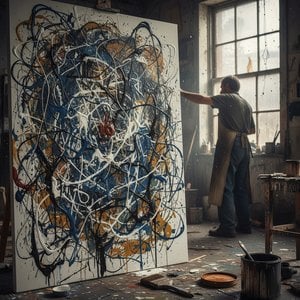
Paul Jackson Pollock: A Radical Departure – Exploring Abstract Expressionism's Pioneering Figure and His Enduring Legacy
Explore the revolutionary art of Jackson Pollock & Abstract Expressionism. Discover his iconic drip paintings, lasting impact, and considerations for collecting this pivotal American artist. Expert insights at ArtsDot.


