


 पूर्वावलोकन देखें
 भेजें
भेजें साझा करें
 विवरण देखें
 मार्गदर्शिका

 डाउनलोड करें
 समान वस्तुएं
 एक्स-रे
 स्लाइड शो देखें
 आंकड़े
Pierrot

 और पढ़ें
इस पृष्ठ पर प्रदर्शित कलाकृति कॉपीराइट कानून द्वारा संरक्षित है, जिसका अर्थ है कि हम कानूनी रूप से इसकी हूबहू प्रतिलिपि बनाने या बेचने का अधिकार नहीं रखते हैं। यह संरक्षण अंतर्राष्ट्रीय समझौतों के तहत लागू किया जाता है, जैसे कि बर्न कन्वेंशन और राष्ट्रीय कानूनों द्वारा, जिनमें % द्वारा निर्धारित कानून भी शामिल हैं। अमेरिकी कॉपीराइट कानून - शीर्षक 17।
यह विधि कॉपीराइट नियमों का पूरी तरह से पालन करती है क्योंकि इसमें संरक्षित कलाकृति की नकल या प्रतिलिपि बनाना शामिल नहीं है। इसके बजाय, यह एक रचनात्मक पुनर्व्याख्या है - एक ऐसी नई पेंटिंग जो मूल कृति से प्रेरित तो है, लेकिन उसके समान नहीं है।
गिक्ली / आर्ट प्रिंट
तेज़ उत्पादन और विभिन्न फिनिश विकल्पों के साथ म्यूजियम-क्वालिटी गिकली (giclée) या कैनवस प्रिंट। ( हाथ से बनी पेंटिंग खरीदें डिजिटल इमेज पर जाएँ)




P118B ₹10

P118H ₹10

P118W ₹10

P438Z ₹10

P508JH ₹12

P508YH ₹12

P805H ₹10

P805Z ₹10

P919BZ ₹10

P919G ₹10

P919XJ ₹10

P959ZH ₹10

P968JZ ₹12

W106C ₹8

W218G ₹10

W218JH ₹8

W218Y ₹10

W307PJ ₹10

W316G ₹10

W316PJ ₹8

W316Y ₹10

W398PJ ₹8

W4111J ₹10

W500HY ₹15

W500JH ₹15

W692G ₹12

W849H ₹8

W940BG ₹15

W953PJ ₹8




कलाकृति के मूल अनुपात से मेल खाने वाले हमारे पूर्व निर्धारित आकारों में से चुनें।

अपने फ्रेम या अपनी दीवार के अनुसार आवश्यक चौड़ाई और ऊंचाई दर्ज करें। प्रिंट को केवल काटा जा सकता है, चित्र से बड़ा कभी नहीं बनाया जा सकता, इसलिए अलग आकार का साइज चित्र का एक हिस्सा खो देता है। किसी भी चीज़ को प्रिंट करने से पहले हम आपकी स्वीकृति के लिए आपको एक डिजिटल मॉकअप भेजते हैं। इस पृष्ठ पर दिखाया गया चित्र वास्तविक कटिंग नहीं दिखाता है — केवल मॉकअप ही इसे दर्शाता है।
विश्वव्यापी डिलीवरी (), मानक 4/5 सप्ताह के बजाय मात्र 2 सप्ताह में। (23 अक्टूबर)

दुनिया भर में मुफ़्त एक्सप्रेस शिपिंग

प्रीमियम ग्रेड लिनेन कैनवास

पूर्ण शिपिंग बीमा

सीमा शुल्क और आयात कर वापसी की गारंटी

सटीक रंग मिलान की गारंटी

100 दिनों की वापसी नीति (केवल निर्माण दोष होने पर)

100% पैसे वापसी की गारंटी

थोक छूट का अवसर
 ग्लास का विकल्प केवल 110 सेमी से कम आकार में ही उपलब्ध है।

Pierrot
गिक्ली / आर्ट प्रिंट
प्रतिकृति का आकार
-


कुल मूल्य
₹ 5940
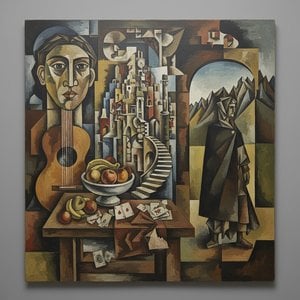
A Portrait of Melancholy Humor: Picasso’s Pierrot
Pablo Picasso's “Pierrot and Colombina,” painted in 1900, stands as a pivotal moment in the artist’s oeuvre—a deceptively simple depiction that encapsulates the burgeoning anxieties of the fin de siècle. Executed in oil on canvas, this artwork isn’t merely a visual representation; it’s an embodiment of Picasso's evolving artistic sensibilities and his profound engagement with theatrical traditions. The scene portrays Pierrot, the melancholic clown figure from Commedia dell’Arte—a tradition steeped in symbolism—seated at a table alongside Colombina, his mischievous counterpart. This pairing speaks to the duality inherent within human experience: joy juxtaposed with sorrow, innocence confronted by disillusionment. The artist's masterful technique is immediately apparent. Picasso employs Cubist principles – fragmentation and multiple perspectives – not as an end in itself but as a means of conveying emotional depth. The figures are rendered in fractured planes of color, mirroring the psychological complexities underlying their expressions. Notice how Picasso utilizes muted hues—primarily reds and whites—to create a sense of stillness and introspection, contrasting sharply with the vibrant energy of theatrical performance. This deliberate choice underscores Picasso’s desire to capture not just what is seen but also what is felt. Delving into the historical context illuminates the significance of “Pierrot and Colombina.” Painted during Picasso's Expressionist phase—a period marked by intense introspection and a preoccupation with themes of loss and suffering—the artwork reflects the broader cultural anxieties of the time. The Commedia dell’Arte tradition itself served as inspiration, exploring ideas of illusion versus reality and highlighting the precariousness of human relationships. Picasso skillfully incorporates these elements into his composition, inviting viewers to contemplate the darker side of theatrical spectacle alongside its inherent beauty.- Symbolism: Pierrot represents melancholy and vulnerability, while Colombina embodies cunning and defiance—symbols that resonate with broader philosophical concerns about identity and societal roles.
- Technique: Picasso’s Cubist approach utilizes geometric forms and overlapping planes to disrupt traditional representation, prioritizing emotional impact over literal accuracy.
- Emotional Impact: The painting evokes a feeling of quiet contemplation, prompting viewers to consider the interplay between joy and sorrow within human existence.
Additional Insights: Picasso's Influence Beyond Canvas
Consider Picasso’s broader impact on the art world. His pioneering use of Cubism irrevocably altered artistic conventions, paving the way for subsequent movements like Futurism and Constructivism. Artists worldwide recognized his innovative approach to form and color—a boldness that challenged established norms and championed subjective experience. Reproductions of “Pierrot and Colombina,” available at ArtsDot.com, offer a chance to appreciate this seminal work within the context of Picasso’s monumental contribution to modern art history.प्रश्न और उत्तर
"Pierrot" के रंग एक-दूसरे के साथ कितने सामंजस्यपूर्ण हैं?
पाब्लो पिकासो द्वारा "Pierrot" में एक Discordant Palette रंग सामंजस्य प्रदर्शित होता है।
"Pierrot" को कितने लोग देखते हैं?
पाब्लो पिकासो द्वारा "Pierrot" के बारे में आँकड़े कलाकृति के आंकड़े पृष्ठ पर उपलब्ध हैं: कलाकृति की मासिक यात्राएँ, कलाकार की कृतियों की यात्राएँ, और हाल के आगंतुकों का देश और भाषा के आधार पर विवरण।
क्या पाब्लो पिकासो द्वारा "Pierrot" सार्वजनिक डोमेन (public domain) में है?
पाब्लो पिकासो द्वारा "Pierrot" के लिए कॉपीराइट संबंधी जानकारी: यह कृति अभी भी कॉपीराइट द्वारा संरक्षित है है। इससे यह निर्धारित होता है कि क्या इस छवि की प्रतियां स्वतंत्र रूप से बनाई जा सकती हैं।
समान कलाकृतियाँ


कलाकार का परिचय
पाब्लो पिकासो की चिरस्थायी विरासत
पाब्लो रुइज़ वाई पिकासो, एक ऐसा नाम जो कलात्मक क्रांति का पर्याय है, उनका जन्म 25 अक्टूबर 1881 को मलागा, स्पेन में हुआ था। उनका अस्तित्व ही रचनात्मक अभिव्यक्ति के लिए नियत प्रतीत होता था; किंवदंती है कि उनके पहले बोले गए शब्द “पिज, पिज़” थे, जो 'पेंसिल' कहने का एक प्रयास था। इस प्रारंभिक झुकाव को उनके पिता, जोसे रुइज़ वाई ब्लास्को द्वारा पोषित किया गया, जो एक चित्रकार और कला शिक्षक थे, जिन्होंने युवा पाब्लो को बुनियादी प्रशिक्षण प्रदान किया। हालाँकि, छात्र ने जल्द ही अपने प्रशिक्षक को पीछे छोड़ दिया, और प्राकृतिक चित्रण के लिए एक उल्लेखनीय योग्यता का प्रदर्शन किया जिसने उनके भीतर छिपी असाधारण प्रतिभा का संकेत दिया। परिवार के बाद के प्रवास – पहले ए कोरुना, फिर बार्सिलोना – व्यक्तिगत त्रासदियों से चिह्नित थे, विशेष रूप से पिकासो की बहन का निधन, ऐसे अनुभव जिन्होंने सूक्ष्म रूप से उनके बाद के कार्यों में उदासी और मृत्यु दर के विषयों को भर दिया। बार्सिलोना के स्कूल ऑफ फाइन आर्ट्स में औपचारिक अध्ययन और मैड्रिड के रॉयल एकेडमी ऑफ सैन फर्नांडो में एक संक्षिप्त कार्यकाल के दौरान भी, पिकासो ने कठोर शैक्षणिक सीमाओं का विरोध किया, और इसके बजाय वेल्ज़क्वेज़ और गोया जैसे उस्तादों की कृतियों में खुद को डुबोना पसंद किया, जिससे उन्होंने कलात्मक नवाचार की ओर अपना स्वयं का मार्ग बनाया।
उदासी के नीले रंग से गुलाबी आभा तक
20वीं सदी के शुरुआती वर्षों ने पिकासो की कला में दो अलग-अलग कालखंडों का उदय देखा: नीला दौर (लगभग 1901-1904) और गुलाबी दौर (1904-1906)। नीला दौर, जो व्यक्तिगत कठिनाइयों और सामाजिक पीड़ा के प्रति गहरी संवेदनशीलता से उपजा था, नीले और नीले-हरे रंग की गंभीर छायाओं में डूबी पेंटिंग्स के लिए जाना जाता है। इन कृतियों में हाशिए पर रहने वाले पात्र – भिखारी, अंधे, वेश्याएं – एक ऐसे मर्मस्पर्शी सहानुभूति के साथ चित्रित हैं जो अलगाव और निराशा के विषयों को व्यक्त करते हैं। ला वी (1903) और द ओल्ड गिटारिस्ट (1903-1904) इस भावनात्मक रूप से आवेशित चरण के मार्मिक उदाहरण हैं। पिकासो के व्यक्तिगत जीवन में आए बदलाव और पेरिस प्रवास ने गुलाबी दौर के आगमन की घोषणा की। उनके रंगों का पैलेट काफी गर्म हो गया, जिसमें गुलाबी, नारंगी और लाल रंगों को अपनाया गया, जो एक अधिक आशावादी दृष्टिकोण को दर्शाता था। इस काल में सर्कस के कलाकारों – हार्लेक्विन, कलाबाज और पारिवारिक समूहों – के प्रति आकर्षण देखा गया, वे पात्र जो नाजुकता और लचीलेपन दोनों का प्रतीक थे। फैमिली ऑफ साल्टिम्बैंक्स (1905) इस परिवर्तन को खूबसूरती से समेटता है, जो आगे आने वाले शैलीगत अन्वेषणों की ओर संकेत करता है।
परिप्रेक्ष्य का विखंडन: क्यूबिज्म और उससे परे
वर्ष 1907 कला के इतिहास में लेस डेमोसेल्स डी’एविग्नन के निर्माण के साथ एक महत्वपूर्ण मोड़ लेकर आया। इबेरियन मूर्तिकला और अफ्रीकी मुखौटों से प्रभावित, इस क्रांतिकारी पेंटिंग ने परिप्रेक्ष्य और प्रतिनिधित्व की पारंपरिक धारणाओं को तोड़ दिया। यह सदियों पुरानी परंपराओं का एक पूर्ण त्याग था, जिसने क्यूबिज्म (घनवाद) का मार्ग प्रशकी। जॉर्जेस ब्राक के साथ घनिष्ठ सहयोग करते हुए, पिकासो ने इस क्रांतिकारी आंदोलन की सह-स्थापना की, जिससे कलाकारों द्वारा वास्तविकता को देखने और चित्रित करने के तरीके में मौलिक परिवर्तन आया। विश्लेषणात्मक क्यूबिज्म (1909-1912) में वस्तुओं को ज्यामितीय आकृतियों में विभाजित किया गया था, जिन्हें मद्धम रंगों में प्रस्तुत किया गया था, जैसे कि स्वयं रूप का विच्छेदन किया जा रहा हो। यह बाद में सिंथेटिक क्यूबिज्म (1912-1919) में विकसित हुआ, जिसमें कोलाज तत्वों – समाचार पत्रों की कतरनें, कपड़े के टुकड़े – को शामिल किया गया, जिससे बनावट और दृश्य जटिलता की नई परतें जुड़ गईं। पिकासो केवल दुनिया का प्रतिनिधित्व करने से संतुष्ट नहीं थे; उन्होंने इसे अपने तरीके से विखंडित करने और पुनर्गठित करने का प्रयास किया।
एक बेचैन प्रयोगवादी: नवशास्त्रीयवाद, अतियथार्थवाद और युद्ध
1920 के दशक में पिकासो ने संक्षिप्त रूप से नवशास्त्रीय शैलियों का अन्वेषण किया, ऐसी विशाल आकृतियाँ बनाईं जो आधुनिक संवेदनशीलता बनाए रखते हुए शास्त्रीय रूपों की प्रतिध्वनि करती थीं। साथ ही, उन्होंने उभरते हुए अतियथार्थवादी (Surrealist) आंदोलन के साथ भी जुड़ाव किया, हालांकि वे कभी भी पूरी तरह से इसके सिद्धांतों के साथ संरेखित नहीं हुए। इस अवधि के दौरान उनके कार्य ने प्रारंभिक शैलीगत प्रभावों को अतियथार्थवादी कल्पना और विकृत परिप्रेक्ष्य के साथ मिश्रित किया, जो उनके निरंतर प्रयोगों को प्रदर्शित करता है। स्पेनिश गृहयुद्ध की भयावहता ने पिकासो को गहराई से प्रभावित किया, जिसका चरमोत्कर्ष गुएर्निका (1937) के निर्माण में हुआ, जो गुएर्निका की बमबारी के प्रति एक मर्मभेदी और भावनात्मक रूप से विनाशकारी प्रतिक्रिया थी। यह स्मारकीय कृति युद्ध की अत्याचारों का एक स्थायी प्रतीक बन गई, जिसने न केवल एक कलाकार के रूप में बल्कि शांति और सामाजिक न्याय के लिए एक शक्तिशाली आवाज के रूप में पिकासो की भूमिका को सुदृढ़ किया। 1950 और 60 के दशक के दौरान, उन्होंने अटूट जिज्ञासा और कौशल के साथ सिरेमिक, मूर्तिकला और प्रिंटमेकिंग का पता लगाते हुए सीमाओं को आगे बढ़ाना जारी रखा। 1961 में जैकलिन रोके के साथ उनके विवाह ने उनके व्यक्तिगत जीवन और कलात्मक अभिव्यक्ति में एक नया आयाम जोड़ा।
एक असीमित प्रभाव
पाब्लो पिकासो का निधन 8 अप्रैल, 1973 को मौजिन्स, फ्रांस में हुआ, वे अपने पीछे कार्यों का एक आश्चर्यजनक भंडार छोड़ गए – जिसका अनुमान 50,000 से अधिक कृतियों का है – जो आज भी मंत्रमुग्ध और प्रेरित करता है। उनके कलात्मक विकास को विविध प्रभावों ने आकार दिया, जिसमें वेल्ज़क्वेज़ और गोया जैसे स्पेनिश उस्तादों से लेकर इबेरियन मूर्तिकला, अफ्रीकी कला और हेनरी मातिस के जीवंत रंग पैलेट तक शामिल थे। 20वीं सदी की कला पर उनका प्रभाव असीमित है। उन्होंने क्यूबिज्म की सह-स्थापना की, कोलाज और निर्मित मूर्तिकला का नेतृत्व किया, और लगातार कलात्मक परंपराओं को चुनौती दी। पिकासो के निरंतर प्रयोगों ने आधुनिक कला को पुनरपरिभाषित किया, कलाकारों की पीढ़ियों पर एक अमिट छाप छोड़ी और इतिहास के सबसे महत्वपूर्ण और प्रभावशाली व्यक्तित्वों में से एक के रूप में अपनी स्थिति मजबूत की। उनकी विरासत कैनवास से परे तक फैली हुई है, जो समकालीन संस्कृति के अनगिनत पहलुओं में गूंजती है और हमें कलात्मक दृष्टि की परिवर्तनकारी शक्ति की याद दिलाती है।

पाब्लो पिकासो
1881 - 1973 , स्पेन
संक्षिप्त जानकारी
- Artistic Movement Or Style: क्यूबिज्म, अतियथार्थवाद
- Artists Or Movements Influenced By This Artist:
- क्यूबिज्म
- आधुनिक कला
- Artists Who Influenced This Artist:
- वेलज़क्वेज़
- गोया
- मातिस
- Date Of Birth: 25 अक्टूबर 1881
- Date Of Death: 8 अप्रैल 1973
- Full Name: पाब्लो रुइज़ पिकासो
- Nationality: स्पेनिश
- Notable Artworks:
- लेस डेमेइसल्स डी'एविग्नन
- ग्वेर्निका
- द ओल्ड गिटारिस्ट
- ला विए
- फैमिली ऑफ़ साल्टिम्बैंक्स
- Place Of Birth: मलागा, स्पेन
संबंधित लेखों की सूची

Cubist Portraits: 10 Masterpieces That Revolutionized Art | ArtsDot
Explore 10 revolutionary Cubist portraits by Picasso, Braque & more! Discover the stories behind these iconic paintings and how they shaped modern art. Find museum-quality reproductions to elevate your home decor on ArtsDot.com.

Pablo Picasso: A Revolutionary Vision – Cubism, Symbolism & Enduring Legacy
Explore the revolutionary art of Pablo Picasso with ArtsDot.com. Discover Cubism's origins, symbolism in his masterpieces & investment insights for collectors. Expert appraisal & custom reproductions available.

Deconstructing Reality: Cubism's Revolutionary Impact on 20th-Century Art
Explore the revolutionary world of Cubism with ArtsDot. Discover Picasso & Braque's groundbreaking techniques, its philosophical roots, and lasting impact on modern art. Expert insights for collectors.
Cubist Expression: 10 Masterpieces That Revolutionized Modern Art | ArtsDot
Explore 10 Cubist masterpieces by Picasso, Braque & more! Discover the stories behind these revolutionary paintings and their impact on modern art. Find museum-quality reproductions for your home at ArtsDot.com – where art comes to life.

Cubism's Revolution: 10 Masterpieces That Redefined Modern Art | ArtsDot
Explore 10 Cubist masterpieces by Picasso, Braque & more! Delve into the history of this revolutionary art movement. Find museum-quality reproductions and elevate your home decor with ArtsDot. Discover all masterpieces on ArtsDot.com


