


 पूर्वावलोकन देखें
 भेजें
भेजें साझा करें
 विवरण देखें
 मार्गदर्शिका

 डाउनलोड करें
 समान वस्तुएं
 एक्स-रे
 स्लाइड शो देखें
 आंकड़े
Nymphéas

 और पढ़ें
इस पृष्ठ पर प्रदर्शित कलाकृति कॉपीराइट कानून द्वारा संरक्षित है, जिसका अर्थ है कि हम कानूनी रूप से इसकी हूबहू प्रतिलिपि बनाने या बेचने का अधिकार नहीं रखते हैं। यह संरक्षण अंतर्राष्ट्रीय समझौतों के तहत लागू किया जाता है, जैसे कि बर्न कन्वेंशन और राष्ट्रीय कानूनों द्वारा, जिनमें % द्वारा निर्धारित कानून भी शामिल हैं। अमेरिकी कॉपीराइट कानून - शीर्षक 17।
यह विधि कॉपीराइट नियमों का पूरी तरह से पालन करती है क्योंकि इसमें संरक्षित कलाकृति की नकल या प्रतिलिपि बनाना शामिल नहीं है। इसके बजाय, यह एक रचनात्मक पुनर्व्याख्या है - एक ऐसी नई पेंटिंग जो मूल कृति से प्रेरित तो है, लेकिन उसके समान नहीं है।
गिक्ली / आर्ट प्रिंट
तेज़ उत्पादन और विभिन्न फिनिश विकल्पों के साथ म्यूजियम-क्वालिटी गिकली (giclée) या कैनवस प्रिंट। ( हाथ से बनी पेंटिंग खरीदें डिजिटल इमेज पर जाएँ)




P118B ₹10

P118H ₹10

P118W ₹10

P438Z ₹10

P508JH ₹12

P508YH ₹12

P805H ₹10

P805Z ₹10

P919BZ ₹10

P919G ₹10

P919XJ ₹10

P959ZH ₹10

P968JZ ₹12

W106C ₹8

W218G ₹10

W218JH ₹8

W218Y ₹10

W307PJ ₹10

W316G ₹10

W316PJ ₹8

W316Y ₹10

W398PJ ₹8

W4111J ₹10

W500HY ₹15

W500JH ₹15

W692G ₹12

W849H ₹8

W940BG ₹15

W953PJ ₹8




कलाकृति के मूल अनुपात से मेल खाने वाले हमारे पूर्व निर्धारित आकारों में से चुनें।

अपने फ्रेम या अपनी दीवार के अनुसार आवश्यक चौड़ाई और ऊंचाई दर्ज करें। प्रिंट को केवल काटा जा सकता है, चित्र से बड़ा कभी नहीं बनाया जा सकता, इसलिए अलग आकार का साइज चित्र का एक हिस्सा खो देता है। किसी भी चीज़ को प्रिंट करने से पहले हम आपकी स्वीकृति के लिए आपको एक डिजिटल मॉकअप भेजते हैं। इस पृष्ठ पर दिखाया गया चित्र वास्तविक कटिंग नहीं दिखाता है — केवल मॉकअप ही इसे दर्शाता है।
विश्वव्यापी डिलीवरी (), मानक 4/5 सप्ताह के बजाय मात्र 2 सप्ताह में। (20 अक्टूबर)

दुनिया भर में मुफ़्त एक्सप्रेस शिपिंग

प्रीमियम ग्रेड लिनेन कैनवास

पूर्ण शिपिंग बीमा

सीमा शुल्क और आयात कर वापसी की गारंटी

सटीक रंग मिलान की गारंटी

100 दिनों की वापसी नीति (केवल निर्माण दोष होने पर)

100% पैसे वापसी की गारंटी

थोक छूट का अवसर
 ग्लास का विकल्प केवल 110 सेमी से कम आकार में ही उपलब्ध है।

Nymphéas
गिक्ली / आर्ट प्रिंट
प्रतिकृति का आकार
-


कुल मूल्य
₹ 5944
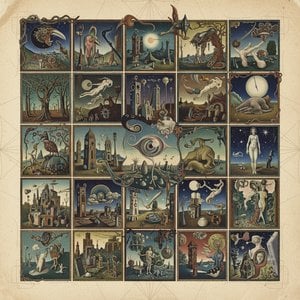
Nymphéas: A Surrealist Echo of Myth and Memory
Max Ernst’s *Nymphéas*, painted in 1956, stands as a testament to the enduring fascination with dreams, nature, and the subconscious—themes central to Ernst’s groundbreaking contribution to Surrealism. This monumental canvas captures a sprawling field of lily pads bathed in ethereal light, an image instantly recognizable from Ernst's prolific output during his Parisian years.
- Subject Matter: The painting depicts a serene landscape dominated by water lilies—a motif deeply rooted in Impressionist art but transformed into something profoundly symbolic under Ernst’s visionary gaze.
- Style & Technique: Ernst employed his signature frottage technique, rubbing textured surfaces like paper or fabric onto canvas to generate unpredictable patterns and textures that serve as a springboard for imaginative composition. The resulting surface is rich with subtle variations in color and tone, creating an atmosphere of hazy beauty.
- Historical Context: Created during the height of Surrealist experimentation—following the devastation of World War II—*Nymphéas* reflects the movement’s preoccupation with confronting anxieties about existence and exploring the realm of irrational thought. Ernst's work aligns closely with Yves Tanguy’s exploration of desolate landscapes and Ursula Fischer’s sculptural explorations of form and materiality, establishing a dialogue between artists grappling with similar conceptual concerns.
The composition is deliberately ambiguous, prioritizing mood over precise representation. Two umbrellas positioned on opposite sides of the canvas add an element of visual intrigue, subtly framing the lily pads and hinting at a sense of protection or contemplation. Ernst’s masterful use of color—primarily shades of green, white, and pale yellow—evokes the stillness of twilight and imbues the scene with a palpable emotional resonance.
Beyond its aesthetic qualities, *Nymphéas* operates on multiple levels of symbolism. The lily pads themselves represent rebirth and regeneration—a recurring motif in Ernst’s oeuvre—while the ghostly presence of the nude female figure suggests an allusion to classical mythology, specifically Echo from Homer's Odyssey. Her posture embodies vulnerability yet also conveys a quiet dignity, mirroring the painting’s overall contemplative spirit.
Considered alongside other works by Ernst and fellow Surrealists like Yves Tanguy and Urs Fischer, *Nymphéas* exemplifies the movement’s ambition to liberate art from rational constraints and tap into the deepest recesses of human consciousness. Its enduring appeal lies in its ability to transport viewers to a realm where imagination reigns supreme—a legacy that continues to inspire artists and collectors alike.
Further Exploration
- View the Artwork Database: Explore detailed information about *Nymphéas*, including its dimensions and provenance.
- Discover Artists Like Ernst: Examine the interconnected artistic visions of Ernst, Tanguy & Fischer—Swiss artist Urs Fischer creates playful sculptures, photography & more – discover his unique vision.
- Explore Max Ernst’s Artistic Journey: Delve into Ernst's biography and artistic evolution, highlighting his pioneering use of frottage and his exploration of psychological themes.
- Explore Ernst Fuchs: A Visionary of Fantastic Realism: Learn about the Vienna School of Fantastic Realism and its influence on Ernst’s distinctive style.
- MOMA Exhibition:Max Ernst. The Nymph Echo ( La Nymphe Écho). Paris 1936 - MoMA: Examine *Nymphéas* within the context of a major retrospective showcasing Ernst’s oeuvre.
- Auction Record:Nymphéas by Max Ernst on Christie's: Discover the auction history of *Nymphéas* and its significance within the art market.
प्रश्न और उत्तर
"Nymphéas" में किस प्रकार के रंगों का उपयोग किया गया है?
"Nymphéas" के रंग एक Neutrals पैलेट बनाते हैं। यह वर्गीकरण प्रमुख रंग परिवारों का वर्णन करता है।
क्या "Nymphéas" में प्रकाश और छाया का गहरा कंट्रास्ट (contrast) दिखाई देता है?
मैक्स अर्न्स्ट द्वारा "Nymphéas" के प्रकाशमय और गहरे क्षेत्रों के बीच एक Serene कंट्रास्ट दिखाई देता है।
मैक्स अर्न्स्ट द्वारा "Nymphéas" के रंगों के साथ कौन सा स्थान मेल खाता है?
मैक्स अर्न्स्ट द्वारा "Nymphéas" के Neutrals रंग इसके अनुशंसित स्थान: एक Living Room के साथ मेल खाते हैं।
समान कलाकृतियाँ


कलाकार का परिचय
मैक्स अर्न्स्ट: स्वप्निल कल्पनाओं का पथप्रदर्शक
मैक्स अर्न्स्ट, जिनका जन्म 2 अप्रैल, 1891 को ब्रुहल, जर्मनी में हुआ था, बीसवीं सदी के सबसे महत्वपूर्ण और प्रभावशाली कलाकारों में से एक थे। उनका जीवन कलात्मक खोजों, दार्शनिक चिंतन और सामाजिक मानदंडों के प्रति गहरी अस्वीकृति का मिश्रण था। उनके पिता, जो बधिरों के शिक्षक और शौकिया चित्रकार थे, ने उनमें दुनिया के प्रति संवेदनशीलता और स्थापित सत्ता के खिलाफ विद्रोह की भावना पैदा की। यह द्वैत उनकी कलात्मक दृष्टि को परिभाषित करता रहा। उन्होंने बोन विश्वविद्यालय में दर्शनशास्त्र, कला इतिहास, साहित्य, मनोविज्ञान और मनोचिकित्सा का अध्ययन किया, जिसने उनके बाद के कार्यों को गहराई से प्रभावित किया। वे केवल यह जानने में रुचि नहीं रखते थे कि कैसे पेंट करना है; वे यह समझने की कोशिश कर रहे थे कि क्यों पेंट करना है।
प्रथम विश्व युद्ध ने अर्न्स्ट के जीवन में एक महत्वपूर्ण मोड़ लाया। पूर्वी और पश्चिमी मोर्चों पर सैनिक के रूप में उनके अनुभवों ने उन्हें स्थापित व्यवस्था के प्रति गहरी अविश्वास पैदा किया और अभिव्यक्ति के नए तरीकों की तलाश करने के लिए प्रेरित किया। यह निराशा 1918 में जर्मनी में उभरे दादा आंदोलन में पनपी, जिसके वे एक प्रमुख सदस्य बन गए। दादावाद ने पारंपरिक कलात्मक सम्मेलनों को खारिज कर दिया और मूर्खता, संयोग और तर्कहीनता को अपनाया। अर्न्स्ट ने हंस आरप के साथ मिलकर काम किया, जो उनके जीवन भर के दोस्त और सहयोगी बने रहे। बाद में उन्होंने पेरिस जाकर सर्रियलिज़्म (Surrealism) आंदोलन से जुड़ गए, जहाँ उन्होंने सपनों की दुनिया, अवचेतन मन और अतार्किकता का पता लगाना शुरू कर दिया। सिग्मंड फ्रायड के मनोविश्लेषणात्मक सिद्धांतों से प्रभावित होकर, अर्न्स्ट ने अपनी कला के माध्यम से मानव अनुभव की छिपी गहराइयों को उजागर करने की कोशिश की।
तकनीकी नवाचार: फ्रोटेज, ग्राटेज और कोलाज
अर्न्स्ट की कलात्मक नवीनता विषय वस्तु से परे थी; वे तकनीक के साथ लगातार प्रयोग करते रहे। उन्होंने मौजूदा तरीकों को अपनाने के बजाय नई तकनीकों का आविष्कार किया। उनकी सबसे प्रसिद्ध योगदानों में से एक फ्रोटेज है - एक ऐसी प्रक्रिया जिसमें विभिन्न बनावट वाली सतहों पर पेंसिल या चारकोल रगड़ा जाता है ताकि अप्रत्याशित और मार्मिक छवियां बनाई जा सकें। यह तकनीक, जो लकड़ी की दादरा को देखते हुए ऊबने के क्षण से उत्पन्न हुई थी, ने उन्हें अवचेतन मन में टैप करने और उन रूपों को उत्पन्न करने की अनुमति दी जो सचेत नियंत्रण को चुनौती देते हैं। निकटता से संबंधित ग्राटेज था, जिसमें कैनवास पर पेंट को खुरचकर नीचे की परतों को उजागर किया जाता है।
उन्होंने कुशलतापूर्वक कोलाज का भी उपयोग किया, पत्रिकाओं, वैज्ञानिक चित्रों और तस्वीरों से अलग-अलग तत्वों को जोड़कर अवास्तविक रचनाएँ बनाईं जो प्रतिनिधित्व की पारंपरिक धारणाओं को चुनौती देती हैं। ये तकनीकें केवल शैलीगत विकल्प नहीं थीं; वे अवचेतन मन की खोज और कलात्मक सीमाओं को बाधित करने की उनकी इच्छा के अभिन्न अंग थे। उनकी पेंटिंग में अक्सर आवर्ती प्रतीकात्मक कल्पना होती है: पक्षी (विशेष रूप से उनके व्यक्तित्व लोप्लोप), बंजर परिदृश्य, परेशान करने वाले संयोजन और रहस्य की एक सर्वव्यापी भावना।
कलात्मक विकास और प्रभाव
द्वितीय विश्व युद्ध के प्रकोप ने अर्न्स्ट को यूरोप छोड़ने के लिए मजबूर कर दिया, जिसने उन्हें संयुक्त राज्य अमेरिका में शरण दी। उन्होंने अपनी निर्वासन के दौरान भी नई तकनीकों के साथ पेंटिंग और प्रयोग करना जारी रखा, अंततः युद्ध के बाद फ्रांस लौट आए जहाँ वह अपनी मृत्यु तक सक्रिय रहे। उनकी कला का बाद की पीढ़ियों के कलाकारों पर असीम प्रभाव पड़ा है। अर्न्स्ट ने दादा और सर्रियलिज़्म में अपने योगदान से कलात्मक मानदंडों को चुनौती दी, मानव मन की गहराई में उतरे और नवीन तकनीकों का आविष्कार किया जो आज भी कलाकारों को प्रेरित करती हैं। वे केवल एक चित्रकार ही नहीं थे; वे एक खोजकर्ता, एक उत्तेजक और एक दूरदर्शी थे जिन्होंने स्वयं कला की सीमाओं का विस्तार किया।
प्रमुख कृतियाँ
- संपूर्ण शहर
- यूक्लिडेस
- मृत्यु संस्कार
- वन और कबूतर
प्रभाव और विरासत
मैक्स अर्न्स्ट की कला ने पीढ़ियों के कलाकारों को प्रेरित किया है, और उनकी तकनीकों का उपयोग आज भी व्यापक रूप से किया जाता है। उन्होंने सर्रियलिज़्म (Surrealism) आंदोलन में महत्वपूर्ण योगदान दिया और कलात्मक अभिव्यक्ति के नए रास्तों को खोल दिया। उनकी विरासत आधुनिक कला के इतिहास में हमेशा जीवित रहेगी।

मैक्स अर्न्स्ट
1891 - 1976 , जर्मनी
संक्षिप्त जानकारी
- कलात्मक शैली: दादा, अतियथार्थवाद
- जन्म तिथि: 1 अप्रैल 1891
- जन्म स्थान: ब्रühl, जर्मनी
- पूरा नाम: मैक्स अर्न्स्ट
- प्रभावित आंदोलन:
- अतियथार्थवाद
- दादा
- प्रभावित कलाकार:
- पाब्लो पिकासो
- विन्सेंट वैन गॉग
- पॉल गौगिन
- जॉर्जियो डी चिरिको
- प्रमुख कलाकृतियाँ:
- एंटायर सिटी
- यूक्लिड्स
- वन एंड डोव
- मृत्यु तिथि: 1 अप्रैल 1976
- राष्ट्रीयता: जर्मन-अमेरिकी, फ्रांसीसी
संबंधित लेखों की सूची
मैक्स अर्न्स्ट की शीर्ष 25 कलाकृतियाँ: स्वप्निल सौंदर्य और आधुनिक कला का सफर | ArtsDot
मैक्स अर्न्स्ट की शीर्ष 25 कलाकृतियों का अन्वेषण करें! अतियथार्थवाद और दादावाद के जादू में खो जाएं। ArtsDot पर उच्च गुणवत्ता वाले कैनवास प्रिंट और दीवार सजावट खरीदें। कला इतिहास, प्रेरणा और अद्वितीय डिज़ाइन खोजें। अभी देखें!

रोमांटिक कला: 10 उत्कृष्ट लैंडस्केप कृतियाँ जो परिभाषित करती हैं | ArtsDot
रोमांटिक लैंडस्केप पेंटिंग की 10 उत्कृष्ट कृतियाँ! जानें कैस्पर डेविड फ्रेडरिक, टर्नर जैसे कलाकारों के बारे में और कला के इतिहास को समझें। ArtsDot.com पर उच्च गुणवत्ता वाले आर्ट रिप्रोडक्शन और सजावट के विचार खोजें।

Evocations of Place: A Historical Journey Through Landscape Art
Explore the rich history of landscape art with ArtsDot. Discover renowned artists, movements like Impressionism & tonalism, and expert guidance for collecting timeless pieces. Find your perfect serene escape today!

जॉन कॉन्स्टेबल की शीर्ष 25 कलाकृतियाँ: प्रकृति का सौंदर्य और भावनात्मक गहराई | ArtsDot
जॉन कॉन्स्टेबल की शीर्ष 25 कलाकृतियों का अन्वेषण करें! ग्रामीण इंग्लैंड के रोमांटिक परिदृश्य, हे वेन और स्टूर नदी के सुंदर चित्रण। उच्च गुणवत्ता वाले कला प्रिंट और दीवार सजावट के लिए ArtsDot.com पर संग्रह देखें।

Evocations of Place: A Historical Journey Through Landscape Art
Explore the rich history of landscape art with ArtsDot. Discover renowned artists, movements like Impressionism & Romanticism, and expert guidance for collecting timeless pieces. Find your perfect serene escape today!


