


 पूर्वावलोकन देखें
 भेजें
भेजें साझा करें
 विवरण देखें
 मार्गदर्शिका

 डाउनलोड करें
 समान वस्तुएं
 एक्स-रे
 स्लाइड शो देखें
 आंकड़े
Three


 और पढ़ें
इस पृष्ठ पर प्रदर्शित कलाकृति कॉपीराइट कानून द्वारा संरक्षित है, जिसका अर्थ है कि हम कानूनी रूप से इसकी हूबहू प्रतिलिपि बनाने या बेचने का अधिकार नहीं रखते हैं। यह संरक्षण अंतर्राष्ट्रीय समझौतों के तहत लागू किया जाता है, जैसे कि बर्न कन्वेंशन और राष्ट्रीय कानूनों द्वारा, जिनमें % द्वारा निर्धारित कानून भी शामिल हैं। अमेरिकी कॉपीराइट कानून - शीर्षक 17।
यह विधि कॉपीराइट नियमों का पूरी तरह से पालन करती है क्योंकि इसमें संरक्षित कलाकृति की नकल या प्रतिलिपि बनाना शामिल नहीं है। इसके बजाय, यह एक रचनात्मक पुनर्व्याख्या है - एक ऐसी नई पेंटिंग जो मूल कृति से प्रेरित तो है, लेकिन उसके समान नहीं है।
गिक्ली / आर्ट प्रिंट
तेज़ उत्पादन और विभिन्न फिनिश विकल्पों के साथ म्यूजियम-क्वालिटी गिकली (giclée) या कैनवस प्रिंट। ( हाथ से बनी पेंटिंग खरीदें डिजिटल इमेज पर जाएँ)




P118B ₹10

P118H ₹10

P118W ₹10

P438Z ₹10

P508JH ₹12

P508YH ₹12

P805H ₹10

P805Z ₹10

P919BZ ₹10

P919G ₹10

P919XJ ₹10

P959ZH ₹10

P968JZ ₹12

W106C ₹8

W218G ₹10

W218JH ₹8

W218Y ₹10

W307PJ ₹10

W316G ₹10

W316PJ ₹8

W316Y ₹10

W398PJ ₹8

W4111J ₹10

W500HY ₹15

W500JH ₹15

W692G ₹12

W849H ₹8

W940BG ₹15

W953PJ ₹8




कलाकृति के मूल अनुपात से मेल खाने वाले हमारे पूर्व निर्धारित आकारों में से चुनें।

आप किसी विशिष्ट फ्रेम या स्थान के अनुसार अपने स्वयं के आयाम (dimensions) दर्ज कर सकते हैं। यदि आपके द्वारा चुना गया आकार मूल छवि के अनुपात से मेल नहीं खाता है, तो हम कलाकृति को क्रॉप कर देंगे या मिरर किए गए या सॉलिड-फिल किनारे के साथ छवि का विस्तार करेंगे। उत्पादन शुरू होने से पहले आपकी स्वीकृति के लिए एक डिजिटल मॉकअप भेजा जाएगा।
कृपया ध्यान दें कि स्क्रीन पर दिखने वाला प्रीव्यू वास्तविक क्रॉपिंग या विस्तार को नहीं दर्शाता है। केवल मॉकअप ही अंतिम संरचना को सटीक रूप से दिखाएगा।
हालाँकि कस्टम आकार उपलब्ध हैं, फिर भी हम मूल अनुपात बनाए रखने के लिए पूर्व-निर्धारित सूची में से एक आयाम चुनने की सलाह देते हैं।
विश्वव्यापी डिलीवरी (), मानक 4/5 सप्ताह के बजाय मात्र 2 सप्ताह में। (11 अक्टूबर)

दुनिया भर में मुफ़्त एक्सप्रेस शिपिंग

प्रीमियम ग्रेड लिनेन कैनवास

पूर्ण शिपिंग बीमा

सीमा शुल्क और आयात कर वापसी की गारंटी

सटीक रंग मिलान की गारंटी

100 दिनों की वापसी नीति (केवल निर्माण दोष होने पर)

100% पैसे वापसी की गारंटी

थोक छूट का अवसर
 ग्लास का विकल्प केवल 110 सेमी से कम आकार में ही उपलब्ध है।

Three
गिक्ली / आर्ट प्रिंट
प्रतिकृति का आकार
-


कुल मूल्य
₹ 5923
A Symphony of Color: Exploring Mark Rothko’s “Three”
Mark Rothko, a pivotal figure in the evolution of post-war American art, invites us into a deeply contemplative space with his 1951 painting, "Three." This work isn't about *what* is depicted, but rather *how* it is experienced – a hallmark of the Abstract Expressionist movement and Rothko’s signature Color Field style.The Artist and His Vision
Born Markus Yakovlevich Rothkowitz in Latvia, Rothko (1903-1970) immigrated to the United States as a child. This experience of displacement and cultural transition profoundly shaped his artistic sensibility. Initially working with figurative subjects, he gradually moved towards abstraction, seeking to express fundamental human emotions through pure color. He believed art should be an intensely personal encounter, stripping away representational elements to reveal universal truths. Rothko wasn’t interested in merely painting a picture; he aimed to create an *experience*.Deconstructing “Three”: Style and Technique
“Three” exemplifies Rothko's mature style. The canvas is dominated by three large, rectangular blocks of color – deep reds, maroons, and blacks – floating against a darker background. These aren’t sharply defined shapes; instead, the edges are soft and blurred, achieved through layers of thinly applied paint. This technique creates a luminous quality, as if the colors emanate from within the canvas itself. Rothko's application wasn’t about precise brushwork but rather a meditative layering process, allowing color to interact and breathe. The scale of the work is also crucial; it’s intended to envelop the viewer, creating an immersive environment.Historical Context: Abstract Expressionism
“Three” emerged during a period of significant artistic upheaval in New York City. Abstract Expressionism, born from the anxieties and energies of post-World War II America, rejected traditional artistic conventions. Artists like Jackson Pollock, Arshile Gorky, and Willem de Kooning sought to express inner states through spontaneous gesture and non-representational forms. Influenced by European movements such as Futurism, the Bauhaus, and Synthetic Cubism, Abstract Expressionism marked a decisive break from the past, establishing New York as a global art center. Rothko’s contribution was to distill this energy into fields of color that evoked profound emotional responses.Symbolism and Emotional Resonance
While Rothko resisted explicit interpretations of his work, “Three” is often seen as evoking feelings of solemnity, contemplation, and even tragedy. The dark hues can suggest a sense of melancholy or the vastness of human existence. The stacked rectangles might be interpreted as representing figures, architectural forms, or simply pure color relationships. Ultimately, the meaning resides in the viewer’s personal response. Rothko intended his paintings to be experienced viscerally, prompting introspection and emotional connection. The painting's power lies in its ambiguity – it doesn’t *tell* you what to feel; it allows you to *feel*.“Three” as a Design Element
For interior designers, Rothko’s “Three” offers a powerful statement piece. Its rich color palette and large scale can anchor a room, creating a focal point that draws the eye. The painting's contemplative nature lends itself well to spaces designed for relaxation and reflection – living rooms, libraries, or meditation areas. The artwork pairs beautifully with minimalist furnishings and neutral tones, allowing the colors to truly shine. A high-quality reproduction captures the essence of Rothko’s vision, bringing a touch of artistic sophistication to any environment.- Key Movement: Abstract Expressionism, Color Field Painting
- Notable contemporaries: Jackson Pollock, Willem de Kooning, Clyfford Still.
- Further Exploration: The Rothko Chapel in Houston offers a unique immersive experience with Rothko’s work.
प्रश्न और उत्तर
"Three" का विषय मार्क रोथको के सामान्य विषयों से किस प्रकार संबंधित है?
मार्क रोथको के दर्ज विषयों - european avant-garde, futurism, bauhaus, cubism, color theory exploration, emotional expression", spiritual contemplation, existential themes - के बीच, "Three" में color field painting, abstract expressionism, red and maroon colors, emotional art”, “geometric forms”, “dark background”, “rothko style” पर अपना स्वयं का विशेष ध्यान केंद्रित किया गया है।
मैं मार्क रोथको द्वारा "Three" का प्रिंट कहाँ से खरीद सकता हूँ?
मार्क रोथको द्वारा "Three" का प्रिंट सीधे यह पृष्ठ पर ऑर्डर किया जा सकता है: कॉटन कैनवास या आर्काइवल कैनवास पेपर पर एक फाइन आर्ट प्रिंट।
"Three" के पीछे के कलाकार कौन हैं?
"Three" का श्रेय मार्क रोथको को दिया जाता है।
मार्क रोथको द्वारा "Three" की हाथ से पेंट की गई प्रतियां कौन बेचता है?
मार्क रोथको द्वारा "Three" की हाथ से पेंट की गई प्रतियां यह वेबसाइट पर बिक्री के लिए उपलब्ध हैं: लिनन कैनवास पर हाथ से पेंट किया गया एक ऑयल रिप्रोडक्शन, जिन्हें यह पृष्ठ से ऑर्डर किया जा सकता है।
"Three" में कंट्रास्ट (विपरीतता) और सामंजस्य किस प्रकार एक साथ मिलते हैं?
मार्क रोथको द्वारा "Three" का रंग संयोजन एक Statement विरोधाभास के साथ Strong Color Unity सामंजस्य को जोड़ता है।
मार्क रोथको द्वारा "Three" का ओरिएंटेशन (orientation) क्या है?
मार्क रोथको द्वारा "Three" एक Landscape रचना है। प्रिंट का आकार चुनने से पहले इसके अनुपात की जांच करना उचित होगा।
मार्क रोथको द्वारा "Three" की विशेषता बताने वाली तकनीक और शैली क्या है?
"Three" में, Acrylic On Canvas तकनीक और Abstract Expressionism आंदोलन का संगम देखने को मिलता है।
समान कलाकृतियाँ


कलाकार का परिचय
मार्क्स रोथको: रंग और भावना का एक जीवन
मार्क्स याकोवलेविच रोथकोविट्ज़, जिन्हें हम मार्क रोथको के नाम से जानते हैं, 25 सितंबर, 1903 को लातविया के दौगाउपिल्स में जन्मे थे। उनका जीवन विस्थापन और अस्तित्वगत खोज की कहानी है, जो उनके कलात्मक कार्यों में गहराई से प्रतिबिंबित होती है। एक ऐसे परिवार में पैदा हुए जिसने राजनीतिक अशांति और भेदभाव का अनुभव किया था, रोथको ने बचपन से ही मानवीय पीड़ा और अनिश्चितता को महसूस किया। 1913 में अपने परिवार के साथ अमेरिका आकर उन्होंने पोर्टलैंड, ओरेगन में नया जीवन शुरू किया, लेकिन यह बदलाव उनके लिए सांस्कृतिक उथल-पुथल लेकर आया। येल विश्वविद्यालय में अध्ययन के बाद, उन्होंने न्यूयॉर्क शहर की ओर रुख किया, जहाँ कला के प्रति उनका जुनून उन्हें आर्ट स्टूडेंट्स लीग में ले गया। शुरुआती दौर में, रोथको ने शहरी दृश्यों और पोर्ट्रेट को चित्रित करने का प्रयास किया, लेकिन जल्द ही वे अमूर्तता की ओर आकर्षित हुए, जो द्वितीय विश्व युद्ध के बाद के युग की चिंता और अनिश्चितता को दर्शाती थी।अमूर्तता की ओर यात्रा: प्रतीकवाद से रंग क्षेत्र तक
रोथको की कलात्मक यात्रा ने उन्हें सुरियलिज्म और पौराणिक कथाओं से प्रभावित करते हुए प्रतीकात्मक रूपों की खोज करने के लिए प्रेरित किया। 1940 के दशक में, उन्होंने बहु-रूप चित्रों का निर्माण किया, जिनमें अस्पष्ट, जीववैज्ञानिक आकृतियाँ थीं जो प्रतिनिधित्व और अमूर्तता के बीच झूलती प्रतीत होती थीं। ये चित्र केवल रूप प्रयोग नहीं थे; वे युद्धग्रस्त दुनिया की चिंताओं और अनिश्चितताओं के प्रति गहरी प्रतिक्रियाएं थीं। धीरे-धीरे, उन्होंने अपने विशिष्ट शैली को विकसित किया: बड़ी कैनवसें जिनमें शुद्ध रंगों के आयताकार ब्लॉक होते हैं जो एक साथ तैरते और गूंजते प्रतीत होते हैं। उन्होंने पहचानने योग्य किसी भी चीज़ के अवशेषों को हटा दिया, रंग और रूप की विशुद्ध भावनात्मक प्रभाव पर ध्यान केंद्रित किया। यह अमूर्त अभिव्यक्तिवाद के विकास में एक महत्वपूर्ण क्षण था, जिसने रोथको को इस अभूतपूर्व आंदोलन में अग्रणी बना दिया।रंग क्षेत्र: भावनाओं का गहरा अनुभव
रोथको की परिपक्व कला "रंग क्षेत्र" चित्रकला से परिभाषित होती है - चमकदार रंगों के विशाल विस्तार जो दर्शक को एक गहन अनुभव में डुबो देते हैं। ये चित्र *क्या* दर्शाते हैं, इसके बारे में नहीं हैं, बल्कि वे आपको *कैसे* महसूस कराते हैं, इसके बारे में हैं। रोथको का मानना था कि कला को बौद्धिक विश्लेषण को दरकिनार करते हुए सीधे भावनाओं से जुड़ना चाहिए। उन्होंने पतले रंग के धोवों को सावधानीपूर्वक परतदार बनाया, जिससे टोन और बनावट में सूक्ष्म विविधताएँ उत्पन्न हुईं जो कैनवस के भीतर से निकलने वाली प्रतीत होती थीं। उनके आयताकार रूपों की किनारों को अक्सर धुंधला कर दिया जाता है, जिससे वे एक दूसरे के साथ मिल जाते हैं और घुलमिल जाते हैं, गहराई और गति का एहसास कराते हैं। रोथको ने जानबूझकर केवल संख्याओं के अलावा कोई शीर्षक नहीं दिया - "नंबर 1", "नंबर 6" - दर्शकों को पूर्वकल्पित धारणाओं के बिना चित्रों का सामना करने और अपनी भावनाओं से निर्देशित अनुभव की अनुमति देने के लिए प्रोत्साहित किया। उनका लक्ष्य चिंतन के लिए एक स्थान बनाना था, एक अभयारण्य जहाँ दर्शक स्वयं से बड़ी किसी चीज़ के साथ जुड़ सकें।प्रमुख उपलब्धियाँ और स्थायी विरासत
रोथको की सबसे महत्वपूर्ण उपलब्धियों में से एक "नंबर 10 (1950)" है, जो उनके विकसित हो रहे शैली का प्रतीक है, और सीग्राम भित्ति चित्र (1958) हैं। न्यूयॉर्क शहर के फोर सीजन्स रेस्तरां के लिए कमीशन किए गए इन भित्ति चित्रों को रोथको ने अंततः अस्वीकार कर दिया, क्योंकि उन्हें डर था कि वे अपने इच्छित वातावरण से समझौता करेंगे। इसके बजाय, उन्होंने उन्हें टेट गैलरी में लंदन को दान कर दिया, जहाँ वे आज भी विस्मय और चिंतन को प्रेरित करते हैं। शायद उनका सबसे महत्वाकांक्षी प्रोजेक्ट ह्यूस्टन, टेक्सास में रोथको चैपल (1971) था - एक गैर-संप्रदायवादी अभयारण्य जिसमें उनके चौदह चित्र शामिल थे। शांत प्रतिबिंब के लिए डिज़ाइन किया गया यह चैपल कई लोगों के लिए एक पवित्र स्थान माना जाता है, जो रोथको के कला की आध्यात्मिक शक्ति में विश्वास को दर्शाता है। रोथको का प्रभाव बाद की पीढ़ियों के कलाकारों पर बहुत गहरा रहा है। उन्होंने मिनिमलिस्ट कला के लिए मार्ग प्रशस्त किया और समकालीन चित्रकारों को प्रेरित करना जारी रखते हैं जो अमूर्तता की भावनात्मक संभावनाओं का पता लगाते हैं। जीवन भर अवसाद से जूझने के बावजूद, जिसके परिणामस्वरूप 1970 में उनकी दुखद आत्महत्या हो गई, मार्क रोथको 20वीं सदी के सबसे महत्वपूर्ण और प्रभावशाली कलाकारों में से एक बने हुए हैं - रंग के स्वामी जिनकी रचनाएँ आज भी दुनिया भर के दर्शकों को प्रेरित करती हैं।भावनात्मक प्रतिध्वनि की स्थायी शक्ति
- रोथको के चित्रों को सार्वभौमिक मानवीय भावनाओं - त्रासदी, आनंद, निराशा और आशा को व्यक्त करने की क्षमता के लिए सराहा जाता है।
- भावनात्मक अभिव्यक्ति के लिए रंग के एक माध्यम के रूप में उनके अन्वेषण ने अमूर्त चित्रकला में क्रांति ला दी।
- रोथको चैपल उनकी कला की आध्यात्मिक शक्ति में विश्वास का प्रमाण है।
- वह अमूर्त अभिव्यक्तिवाद में एक महत्वपूर्ण व्यक्ति और समकालीन कलाकारों पर एक प्रमुख प्रभाव बने हुए हैं।

मार्क रोथको
1903 - 1970 , लातविया
संक्षिप्त जानकारी
- Artistic Movement Or Style: अमूर्त अभिव्यक्तिवाद
- Artists Or Movements Influenced By This Artist: ['न्यूनतम कला']
- Artists Who Influenced This Artist:
- पॉल सेज़ान
- मिल्टन एवरी
- Date Of Birth: 25 सितंबर 1903
- Date Of Death: 25 फरवरी 1970
- Full Name: मार्क रोथको
- Nationality: अमेरिकी
- Notable Artworks:
- नंबर 10 (1950)
- सीग्राम भित्तिचित्र
- रोथको चैपल
- Place Of Birth: डाउगावपिल्स, लातविया
संबंधित लेखों की सूची

Chromatic Atmospheres: Exploring the Philosophical Foundations of Color Field Painting
Explore the philosophical and aesthetic foundations of Color Field painting with ArtsDot. Discover key artists like Rothko & Newman, its spiritual influences, and lasting impact on modern art. Expert insights for collectors.

The Sublimity of Color: Exploring the Emotional Landscapes of Mark Rothko's Abstract Expressionism
Explore the profound emotional depth of Mark Rothko's abstract expressionism. Discover the history, techniques & lasting impact of this pivotal Color Field painter. Expert insights for collectors and art enthusiasts.
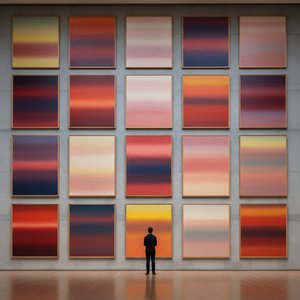
मार्क रोथको की शीर्ष 25 कलाकृतियाँ: रंग, भावना और अमूर्तता का सफर | ArtsDot
मार्क रोथको की शीर्ष 25 कलाकृतियों का अन्वेषण करें! अमूर्त अभिव्यक्तिवाद, रंग और भावना से भरी इन पेंटिंग्स के पीछे की कहानियाँ जानें। ArtsDot.com पर उच्च-गुणवत्ता वाले कला प्रिंट और सजावट विचार खोजें।

अमूर्त अभिव्यंजनावाद: शीर्ष 10 कलाकृतियाँ जिन्होंने परिभाषित किया कला की दुनिया
अमूर्त अभिव्यंजनावाद की 10 उत्कृष्ट कृतियाँ जानें! पोलक, रोथको जैसे कलाकारों के अनूठे रंगों और भावनाओं का अनुभव करें। ArtsDot.com पर कला इतिहास की गहराई में जाएँ और अपने घर के लिए अद्वितीय सजावट खोजें। ऑनलाइन संग्रह देखें!

Beyond Representation: Exploring the Emotional Landscape of Abstract Expressionism
Explore the profound emotional world of Abstract Expressionism with ArtsDot. Discover key artists like Pollock & Rothko, learn about collecting, and find museum-quality reproductions to inspire your space.


