


 पूर्वावलोकन देखें
 भेजें
भेजें साझा करें
 विवरण देखें
 मार्गदर्शिका

 डाउनलोड करें
 समान वस्तुएं
 एक्स-रे
 स्लाइड शो देखें
 आंकड़े
No.8
 Oil On Canvas
- WallArt
- Color Field Painting
 1952
1952- Modern
 173.0 x 205.0 cm
 और पढ़ें
इस पृष्ठ पर प्रदर्शित कलाकृति कॉपीराइट कानून द्वारा संरक्षित है, जिसका अर्थ है कि हम कानूनी रूप से इसकी हूबहू प्रतिलिपि बनाने या बेचने का अधिकार नहीं रखते हैं। यह संरक्षण अंतर्राष्ट्रीय समझौतों के तहत लागू किया जाता है, जैसे कि बर्न कन्वेंशन और राष्ट्रीय कानूनों द्वारा, जिनमें % द्वारा निर्धारित कानून भी शामिल हैं। अमेरिकी कॉपीराइट कानून - शीर्षक 17।
यह विधि कॉपीराइट नियमों का पूरी तरह से पालन करती है क्योंकि इसमें संरक्षित कलाकृति की नकल या प्रतिलिपि बनाना शामिल नहीं है। इसके बजाय, यह एक रचनात्मक पुनर्व्याख्या है - एक ऐसी नई पेंटिंग जो मूल कृति से प्रेरित तो है, लेकिन उसके समान नहीं है।
गिक्ली / आर्ट प्रिंट
तेज़ उत्पादन और विभिन्न फिनिश विकल्पों के साथ म्यूजियम-क्वालिटी गिकली (giclée) या कैनवस प्रिंट। ( हाथ से बनी पेंटिंग खरीदें डिजिटल इमेज पर जाएँ)




P118B ₹10

P118H ₹10

P118W ₹10

P438Z ₹10

P508JH ₹12

P508YH ₹12

P805H ₹10

P805Z ₹10

P919BZ ₹10

P919G ₹10

P919XJ ₹10

P959ZH ₹10

P968JZ ₹12

W106C ₹8

W218G ₹10

W218JH ₹8

W218Y ₹10

W307PJ ₹10

W316G ₹10

W316PJ ₹8

W316Y ₹10

W398PJ ₹8

W4111J ₹10

W500HY ₹15

W500JH ₹15

W692G ₹12

W849H ₹8

W940BG ₹15

W953PJ ₹8




कलाकृति के मूल अनुपात से मेल खाने वाले हमारे पूर्व निर्धारित आकारों में से चुनें।

Type the width and the height you need, to fit your frame or your wall. A print can only be cut, never made bigger than the picture, so a size with a different shape loses a part of the image. We send you a digital mockup to approve before we print anything. The picture shown on this page does not show the real cut — only the mockup does.
विश्वव्यापी डिलीवरी (), मानक 4/5 सप्ताह के बजाय मात्र 2 सप्ताह में। (15 अक्टूबर)

दुनिया भर में मुफ़्त एक्सप्रेस शिपिंग

प्रीमियम ग्रेड लिनेन कैनवास

पूर्ण शिपिंग बीमा

सीमा शुल्क और आयात कर वापसी की गारंटी

सटीक रंग मिलान की गारंटी

100 दिनों की वापसी नीति (केवल निर्माण दोष होने पर)

100% पैसे वापसी की गारंटी

थोक छूट का अवसर
 ग्लास का विकल्प केवल 110 सेमी से कम आकार में ही उपलब्ध है।

No.8
गिक्ली / आर्ट प्रिंट
प्रतिकृति का आकार
-


कुल मूल्य
₹ 5952
No.8: An Exploration of Color and Emotion
Mark Rothko’s “No.8,” completed in 1952, stands as a cornerstone of Color Field painting—a movement that fundamentally altered the landscape of abstract art and continues to resonate with audiences today. More than just pigment on canvas, this monumental work embodies Rothko's profound philosophical inquiry into human experience and his unwavering commitment to conveying emotion through pure color.The Canvas Speaks Volumes
Measuring 173 x 205 cm, “No.8” immediately commands attention with its sheer scale—a deliberate tactic employed by Rothko to immerse the viewer in a sensory environment devoid of recognizable imagery. The painting utilizes a masterful technique of layering rectangular blocks of color – predominantly orange and yellow – against a honey-yellow background. These forms are not sharply delineated; instead, they bleed into one another, creating an ethereal haze that softens edges and encourages contemplation. Rothko’s meticulous brushstrokes achieve remarkable subtlety, conveying texture without resorting to traditional representation. The resulting surface is remarkably matte, absorbing light rather than reflecting it—a crucial element in fostering a meditative response from the observer.A Journey Through Color Theory and Expression
Rothko's stylistic evolution began with an interest in urban landscapes and mythological themes during the 1940s, mirroring the anxieties of postwar Europe. However, it was his decisive embrace of Color Field painting—influenced by Gestalt psychology and exploring the relationship between color and perception—that cemented his artistic legacy. This approach sought to bypass intellectual analysis altogether, prioritizing direct emotional experience. The orange block dominates the composition, radiating warmth and vibrancy against the calmer yellow hues. These colors aren’t merely decorative; they represent a deliberate attempt to evoke feelings of serenity, introspection, and perhaps even spiritual yearning – themes central to Rothko's artistic vision.Historical Context: Minimalism and Existentialism
“No.8” emerged during a period marked by significant intellectual currents—the rise of existentialist philosophy championed by Sartre and Camus—which questioned traditional notions of rationality and morality. Rothko’s art mirrored this spirit, rejecting illusionistic representation in favor of conveying profound emotional states. Alongside fellow Color Field artists like Barnett Newman and Clyfford Still, Rothko challenged the conventions of Abstract Expressionism, pushing boundaries of artistic experimentation. The painting's influence extends beyond its immediate aesthetic impact; it represents a pivotal moment in art history—a rejection of narrative storytelling for an exploration of pure feeling.Legacy and Reproduction
The enduring appeal of “No.8” is evident not only in its critical acclaim but also in its remarkable resale value, culminating in the sale of $186 million for "Violet, Green and Red" in 2014. Reproductions available at ArtsDot.com offer art enthusiasts a chance to experience Rothko’s artistic brilliance without the considerable investment required to acquire an original masterpiece. These meticulously crafted reproductions capture the essence of the painting—its luminous colors, textural subtleties, and evocative atmosphere—providing a beautiful addition to any home or gallery space.प्रश्न और उत्तर
मार्क रोथको द्वारा "No.8" का कौन सा प्रिंट साइज अनुशंसित कमरे के लिए उपयुक्त है?
मार्क रोथको द्वारा "No.8" के लिए अनुशंसित संयोजन: एक Living Room में Large प्रिंट।
मार्क रोथको द्वारा "No.8" का प्रमुख रंग क्या है?
"No.8" में सबसे प्रमुख दिखने वाला रंग Khaki (#faf19b) है। कलाकृति को इंटीरियर के साथ मिलाने के लिए मुख्य रंग का ज्ञान अत्यंत उपयोगी होता है।
क्या मार्क रोथको द्वारा "No.8" के लिए कोई गाइड उपलब्ध है?
मार्क रोथको द्वारा "No.8" के लिए एक मार्गदर्शिका पेज उपलब्ध है: कलाकृति के बारे में एक प्रिंट करने योग्य फैक्टशीट, जिसे छात्रों और कक्षा में उपयोग के लिए डिज़ाइन किया गया है।
समान कलाकृतियाँ


कलाकार का परिचय
मार्क्स रोथको: रंग और भावना का एक जीवन
मार्क्स याकोवलेविच रोथकोविट्ज़, जिन्हें हम मार्क रोथको के नाम से जानते हैं, 25 सितंबर, 1903 को लातविया के दौगाउपिल्स में जन्मे थे। उनका जीवन विस्थापन और अस्तित्वगत खोज की कहानी है, जो उनके कलात्मक कार्यों में गहराई से प्रतिबिंबित होती है। एक ऐसे परिवार में पैदा हुए जिसने राजनीतिक अशांति और भेदभाव का अनुभव किया था, रोथको ने बचपन से ही मानवीय पीड़ा और अनिश्चितता को महसूस किया। 1913 में अपने परिवार के साथ अमेरिका आकर उन्होंने पोर्टलैंड, ओरेगन में नया जीवन शुरू किया, लेकिन यह बदलाव उनके लिए सांस्कृतिक उथल-पुथल लेकर आया। येल विश्वविद्यालय में अध्ययन के बाद, उन्होंने न्यूयॉर्क शहर की ओर रुख किया, जहाँ कला के प्रति उनका जुनून उन्हें आर्ट स्टूडेंट्स लीग में ले गया। शुरुआती दौर में, रोथको ने शहरी दृश्यों और पोर्ट्रेट को चित्रित करने का प्रयास किया, लेकिन जल्द ही वे अमूर्तता की ओर आकर्षित हुए, जो द्वितीय विश्व युद्ध के बाद के युग की चिंता और अनिश्चितता को दर्शाती थी।अमूर्तता की ओर यात्रा: प्रतीकवाद से रंग क्षेत्र तक
रोथको की कलात्मक यात्रा ने उन्हें सुरियलिज्म और पौराणिक कथाओं से प्रभावित करते हुए प्रतीकात्मक रूपों की खोज करने के लिए प्रेरित किया। 1940 के दशक में, उन्होंने बहु-रूप चित्रों का निर्माण किया, जिनमें अस्पष्ट, जीववैज्ञानिक आकृतियाँ थीं जो प्रतिनिधित्व और अमूर्तता के बीच झूलती प्रतीत होती थीं। ये चित्र केवल रूप प्रयोग नहीं थे; वे युद्धग्रस्त दुनिया की चिंताओं और अनिश्चितताओं के प्रति गहरी प्रतिक्रियाएं थीं। धीरे-धीरे, उन्होंने अपने विशिष्ट शैली को विकसित किया: बड़ी कैनवसें जिनमें शुद्ध रंगों के आयताकार ब्लॉक होते हैं जो एक साथ तैरते और गूंजते प्रतीत होते हैं। उन्होंने पहचानने योग्य किसी भी चीज़ के अवशेषों को हटा दिया, रंग और रूप की विशुद्ध भावनात्मक प्रभाव पर ध्यान केंद्रित किया। यह अमूर्त अभिव्यक्तिवाद के विकास में एक महत्वपूर्ण क्षण था, जिसने रोथको को इस अभूतपूर्व आंदोलन में अग्रणी बना दिया।रंग क्षेत्र: भावनाओं का गहरा अनुभव
रोथको की परिपक्व कला "रंग क्षेत्र" चित्रकला से परिभाषित होती है - चमकदार रंगों के विशाल विस्तार जो दर्शक को एक गहन अनुभव में डुबो देते हैं। ये चित्र *क्या* दर्शाते हैं, इसके बारे में नहीं हैं, बल्कि वे आपको *कैसे* महसूस कराते हैं, इसके बारे में हैं। रोथको का मानना था कि कला को बौद्धिक विश्लेषण को दरकिनार करते हुए सीधे भावनाओं से जुड़ना चाहिए। उन्होंने पतले रंग के धोवों को सावधानीपूर्वक परतदार बनाया, जिससे टोन और बनावट में सूक्ष्म विविधताएँ उत्पन्न हुईं जो कैनवस के भीतर से निकलने वाली प्रतीत होती थीं। उनके आयताकार रूपों की किनारों को अक्सर धुंधला कर दिया जाता है, जिससे वे एक दूसरे के साथ मिल जाते हैं और घुलमिल जाते हैं, गहराई और गति का एहसास कराते हैं। रोथको ने जानबूझकर केवल संख्याओं के अलावा कोई शीर्षक नहीं दिया - "नंबर 1", "नंबर 6" - दर्शकों को पूर्वकल्पित धारणाओं के बिना चित्रों का सामना करने और अपनी भावनाओं से निर्देशित अनुभव की अनुमति देने के लिए प्रोत्साहित किया। उनका लक्ष्य चिंतन के लिए एक स्थान बनाना था, एक अभयारण्य जहाँ दर्शक स्वयं से बड़ी किसी चीज़ के साथ जुड़ सकें।प्रमुख उपलब्धियाँ और स्थायी विरासत
रोथको की सबसे महत्वपूर्ण उपलब्धियों में से एक "नंबर 10 (1950)" है, जो उनके विकसित हो रहे शैली का प्रतीक है, और सीग्राम भित्ति चित्र (1958) हैं। न्यूयॉर्क शहर के फोर सीजन्स रेस्तरां के लिए कमीशन किए गए इन भित्ति चित्रों को रोथको ने अंततः अस्वीकार कर दिया, क्योंकि उन्हें डर था कि वे अपने इच्छित वातावरण से समझौता करेंगे। इसके बजाय, उन्होंने उन्हें टेट गैलरी में लंदन को दान कर दिया, जहाँ वे आज भी विस्मय और चिंतन को प्रेरित करते हैं। शायद उनका सबसे महत्वाकांक्षी प्रोजेक्ट ह्यूस्टन, टेक्सास में रोथको चैपल (1971) था - एक गैर-संप्रदायवादी अभयारण्य जिसमें उनके चौदह चित्र शामिल थे। शांत प्रतिबिंब के लिए डिज़ाइन किया गया यह चैपल कई लोगों के लिए एक पवित्र स्थान माना जाता है, जो रोथको के कला की आध्यात्मिक शक्ति में विश्वास को दर्शाता है। रोथको का प्रभाव बाद की पीढ़ियों के कलाकारों पर बहुत गहरा रहा है। उन्होंने मिनिमलिस्ट कला के लिए मार्ग प्रशस्त किया और समकालीन चित्रकारों को प्रेरित करना जारी रखते हैं जो अमूर्तता की भावनात्मक संभावनाओं का पता लगाते हैं। जीवन भर अवसाद से जूझने के बावजूद, जिसके परिणामस्वरूप 1970 में उनकी दुखद आत्महत्या हो गई, मार्क रोथको 20वीं सदी के सबसे महत्वपूर्ण और प्रभावशाली कलाकारों में से एक बने हुए हैं - रंग के स्वामी जिनकी रचनाएँ आज भी दुनिया भर के दर्शकों को प्रेरित करती हैं।भावनात्मक प्रतिध्वनि की स्थायी शक्ति
- रोथको के चित्रों को सार्वभौमिक मानवीय भावनाओं - त्रासदी, आनंद, निराशा और आशा को व्यक्त करने की क्षमता के लिए सराहा जाता है।
- भावनात्मक अभिव्यक्ति के लिए रंग के एक माध्यम के रूप में उनके अन्वेषण ने अमूर्त चित्रकला में क्रांति ला दी।
- रोथको चैपल उनकी कला की आध्यात्मिक शक्ति में विश्वास का प्रमाण है।
- वह अमूर्त अभिव्यक्तिवाद में एक महत्वपूर्ण व्यक्ति और समकालीन कलाकारों पर एक प्रमुख प्रभाव बने हुए हैं।

मार्क रोथको
1903 - 1970 , लातविया
संक्षिप्त जानकारी
- Artistic Movement Or Style: अमूर्त अभिव्यक्तिवाद
- Artists Or Movements Influenced By This Artist: ['न्यूनतम कला']
- Artists Who Influenced This Artist:
- पॉल सेज़ान
- मिल्टन एवरी
- Date Of Birth: 25 सितंबर 1903
- Date Of Death: 25 फरवरी 1970
- Full Name: मार्क रोथको
- Nationality: अमेरिकी
- Notable Artworks:
- नंबर 10 (1950)
- सीग्राम भित्तिचित्र
- रोथको चैपल
- Place Of Birth: डाउगावपिल्स, लातविया
संबंधित लेखों की सूची

Chromatic Atmospheres: Exploring the Philosophical Foundations of Color Field Painting
Explore the philosophical and aesthetic foundations of Color Field painting with ArtsDot. Discover key artists like Rothko & Newman, its spiritual influences, and lasting impact on modern art. Expert insights for collectors.
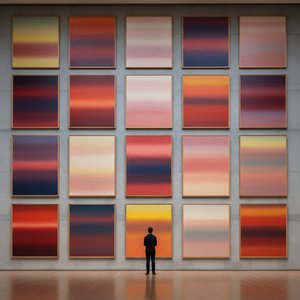
मार्क रोथको की शीर्ष 25 कलाकृतियाँ: रंग, भावना और अमूर्तता का सफर | ArtsDot
मार्क रोथको की शीर्ष 25 कलाकृतियों का अन्वेषण करें! अमूर्त अभिव्यक्तिवाद, रंग और भावना से भरी इन पेंटिंग्स के पीछे की कहानियाँ जानें। ArtsDot.com पर उच्च-गुणवत्ता वाले कला प्रिंट और सजावट विचार खोजें।

Kandinsky's Masterpieces: 25 Paintings That Define Abstract Art | ArtsDot
Journey through Wassily Kandinsky's 25 most iconic abstract paintings. Explore his revolutionary use of color, form & spiritual expressionism. Find museum-quality Kandinsky reproductions and elevate your home decor with ArtsDot.com. Discover all masterpieces on ArtsDot.com!

अमूर्त अभिव्यंजनावाद: शीर्ष 10 कलाकृतियाँ जिन्होंने परिभाषित किया कला की दुनिया
अमूर्त अभिव्यंजनावाद की 10 उत्कृष्ट कृतियाँ जानें! पोलक, रोथको जैसे कलाकारों के अनूठे रंगों और भावनाओं का अनुभव करें। ArtsDot.com पर कला इतिहास की गहराई में जाएँ और अपने घर के लिए अद्वितीय सजावट खोजें। ऑनलाइन संग्रह देखें!

The Sublimity of Color: Exploring the Emotional Landscapes of Mark Rothko's Abstract Expressionism
Explore the profound emotional depth of Mark Rothko's abstract expressionism. Discover the history, techniques & lasting impact of this pivotal Color Field painter. Expert insights for collectors and art enthusiasts.


