

 पूर्वावलोकन देखें
 साझा करें
 साझा करें
 विस्तृत विवरण
 मार्गदर्शिका

 डाउनलोड करें
 समान वस्तुएं
 एक्स-रे
 स्लाइड शो देखें
 प्रश्न और उत्तर
 आंकड़े
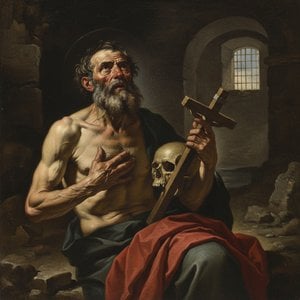
St. Jerome

- 125.0 x 100.0 cm


 पूरा देखें
गिक्ली / आर्ट प्रिंट
तेज़ उत्पादन और विभिन्न फिनिश विकल्पों के साथ म्यूजियम-क्वालिटी गिकली (giclée) या कैनवस प्रिंट। ( इस संग्रहणीय वस्तु की हाथ से बनी प्रतिकृति मंगवाएं डिजिटल इमेज पर स्विच करें)




P118B ₹10

P118H ₹10

P118W ₹10

P438Z ₹10

P508JH ₹12

P508YH ₹12

P805H ₹10

P805Z ₹10

P919BZ ₹10

P919G ₹10

P919XJ ₹10

P959ZH ₹10

P968JZ ₹12

W106C ₹8

W218G ₹10

W218JH ₹8

W218Y ₹10

W307PJ ₹10

W316G ₹10

W316PJ ₹8

W316Y ₹10

W398PJ ₹8

W4111J ₹10

W500HY ₹15

W500JH ₹15

W692G ₹12

W849H ₹8

W940BG ₹15

W953PJ ₹8




कलाकृति के मूल अनुपात से मेल खाने वाले हमारे पूर्व निर्धारित आकारों में से चुनें।

अपने फ्रेम या अपनी दीवार के अनुसार आवश्यक चौड़ाई और ऊंचाई दर्ज करें। प्रिंट को केवल काटा जा सकता है, चित्र से बड़ा कभी नहीं बनाया जा सकता, इसलिए अलग आकार का साइज चित्र का एक हिस्सा खो देता है। किसी भी चीज़ को प्रिंट करने से पहले हम आपकी स्वीकृति के लिए आपको एक डिजिटल मॉकअप भेजते हैं। इस पृष्ठ पर दिखाया गया चित्र वास्तविक कटिंग नहीं दिखाता है — केवल मॉकअप ही इसे दर्शाता है।
विश्वव्यापी डिलीवरी (), मानक 4/5 सप्ताह के बजाय मात्र 2 सप्ताह में। (4 नवमबर)

दुनिया भर में मुफ़्त एक्सप्रेस शिपिंग

उच्च गुणवत्ता वाला लिनेन कैनवास

पूर्ण शिपिंग बीमा

सीमा शुल्क और आयात कर वापसी की गारंटी

सटीक रंग मिलान की गारंटी

100 दिनों की वापसी नीति (केवल दोष होने पर)

100% पैसे वापसी की गारंटी

थोक छूट का अवसर
 ग्लास का विकल्प केवल 110 सेमी से कम आकार में ही उपलब्ध है।

St. Jerome
गिक्ली / आर्ट प्रिंट
प्रतिकृति का आकार
-


कुल देय राशि
₹ 6071
The Shadowed Saint: Jusepe de Ribera’s ‘St. Jerome Penitente’
Jusepe de Ribera's “St. Jerome Penitente,” painted in 1652 during his prolific Neapolitan period, isn’t merely a portrait; it’s a visceral embodiment of spiritual anguish and the relentless pursuit of redemption. This arresting work, currently housed within the National Museum of Capodimonte in Naples, immediately commands attention with its dramatic chiaroscuro – a technique so characteristic of Ribera that it practically vibrates from the canvas. The painting depicts St. Jerome, not as a serene scholar or pious hermit, but as a man consumed by his own torment, wrestling with the demons of his past and the weight of his prophetic duty.
Ribera’s genius lay in his ability to capture raw emotion, and “St. Jerome Penitente” is a masterclass in this regard. The figure is rendered with an almost brutal realism; the deep folds of his ragged robe, the furrowed brow, the clenched fist beating against his chest – every detail speaks of profound suffering. The skull positioned prominently on the right side isn’t simply a morbid symbol of mortality; it's a potent reminder of human vanity and the fleeting nature of earthly existence, a visual anchor for Jerome’s introspection. The arrow piercing his forehead, a recurring motif in Ribera’s work, suggests divine guidance or perhaps even punishment – a constant pressure on the saint’s soul.
A Master of Tenebrism: Technique and Influence
Ribera's mastery of tenebrism—the dramatic contrast between light and dark—is arguably his most defining characteristic. He eschewed the soft, diffused lighting favored by many of his contemporaries, instead employing a stark, almost theatrical illumination that throws the figure into sharp relief against a shadowy background. This technique wasn’t simply an aesthetic choice; it served to heighten the emotional intensity of the scene and draw the viewer's eye directly to Jerome’s tormented face. His use of impasto – applying paint thickly to create texture – further enhances this effect, giving the surface of the canvas a palpable sense of physicality.
Ribera’s style was deeply influenced by Caravaggio, whom he encountered in Rome and subsequently adopted many of his techniques. However, Ribera pushed these influences even further, imbuing them with a distinctly Spanish sensibility – a darker, more dramatic intensity than is often associated with Caravaggio's work. The painting’s composition, reminiscent of classical sculpture, contributes to its monumental quality, reinforcing the saint’s stature as a figure of immense spiritual significance.
Historical Context: Naples Under Spanish Rule
To fully appreciate “St. Jerome Penitente,” it’s crucial to understand the historical context in which it was created – Naples under Spanish rule in the mid-17th century. This period was marked by political instability, economic hardship, and religious fervor. Ribera's work reflects these realities, often depicting scenes of suffering, poverty, and martyrdom—themes that resonated deeply with the populace. His choice to set the scene within a desolate, almost monastic interior underscores the saint’s isolation and his dedication to a life of prayer and penance.
The painting was produced during a time when religious art held immense social and political power in Spain and its colonies. The Catholic Church commissioned countless works of art to inspire piety and reinforce its authority, and Ribera's paintings were highly sought after by wealthy patrons and ecclesiastical institutions. “St. Jerome Penitente” exemplifies this trend, offering a powerful visual representation of religious devotion and the promise of salvation.
Symbolism and Emotional Resonance
Beyond its technical brilliance, “St. Jerome Penitente” is rich in symbolism. The act of beating his breast with a stone is a traditional gesture of repentance, signifying remorse for past sins and a desire to atone for wrongdoing. The skull represents the inevitability of death and the vanity of earthly pursuits—a stark reminder that all worldly ambitions are ultimately futile. The arrow piercing Jerome’s forehead symbolizes divine intervention or perhaps even punishment, highlighting the saint's role as a messenger of God’s judgment.
Ultimately, “St. Jerome Penitente” is a profoundly moving work of art that speaks to the universal human experience of suffering, regret, and the enduring quest for spiritual redemption. It’s a painting that lingers in the memory long after it has been viewed, prompting reflection on our own mortality and the importance of living a life guided by faith and compassion. Its dramatic intensity and masterful execution make it a cornerstone of Baroque art and a testament to Ribera's unparalleled artistic vision.
प्रश्न और उत्तर
जुसेपे दे रिबेरा के अन्य उपनाम या वैकल्पिक नाम क्या हैं?
जुसेपे दे रिबेरा को लो स्पैगनोलेटो, जोसे दे रिबेरा, जोसेफ दे रिबेरा, जुसेपे दे रिबेरा (पूरा नाम) जैसे अन्य नामों से भी जाना जाता है।
मैं जुसेपे दे रिबेरा द्वारा "St. Jerome" की प्रतिकृति (reproduction) का पूर्वावलोकन कैसे कर सकता हूँ?
जुसेपे दे रिबेरा द्वारा "St. Jerome" का पूर्वावलोकन कलाकृति के पूर्वावलोकन पेज पर उपलब्ध है।
जुसेपे दे रिबेरा द्वारा "St. Jerome" में कला आंदोलन और युग का संगम कैसे दिखाई देता है?
"St. Jerome" Baroque Tenebrism आंदोलन की एक कृति है, और इसके रचनाकार ने प्रारंभिक आधुनिक काल युग में कार्य किया था।
समान कलाकृतियाँ


कलाकार की जीवनी
जीवन की छाया और प्रकाश में
जुसेपे दे रिबेरा, जिन्हें अक्सर लो स्पैगनोलेट्टो – “छोटा स्पेनयार्ड” के नाम से जाना जाता है – बारोक युग के एक महान व्यक्ति थे, एक ऐसे कलाकार जिनकी कैनवस नाटकीय तीव्रता और निर्भीक यथार्थवाद से धड़कती थीं। 1591 में ज़ाटिवा, स्पेन में जन्मे, उनकी यात्रा उन्हें उनके वैलेंसियन मूल से दूर ले गई, अंततः वे 17वीं शताब्दी के नेपल्स के सबसे महत्वपूर्ण चित्रकारों में से एक बन गए, जो उस समय स्पेन के शासन के अधीन था। रिबेरा का जीवन केवल कलात्मक विकास की कहानी नहीं थी; यह कठिनाई, महत्वाकांक्षा और मानवीय स्थिति को उसकी कच्ची जटिलता में चित्रित करने की अटूट प्रतिबद्धता से बुनी गई एक कथा थी। हालांकि शुरुआती जीवनी संबंधी विवरण कुछ रहस्य में डूबे हुए हैं, हम जानते हैं कि वे लगभग 1607 के आसपास इटली पहुंचे, शुरू में रोम में बस गए और फिर 1616 में नेपल्स की ओर बढ़ गए – एक ऐसा शहर जो उनका कलात्मक घर बन गया और उनकी अनूठी शैली का क्रूसिबल भी। स्थानीय चित्रकार कैटरिना अज़ोलिनो से उनका विवाह नेपोलिटन कला जगत के साथ उनके संबंधों को और मजबूत किया, जिससे उन्हें इसके जीवंत, फिर भी अक्सर अशांत वातावरण में फलने-फूलने की अनुमति मिली।टेनेब्रिज़्म और यथार्थवादी दृष्टि का आलिंगन
रिबेरा का कलात्मक गठन इतालवी चित्रकला की प्रचलित धाराओं से गहराई से प्रभावित था। कारावागियो का प्रभाव निर्विवाद है; रिबेरा ने मास्टर के क्रांतिकारी उपयोग को आत्मसात किया टेनेब्रिज़्म – प्रकाश और छाया का वह नाटकीय अंतःक्रिया – भावनात्मक शक्ति से भरे दृश्य बनाने के लिए। हालाँकि, उन्होंने केवल नकल नहीं की। उन्होंने इस तकनीक को गुइडो रेनी जैसे अन्य मास्टर्स से प्राप्त तत्वों के साथ संश्लेषित किया, कारावागियो के यथार्थवाद को बनाए रखते हुए अपनी रचनाओं में एक शास्त्रीय संवेदनशीलता को शामिल किया। इस विलय के परिणामस्वरूप एक अनूठी शैली का जन्म हुआ: एक ऐसी शैली जो तीखे विरोधाभासों, गहन रूप से केंद्रित आकृतियों और मानवीय पीड़ा और आध्यात्मिक उत्साह को ईमानदारी से चित्रित करने की लगभग क्रूर ईमानदारी द्वारा चिह्नित है। उनके शुरुआती कार्यों में से एक, जैसे कि सेंट बारथोलोम्यू की शहादत, इस दृष्टिकोण का उदाहरण है – दर्द का एक भयानक चित्रण जो निर्भीक विस्तार के साथ प्रस्तुत किया गया है। उन्होंने शहीदत्व की भौतिक वास्तविकताओं को चित्रित करने से नहीं हिचकिचाया, मुड़े हुए शरीर, तनावग्रस्त मांसपेशियां, त्वचा और हड्डी की बनावट। यह यथार्थवाद के प्रति प्रतिबद्धता धार्मिक विषयों से परे फैली हुई थी; भिखारियों और आम लोगों के उनके चित्र, अक्सर दार्शनिकों या संतों के रूप में चित्रित किए जाते थे, अपने समय में अभूतपूर्व थे, जो हाशिए पर पड़े लोगों को सम्मान और महत्व के स्तर तक बढ़ाते थे जो पहले कला में कभी नहीं देखा गया था।विधाओं में करियर और विकसित शैलियाँ
रिबेरा का कलात्मक उत्पादन उल्लेखनीय रूप से विविध था। जबकि वे शायद अपने धार्मिक चित्रों के लिए सबसे ज्यादा जाने जाते हैं – शहादत के दृश्य, संतों के चित्रण और नाटकीय बाइबिल कथाएँ – उन्होंने पोर्ट्रेट, स्टिल लाइफ और यहां तक कि लैंडस्केप पेंटिंग में भी उत्कृष्ट प्रदर्शन किया। उनका सेंट जेरोम एंड द एंजेल, उदाहरण के लिए, उनकी कलात्मकता की एक नरम, अधिक चिंतनशील पक्ष को दर्शाता है, फिर भी उस विशिष्ट नाटकीय प्रकाश व्यवस्था को बनाए रखता है जो उनके काम को परिभाषित करती है। अपने करियर के दौरान, रिबेरा की शैली में सूक्ष्म लेकिन महत्वपूर्ण परिवर्तन हुए। उनकी शुरुआती पेंटिंग लगभग कठोर यथार्थवाद और टेनेब्रिज़्म के तीखे उपयोग द्वारा चिह्नित हैं। जैसे-जैसे वे परिपक्व हुए, विशेष रूप से नेपल्स में खुद को मजबूती से स्थापित करने के बाद, उनका पैलेट समृद्ध हो गया, उनकी रचनाएँ अधिक जटिल हो गईं, और उनका प्रकाश थोड़ा नरम हो गया। हालाँकि, उनके बारोक सौंदर्यशास्त्र के मूल तत्व – भावनात्मक तीव्रता, नाटकीय कथाएँ और मानवीय अनुभव को ईमानदारी से चित्रित करने की अटूट प्रतिबद्धता – स्थिर रहे। वह एक कुशल शिल्पकार थे, जो भिखारियों के लबादे के खुरदरे कपड़े से लेकर एक युवा संत की चिकनी त्वचा तक आश्चर्यजनक सटीकता के साथ बनावट को प्रस्तुत करने में सक्षम थे।विरासत और स्थायी प्रभाव
जुसेपे दे रिबेरा का कला जगत पर प्रभाव उनके नेपोलिटन कार्यशाला से परे फैला। वे स्पेनिश बारोक पेंटिंग की एक महत्वपूर्ण शख्सियत बन गए, जो वेलज़क्वेज़, ज़ुरबारान और मुरिलो जैसे मास्टर्स के साथ थे। टेनेब्रिज़्म के उनके अभिनव उपयोग और उनके निर्भीक यथार्थवाद ने यूरोप भर में पीढ़ियों के कलाकारों को प्रभावित किया। उनका काम उन लोगों के साथ गूंजता था जो पुनर्जागरण कला के आदर्श रूपों से दूर जाना चाहते थे और एक अधिक जीवंत, भावनात्मक रूप से चार्ज शैली को अपनाना चाहते थे। यहां तक कि बाद के कलाकारों ने भी उनकी नाटकीय रचनाओं और मानवीय पीड़ा के शक्तिशाली चित्रणों से प्रेरणा ली। आज, रिबेरा की पेंटिंग दुनिया भर के प्रतिष्ठित संग्रहालयों में रखी गई हैं – मैड्रिड में Museo del Prado, वाशिंगटन डी.सी. में नेशनल गैलरी ऑफ आर्ट और यूरोप भर के कई संस्थान – यह सुनिश्चित करते हुए कि उनकी विरासत सदियों बाद भी दर्शकों को प्रेरित करती रहे और मोहित करती रहे। वे कला की कठिन सत्यों का सामना करने, मानवीय भावनाओं की गहराई का पता लगाने और विश्वास और लचीलेपन की स्थायी भावना को रोशन करने की शक्ति का प्रमाण हैं।एक मास्टर की स्थायी अपील
रिबेरा के काम में निरंतर आकर्षण समय और सांस्कृतिक सीमाओं को पार करने की क्षमता में निहित है। उनकी पेंटिंग केवल ऐतिहासिक कलाकृतियाँ नहीं हैं; वे मानवीय स्थिति के बारे में शक्तिशाली बयान हैं – पीड़ा, विश्वास, आशा और निराशा के बारे में। उनका निर्भीक यथार्थवाद हमें असहज सत्यों का सामना करने के लिए मजबूर करता है, जबकि उनकी नाटकीय रचनाएँ और प्रकाश और छाया का कुशल उपयोग तीव्र भावनात्मक अनुनाद का वातावरण बनाता है। लो स्पैगनोलेट्टो, जैसा कि उन्हें प्यार से जाना जाता था, ने एक ऐसा काम छोड़ा है जो गहरा मार्मिक और बौद्धिक रूप से उत्तेजक दोनों है – एक विरासत जो बारोक युग के महानतम मास्टर्स में उनके स्थान को सुनिश्चित करती है। उनकी पेंटिंग केवल प्रशंसा करने योग्य नहीं हैं; वे अनुभव करने योग्य हैं—किसी की गहराई में महसूस किए जाने योग्य हैं।
जुसेपे दे रिबेरा
1591 - 1652 , भारत
प्रमुख तथ्य
- Artistic Movement Or Style: बरोक
- Artists Or Movements Influenced By This Artist: ['जोसे दे रिबेरा']
- Artists Who Influenced This Artist:
- कारावागियो
- गुइडो रेनी
- Date Of Birth: 1591
- Date Of Death: 1652
- Full Name: जुसेपे दे रिबेरा
- Nationality: स्पेनिश
- Notable Artworks (List Of Titles):
- सेंट बारथोलोम्यू की शहादत
- संत जेरोम और देवदूत
- Place Of Birth (City And Country): जातिवा, स्पेन
संबंधित लेख

भारोपीय कला: शीर्ष 10 उत्कृष्ट कृतियाँ जो युग को परिभाषित करती हैं | ArtsDot
भारोपीय कला की भव्यता का अनुभव करें! शीर्ष 10 उत्कृष्ट कृतियाँ जानें जिन्होंने इस युग को परिभाषित किया। रुबेन्स, रेम्ब्रांट और कारवागियो जैसे कलाकारों के अद्भुत कार्यों की खोज करें। ArtsDot.com पर संग्रहालय-गुणवत्ता वाले कला प्रजनन और सजावट के विचार खोजें।
Jusepe de Ribera: Dramatic Realism & Spiritual Intensity in the Spanish Golden Age
Explore the powerful Baroque paintings of Jusepe de Ribera, master of tenebrism and dramatic realism. Discover his spiritual intensity, influence on Spanish art, and considerations for collectors. Expert insights at ArtsDot.

The Dramatic Flourish: Exploring the Baroque Movement's Enduring Legacy in Art History
Explore the dramatic world of Baroque art! Discover iconic artists like Caravaggio & Rubens, defining techniques, and its lasting impact on art history. Expert insights for collectors & enthusiasts at ArtsDot.

The Visceral Stage: Exploring Dramatic Narratives & Emotional Intensity in Baroque Art
Explore the dramatic world of Baroque art! Discover iconic masters like Caravaggio & Rembrandt, their techniques, and the movement's lasting impact. Expert insights for collectors & enthusiasts at ArtsDot.

Theatricality & Triumph: Baroque Drama in Painting & Sculpture
Explore the dramatic world of Baroque art! Discover its history, defining characteristics, & lasting influence on painting & sculpture. Expert insights into Caravaggio, Zurbarán, and Bernini – plus high-quality reproductions at ArtsDot.
