

- 38.0 x 46.0 cm


यह चित्र आपकी पसंद के अनुसार है: , .
संग्रहणीय वस्तु का विवरण
 पूरा देखें
कलाकार की जीवनी
जमैस एनसर एक बेल्जियन चित्रकार थे जिन्होंने अभिव्यक्तिवाद और अतियथार्थवाद के आंदोलन को स्थापित किया। उनके परेशान करने वाले चित्रों में मास्क, कार्निवल और कंकाल शामिल हैं। वे अपने माता-पिता की दुकान में बेल्जियम के कार्निवल संस्कृति के प्रभाव से प्रेरित थे।
हस्तनिर्मित ऑयल रिप्रोडक्शन
आपके आकार और फ्रेम के अनुसार कैनवास पर हाथ से बनी ऑयल पेंटिंग, हमारे कलाकारों द्वारा विशेष रूप से ऑर्डर पर तैयार। ( प्रिंट विकल्प पर स्विच करें डिजिटल इमेज पर स्विच करें)
इस पेंटिंग के बारे में अधिक जानें
 पूर्वावलोकन देखें
 साझा करें
 साझा करें
 विस्तृत विवरण
 मार्गदर्शिका

 डाउनलोड करें
 समान वस्तुएं
 एक्स-रे
 स्लाइड शो देखें
 प्रश्न और उत्तर
 आंकड़े
अपनी पेंटिंग ऑर्डर करने के लिए इन चार सरल चरणों का पालन करें
अपना पूरा समय लें। आप किसी भी उत्तर को बदल सकते हैं; आपके ऑर्डर कार्ड में दी गई कीमत प्रत्येक विकल्प के अनुसार बदलती रहेगी।
1 चार में से पहला चरण
आप कौन सा आकार चुनना चाहेंगे?
ये आकार मूल पेंटिंग के अनुपात को बनाए रखते हैं। यह चित्र दो मीटर के सोफे के ऊपर दीवार पर आपके द्वारा चुने गए आकार को दर्शाता है।
या अपने स्वयं के माप दें
कलाकृति के मूल अनुपात से मेल खाने वाले हमारे पूर्व निर्धारित आकारों में से चुनें।

अपने फ्रेम या अपनी दीवार के अनुसार आवश्यक चौड़ाई और ऊंचाई दर्ज करें। यह हाथ से पेंट किया गया है, इसलिए अलग आकार के लिए कलाकार चित्र के चारों ओर थोड़ा अधिक पेंट कर सकता है, या थोड़ा काट सकता है — चुनाव आपका है। पेंटिंग शुरू होने से पहले हम आपकी स्वीकृति के लिए एक डिजिटल मॉकअप भेजते हैं। इस पृष्ठ पर दिखाई गई तस्वीर वास्तविक परिणाम नहीं दिखाती है — केवल मॉकअप ही वास्तविक रूप दिखाता है।
2 चार में से दूसरा चरण
इसे कैसे तैयार किया जाना चाहिए: रोल किया हुआ, स्ट्रेच्ड या फ्रेम किया हुआ?
नीचे दी गई कीमतें आपके द्वारा पहले चरण में चुने गए आकार के लिए हैं।
स्ट्रेच्ड कैनवास के किनारों का चयन करें
अपना फ्रेम चुनें

सफेद किनारे ₹1

धुंधला किनारा ₹1

विस्तारित ₹1

P118B ₹10

P118H ₹10

P118W ₹10

P438Z ₹10

P508JH ₹12

P508YH ₹12

P805H ₹10

P805Z ₹10

P919BZ ₹10

P919G ₹10

P919XJ ₹10

P959ZH ₹10

P968JZ ₹12

W106C ₹8

W218G ₹10

W218JH ₹8

W218Y ₹10

W307PJ ₹10

W316G ₹10

W316PJ ₹8

W316Y ₹10

W398PJ ₹8

W4111J ₹10

W500HY ₹15

W500JH ₹15

W692G ₹12

W849H ₹8

W940BG ₹15

W953PJ ₹8

H24-GOLD ₹30

H24-SILVER ₹30

H36-GOLD ₹45

H36-SILVER ₹45
फ्रेम किया हुआ
मोल्डिंग: . फ्रेम सहित कुल आकार: .
3 चार में से तीसरा चरण
क्या आप पेंटिंग में कुछ बदलाव करना चाहेंगे?
अधिकांश लोग ना में उत्तर देते हैं। क्योंकि प्रत्येक पेंटिंग हाथ से बनाई जाती है, इसलिए हमारे कलाकार इसे आपके लिए अनुकूलित भी कर सकते हैं।
ऑर्डर के बाद, ArtsDot.com टीम निर्देशों के लिए क्लाइंट को ईमेल करेगी और एक मॉकअप प्रीव्यू प्रदान करेगी
4 चार में से चौथा चरण
कुछ फिनिशिंग विकल्प
ये सभी वैकल्पिक हैं। पहले से चुने गए उत्तरों के लिए कोई अतिरिक्त शुल्क नहीं लिया जाएगा।
इसे कौन चित्रित करता है?
विश्वव्यापी वितरण () मानक 5 सप्ताह के बजाय मात्र 3/4 सप्ताह में। (3 नवमबर)। गुणवत्ता से कोई समझौता नहीं।
एक नेमप्लेट, बिल्कुल म्यूजियम की तरह?
उत्कीर्ण कांस्य पट्टिका का विवरण
This elegant plaque features the artist's name and the title of the artwork, finely engraved for a timeless presentation.
It is made from bronze with a refined, elegant finish. The text is precisely laser-engraved for a sharp and permanent result. Measuring 9x2 cm, the plaque is compact yet easy to read. It's built to be durable and scratch-resistant, offering a professional, museum-quality look. Mounting is simple thanks to the included adhesive backing.
पारदर्शी ऐक्रेलिक पट्टिका का विवरण
The plaque includes essential engraved details such as the artist's name, the title of the artwork, the date it was created, the type of media used-like oil on canvas or watercolor-a brief description of the piece, and a QR code that links to the complete artwork information.
It is crafted from clear acrylic, offering a sleek, modern appearance. The text is UV-engraved in black to ensure strong visual contrast. With a size of 10x15 cm, it ensures optimal readability. It comes equipped with two metal hooks for secure wall mounting. The plaque is designed to be weather-resistant, making it suitable for various environments, and it includes interactive features that work seamlessly with smartphone scanning.
काले ऐक्रेलिक पट्टिका का विवरण
This elegant plaque includes engraved information such as the artist's name, the title of the artwork, the date it was created, the type of media used (like oil on canvas or watercolor), a short description of the artwork, and a QR code for quick access to more information.
The plaque itself is made from refined black acrylic with a premium finish. The text is laser-engraved in white for high contrast and readability. Its size is 10x15 cm, designed to be easy to read. It comes with two metal hooks for professional mounting. The design is sleek and fits any interior style. It is also weather-resistant and durable, with built-in digital integration for mobile compatibility.
एक सुरक्षात्मक वार्निश?
आपको इसकी आवश्यकता कब है?
✓ जांचें और ऑर्डर करें
आपकी पेंटिंग, जैसा आपने ऑर्डर किया था

The Wise Judges
प्रतिकृति की निर्माण सामग्री
प्रतिकृति का आकार
-

प्रतिष्ठित वरिष्ठ कलाकार
अधिक विस्तार, सूक्ष्मता और अतिरिक्त निर्माण समय
-

प्रतिकृति फ्रेमिंग विकल्प
-
-
किसी भी तरफ से 105 सेमी (लगभग 41 इंच) से बड़े कलाकृतियों या पुनरुत्पादनों के लिए, फ्रेम को एक किट के रूप में अलग करके भेजा जाएगा। यह तरीका सुरक्षित डिलीवरी सुनिश्चित करता है और परिवहन के दौरान होने वाली क्षति को रोकता है।
पेशेवर असेंबली आवश्यक है - यह DIY उत्पाद नहीं है।
किट को एक अनुभवी पेशेवर फ्रेम बनाने वाले (framer) द्वारा असेंबल किया जाना चाहिए और कैनवास को खींचा जाना चाहिए, जिसमें लकड़ी के गोंद (प्रदान नहीं किया गया), एक कैनवास स्ट्रेचिंग प्लायर और गोंद सूखने तक बार्स को सीधा रखने के लिए क्लैम्प्स का उपयोग किया जाए। गलत असेंबली या कैनवास का असमान तनाव कलाकृति को स्थायी रूप से नुकसान पहुँचा सकता है और यह हमारी वारंटी के अंतर्गत नहीं आता है।
 किसी भी तरफ से 105 सेमी (लगभग 41 इंच) से बड़े कलाकृतियों या पुनरुत्पादनों के लिए, फ्रेम को एक किट के रूप में अलग करके भेजा जाएगा। यह तरीका सुरक्षित डिलीवरी सुनिश्चित करता है और परिवहन के दौरान होने वाली क्षति को रोकता है।
सभी ठोस लकड़ी की पट्टियाँ शामिल हैं, जिन्हें सटीक माप में काटा गया है।
इसे साथ में दिए गए स्क्रू और कोनों के जोड़ों के लिए वुड ग्लू (लकड़ी चिपकाने वाला गोंद) का उपयोग करके जोड़ा जा सकता है, जो कि साथ में नहीं दिया गया है और इसे आपके फ्रेम बनाने वाले द्वारा उपलब्ध कराया जाना चाहिए।
पेशेवर उपकरणों की आवश्यकता है जो किट में शामिल नहीं हैं: एक कैनवास स्ट्रेचिंग प्लायर (तनाव देने वाला उपकरण) और गोंद सूखने के दौरान बार्स को सीधा रखने के लिए क्लैम्प्स।
महत्वपूर्ण:
कोने के जोड़ों के लिए वुड ग्लू (लकड़ी का गोंद) की आवश्यकता होती है, गोंद के पूरी तरह सूखने तक बार्स को क्लैम्प्स से दबाकर रखना आवश्यक है, और तैयार फ्रेम पर कैनवास को कसने के लिए कैनवास स्ट्रेचिंग प्लायर की आवश्यकता होती है। इनमें से कोई भी वस्तु किट में शामिल नहीं है। कृपया इस आकार का ऑर्डर देने से पहले एक अनुभवी पेशेवर फ्रेम बनाने वाले (framer) की व्यवस्था कर लें।

नामपट्टिका
-
-

सुरक्षात्मक वार्निश
चमकदार वार्निश (रंगों में निखार लाता है और प्रकाश एवं नमी से सुरक्षा प्रदान करता है)
-

मेरी कलाकृति को कस्टमाइज़ करें
बदलाव के कुछ उदाहरण: चेहरे को ग्राहक की फोटो से बदलें; पालतू जानवर जोड़ें (जैसे, बिल्ली की जगह कुत्ता लगाएँ); बैकग्राउंड में कोई गुप्त संदेश शामिल करें; बैकग्राउंड का परिदृश्य या अन्य तत्व बदलें।
-

अति आवश्यक
विश्वव्यापी वितरण (), मानक 5 सप्ताह के बजाय मात्र 3/4 सप्ताह में। (3 नवमबर)। गुणवत्ता से कोई समझौता नहीं।
-
तेज़ शिपिंग
विश्वव्यापी डिलीवरी (), 5 सप्ताह के भीतर। (10 नवमबर)।
शामिल है
कुल देय राशि
₹ 25346
ग्लास का विकल्प केवल 110 सेमी से कम आकार में ही उपलब्ध है।
प्रत्येक ऑर्डर के साथ शामिल
- दुनिया भर में मुफ़्त एक्सप्रेस शिपिंग
- उच्च गुणवत्ता वाला लिनेन कैनवास
- पूर्ण शिपिंग बीमा
- सीमा शुल्क और आयात कर वापसी की गारंटी
- सटीक रंग मिलान की गारंटी
- 100 दिनों की वापसी नीति (केवल दोष होने पर)
- 100% पैसे वापसी की गारंटी
- थोक छूट का अवसर


A Shadowed Justice: James Ensor’s “The Wise Judges”
James Ensor's "The Wise Judges," painted in 1891, isn’t merely a depiction of a courtroom scene; it’s a carefully constructed interrogation of power, authority, and the very nature of judgment. This tempera work, measuring just 38 x 46 cm, now residing within the Royal Museums of Fine Arts of Belgium, possesses an unsettling beauty that continues to resonate with viewers over a century later. Ensor, born in Ostend—a town steeped in maritime history and a vibrant crossroads of cultures – expertly utilizes a muted palette and deliberately simplified forms to create an atmosphere thick with unease and subtle critique. The painting immediately draws the eye to the figures seated around the table, their faces rendered with childlike simplicity, almost as if they’ve been sketched by a young child themselves. This deliberate lack of detail isn't accidental; it serves to expose the potential naiveté or inherent flaws within those entrusted with wielding judicial power.
- The Palette of Disillusionment: Ensor masterfully employs a restricted range of colors – predominantly browns, grays, and muted reds – contributing significantly to the painting’s somber mood.
- Facial Minimalism: The simplified faces of the judges are a key element, suggesting a critique of their wisdom and perhaps even their humanity.
- Symbolic Details: Notice the clock, the vase, and the book – each object laden with potential meaning, inviting contemplation about time, beauty, and knowledge.
Expressionist Roots and a Satirical Eye
“The Wise Judges” firmly establishes Ensor as a pivotal figure within the burgeoning Expressionist movement, though he predates its formal definition. His style is characterized by bold lines, vibrant yet restrained colors, and a fascinating interplay between realism and abstraction. He doesn’t shy away from distortion; the figures are slightly skewed, their proportions subtly off-kilter, creating a sense of unease and disorientation. This deliberate manipulation of form reflects Ensor's broader artistic project – to expose the anxieties and contradictions inherent in modern society. The influence of Symbolism is also evident, particularly in the use of objects as symbols rather than simply decorative elements. The empty chairs scattered around the table are a powerful visual metaphor for absence, suggesting that justice isn’t always served, or perhaps that there are unseen forces at play.
Contextualizing the Critique: Belgium and Beyond
Created in Brussels during a period of significant social and political upheaval, “The Wise Judges” can be understood as a commentary on the established order. Belgium itself was grappling with questions of national identity and governance, and Ensor’s work reflects this broader sense of uncertainty. The painting's satirical edge speaks to a growing disillusionment with institutions – particularly those claiming authority – prevalent throughout Europe at the time. It’s important to remember that Ensor wasn’t simply depicting a courtroom; he was offering a critique of the *idea* of justice, questioning whether the system truly served its intended purpose. The painting's creation coincided with a period of intense artistic experimentation and social commentary, making it a vital document of its era.
A Timeless Resonance: Emotional Impact and Reproduction
“The Wise Judges” continues to captivate viewers not just for its technical skill but also for its profound emotional impact. The painting’s unsettling atmosphere, combined with the ambiguous nature of the scene, invites us to confront uncomfortable questions about power, truth, and justice. A high-quality reproduction captures this essence beautifully, allowing you to bring this thought-provoking artwork into your home or office. ArtsDot offers meticulously crafted hand-painted reproductions that faithfully recreate Ensor’s unique style and symbolic depth. Whether you're an art collector, a design enthusiast, or simply someone seeking a piece with historical significance and emotional resonance, “The Wise Judges” is a compelling addition to any collection. Consider how the muted tones and simplified forms can contribute to a contemplative atmosphere within your space – a subtle reminder of the complexities inherent in our pursuit of justice.
प्रश्न और उत्तर
जेम्स एन्सर द्वारा "The Wise Judges" किस माध्यम में निर्मित है?
"The Wise Judges" को Acrylic On Canvas के माध्यम से बनाया गया है।
जेम्स एन्सर द्वारा "The Wise Judges" के लिए किस प्रिंट आकार का सुझाव दिया गया है?
जेम्स एन्सर द्वारा "The Wise Judges" के लिए अनुशंसित प्रिंट आकार Medium है।
"The Wise Judges" किस सामग्री से बना है और इसकी शैली क्या है?
"The Wise Judges" को Acrylic On Canvas में, Expressionist Symbolism शैली में बनाया गया है।
समान कलाकृतियाँ


जेम्स एन्सर
1860 - 1949, बेल्जियम
कलाकार की जीवनी
James Ensor: A Visionary of Disquiet
James Sidney Edouard, Baron Ensor (Ostend, 13 April 1860 – November 19, 1949) был бельгийским художником и гравёром, оказавшим значительное влияние на экспрессионизм и сюрреализм. Он был членом художественной группы Les XX.
Early Influences and Artistic Training
James Ensor’s father, James Frederic Ensor, родился в Брюсселе у английских родителей и был образованным человеком, изучавшим инженерию в Англии и Германии. Его мать, Мария Катерина Хаэгеман, была бельгийкой. Сам Энсор не проявлял интереса к академическому изучению и оставил школу в возрасте пятнадцати лет, чтобы начать своё художественное обучение с двух местных художников. Он посещал Академию Королевскую Бельгии в Брюсселе вместе со своим одноклассником Фернандом Хнопфом.
The Birth of Expressionism: Bold Experimentation
Энсор быстро отказался от традиционного подхода к живописи и начал разрабатывать революционный стиль, который отражал его собственное видение мира. Он особенно был очарован карнавальской культурой организованной вокруг праздника Мартра каждый год в Бельгии, что несомненно было вызвано тем, что семья Энсора в Остенде была главным поставщиком карнавальной атрибутики. Формальный метод живописи Энсора отличался от традиционных методов и был предназначен для выражения его личной позиции. Он отвергал французский импрессионизм и символизм и использовал экспрессивные средства света, линии и цвета.
Iconic Paintings and Recurring Themes
Энсор создал серию работ, которые продолжают поражать и восхищать публику сегодня. Картина «Христос входит в Брюссель» (1888–89) является одним из самых известных произведений Энсора и представляет собой сатиру религиозной неискренности и социальной безразличия. Этот тревожный образ Христа, входящего в город, наполненный гротескными масками и фигурами, является мощным комментарием о разрыве между духовными идеалами и человеческим поведением. Картина «Скелеты сражаются за повешенного человека» (1891) исследует темы смерти, разложения и абсурда жизни.
Legacy and Recognition
Несмотря на первоначальное сопротивление Энсора его художественное наследие остается свидетельством силы искусства для столкновения с неудобными истинами и исследования глубины человеческого состояния. Он является одним из ключевых фигур в переходном периоде от XIX века к началу XX века — настоящим пионером современного искусства.


संबंधित लेख
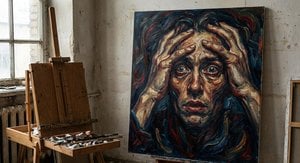
Figurative Expressionism: Emotional Intensity & Subjective Reality in 20th-Century Art
Explore the powerful world of Figurative Expressionism with ArtsDot. Discover key artists like Kirchner & Beckmann, understand its emotional depth, and learn how to collect this influential 20th-century art movement.

Masterpieces of the English Countryside: Top 25 Sir Alfred James Munnings Artworks
Explore 25 iconic Sir Alfred James Munnings masterpieces. Discover timeless equine art on ArtsDot.com.

The Raw Emotion of Expressionism: A Deep Dive into its History, Characteristics & Enduring Influence
Explore the raw emotion of Expressionism with ArtsDot. Discover its history, key artists like Kirchner & Munch, and lasting influence on modern art. Expert insights for collectors & enthusiasts.