


 पूर्वावलोकन देखें
 साझा करें
 साझा करें
 विस्तृत विवरण

 डाउनलोड करें
 समान कलाकृतियाँ
 एक्स-रे
 स्लाइड शो देखें
The Lady with the Red Parasol

 पूरा देखें
गिक्ली / आर्ट प्रिंट
तेज़ उत्पादन और विभिन्न फिनिश विकल्पों के साथ म्यूजियम-क्वालिटी गिकली (giclée) या कैनवस प्रिंट। ( हाथ से बनी पेंटिंग खरीदें छवि खरीदें)




P118B $10

P118H $10

P118W $10

P438Z $10

P508JH $12

P508YH $12

P805H $10

P805Z $10

P919BZ $10

P919G $10

P919XJ $10

P959ZH $10

P968JZ $12

W106C $8

W218G $10

W218JH $8

W218Y $10

W307PJ $10

W316G $10

W316PJ $8

W316Y $10

W398PJ $8

W4111J $10

W500HY $15

W500JH $15

W692G $12

W849H $8

W940BG $15

W953PJ $8




कलाकृति के मूल अनुपात से मेल खाने वाले हमारे पूर्व निर्धारित आकारों में से चुनें।

आप किसी विशिष्ट फ्रेम या स्थान के अनुसार अपने स्वयं के आयाम (dimensions) दर्ज कर सकते हैं। यदि आपके द्वारा चुना गया आकार मूल छवि के अनुपात से मेल नहीं खाता है, तो हम कलाकृति को क्रॉप कर देंगे या मिरर किए गए या सॉलिड-फिल किनारे के साथ छवि का विस्तार करेंगे। उत्पादन शुरू होने से पहले आपकी स्वीकृति के लिए एक डिजिटल मॉकअप भेजा जाएगा।
कृपया ध्यान दें कि स्क्रीन पर दिखने वाला प्रीव्यू वास्तविक क्रॉपिंग या विस्तार को नहीं दर्शाता है। केवल मॉकअप ही अंतिम संरचना को सटीक रूप से दिखाएगा।
हालाँकि कस्टम आकार उपलब्ध हैं, फिर भी हम मूल अनुपात बनाए रखने के लिए पूर्व-निर्धारित सूची में से एक आयाम चुनने की सलाह देते हैं।
विश्वव्यापी डिलीवरी (), मानक 4/5 सप्ताह के बजाय मात्र 2 सप्ताह में। (5 सितमबर)

दुनिया भर में मुफ़्त एक्सप्रेस शिपिंग

उच्च गुणवत्ता वाला लिनेन कैनवास

पूर्ण शिपिंग बीमा

सीमा शुल्क और आयात कर वापसी की गारंटी

सटीक रंग मिलान की गारंटी

60-दिन की वापसी नीति (केवल दोषों के लिए)

100% पैसे वापसी की गारंटी

थोक छूट का लाभ
 ग्लास का विकल्प केवल 110 सेमी से कम आकार में ही उपलब्ध है।

The Lady with the Red Parasol
गिक्ली / आर्ट प्रिंट
प्रतिकृति का आकार
-


कुल देय राशि
$ 62
The Lady with the Red Parasol: A Portrait of Unease and Innovation
James Ensor’s “The Lady with the Red Parasol,” completed in 1880, stands as a cornerstone of Expressionist art—a painting that simultaneously captivates with its meticulous detail and unsettles viewers with its profound psychological depth. More than just a depiction of a woman seated elegantly beneath an umbrella, it embodies Ensor’s signature preoccupation with masks, anxieties surrounding societal norms, and his masterful manipulation of color and texture to convey emotion.
Subject Matter & Composition: The painting portrays a woman in repose on a chair, her legs crossed—a posture that exudes composure yet hints at hidden vulnerability. She holds a crimson parasol aloft, its vibrant hue juxtaposed against the muted tones of the surrounding interior. Alongside it rests a black parasol, adding to the visual complexity and subtly reinforcing themes of concealment and duality. Ensor’s careful arrangement creates a balanced composition, positioning the woman as the focal point while anchoring her within the confines of the chair and umbrellas—elements that contribute to an atmosphere of quiet contemplation tinged with apprehension.
Style & Technique: Ensor's stylistic approach aligns squarely with Expressionism, rejecting academic conventions in favor of conveying subjective experience. He employs a technique characterized by thick impasto – applying paint thickly onto the canvas—creating palpable textural surfaces that heighten visual impact. The artist’s brushstrokes are deliberate and expressive, capturing minute details while simultaneously injecting dynamism into the scene. Notably, Ensor meticulously reconstructed the painting from a charcoal drawing made in his studio, demonstrating an unwavering commitment to artistic precision.
Historical Context & Symbolism: Created during the Belle Époque—a period of opulent social life and burgeoning anxieties about modernity—the artwork reflects the broader cultural currents of its time. Ensor’s fascination with masks is evident not only in his subject matter but also in his artistic process; he deliberately obscured certain facial features to emphasize psychological states rather than literal representation. The red parasol, a symbol of protection and perhaps concealment, contrasts sharply with the black one—suggesting internal conflict and an awareness of societal pressures. Furthermore, Ensor’s reference to Daniel Morgan's medal – reproduced in *La Gazette des Beaux-Arts*– underscores his engagement with political commentary and his desire to challenge prevailing artistic orthodoxies.
Emotional Impact & Legacy: “The Lady with the Red Parasol” transcends mere visual beauty, eliciting a visceral response from viewers. Ensor’s masterful use of color—particularly the dominant red—amplifies emotional intensity, conveying feelings of unease and introspection. The painting's enduring influence stems from its pioneering spirit—its rejection of academic ideals and embrace of subjective expression—establishing Ensor as a pivotal figure in the development of modern art.
संबद्ध कलाकृतियाँ


कलाकार का जीवन परिचय
James Ensor: A Visionary of Disquiet
James Sidney Edouard, Baron Ensor (Ostend, 13 April 1860 – November 19, 1949) был бельгийским художником и гравёром, оказавшим значительное влияние на экспрессионизм и сюрреализм. Он был членом художественной группы Les XX.
Early Influences and Artistic Training
James Ensor’s father, James Frederic Ensor, родился в Брюсселе у английских родителей и был образованным человеком, изучавшим инженерию в Англии и Германии. Его мать, Мария Катерина Хаэгеман, была бельгийкой. Сам Энсор не проявлял интереса к академическому изучению и оставил школу в возрасте пятнадцати лет, чтобы начать своё художественное обучение с двух местных художников. Он посещал Академию Королевскую Бельгии в Брюсселе вместе со своим одноклассником Фернандом Хнопфом.
The Birth of Expressionism: Bold Experimentation
Энсор быстро отказался от традиционного подхода к живописи и начал разрабатывать революционный стиль, который отражал его собственное видение мира. Он особенно был очарован карнавальской культурой организованной вокруг праздника Мартра каждый год в Бельгии, что несомненно было вызвано тем, что семья Энсора в Остенде была главным поставщиком карнавальной атрибутики. Формальный метод живописи Энсора отличался от традиционных методов и был предназначен для выражения его личной позиции. Он отвергал французский импрессионизм и символизм и использовал экспрессивные средства света, линии и цвета.
Iconic Paintings and Recurring Themes
Энсор создал серию работ, которые продолжают поражать и восхищать публику сегодня. Картина «Христос входит в Брюссель» (1888–89) является одним из самых известных произведений Энсора и представляет собой сатиру религиозной неискренности и социальной безразличия. Этот тревожный образ Христа, входящего в город, наполненный гротескными масками и фигурами, является мощным комментарием о разрыве между духовными идеалами и человеческим поведением. Картина «Скелеты сражаются за повешенного человека» (1891) исследует темы смерти, разложения и абсурда жизни.
Legacy and Recognition
Несмотря на первоначальное сопротивление Энсора его художественное наследие остается свидетельством силы искусства для столкновения с неудобными истинами и исследования глубины человеческого состояния. Он является одним из ключевых фигур в переходном периоде от XIX века к началу XX века — настоящим пионером современного искусства.

जेम्स एन्सर
1860 - 1949 , बेल्जियम
मुख्य तथ्य
- Artistic Movement Or Style: अभिव्यक्तिवाद और अतिवास्तववाद
- Artists Who Influenced This Artist:
- पीटर पॉल रुबेन्स
- फ्रांसिस्को गोया
- विथ्सलर
- Date Of Birth: अप्रैल 13, 1860
- Date Of Death: नवंबर 19, 1949
- Full Name: James Sidney Edouard Ensor
- Nationality: बेल्जियम
- Notable Artworks:
- क्राइस्ट का ब्रुसेल्स में प्रवेश
- संकेतित मुखौटे
- सेंट एंथोनी के दुखों का चित्रण
- Place Of Birth: ओस्टेंड, बेल्जियम
संबंधित लेख

जेम्स एबॉट मैकनील व्हिस्लर की 25 उत्कृष्ट कलाकृतियाँ: सौंदर्य और इतिहास का संगम
जेम्स एबॉट मैकनील व्हिस्लर की 25 सर्वश्रेष्ठ कलाकृतियों का अन्वेषण करें। सौंदर्यवादी आंदोलन, रात्रि दृश्य और पोर्ट्रेट से लेकर, प्रत्येक पेंटिंग एक कहानी कहती है। उच्च गुणवत्ता वाले कला पुनरुत्पादन के लिए ArtsDot.com पर खोजें।

James Ensor's Grotesque Visions: Social Commentary & Artistic Innovation
Explore the unsettling yet captivating world of James Ensor, a pioneer of Expressionism. Discover his satirical masterpieces, symbolic imagery & lasting influence on modern art. High-quality reproductions available at ArtsDot.
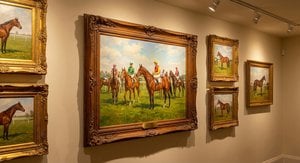
Sir Alfred Munnings' Masterpieces: 25 Paintings That Define Equine Art | ArtsDot
Explore 25 iconic Sir Alfred Munnings paintings! Discover the beauty of British Impressionism, equine art & rural England. Find museum-quality reproductions and elevate your home decor with ArtsDot. Explore the full collection online.

Crimson Threads of Narrative: Exploring Symbolism & Representation in Artworks Featuring the Red Dress
Explore the rich symbolism of the red dress in art history! From ancient power displays to iconic portraits like Cézanne’s 'Madame Cezanne', discover the cultural and artistic significance behind this captivating color. Expert analysis & insights.

मार्क रोथको की शीर्ष 25 कलाकृतियाँ: रंग, भावना और अमूर्तता का सफर | ArtsDot
मार्क रोथको की शीर्ष 25 कलाकृतियों का अन्वेषण करें! अमूर्त अभिव्यक्तिवाद, रंग और भावना से भरी इन पेंटिंग्स के पीछे की कहानियाँ जानें। ArtsDot.com पर उच्च-गुणवत्ता वाले कला प्रिंट और सजावट विचार खोजें।



