


 पूर्वावलोकन देखें
 भेजें
भेजें साझा करें
 विवरण देखें
 मार्गदर्शिका

 डाउनलोड करें
 समान वस्तुएं
 एक्स-रे
 स्लाइड शो देखें
 आंकड़े
Pivoines et pavots


 और पढ़ें
गिक्ली / आर्ट प्रिंट
तेज़ उत्पादन और विभिन्न फिनिश विकल्पों के साथ म्यूजियम-क्वालिटी गिकली (giclée) या कैनवस प्रिंट। ( हाथ से बनी पेंटिंग खरीदें डिजिटल इमेज पर जाएँ)




P118B ₹10

P118H ₹10

P118W ₹10

P438Z ₹10

P508JH ₹12

P508YH ₹12

P805H ₹10

P805Z ₹10

P919BZ ₹10

P919G ₹10

P919XJ ₹10

P959ZH ₹10

P968JZ ₹12

W106C ₹8

W218G ₹10

W218JH ₹8

W218Y ₹10

W307PJ ₹10

W316G ₹10

W316PJ ₹8

W316Y ₹10

W398PJ ₹8

W4111J ₹10

W500HY ₹15

W500JH ₹15

W692G ₹12

W849H ₹8

W940BG ₹15

W953PJ ₹8




कलाकृति के मूल अनुपात से मेल खाने वाले हमारे पूर्व निर्धारित आकारों में से चुनें।

अपने फ्रेम या अपनी दीवार के अनुसार आवश्यक चौड़ाई और ऊंचाई दर्ज करें। प्रिंट को केवल काटा जा सकता है, चित्र से बड़ा कभी नहीं बनाया जा सकता, इसलिए अलग आकार का साइज चित्र का एक हिस्सा खो देता है। किसी भी चीज़ को प्रिंट करने से पहले हम आपकी स्वीकृति के लिए आपको एक डिजिटल मॉकअप भेजते हैं। इस पृष्ठ पर दिखाया गया चित्र वास्तविक कटिंग नहीं दिखाता है — केवल मॉकअप ही इसे दर्शाता है।
विश्वव्यापी डिलीवरी (), मानक 4/5 सप्ताह के बजाय मात्र 2 सप्ताह में। (24 अक्टूबर)

दुनिया भर में मुफ़्त एक्सप्रेस शिपिंग

प्रीमियम ग्रेड लिनेन कैनवास

पूर्ण शिपिंग बीमा

सीमा शुल्क और आयात कर वापसी की गारंटी

सटीक रंग मिलान की गारंटी

100 दिनों की वापसी नीति (केवल निर्माण दोष होने पर)

100% पैसे वापसी की गारंटी

थोक छूट का अवसर
 ग्लास का विकल्प केवल 110 सेमी से कम आकार में ही उपलब्ध है।

Pivoines et pavots
गिक्ली / आर्ट प्रिंट
प्रतिकृति का आकार
-


कुल मूल्य
₹ 5947
A World of Masks and Shadows: Unveiling “Pivoines et Pavots”
James Ensor’s “Pivoines et pavots” (1893) isn't merely a still life; it’s a meticulously constructed stage for unsettling beauty, a window into the artist’s uniquely fractured psyche. Painted during a period of intense experimentation and social commentary, this work embodies the core tenets of Ensor’s artistic vision – a deliberate blurring of reality and dream, a fascination with masks and disguise, and a subtle yet potent critique of bourgeois society. The painting depicts an arrangement of vases overflowing with vibrant flowers—red poppies (pavots) and delicate pink peonies (pivoines)—a seemingly idyllic scene rendered through Ensor’s signature dark palette and unsettling juxtapositions. Yet, beneath the surface blooms a sense of unease, a feeling that something is profoundly *off*.The Artist's Context: Ostend and the Carnival Spirit
Born in Ostend, Belgium, in 1860, James Ensor’s artistic development was inextricably linked to his childhood environment. His father operated a souvenir shop brimming with exotic objects – masks, shells, and curiosities – that served as a constant source of inspiration. The annual carnival season in Ostend, a bustling hub of revelry and disguise, profoundly shaped Ensor's imagination. He frequently incorporated elements from the carnival—masks, puppets, skeletons—into his work, transforming everyday objects into symbols of hidden identities and societal anxieties. This connection to the theatrical world is powerfully evident in “Pivoines et pavots,” where the masks, though not explicitly visible, seem to permeate the entire composition, suggesting a layer of concealed meaning beneath the floral display. The painting was created during a time when Ensor was actively rejecting academic art traditions and forging his own distinct style—a style characterized by bold colors, distorted forms, and a deliberate rejection of naturalism.Symbolic Language: Flowers, Masks, and Mortality
The choice of flowers themselves is laden with symbolic weight. Red poppies, traditionally associated with remembrance and mortality, stand in stark contrast to the delicate pink peonies, representing beauty and fleeting youth. The presence of vases—one large, one smaller—could be interpreted as a commentary on social hierarchy or perhaps simply an arrangement reflecting Ensor’s own artistic control over his subject matter. Crucially, the inclusion of a potted plant adds another layer of complexity, suggesting a connection to nature that is both alluring and ultimately unsettling. The masks, though absent in their literal form, are powerfully evoked through the overall atmosphere of concealment and deception. Skeletons, frequently appearing in Ensor’s work, serve as potent reminders of mortality and the fragility of human existence—a theme subtly woven into the vibrant colors and carefully constructed arrangement of flowers.Technique and Emotional Impact: A Masterclass in Expression
Ensor's technique in “Pivoines et pavots” is a masterful blend of observation and distortion. He employs a rich, dark palette—deep blues, greens, and browns—to create a sense of claustrophobia and unease. The flowers are rendered with meticulous detail, yet their colors are intensified and slightly unnatural, contributing to the painting’s dreamlike quality. The composition is carefully balanced, but there's an underlying tension, a feeling that the scene is poised on the brink of collapse. This deliberate manipulation of color and form reflects Ensor’s Expressionist approach—a rejection of objective representation in favor of conveying subjective emotions and psychological states. “Pivoines et pavots” isn’t simply a pretty still life; it's an emotionally charged exploration of themes such as identity, mortality, and the anxieties of modern society. It invites viewers to confront their own perceptions of beauty and reality, prompting reflection on the hidden meanings beneath the surface.ArtsDot offers high-quality hand-painted reproductions of James Ensor’s “Pivoines et pavots,” allowing you to bring this captivating artwork into your home or office. Experience the unsettling beauty and profound symbolism of Ensor's masterpiece firsthand.
प्रश्न और उत्तर
Expressionism & Surrealism के भीतर जेम्स एन्सर द्वारा "Pivoines et pavots" किस भाव को व्यक्त करता है?
Expressionism & Surrealism आंदोलन के भीतर, "Pivoines et pavots" को एक Melancholic स्वर के साथ दर्ज किया गया है।
जेम्स एन्सर द्वारा "Pivoines et pavots" किसी इंटीरियर में क्या प्रभाव डालता है?
जेम्स एन्सर द्वारा "Pivoines et pavots" का Dramatic वातावरण इसके अनुशंसित स्थान के साथ मेल खाता है: एक Living Room।
"Pivoines et pavots" को कितने लोग देखते हैं?
जेम्स एन्सर द्वारा "Pivoines et pavots" के बारे में आँकड़े कलाकृति के आंकड़े पृष्ठ पर उपलब्ध हैं: कलाकृति की मासिक यात्राएँ, कलाकार की कृतियों की यात्राएँ, और हाल के आगंतुकों का देश और भाषा के आधार पर विवरण।
समान कलाकृतियाँ


कलाकार का परिचय
James Ensor: A Visionary of Disquiet
James Sidney Edouard, Baron Ensor (Ostend, 13 April 1860 – November 19, 1949) был бельгийским художником и гравёром, оказавшим значительное влияние на экспрессионизм и сюрреализм. Он был членом художественной группы Les XX.
Early Influences and Artistic Training
James Ensor’s father, James Frederic Ensor, родился в Брюсселе у английских родителей и был образованным человеком, изучавшим инженерию в Англии и Германии. Его мать, Мария Катерина Хаэгеман, была бельгийкой. Сам Энсор не проявлял интереса к академическому изучению и оставил школу в возрасте пятнадцати лет, чтобы начать своё художественное обучение с двух местных художников. Он посещал Академию Королевскую Бельгии в Брюсселе вместе со своим одноклассником Фернандом Хнопфом.
The Birth of Expressionism: Bold Experimentation
Энсор быстро отказался от традиционного подхода к живописи и начал разрабатывать революционный стиль, который отражал его собственное видение мира. Он особенно был очарован карнавальской культурой организованной вокруг праздника Мартра каждый год в Бельгии, что несомненно было вызвано тем, что семья Энсора в Остенде была главным поставщиком карнавальной атрибутики. Формальный метод живописи Энсора отличался от традиционных методов и был предназначен для выражения его личной позиции. Он отвергал французский импрессионизм и символизм и использовал экспрессивные средства света, линии и цвета.
Iconic Paintings and Recurring Themes
Энсор создал серию работ, которые продолжают поражать и восхищать публику сегодня. Картина «Христос входит в Брюссель» (1888–89) является одним из самых известных произведений Энсора и представляет собой сатиру религиозной неискренности и социальной безразличия. Этот тревожный образ Христа, входящего в город, наполненный гротескными масками и фигурами, является мощным комментарием о разрыве между духовными идеалами и человеческим поведением. Картина «Скелеты сражаются за повешенного человека» (1891) исследует темы смерти, разложения и абсурда жизни.
Legacy and Recognition
Несмотря на первоначальное сопротивление Энсора его художественное наследие остается свидетельством силы искусства для столкновения с неудобными истинами и исследования глубины человеческого состояния. Он является одним из ключевых фигур в переходном периоде от XIX века к началу XX века — настоящим пионером современного искусства.

जेम्स एन्सर
1860 - 1949 , बेल्जियम
संक्षिप्त जानकारी
- Artistic Movement Or Style: अभिव्यक्तिवाद और अतिवास्तववाद
- Artists Who Influenced This Artist:
- पीटर पॉल रुबेन्स
- फ्रांसिस्को गोया
- विथ्सलर
- Date Of Birth: अप्रैल 13, 1860
- Date Of Death: नवंबर 19, 1949
- Full Name: James Sidney Edouard Ensor
- Nationality: बेल्जियम
- Notable Artworks:
- क्राइस्ट का ब्रुसेल्स में प्रवेश
- संकेतित मुखौटे
- सेंट एंथोनी के दुखों का चित्रण
- Place Of Birth: ओस्टेंड, बेल्जियम
संबंधित लेखों की सूची
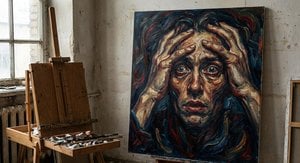
Figurative Expressionism: Emotional Intensity & Subjective Reality in 20th-Century Art
Explore the powerful world of Figurative Expressionism with ArtsDot. Discover key artists like Kirchner & Beckmann, understand its emotional depth, and learn how to collect this influential 20th-century art movement.

The Raw Emotion of Expressionism: A Deep Dive into its History, Characteristics & Enduring Influence
Explore the raw emotion of Expressionism with ArtsDot. Discover its history, key artists like Kirchner & Munch, and lasting influence on modern art. Expert insights for collectors & enthusiasts.
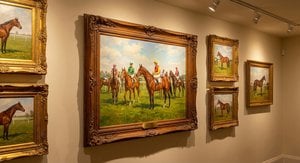
Sir Alfred Munnings' Masterpieces: 25 Paintings That Define Equine Art | ArtsDot
Explore 25 iconic Sir Alfred Munnings paintings! Discover the beauty of British Impressionism, equine art & rural England. Find museum-quality reproductions and elevate your home decor with ArtsDot. Explore the full collection online.

James Ensor's Grotesque Visions: Social Commentary & Artistic Innovation
Explore the unsettling yet captivating world of James Ensor, a pioneer of Expressionism. Discover his satirical masterpieces, symbolic imagery & lasting influence on modern art. High-quality reproductions available at ArtsDot.

जेम्स एबॉट मैकनील व्हिस्लर की 25 उत्कृष्ट कलाकृतियाँ: सौंदर्य और इतिहास का संगम
जेम्स एबॉट मैकनील व्हिस्लर की 25 सर्वश्रेष्ठ कलाकृतियों का अन्वेषण करें। सौंदर्यवादी आंदोलन, रात्रि दृश्य और पोर्ट्रेट से लेकर, प्रत्येक पेंटिंग एक कहानी कहती है। उच्च गुणवत्ता वाले कला पुनरुत्पादन के लिए ArtsDot.com पर खोजें।


