

 पूर्वावलोकन देखें
 साझा करें
 साझा करें
 विस्तृत विवरण
 मार्गदर्शिका

 डाउनलोड करें
 समान वस्तुएं
 एक्स-रे
 स्लाइड शो देखें
 प्रश्न और उत्तर
 आंकड़े
Grainfields

- 47.0 x 57.0 cm


 पूरा देखें
गिक्ली / आर्ट प्रिंट
तेज़ उत्पादन और विभिन्न फिनिश विकल्पों के साथ म्यूजियम-क्वालिटी गिकली (giclée) या कैनवस प्रिंट। ( इस संग्रहणीय वस्तु की हाथ से बनी प्रतिकृति मंगवाएं डिजिटल इमेज पर स्विच करें)




P118B ₹10

P118H ₹10

P118W ₹10

P438Z ₹10

P508JH ₹12

P508YH ₹12

P805H ₹10

P805Z ₹10

P919BZ ₹10

P919G ₹10

P919XJ ₹10

P959ZH ₹10

P968JZ ₹12

W106C ₹8

W218G ₹10

W218JH ₹8

W218Y ₹10

W307PJ ₹10

W316G ₹10

W316PJ ₹8

W316Y ₹10

W398PJ ₹8

W4111J ₹10

W500HY ₹15

W500JH ₹15

W692G ₹12

W849H ₹8

W940BG ₹15

W953PJ ₹8




कलाकृति के मूल अनुपात से मेल खाने वाले हमारे पूर्व निर्धारित आकारों में से चुनें।

अपने फ्रेम या अपनी दीवार के अनुसार आवश्यक चौड़ाई और ऊंचाई दर्ज करें। प्रिंट को केवल काटा जा सकता है, चित्र से बड़ा कभी नहीं बनाया जा सकता, इसलिए अलग आकार का साइज चित्र का एक हिस्सा खो देता है। किसी भी चीज़ को प्रिंट करने से पहले हम आपकी स्वीकृति के लिए आपको एक डिजिटल मॉकअप भेजते हैं। इस पृष्ठ पर दिखाया गया चित्र वास्तविक कटिंग नहीं दिखाता है — केवल मॉकअप ही इसे दर्शाता है।
विश्वव्यापी डिलीवरी (), मानक 4/5 सप्ताह के बजाय मात्र 2 सप्ताह में। (5 नवमबर)

दुनिया भर में मुफ़्त एक्सप्रेस शिपिंग

उच्च गुणवत्ता वाला लिनेन कैनवास

पूर्ण शिपिंग बीमा

सीमा शुल्क और आयात कर वापसी की गारंटी

सटीक रंग मिलान की गारंटी

100 दिनों की वापसी नीति (केवल दोष होने पर)

100% पैसे वापसी की गारंटी

थोक छूट का अवसर
 ग्लास का विकल्प केवल 110 सेमी से कम आकार में ही उपलब्ध है।

Grainfields
गिक्ली / आर्ट प्रिंट
प्रतिकृति का आकार
-


कुल देय राशि
₹ 6077
A Moment Frozen in Time: Exploring Jacob van Ruisdael’s “Grainfields”
Jacob van Ruisdael's "Grainfields," painted around 1665, isn’t merely a depiction of a rural Dutch landscape; it’s a profound meditation on the relationship between humanity and nature, a quiet drama unfolding beneath an expansive sky. This remarkable work, now housed within the Metropolitan Museum of Art in New York, offers a glimpse into the heart of the Dutch Golden Age – a period defined by burgeoning prosperity, artistic innovation, and a deep appreciation for the beauty of the natural world. Ruisdael, considered the pre-eminent landscape painter of his era, masterfully captures not just the visual elements of the scene but also an underlying sense of serenity and timelessness that continues to resonate with viewers today.The Canvas as Window: Composition and Technique
Ruisdael’s genius lies in his ability to create a remarkably immersive experience within the confines of a canvas. The composition is deceptively simple, yet profoundly effective. A gently sloping road, barely discernible amidst the undulating grainfields, draws the eye into the heart of the scene. Two figures – likely laborers tending their harvest – stand at the field’s edge, small and unassuming against the vastness of the landscape. Their presence isn't intrusive; rather, they serve as anchors, grounding us in this world while simultaneously emphasizing its scale and solitude. The artist employs a technique characterized by subtle gradations of light and shadow, creating an atmospheric depth that is both realistic and dreamlike. Notice how he uses broken brushstrokes to suggest the texture of the earth, the rustle of the grain, and the hazy distance of the horizon. Crucially, Ruisdael’s decision to dominate the composition with the sky – occupying nearly two-thirds of the canvas – elevates the scene beyond a simple depiction of farmland. It imbues the landscape with a sense of grandeur and spiritual significance, echoing the vastness of God's creation.Echoes of History: Context and Influences
To understand “Grainfields,” it’s essential to consider its historical context. The Dutch Golden Age witnessed an unprecedented economic boom fueled by trade and agriculture. Landscapes like this one weren’t simply decorative; they reflected a national identity deeply rooted in the land. Ruisdael, influenced by earlier landscape painters such as Cornelis Vroom and Allart van Everdingen, built upon established traditions while forging his own distinctive style. His trip to Germany in 1650 exposed him to new artistic influences, particularly the dramatic lighting and atmospheric perspective of Northern European masters. The painting also reflects a broader shift in Dutch society – a growing interest in secular subjects alongside traditional religious themes. The focus on everyday life, as depicted here, signaled a move away from solely didactic art towards works that celebrated beauty and offered moments of contemplation.Symbolism and Emotional Resonance
Beyond its technical brilliance, “Grainfields” is rich in symbolic meaning. The figures at the edge of the field represent humanity’s connection to the land – a relationship built on labor, resilience, and an understanding of nature's rhythms. The windmill, a ubiquitous symbol of Dutch ingenuity and prosperity, stands as a testament to human adaptation and mastery over the environment. However, there is also a sense of melancholy in the scene, perhaps reflecting the hardships of rural life or the fleeting nature of time. The overcast sky hints at an impending storm, suggesting that even in this seemingly idyllic landscape, forces beyond our control are always present. Ultimately, “Grainfields” evokes a feeling of quiet contemplation – a reminder to appreciate the beauty and fragility of the natural world and to find solace in its enduring presence.Bringing Ruisdael Home: Reproductions and Interior Design
Reproductions of "Grainfields" offer a remarkable opportunity to bring this iconic work into your home or office. When selecting a print, consider the quality of the reproduction – seek out options that accurately capture the subtle nuances of Ruisdael’s brushwork and atmospheric effects. The painting's muted palette—dominated by earthy browns, greens, and grays—works beautifully in a variety of interior settings. It complements both rustic and contemporary styles, adding a touch of timeless elegance and contemplative serenity to any space. Whether displayed as a statement piece or incorporated into a larger gallery wall, “Grainfields” is sure to become a cherished focal point, inviting viewers to pause, reflect, and connect with the enduring beauty of the Dutch countryside.प्रश्न और उत्तर
जैकोब आइसाक्सज़ून वैन रुइसडेल द्वारा "Grainfields" में कौन से रंग प्रमुखता से दिखाई देते हैं?
जैकोब आइसाक्सज़ून वैन रुइसडेल द्वारा "Grainfields" में Earthy रंगों का उपयोग किया गया है, जिसमें Celadon (#beb8bc) प्रमुख रंग है।
क्या "Grainfields" के समान अन्य कलाकृतियाँ उपलब्ध हैं?
"Grainfields" के समान कलाकृतियाँ इस कलाकृति के समान कलाकृतियाँ पृष्ठ पर सूचीबद्ध हैं।
"Grainfields" का प्रारूप क्या है?
जैकोब आइसाक्सज़ून वैन रुइसडेल द्वारा "Grainfields" एक Landscape रचना है। प्रिंट का आकार चुनने से पहले इसके अनुपात की जांच करना उचित होगा।
समान कलाकृतियाँ


कलाकार की जीवनी
प्रारंभिक जीवन और कलात्मक यात्रा
याकोब इसाक्सज़ून वैन रुइसडेल, नीदरलैंड्स में 1628 में जन्मे एक प्रमुख डच चित्रकार, रेखाचित्रकार और उत्कीर्णन कलाकार थे। उन्हें डच स्वर्ण युग के सबसे महान परिदृश्य चित्रकारों में से एक माना जाता है, जो अपार धन और सांस्कृतिक उपलब्धियों का काल था। रुइसडेल का प्रारंभिक जीवन Haarlem शहर में बीता, जहाँ उन्होंने कलात्मक माहौल में सांस ली और जल्द ही अपनी प्रतिभा दिखाना शुरू कर दिया। उनके परिवार ने उन्हें शुरुआती प्रशिक्षण प्रदान किया, लेकिन उनकी वास्तविक कलात्मक यात्रा तब शुरू हुई जब वे 1640 के दशक में अपने गुरु सैलोमन वैन रुइसडेल के स्टूडियो में शामिल हुए। इस समय, उन्होंने परिदृश्य चित्रकला की बुनियादी तकनीकों को सीखा और प्रकृति के प्रति अपना गहरा प्रेम विकसित किया।
शैली और योगदान
वैन रुइसडेल की कलात्मक शैली विविधता और प्रचुरता से चिह्नित है, जो विभिन्न प्रकार के परिदृश्य विषयों को दर्शाती है। 1646 से, उन्होंने डच ग्रामीण इलाकों के अद्भुत दृश्य चित्रित किए, जो बाद में जर्मनी की यात्रा (1650) के बाद अधिक वीर चरित्र ले लेते हैं। उनकी देर की कृतियाँ, जो एम्स्टर्डम में रहते और काम करते हुए बनाई गईं, शहर के मनोरम दृश्य और समुद्री दृश्यों को दर्शाती थीं, जिनमें अक्सर आकाश कैनवास के दो-तिहाई हिस्से पर कब्जा कर लेता था। रुइसडेल ने प्रकाश और रचना का अद्भुत प्रदर्शन किया, विशेष रूप से चट्टानी और पहाड़ी परिदृश्य में झरना जैसे कार्यों में। उनकी कला में सूक्ष्म विवरणों पर ध्यान देना, वायुमंडलीय प्रभावों को पकड़ने की क्षमता और प्रकृति के प्रति गहरी संवेदनशीलता स्पष्ट रूप से दिखाई देती है। रुइसडेल ने न केवल डच परिदृश्य का चित्रण किया, बल्कि उसमें एक भावनात्मक गहराई भी जोड़ी, जो दर्शकों को प्रकृति की सुंदरता और शक्ति का अनुभव कराती थी।
प्रमुख कृतियाँ और तकनीकें
रुइसडेल के कार्यों में Haarlem शहर का दृश्य विरंजन मैदानों के साथ, उनकी डच परिदृश्य को पकड़ने की क्षमता का एक उत्कृष्ट उदाहरण है। यह कृति न केवल Haarlem शहर के जीवन को दर्शाती है, बल्कि प्रकाश और छाया के जटिल खेल को भी उजागर करती है। इसी तरह, एम्स्टर्डम में डैम और डैमराक का दृश्य उनके शहर चित्रकला कौशल को दर्शाता है। रुइसडेल ने अपनी रचनाओं में परिप्रेक्ष्य और स्थानिक गहराई का उपयोग करके एक यथार्थवादी प्रभाव पैदा किया। उनकी तकनीक में तेल रंगों का सावधानीपूर्वक मिश्रण, ब्रशवर्क की विविधता और विवरणों पर ध्यान देना शामिल था। उन्होंने अक्सर बादलों के गतिशील चित्रण और पेड़ों की जटिल शाखाओं को चित्रित करने के लिए विशेष तकनीकों का उपयोग किया। रुइसडेल ने अपनी कृतियों में आकाश को एक महत्वपूर्ण तत्व बनाया, जो उनके परिदृश्यों में नाटकीयता और भावनात्मक गहराई जोड़ता है।
प्रभाव और विरासत
वैन रुइसडेल का परिदृश्य चित्रकला परंपराओं पर गहरा प्रभाव पड़ा, जिसने अंग्रेजी रोमांटिकों, फ्रांस के बारबिजोन स्कूल और संयुक्त राज्य अमेरिका के हडसन रिवर स्कूल को आकार दिया। उन्होंने डच परिदृश्य कलाकारों की पीढ़ियों को भी प्रेरित किया। उनकी कला ने प्रकृति के प्रति एक नई संवेदनशीलता पैदा की और दर्शकों को अपने आसपास की दुनिया को देखने के लिए प्रोत्साहित किया। रुइसडेल की कृतियाँ आज भी दुनिया भर के निजी और संस्थागत संग्रहों में मौजूद हैं, जिनमें लंदन में राष्ट्रीय गैलरी, एम्स्टर्डम में रिज्क्सम्यूजियम और सेंट पीटर्सबर्ग में हेर्मिटेज संग्रहालय शामिल हैं। उनकी कलात्मक विरासत न केवल डच स्वर्ण युग के परिदृश्य चित्रकला का प्रतिनिधित्व करती है, बल्कि प्रकृति के प्रति मानव भावना की गहरी अभिव्यक्ति भी है। रुइसडेल ने अपने कार्यों के माध्यम से एक ऐसी दुनिया बनाई जो शांत, सुंदर और भावनात्मक रूप से समृद्ध थी, जिसने आने वाली पीढ़ियों के कलाकारों को प्रेरित किया।
संग्रहालय और संग्रह

जैकोब आइसाक्सज़ून वैन रुइसडेल
1628 - 1682 , नीदरलैंड्स
प्रमुख तथ्य
- कला आंदोलन: डच स्वर्ण युग
- जन्म तिथि: 1628, हार्लेम
- जन्म स्थान: हार्लेम, नीदरलैंड
- जिन कलाकारों को प्रभावित किया:
- अंग्रेजी रोमांटिक
- बार्बिज़ोन स्कूल
- पूरा नाम: जैकोब आइसाक्सज़ून वान रुइसडेल
- प्रभावित कलाकार: ['हेन्ड्रिक व्रोम']
- प्रमुख कलाकृतियाँ:
- हारलेम का दृश्य
- वाटरफॉल लैंडस्केप
- एम्स्टर्डम शहर दृश्य
- मृत्यु तिथि: 1682, एम्स्टर्डम
- राष्ट्रीयता: डच
संबंधित लेख

Jacob van Ruisdael: Master of Dutch Landscape & the Evocation of National Identity
Explore the life & work of Jacob van Ruisdael, the preeminent Dutch landscape painter. Discover his technical brilliance, symbolic depth, and lasting influence on art history. Learn about collecting Ruisdael's masterpieces.

डच स्वर्ण युग की शीर्ष 10 कृतियाँ: कला और घर में वैभव का अनुभव | ArtsDot
डच स्वर्ण युग की 10 उत्कृष्ट कृतियाँ! रेम्ब्रांट, वर्मीर और वैन एइक जैसे महान कलाकारों के वैभवशाली कलाकृतियों का अन्वेषण करें। क्लासिक डच चित्रकला, तेल चित्रों और घर की सजावट के लिए प्रेरणा पाएं। ArtsDot.com पर सभी उत्कृष्ट कृतियाँ देखें!

Golden Light & Dutch Skies: Bringing the Magic of Dutch Golden Age Landscapes into Your Home
Transform your home with the breathtaking light of Dutch Golden Age landscapes. Discover how hand-painted oil reproductions of masterworks like Ruisdael and Vermeer bring timeless elegance, atmosphere, and soulful texture to modern interiors. Elevate your space with museum-quality art.
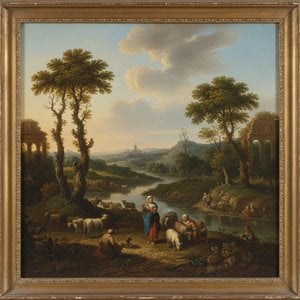
Nicolaes Berchem: Dutch Golden Age Pastoralism & the Evolution of Landscape Painting
Explore the captivating world of Nicolaes Berchem, a leading Dutch Golden Age painter. Discover his idyllic landscapes, masterful technique & lasting influence on art history. Learn more at ArtsDot.

Charles Leickert: Capturing the Dutch Golden Age Light – A Comprehensive Study of Technique, Context, and Legacy
Explore the captivating winter landscapes of Charles Leickert, a master of Dutch Golden Age light & atmosphere. Discover his techniques, symbolism, and lasting legacy – a comprehensive study for art enthusiasts and collectors.

