


 पूर्वावलोकन देखें
 भेजें
भेजें साझा करें
 विवरण देखें
 मार्गदर्शिका

 डाउनलोड करें
 समान वस्तुएं
 एक्स-रे
 स्लाइड शो देखें
 आंकड़े
The Dancer


 और पढ़ें
गिक्ली / आर्ट प्रिंट
तेज़ उत्पादन और विभिन्न फिनिश विकल्पों के साथ म्यूजियम-क्वालिटी गिकली (giclée) या कैनवस प्रिंट। ( हाथ से बनी पेंटिंग खरीदें डिजिटल इमेज पर जाएँ)




P118B ₹10

P118H ₹10

P118W ₹10

P438Z ₹10

P508JH ₹12

P508YH ₹12

P805H ₹10

P805Z ₹10

P919BZ ₹10

P919G ₹10

P919XJ ₹10

P959ZH ₹10

P968JZ ₹12

W106C ₹8

W218G ₹10

W218JH ₹8

W218Y ₹10

W307PJ ₹10

W316G ₹10

W316PJ ₹8

W316Y ₹10

W398PJ ₹8

W4111J ₹10

W500HY ₹15

W500JH ₹15

W692G ₹12

W849H ₹8

W940BG ₹15

W953PJ ₹8




कलाकृति के मूल अनुपात से मेल खाने वाले हमारे पूर्व निर्धारित आकारों में से चुनें।

अपने फ्रेम या अपनी दीवार के अनुसार आवश्यक चौड़ाई और ऊंचाई दर्ज करें। प्रिंट को केवल काटा जा सकता है, चित्र से बड़ा कभी नहीं बनाया जा सकता, इसलिए अलग आकार का साइज चित्र का एक हिस्सा खो देता है। किसी भी चीज़ को प्रिंट करने से पहले हम आपकी स्वीकृति के लिए आपको एक डिजिटल मॉकअप भेजते हैं। इस पृष्ठ पर दिखाया गया चित्र वास्तविक कटिंग नहीं दिखाता है — केवल मॉकअप ही इसे दर्शाता है।
विश्वव्यापी डिलीवरी (), मानक 4/5 सप्ताह के बजाय मात्र 2 सप्ताह में। (21 अक्टूबर)

दुनिया भर में मुफ़्त एक्सप्रेस शिपिंग

प्रीमियम ग्रेड लिनेन कैनवास

पूर्ण शिपिंग बीमा

सीमा शुल्क और आयात कर वापसी की गारंटी

सटीक रंग मिलान की गारंटी

100 दिनों की वापसी नीति (केवल निर्माण दोष होने पर)

100% पैसे वापसी की गारंटी

थोक छूट का अवसर
 ग्लास का विकल्प केवल 110 सेमी से कम आकार में ही उपलब्ध है।

The Dancer
गिक्ली / आर्ट प्रिंट
प्रतिकृति का आकार
-


कुल मूल्य
₹ 5931
A Symphony of Color: Exploring Henri Matisse’s “The Dancer”
Matisse's "The Dancer," created in 1949, isn’t merely a depiction of movement; it’s an embodiment of joie de vivre—a celebration of life itself. Painted during his prolific period following the Second World War, this artwork exemplifies Matisse’s signature style: bold simplification and vibrant hues that prioritize expressive color over meticulous realism. The canvas bursts with shades of emerald green and sapphire blue, juxtaposed against a fiery red backdrop – a deliberate choice designed to capture the dynamism inherent in dance and convey an overwhelming sense of optimism.- Style & Technique: Matisse’s approach aligns perfectly with his revolutionary “cutout” technique—a method he pioneered in the late 1920s and early 1930s. Rather than blending pigments on canvas, he meticulously cut shapes from colored paper, gluing them onto a single sheet to create layered compositions that defy traditional perspective. This technique lends "The Dancer" an ethereal quality, as if fragments of light and color are suspended in space.
- Historical Context: The painting emerged from the aftermath of immense upheaval—the devastation of Europe during WWII profoundly impacted artists globally. Matisse responded to this period with a renewed commitment to artistic freedom and a desire to communicate joy amidst despair. His work reflects a broader humanist impulse, prioritizing beauty and emotion over intellectual abstraction.
Symbolism: Leaves as Vessels of Renewal
The prominent green leaves dominating the composition hold significant symbolic weight. Traditionally associated with rebirth, growth, and vitality—themes deeply rooted in pagan mythology—they represent Matisse’s belief in the enduring power of nature to heal and inspire. Their placement strategically frames the dancer, suggesting that she embodies this regenerative force, radiating energy outwards into the surrounding space.Emotional Impact: Capturing Movement and Spirit
“The Dancer” transcends mere visual representation; it aims to evoke a visceral response in the viewer. Matisse’s masterful use of color—particularly the scarlet red—creates an intense focal point, drawing attention to the dancer's posture and conveying a feeling of exhilaration. The simplified forms contribute to this emotional resonance, stripping away unnecessary detail to focus on the essence of movement and capturing the spirit of dance as an expression of freedom and joy.Interior Design Considerations
A reproduction of “The Dancer” would bring a striking splash of color into any interior space. Its bold palette—particularly the emerald green—harmonizes beautifully with natural materials like wood and stone, creating a serene yet invigorating atmosphere. Consider framing it in a minimalist frame to accentuate its vibrancy or incorporating it into a gallery wall alongside other artworks that share similar stylistic sensibilities.प्रश्न और उत्तर
हेनरी मातिस द्वारा "The Dancer" में कौन से विषय दिखाई देते हैं?
"The Dancer" के विषय color palette, matisse style, cutouts, foliage, dance motif, vibrancy, geometric shapes हैं।
"The Dancer" की fauve शैली के साथ कौन सा भावनात्मक स्वर जुड़ा है?
fauve आंदोलन के भीतर, "The Dancer" को एक Joyful स्वर के साथ दर्ज किया गया है।
हेनरी मातिस अन्य किन नामों से जाने जाते हैं?
हेनरी मातिस को एंरी एमिल बेनोइट मातिस, हेनरी एमील बेनोइट मातीस के नाम से भी जाना जाता है।
समान कलाकृतियाँ


कलाकार का परिचय
हेनरी मैटिस: रंग और रूप के जादूगर
हेनरी मैटिस, जिनका जन्म 31 दिसंबर 1869 को ले काटो-कैम्ब्रेसीस, फ्रांस में हुआ था, आधुनिक कला के इतिहास में एक अद्वितीय स्थान रखते हैं। उन्होंने अपने जीवनकाल में रंगों और आकारों के साथ जो प्रयोग किए, उन्होंने कला की दुनिया को हमेशा के लिए बदल दिया। मैटिस ने कानून की पढ़ाई शुरू की थी, लेकिन एक बीमारी के दौरान उन्हें चित्रकला का शौक लगा और फिर उन्होंने पीछे मुड़कर नहीं देखा। उनका शुरुआती जीवन बोहाइन-एन-वर्मंडोइस में बीता, जहाँ उनके माता-पिता अनाज व्यापारी थे। उनकी कला यात्रा पारंपरिक शिक्षा से शुरू हुई, लेकिन जल्द ही उन्होंने अपनी अनूठी शैली विकसित कर ली जो उन्हें अन्य कलाकारों से अलग करती थी।फाविज़्म का उदय और रंग का विस्फोट
1905 में मैटिस के जीवन में एक महत्वपूर्ण मोड़ आया जब उन्होंने बेले आइल की यात्रा की और जॉन रसेल जैसे कलाकारों से मुलाकात की। इस मुलाकात ने उन्हें प्रभाववाद और विशेष रूप से विन्सेंट वैन गॉग के भावपूर्ण चित्रों से परिचित कराया। वैन गॉग के रंगों का प्रयोग मैटिस के मन पर गहरा प्रभाव पड़ा, जिससे वे अपने पहले के संयमित रंग पैलेट को त्यागकर अधिक साहसी और व्यक्तिपरक दृष्टिकोण अपनाने लगे। इसी खोज ने फाविज़्म नामक कला आंदोलन को जन्म दिया, जिसमें मैटिस एक प्रमुख व्यक्ति बन गए। "फाव" शब्द का अर्थ है "जंगली जानवर," जो उनके चित्रों में रंगों की तीव्र और अपरंपरागत प्रकृति को दर्शाता है। इस दौर में उन्होंने द gourds जैसे उत्कृष्ट कृतियों के माध्यम से रंगों का विस्फोट किया, जहाँ उन्होंने पारंपरिक परिप्रेक्ष्य और यथार्थवादी चित्रण को त्यागकर भावनाओं को व्यक्त करने पर ध्यान केंद्रित किया। उनकी शैली की मुख्य विशेषताओं में गहन रूप से संतृप्त रंग पैलेट, सरलीकृत आकार, अभिव्यंजक ब्रशस्ट्रोक और पारंपरिक प्रतिनिधित्व को अस्वीकार करना शामिल था।सजावटी सामंजस्य की ओर विकास
फाविज़्म के शुरुआती उत्साह के बाद, मैटिस की शैली में एक सूक्ष्म लेकिन महत्वपूर्ण बदलाव आया। उन्होंने रंगों के प्रति अपने प्रेम को त्यागना नहीं चाहा, बल्कि उनके काम में अधिक परिष्कार और सजावटी सौंदर्यशास्त्र का समावेश किया। उन्होंने शांत वातावरण में अवकाश, घरेलू जीवन और मानव आकृति जैसे विषयों का पता लगाया, जिससे ऐसी रचनाएँ बनीं जो सामंजस्यपूर्ण और भावनात्मक रूप से गूंजती थीं। 1917 में नीस में फ्रांसीसी रिवेरा में स्थानांतरित होने से इस बदलाव को और बढ़ावा मिला, जिससे उनके काम में शांति और शास्त्रीय संतुलन की भावना आ गई। मैटिस ने विभिन्न माध्यमों, जैसे कि सिरेमिक्स और टेक्सटाइल के साथ प्रयोग करके अपनी कलात्मक दृष्टि का विस्तार किया, एक ऐसा वातावरण बनाया जो दर्शकों को सौंदर्य और शांति के अनुभव में डुबो देता था।सीमितता से नवाचार: कट-आउट तकनीक
जैसे-जैसे बढ़ती उम्र के कारण मैटिस की शारीरिक क्षमताएँ कम होने लगीं, उन्होंने अपने कलात्मक जीवन के एक नए अध्याय की शुरुआत की - कागज के कट-आउट (découpages) का निर्माण। 1947 के आसपास शुरू हुई यह तकनीक आवश्यकता से प्रेरित थी। व्हीलचेयर पर रहने के बाद, वे पारंपरिक रूप से पेंट करने में असमर्थ थे, लेकिन कागज को कैंची से काटकर कलात्मक अभिव्यक्ति जारी रख सकते थे। इस व्यावहारिक समाधान ने एक अभूतपूर्व कलात्मक तकनीक का जन्म दिया। उन्होंने चमकीले रंगों में बड़े कागज़ की शीटें रंगा करती थीं और फिर उन्हें आकारों में काटती थीं - जैविक रूप, पत्तियाँ, आकृतियाँ - और उन्हें कैनवास पर व्यवस्थित करती थीं, जिससे गतिशील और दिखने में सरल रचनाएँ बनती थीं। ये कट-आउट पेंटिंग के लिए सिर्फ़ विकल्प नहीं थे; वे रंग, आकार और संरचना के बारे में सोचने का एक नया तरीका थे। उन्होंने अपनी कलात्मक दृष्टि को शारीरिक सीमाओं के सामने भी विकसित करने की क्षमता का प्रदर्शन किया।- कट-आउट तकनीक ने उन्हें ऐसे रूपों और रंगों की शुद्धता प्राप्त करने की अनुमति दी जो पेंट से हासिल करना मुश्किल था।
- इन कार्यों में अक्सर उनके चित्रों के पहले के विषयों और रूपांकनों को संदर्भित किया जाता था, लेकिन एक नए और नवीन तरीके से प्रस्तुत किया गया था।
- उन्होंने अपने पूरे करियर में कलाकार के रूप में अनुकूलन और विकास करने की अपनी क्षमता का प्रदर्शन किया।
आधुनिक कला पर स्थायी प्रभाव
3 नवंबर 1954 को नीस में हेनरी मैटिस का निधन हो गया, लेकिन उन्होंने एक ऐसी विरासत छोड़ दी जो दुनिया भर के दर्शकों को प्रेरित करती और मोहित करती रहती है। उनकी कलात्मक दुनिया पर प्रभाव निर्विवाद है; उन्होंने प्रतिनिधित्व की पारंपरिक धारणाओं को चुनौती दी, रंग की अभिव्यंजक शक्ति का समर्थन किया और भविष्य की पीढ़ियों के कलाकारों के लिए मार्ग प्रशस्त किया। पाब्लो पिकासो के साथ मिलकर आधुनिक कला के सबसे प्रभावशाली शख्सियतों में से एक माने जाने वाले मैटिस ने आधुनिकता को मौलिक रूप से आकार दिया है। उनकी विरासत उनके कलाकृतियों तक ही सीमित नहीं है - यह आनंद, सौंदर्य और रंग की परिवर्तनकारी क्षमता का जश्न मनाने वाली दर्शनशास्त्र को समाहित करती है। मैटिस केवल वही चित्रित नहीं कर रहे थे जो वे देखते थे; वे दर्शकों के लिए एक भावनात्मक अनुभव बना रहे थे, उन्हें अपने रंगों से भरे दुनिया के दृष्टिकोण को साझा करने के लिए आमंत्रित कर रहे थे।
हेनरी मातिस
1869 - 1954 , फ्रांस
संक्षिप्त जानकारी
- Artistic Movement Or Style: फौविज़्म, आधुनिक कला
- Artists Or Movements Influenced By This Artist:
- आधुनिकतावाद
- अभिव्यक्तिवाद
- Artists Who Influenced This Artist:
- विनसेंट वैन गॉग
- चार्डेन
- जॉन रसेल
- Date Of Birth: 31 दिसंबर 1869
- Date Of Death: 3 नवंबर 1954
- Full Name: हेनरी एमील बेनोइट मैटिस
- Nationality: फ्रांसीसी
- Notable Artworks:
- द गर्ड्स
- लॉरेट्टे इन अ व्हाइट टर्बन
- Place Of Birth: ले काटो-कैम्ब्रेसीस, फ्रांस
संबंधित लेखों की सूची

Slate Blue Masterpieces: 10 Iconic Paintings & Timeless Home Decor Ideas
Immerse yourself in the captivating world of slate blue! Explore 10 iconic paintings by Monet, Van Gogh & Renoir. Discover their stories, techniques & find museum-quality art reproductions for your home at .
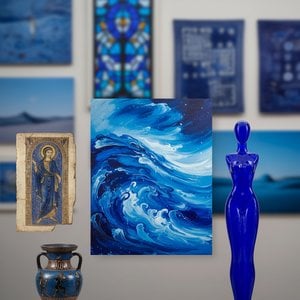
The Allure of Azure: Exploring the Symbolic & Aesthetic Depths of Blue in Art History
Explore the rich history of blue in art! Discover its symbolism, from ancient pigments to modern masterpieces by Kandinsky & Seurat. Uncover the psychological impact and cultural meanings behind this captivating hue.

Emerald Visions: Top 10 Paintings Dominated by Cadmium Green |
Explore 10 iconic paintings where cadmium green reigns supreme! From Monet to Van Gogh, discover the stories behind these masterpieces & the power of color. Find museum-quality art reproductions and elevate your home decor on .

Serene Blue Backgrounds: Discover Soulful Art to Transform Your Space with Timeless Elegance
Transform your home with soulful blue art. From serene Monet impressions to modern textured sculptures, discover curated masterpieces designed to inspire calm. Explore expert art consultations and bespoke hand-painted reproductions to create your personal sanctuary.

Verdant Visions: Exploring the Symbolism & Aesthetic Impact of Green in Art History
Explore the rich history & symbolism of green in art! Discover iconic paintings, techniques, and how to bring verdant harmony into your home with ArtsDot's expert guide.


